










PCU, TPU or TPH? What PPF Labels Really Mean
A PCU, TPU, or TPH label is not a quality certificate. Evidence boundaries, film construction, actual installation quality, and realistic ownership cost all matter more than chemistry marketing. This guide helps you distinguish naming hype from verifiable claims and make a practical buying decision.
PPF is not automatically an “idiot tax.” Older vehicles skipped PPF because the material was expensive, installation quality varied widely, and fewer owners drove in conditions that justify the cost. Modern PPF offers measurably better protection when you own a high-value car, drive in harsh environments, care about long-term paint condition or prioritise convenience over annual correction costs. But the value depends entirely on what you compare it to and what problem you are solving.
PCU, TPU and TPH Are Not the Same Kind of Claim
TPU is a broad thermoplastic polyurethane family used in many protective-film constructions. PCU is used by some suppliers as a commercial designation for a polycarbonate-modified polyurethane approach, often presented as a premium material direction. TPH is widely used as a market term, but the label alone does not tell a buyer the polymer recipe, coating design, adhesive, or finished-film test result.
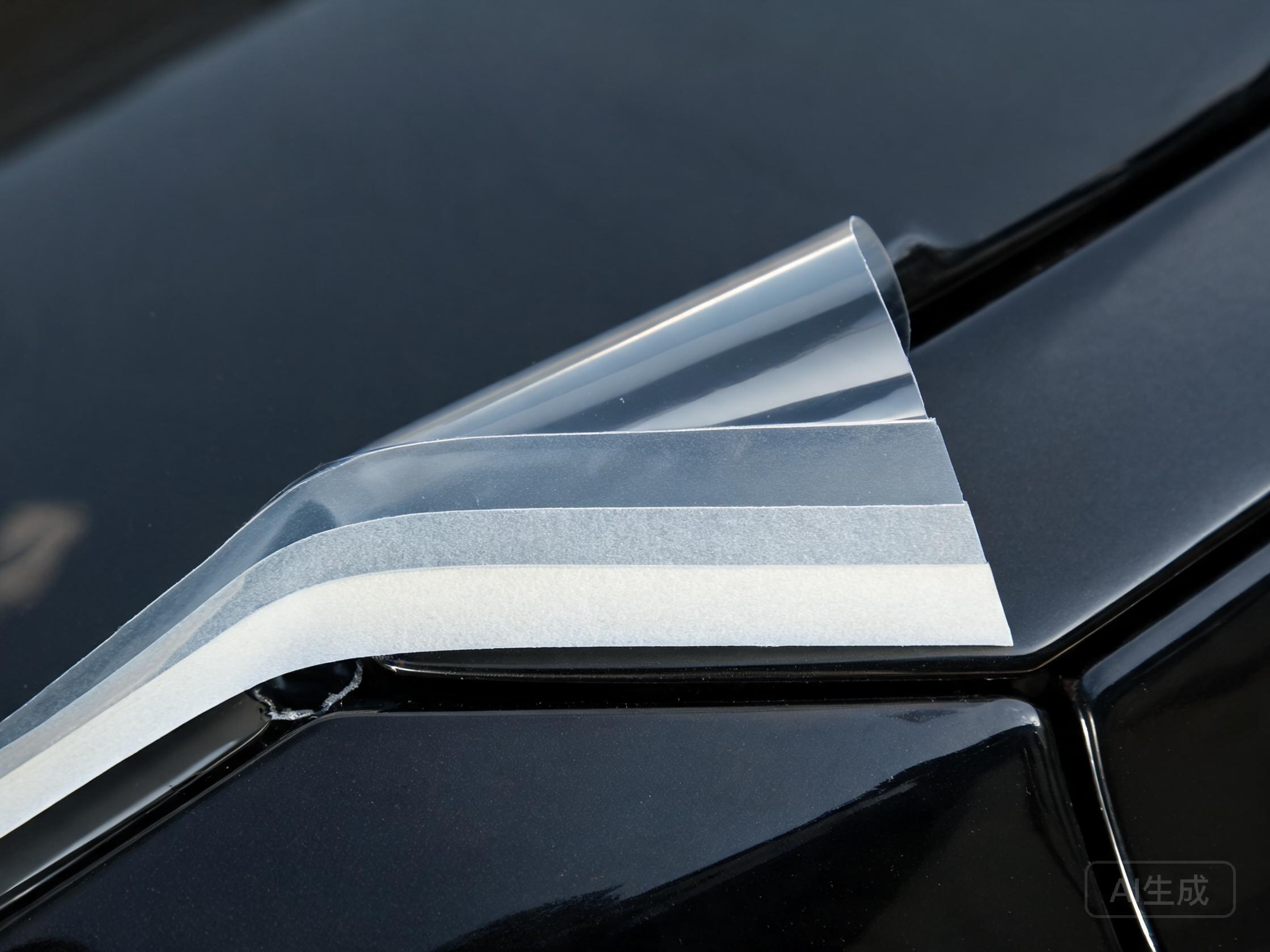
That is why the phrase “PCU vs TPU paint protection film” needs a second question: which PCU and which TPU? A finished PPF is a system made from a substrate, topcoat, adhesive, stabilizers, liner, and installation process. Two rolls carrying the same material label can still differ in clarity, stretch balance, stain resistance, hydrolysis stability, adhesive behavior, and warranty support.
What does “what is PCU car film” really ask?
In practical buying language, it asks whether the PCU name corresponds to a documented material design and a better finished product for the intended use. The answer cannot come from the label alone. Request the full layer structure, product grade, technical data sheet, finished-film inspection report, test methods, acceptance criteria, warranty exclusions, and batch or lot traceability.
For example, the supplied product workbook places the PCT75, PCT85, PCT95, and PCT120 series in a PCU PPF line with a stated 10-year warranty and published five-year yellowing limits that vary by model. Those are product-specific commercial specifications, not a universal rule that every PCU film will last ten years or resist yellowing better than every TPU film.

The “30% Better Than TPU” Problem
Why a Single Percentage Cannot Stand Alone
A statement such as “30% better overall performance than TPU” sounds precise but is incomplete. Overall performance is not one universally defined measurement. A supplier must identify the metrics, baseline product, sample construction, test method, exposure conditions, acceptance criteria, and calculation used to reach the percentage. A complete claim should identify: which metric (tensile strength, yellowing index, peel adhesion), which baseline TPU product, which sample construction (thickness, topcoat, adhesive), which test method (ASTM, ISO, internal), which exposure conditions (80°C oven, QUV chamber, outdoor Florida), which acceptance threshold, how the percentage was calculated, and which production batch was tested.
How to Read a Supplied Comparison
The supplied PCU comparison deck reports differences under listed conditions, including 85 °C and 85% relative humidity aging, QUV exposure referencing ASTM D4329-13, heat aging, and acid or alkali exposure. It reports stronger retention in several PCU samples than the comparison TPU samples. The correct reading is: the supplied deck reports a product or material comparison under its stated conditions. It does not establish that all PCU products are 30% better than all TPU products.
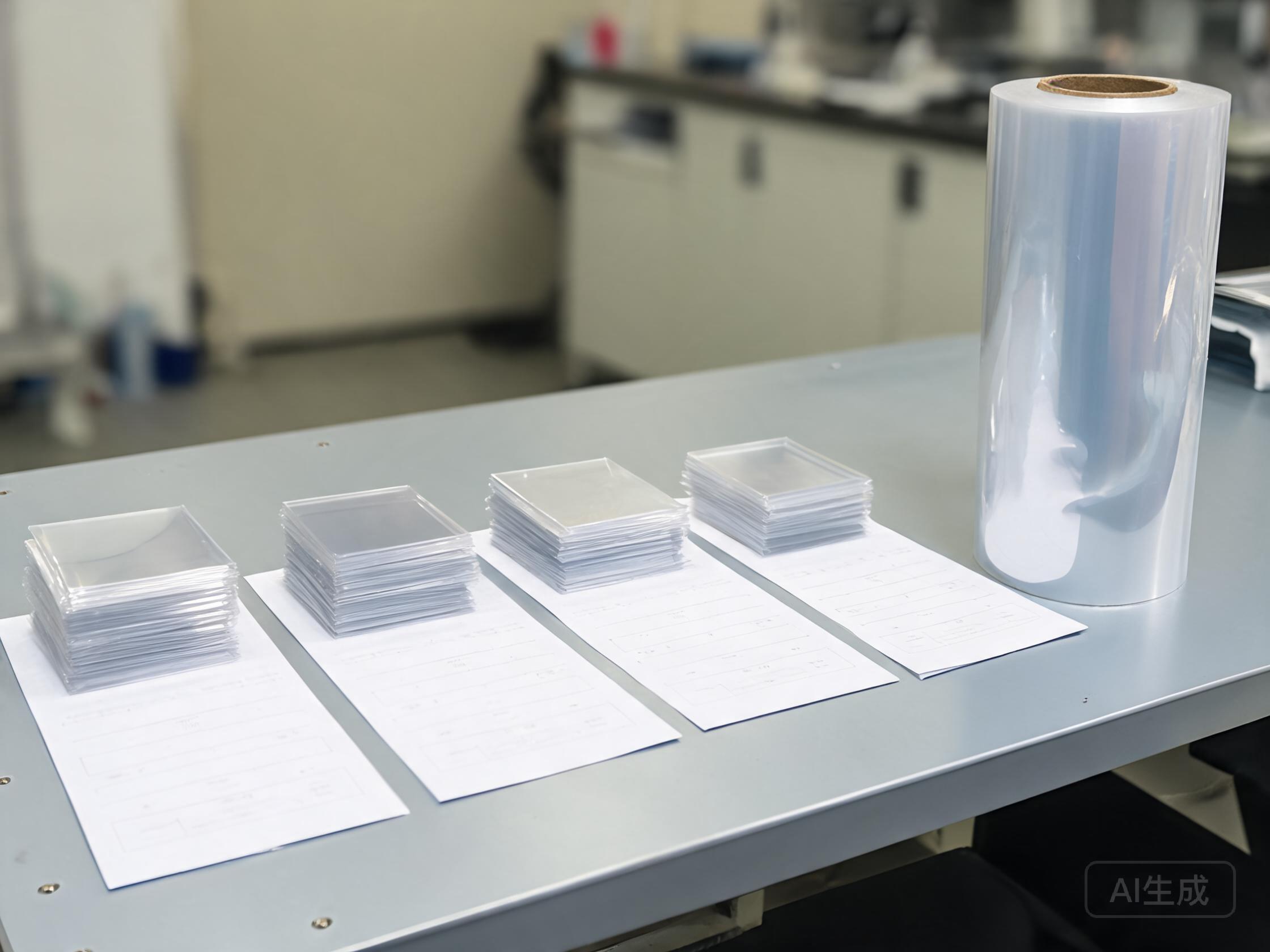
A buyer should also ask whether the comparison used the same thickness, the same topcoat, the same adhesive, the same production lot, and the same conditioning history. A material coupon can behave differently from a finished PPF. A result can be useful and still be too narrow to support a universal marketing headline.

Where PCU Ends and Modified TPU Begins
The boundary between PCU and modified TPU is not always obvious from a marketing page. Polymer families can be modified, blended, chain-extended, coated, or processed into different finished-film constructions. A trade name may describe a formulation, a performance position, or a product line rather than a globally standardized material category.
How to Evaluate a Hard-to-See Boundary
This does not make the product illegitimate. It changes how it should be evaluated. Ask the supplier to define the term in the technical data sheet, identify the substrate chemistry at the level they are willing to disclose, and connect the definition to finished-film results. If the answer is only a slogan, the label is doing more work than the evidence.
Is PPF Worth Paying For?
When the Film Earns Its Cost
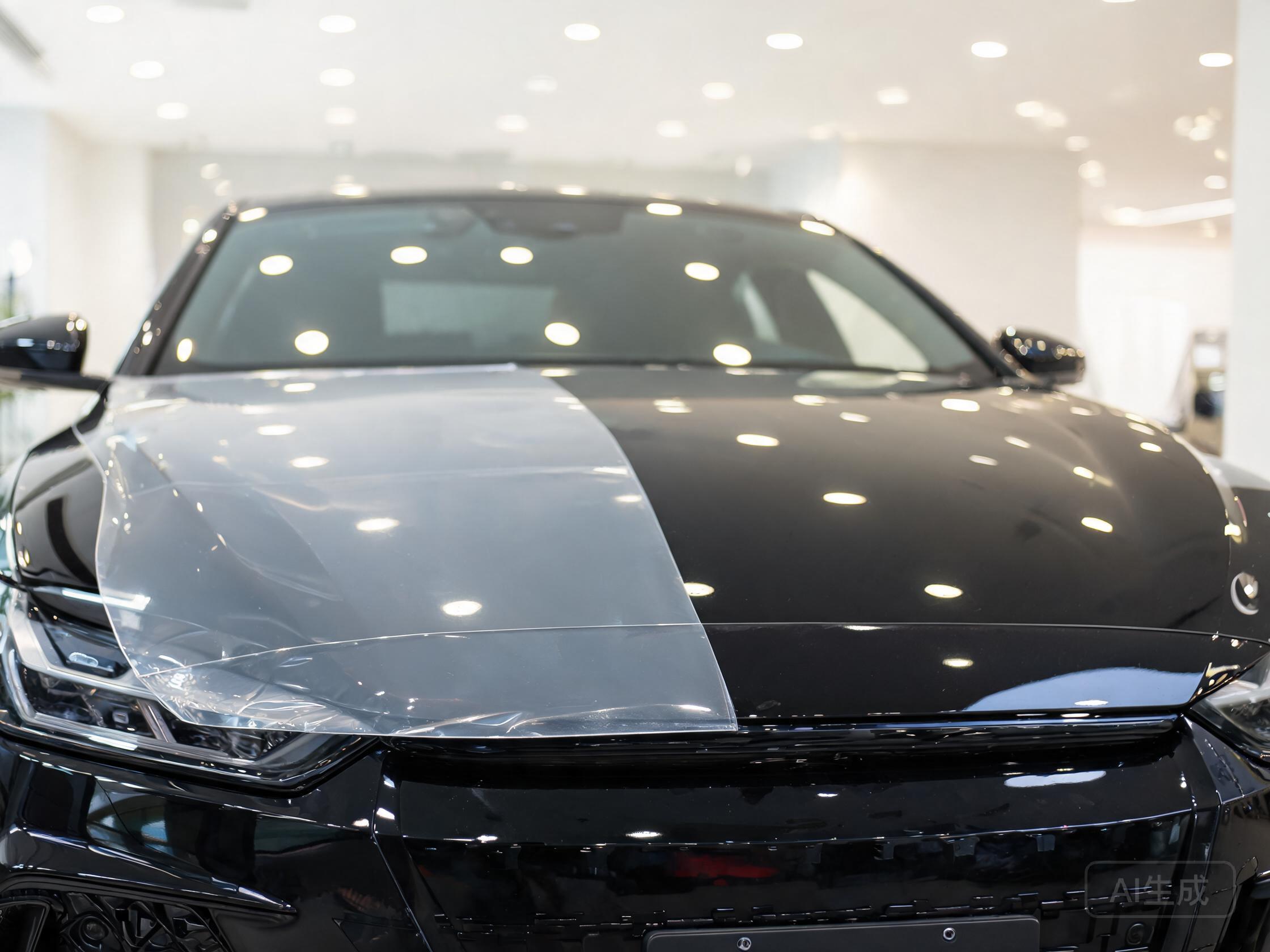
The value of PPF depends on what the owner is trying to preserve. The film is most defensible when the front bumper, hood, mirrors, rocker panels, or door edges face frequent stone chips, highway debris, narrow parking spaces, or repeated cosmetic touch-ups. The benefit is not that the car becomes immune to damage; it is that a replaceable film can take some damage before the original paint does.
Consider two examples. A new daily-driven car that spends hours on highways may justify protection on high-impact zones even if the owner does not wrap every panel. A ten-year-old car with mismatched repaint history may need a paint-condition inspection first, because adhesion, removal risk, and cosmetic expectations become more important than the material label.
Older cars did not always use PPF because ownership patterns, repaint economics, product availability, installer networks, and consumer expectations were different. Many owners accepted stone chips or repainted affected panels. Modern PPF is more visible as an option because premium vehicles cost more to refinish, transparent films are easier to market, and buyers increasingly want to preserve resale appearance. None of this makes full-car PPF mandatory.
When PPF may be poor value
PPF may be poor value when the vehicle is rarely driven, the owner expects to sell soon, the paint already needs major correction, the budget is better spent on mechanical maintenance, or the installation provider cannot explain the product and warranty. A lower-cost TPU film with a clear use case can be more rational than an expensive PCU film chosen only because the name sounds advanced.
How to Compare a PCU and TPU Film Fairly
A Fair Comparison Checklist
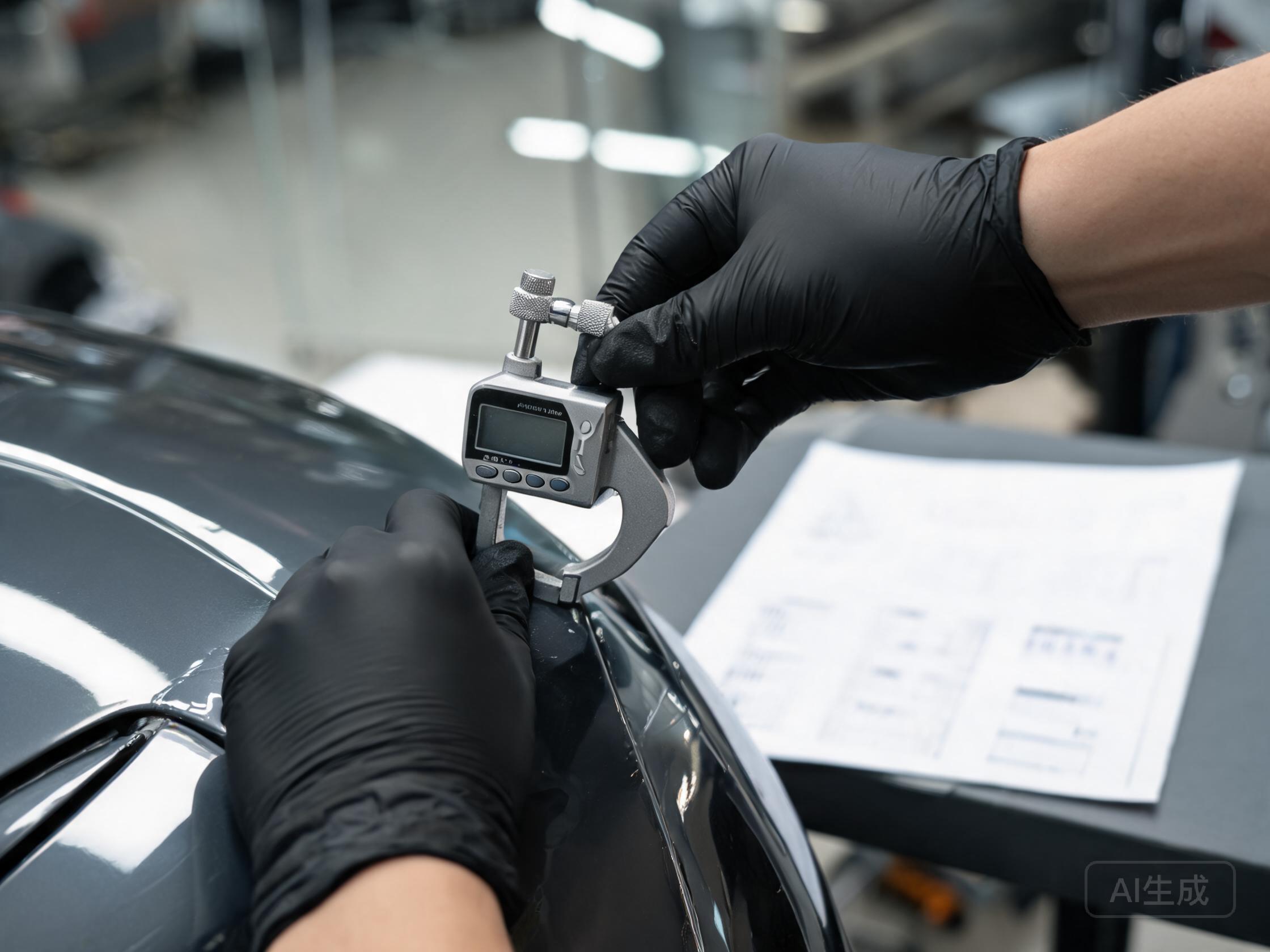
Compare finished products, not isolated resin labels. Check optical clarity, haze, gloss or matte target, thickness tolerance, tensile strength , elongation, tear behavior, stain resistance, self-healing conditions, adhesive tack and dwell-time adhesion, aging data, installation temperature, removal guidance, warranty , and support. The right comparison uses the same test method and clearly states where the samples differ.
| Question | Why it matters |
|---|---|
| What exactly is the substrate? | It identifies the structural layer and helps explain stretch, strength, and aging behavior. |
| What is tested on the finished film? | Coating and adhesive can change the result compared with a raw material sample. |
| Are conditions and methods stated? | A number without temperature, humidity, duration, and method cannot be compared fairly. |
| Is the report tied to a lot? | Traceability makes the evidence more relevant to the roll being supplied. |
| What does the warranty exclude? | Climate, maintenance, repainted panels, installation, and removal can affect coverage. |

Three Practical Buying Rules
First: treat PCU, TPU, and TPH as starting points for questions, not final answers. Second: give more weight to finished-film evidence than to a percentage claim without a public method. Third: match the coverage, grade, installer, and warranty to the car and the way it is used.
For the product lines reviewed for this article, the PCT series is positioned as PCU PPF, while the GS and MH lines are positioned as cast-grade polycaprolactone TPU PPF with different coating and warranty positioning. That portfolio structure illustrates a useful buying principle: compare the actual grade and use case, not just the first material word in the brochure.
Final Takeaway
PCU may represent a meaningful material and product-development direction, but the label is not proof of universal superiority. TPU remains a broad and useful material family, while TPH should be treated as a term that requires clarification. The reliable decision comes from the finished-film construction, documented tests, installation quality, warranty terms, and whether the protection solves a real ownership problem.
If you want to compare specifications, test evidence, and suitable PPF coverage for your vehicle, please contact SHIELD SPIRIT for a practical discussion.