











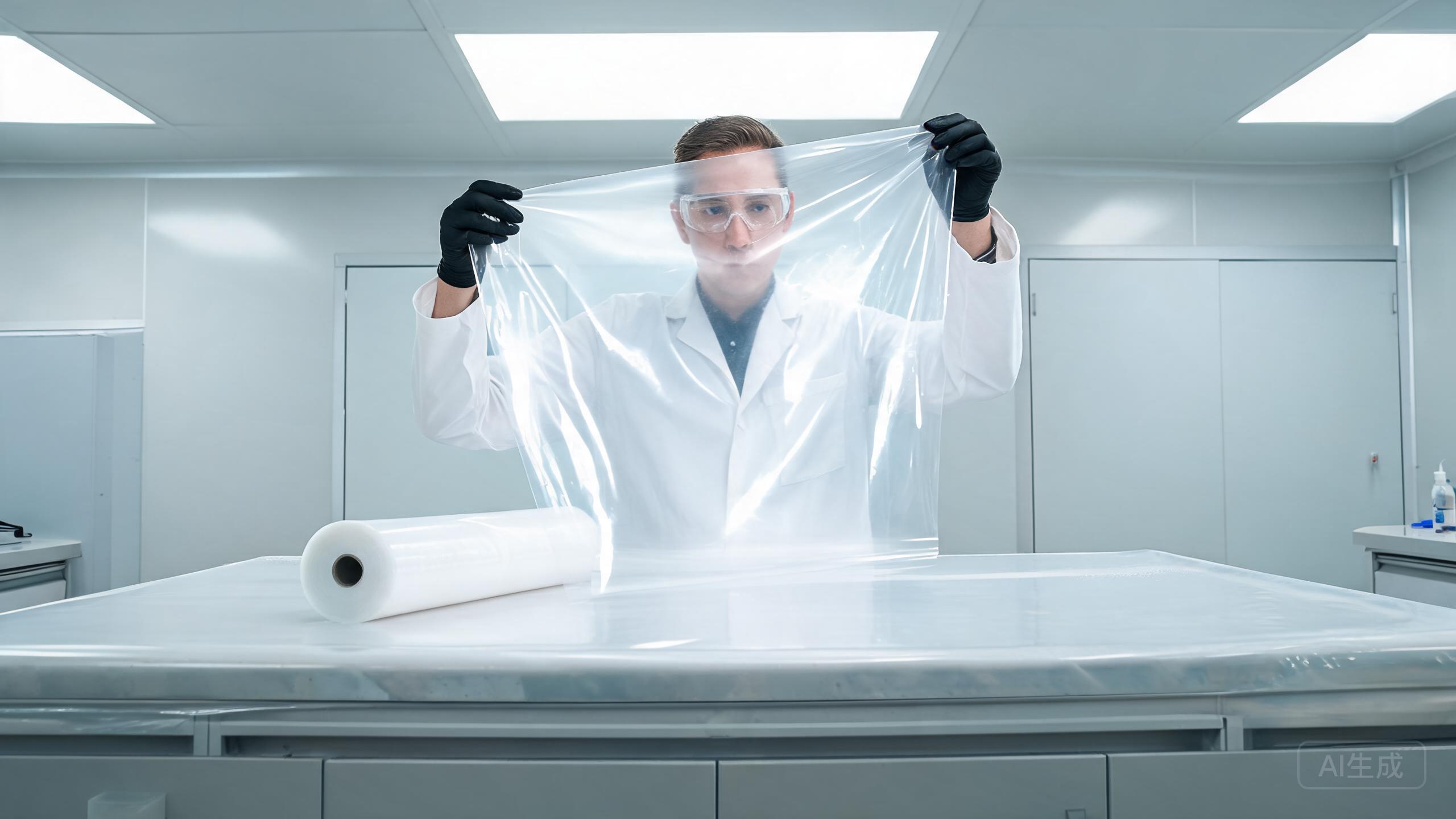
PPF Sample Approval: Test Film Before Bulk Orders
A supplier sample can look perfect and still fail to represent the film delivered in a bulk order. PPF sample approval must connect the tested roll to an exact product code, construction, batch record, acceptance criteria, and future production specification.
Direct answer: Approve a PPF sample only after confirming its identity and documents, inspecting the roll, testing installation and finished appearance on representative panels, recording measurable results, and sealing a reference sample. The purchase order should state that bulk production must match the approved specification and agreed acceptance criteria.
This process is designed for private-label brands, distributors, wholesalers, installers, and procurement teams evaluating a new PPF supplier or product grade.
What Is PPF Sample Approval?
PPF sample approval is a documented decision that a specific film sample is suitable for a defined commercial use under stated test conditions. It is not a general endorsement of every product made by the supplier.
Approval Is Product-Specific
The record should identify the supplier, product code, grade, finish, width, nominal thickness, substrate, topcoat, adhesive, liner, batch or sample number, production date, and packaging version.
Approval Is Use-Specific
A film approved for standard automotive panels in one climate is not automatically approved for matte finishes, complex curves, off-road exposure, or another climate. Define the vehicle segment, installer profile, service environment, and warranty position.
Approval Is Time-Bounded
Reapproval may be needed after a material, construction, supplier, process, packaging, or specification change. Set a review trigger instead of treating one historical sample as permanent evidence.
Why Visual PPF Sample Checks Are Not Enough
Appearance Cannot Confirm Construction
Two clear films may look similar on a small sheet while using different substrate, topcoat, adhesive, or liner systems. Ask for product-specific documentation and traceability before comparing performance claims.
A Small Swatch Hides Installation Behavior
A hand-sized swatch cannot show liner release across a full roll, handling on large panels, edge behavior, stretch recovery, adhesive marks, contamination frequency, or winding consistency.
A Demonstration Can Use Unstated Conditions
Heat, cleaners, marker pens, water contact, or scratch demonstrations can be useful screening tools, but their result depends on preparation, temperature, dwell time, force, and evaluation method. Record conditions and avoid turning a short demonstration into a durability claim.
Step 1: Verify the PPF Sample Identity

Match the Label and Documents
Check that the roll label, sample code, quotation, technical data sheet, and test report describe the same product. Resolve any mismatch before installation testing.
The PPF material test data guide explains how to connect reported values with methods, units, conditions, and acceptance limits.
Request Traceability
Ask whether the sample came from regular production, a pilot run, or laboratory preparation. Record the production or batch identifier and request the same traceability structure for bulk supply.
Confirm the Finished-Film System
Identify the substrate, topcoat, adhesive, stabilizers where documented, and release liner. A familiar resin name does not prove the behavior of the finished multilayer film.
Step 2: Inspect the Full PPF Sample Roll
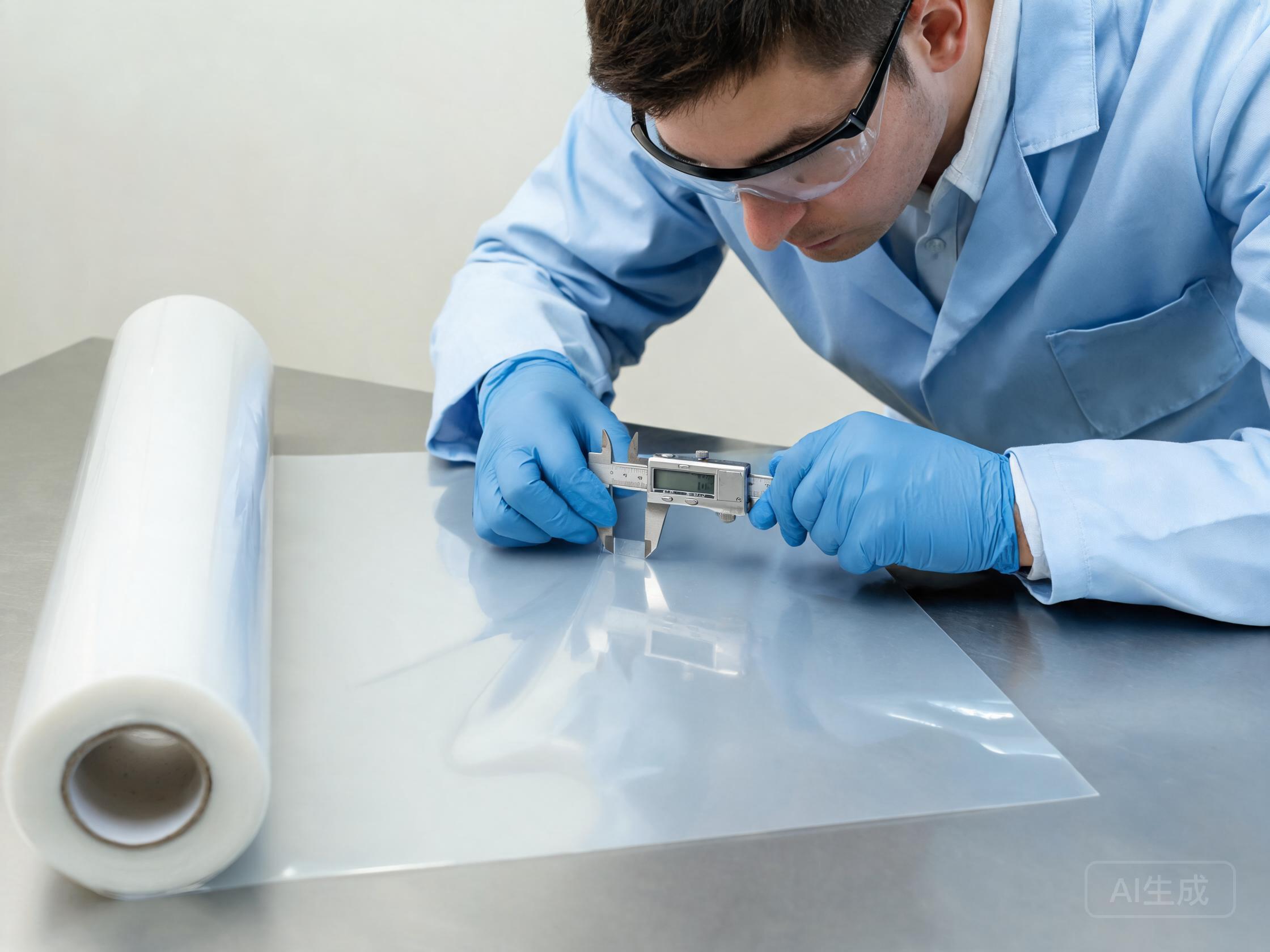
Inspect Packaging and Winding
Record carton condition, core condition, edge protection, roll alignment, telescoping, wrinkles, liner damage, contamination, and label accuracy. Packaging defects can become installation losses even when the film chemistry is acceptable.
Measure Width, Length, and Thickness
Use calibrated or verified tools where possible. Record the sampling points and whether the thickness refers to the total construction or a specific layer.
Do Not Average Away Local Defects
Several acceptable points do not excuse a visible local defect that affects a panel. Keep both numerical measurements and a defect map with roll position.
Check Optical Uniformity
Inspect clarity, haze, gloss, distortion, surface marks, coating streaks, particles, and edge condition under consistent lighting. Compare the film before and after application to a prepared panel.
Step 3: Review PPF Sample Test Evidence

Read Methods before Values
A tensile, elongation, peel, gloss, contact-angle, aging, or stain result is useful only when the method, specimen, condition, unit, and pass criterion are clear. Do not compare values produced by incompatible methods as though they were equivalent.
Separate Supplier Data and Independent Data
Supplier quality-control data can support routine production monitoring. Independent testing can add confirmation when the test scope and sample identity are controlled. The third-party PPF testing guide explains what external reports can and cannot prove.
Match Evidence to the Buying Claim
If the commercial claim concerns yellowing, stain resistance, adhesion, weathering, removal, or chemical exposure, require evidence that addresses that exact property under stated conditions.
Document Missing Evidence
A missing result is not automatically a failure, but it remains an open risk. Mark it as pending, define who will provide the evidence, and do not rewrite an unknown as a pass.
Step 4: Run a Controlled PPF Installation Trial

Prepare Representative Panels
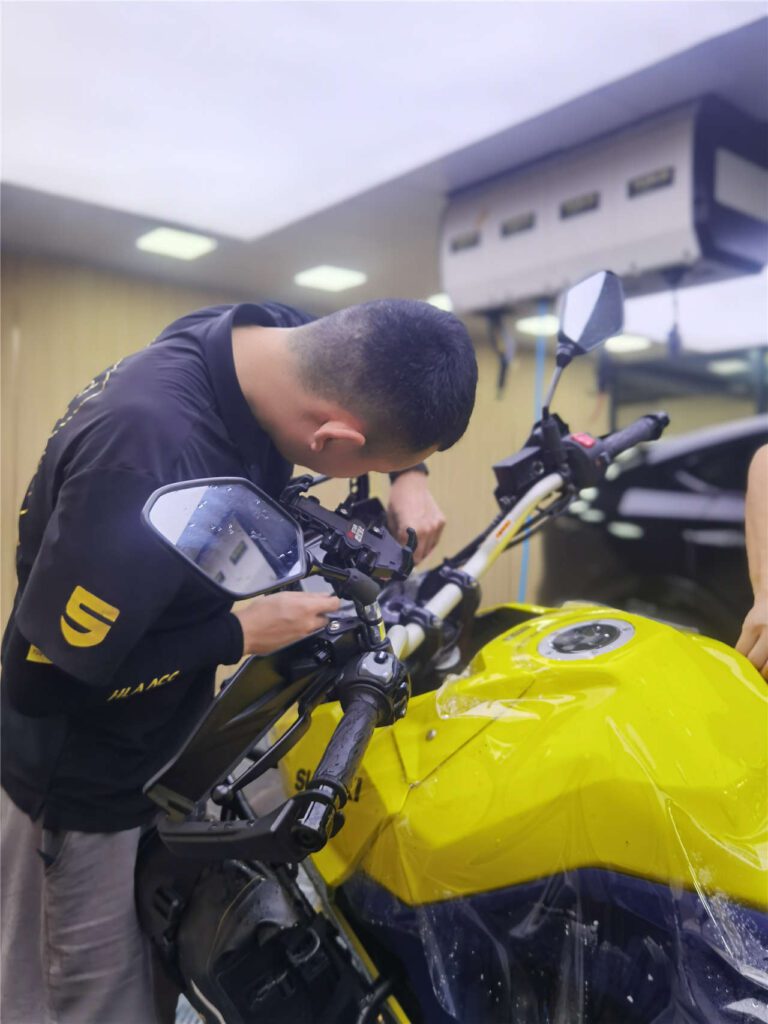
Use clean, documented substrates and include a flat panel, moderate curve, edge, recess, or other geometry relevant to the intended market. Record ambient temperature, surface temperature, preparation products, slip solution, tack solution, and installer.
Evaluate Handling
Record liner release, initial tack, repositioning, stretch response, squeegee behavior, trapped moisture, adhesive marking, lift lines, edge stability, and contamination sensitivity.
Observe after Installation
Inspect immediately and after defined intervals for haze, bubbles, edge lift, adhesive marks, surface defects, gloss change, and other visible behavior. Follow the supplier’s stated curing and care guidance.
A structured installation and maintenance workflow helps distinguish product behavior from preparation or technique.
Step 5: Test PPF Sample Appearance and Care
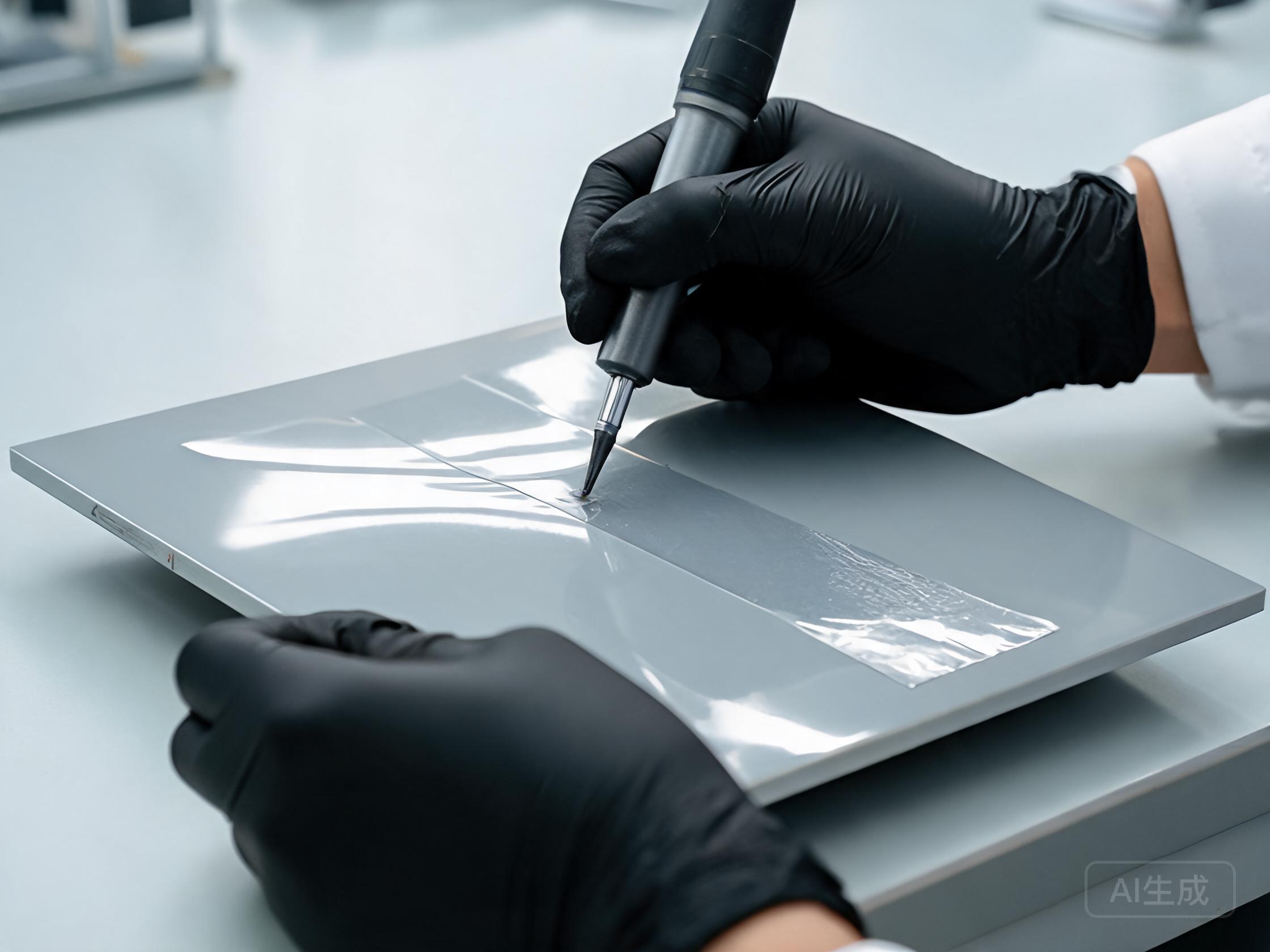
Inspect on Light and Dark Paint
Light colors can reveal contamination or color shift, while dark colors can make haze, texture, stretch marks, and gloss differences easier to see. Use more than one viewing angle and lighting condition.
Test Relevant Contaminants
Choose contaminants and cleaners that reflect the intended market, then document concentration, dwell time, cleaning procedure, and result. Avoid unsupported claims based on an improvised single exposure.
Check Repair and Maintenance Guidance
Confirm what heat, water, cleaners, sealants, or maintenance products the supplier allows. Self-healing response and surface care can vary with temperature and product construction.
Step 6: Evaluate Climate and Service Fit
Dry-Hot and High-UV Markets
Review product-specific heat and weathering data, color and gloss retention, care guidance, and warranty terms. Do not infer universal climate suitability from the substrate name alone.
Hot-Humid Markets
Review hydrolysis-related evidence where relevant, coating and adhesive stability, installation conditions, moisture exposure, storage, and packaging protection.
Cold Markets
Confirm minimum installation, storage, repair, and removal temperatures. Handling and self-healing may respond differently at lower temperatures.
Step 7: Create a PPF Sample Scorecard
| Approval area | Evidence | Decision options |
|---|---|---|
| Identity and traceability | Label, code, batch, documents | Pass, pending, fail |
| Roll inspection | Dimensions, winding, defect map | Pass, conditional, fail |
| Technical evidence | Methods, values, criteria, reports | Accepted, gap, rejected |
| Installation trial | Conditions, panels, installer notes | Pass, retrial, fail |
| Finished appearance | Photos, gloss, haze, observations | Pass, conditional, fail |
| Commercial fit | Warranty, MOQ, lead time, support | Approve, negotiate, reject |
Use Weighted Criteria
A serious defect in product identity, adhesion, optical appearance, or traceability should not be hidden by high scores in packaging or price. Define critical failures separately from weighted preferences.
Record Conditions and Evidence
Attach photos, measurements, test files, panel records, installer comments, and open questions. Name the person responsible for closing every pending item.
Set the Approval Decision
Use clear outcomes such as approved, approved with conditions, retrial required, or rejected. A conditional approval should state the exact condition and deadline.
Step 8: Seal a Golden PPF Sample
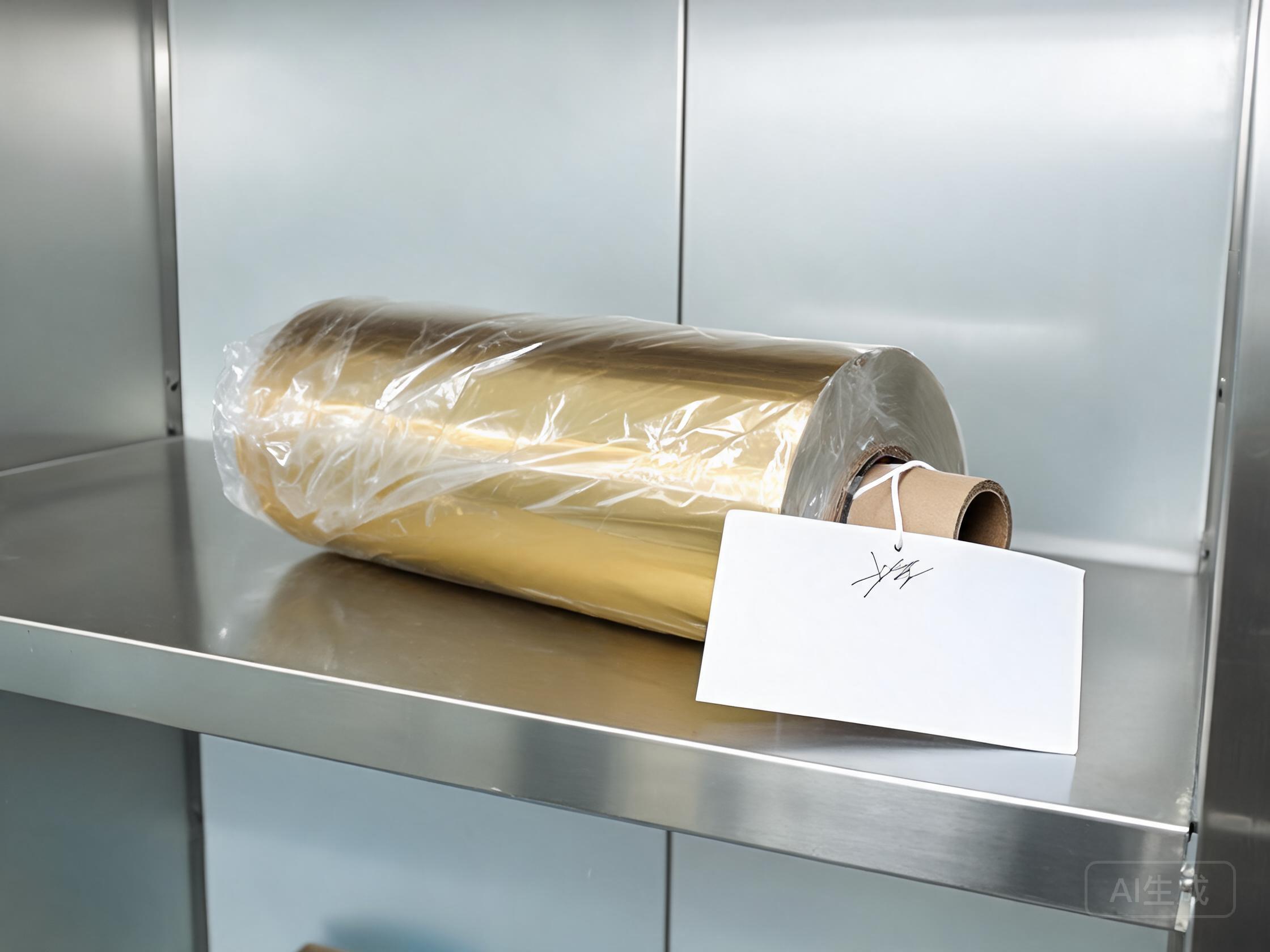
Retain Physical References
Keep an uninstalled sample and, where practical, a labeled installed panel. Protect them from contamination, heat, sunlight, and uncontrolled handling.
Link the Sample to the Specification
The golden sample should reference the approved product code, construction, version, batch, date, documents, packaging, and scorecard. The sample alone cannot replace a written specification.
Define Change Notification
Require written notice before changes to important raw materials, layer construction, coating, adhesive, liner, production site, process, dimensions, packaging, or test method.
Step 9: Connect Approval to the Bulk Order
Write Acceptance Criteria into the Purchase Order
State product identity, dimensions, packaging, labels, documents, inspection method, critical defects, sampling plan, remedies, and approval references. Avoid relying on verbal statements made during sample evaluation.
Inspect Bulk Production against the Reference
Compare incoming or pre-shipment samples with the approved specification and golden sample. The OEM PPF order-control process illustrates how approvals should remain connected to production and delivery records.
Keep Quantity Separate from Approval
Do not let a favorable discount force approval of an incomplete trial. Use the next-generation PCU PPF range and the premium TPU PPF range as product-tier references, then approve only the exact sampled grade and documented construction.
PPF Sample Approval Red Flags
The Sample Has No Product Code
An unlabeled sample cannot be reliably linked to a quotation, report, specification, or future batch. Require a traceable identity before spending time on approval testing.
The Supplier Promises Bulk Quality without a Match Rule
“Same quality” is too vague. Define measurable criteria, visual references, change notification, and the response when a batch falls outside acceptance limits.
The Test Report Covers a Different Product
Similar names, materials, or thicknesses do not prove that a report applies to the sampled film. Match product code, construction, sample identity, and report scope.
The Buyer Skips Installer Feedback
Labor, handling, rework, and finish quality affect the commercial result. Include trained installers in the approval decision instead of relying only on purchasing or laboratory review.
PPF Sample Approval Checklist
- Identify the exact sample, product code, construction, and batch.
- Match labels, quotation, TDS, reports, and warranty position.
- Inspect the full roll, packaging, winding, dimensions, and defects.
- Review test methods, units, conditions, and acceptance criteria.
- Install on representative panels under recorded conditions.
- Inspect appearance immediately and after defined intervals.
- Evaluate care, contaminants, climate, and intended service fit.
- Complete a scorecard with critical failures and open items.
- Seal a golden sample linked to a written specification.
- Reference the approval in the purchase order and bulk inspection.
PPF Sample Approval Questions Buyers Ask
How large should a PPF sample be?
Use enough material to inspect roll condition and complete representative installations. A small swatch may support initial screening, but it is usually insufficient for commercial approval.
Who should approve a PPF sample?
Include procurement, quality or technical staff, and an experienced installer. Brand and warranty owners should review claims, packaging, and commercial positioning.
Can a supplier test report replace installation testing?
No. Laboratory and production data can describe selected properties, while installation testing evaluates handling and appearance under the buyer’s defined conditions. Both serve different purposes.
What is a golden sample?
It is a retained physical reference linked to the approved product specification and records. It supports future comparison but does not replace measurements, documents, or acceptance criteria.
When should a sample be reapproved?
Reapprove after a material, construction, process, site, packaging, specification, or supplier change, and when repeated field results show that the existing approval no longer represents performance.
Approve Evidence, Not the Sales Demonstration
A robust PPF sample approval process turns a promising sample into a controlled purchasing reference. It connects identity, technical evidence, installation behavior, appearance, climate fit, and commercial requirements before volume creates financial exposure.
Approve the exact product under stated conditions, preserve the reference, and require every bulk order to remain traceable to that decision.






[…] PPF Sample Approval: Test Film Before Bulk Orders […]
[…] sample approval guide describes a way to connect evaluation with a later bulk order. SHIELD SPIRIT’s published […]
[…] the retained product sample and packaging reference together with the order file. The sample approval guide offers a useful framework for recording which trial material was accepted, how it was evaluated and […]