











Private-Label PPF Packaging: A Buyer’s Control Guide
A polished carton can still create expensive failures if it carries the wrong model, hides a mixed batch, crushes the roll, or makes claims that the film cannot support. Private-label PPF packaging is therefore not decoration added after production; it is a controlled part of product identity, protection, traceability, compliance, and customer experience.
Direct answer: Define a written packaging specification before ordering. Approve the structural pack, dimensions, core and end protection, label fields, artwork, language, codes, claims, batch and roll identifiers, carton marks, packing method, inspection criteria, master samples, and change process. Then verify a printed sample before mass production and inspect the finished packaging against the exact approved version before shipment.
This guide helps private-label brands, distributors, wholesalers, procurement teams, and PPF manufacturers turn packaging into a repeatable quality control rather than a last-minute artwork task.
Why Private-Label PPF Packaging Controls More Than Appearance
Packaging Protects the Roll
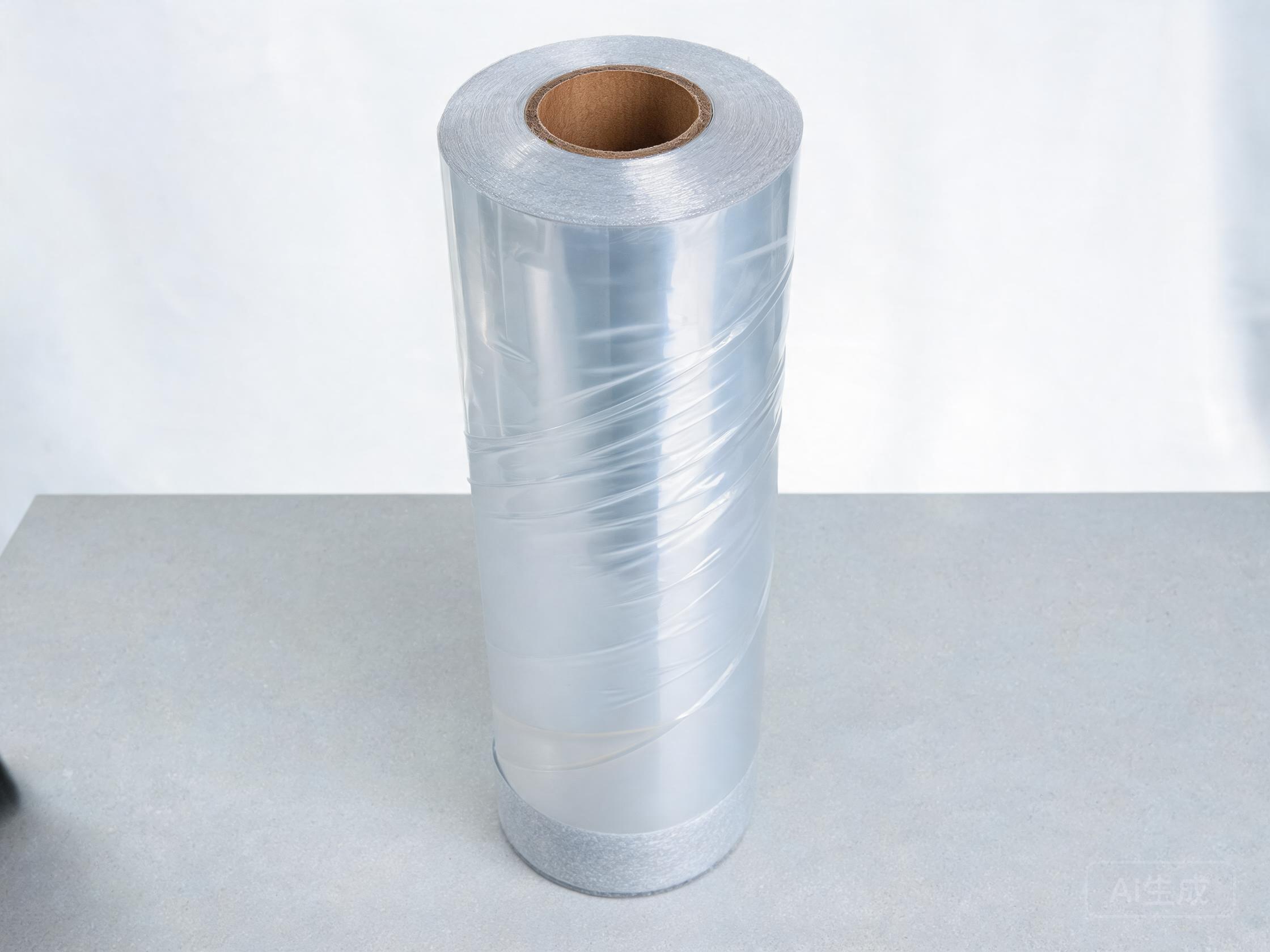
The bag, core, end caps, carton, inserts, wrap, pallet, and handling marks must protect the roll against dust, moisture, impact, edge damage, core deformation, and uncontrolled movement. Visual design cannot compensate for weak structural protection.
Packaging Identifies the Product
A buyer should be able to distinguish series, model, finish, width, length, thickness description, batch, roll, and warranty tier without opening the film. Clear identity reduces warehouse picking errors and installer confusion.
Packaging Carries Brand and Market Risk
Logos, performance claims, warranty language, origin statements, safety information, contact details, and environmental marks can create commercial or regulatory exposure. Every printed statement should have an owner and documented approval.
Write the Private-Label PPF Packaging Specification First
Define Every Packaging Component
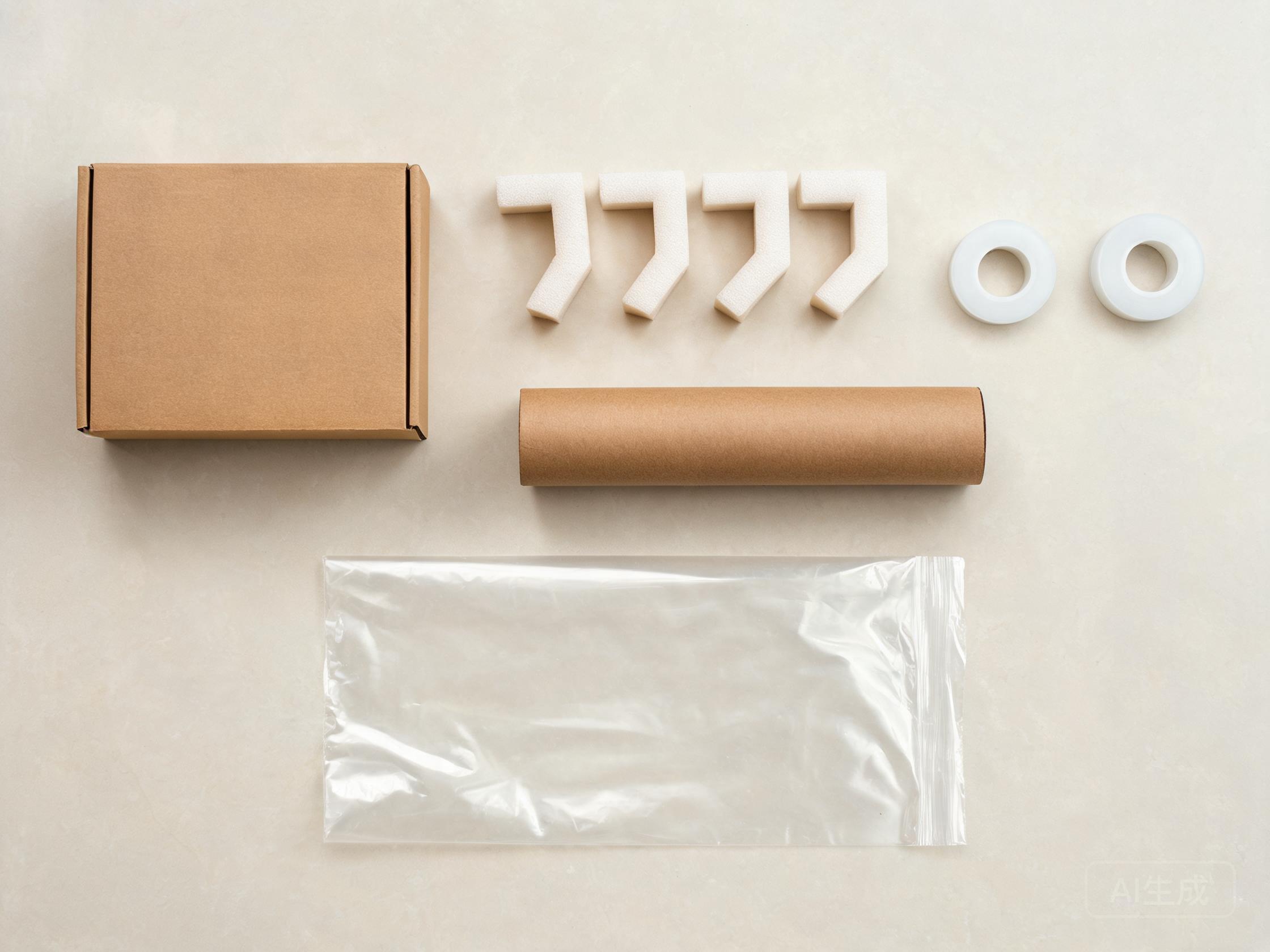
List the approved core, protective bag, end caps, inner supports, carton board, closure, labels, printed inserts, outer marks, pallet, corner protection, stretch wrap, and moisture controls. Specify dimensions, tolerances, material, color, print method, location, and approved alternatives where relevant.
Connect the Specification to the Exact Film
The document should identify the product series, model, finish, roll dimensions, roll weight range, liner, and intended shipping configuration. One generic packaging sheet may not safely cover rolls with different widths, lengths, cores, weights, or surfaces.
Control the Interface between Core and Carton
Core size, roll diameter, end support, clearance, and carton strength work as a system. Excess movement can damage edges, while excessive pressure can deform the core or winding.
Set Measurable Acceptance Criteria
Replace words such as good, strong, premium, or neat with observable criteria. Define permitted print variation, label position, barcode readability, carton damage limits, closure integrity, package dimensions, package weight, roll movement, and required photographs.
The packaging scope and setup cost should be agreed during PPF MOQ planning because custom cartons, labels, inserts, and print runs can each have different minimum quantities.
Design PPF Labels for Identity and Traceability
Use a Controlled Product Name and Code
Choose one approved model name and one unique product code for each sellable configuration. Keep those identifiers consistent across the roll label, carton, packing list, invoice, warehouse system, warranty record, and customer catalog.
Include Batch and Roll Identifiers
Use human-readable text and, where useful, a machine-readable code for batch and roll identity. The code should resolve to production, inspection, packaging, shipment, customer, and complaint records without exposing confidential factory data unnecessarily.
State Dimensions and Finish Clearly
Show the nominal width, length, finish, and other buyer-approved identifiers in a consistent unit format. Avoid layouts that let similar clear, matte, black, or specialty products look identical in the warehouse.
Do Not Let a Barcode Replace Visible Text
Warehouses and installers need basic identity even when a scanner, network, or database is unavailable. Print the critical product, batch, roll, and dimension data in readable text as well as encoded form.
Make Codes Unique and Testable
Define the barcode or QR standard, data syntax, quiet zone, size, contrast, print quality, duplication rule, and verification method. Test codes on actual printed material and curved roll labels, not only on a screen proof.
The identity design should follow the same chain described in the PPF batch traceability guide so packaging supports investigation instead of becoming a disconnected branding layer.
Approve Private-Label PPF Artwork without Unsupported Claims

Create a Claims Register
List every statement about material, thickness, self-healing, stain resistance, hydrophobicity, yellowing, durability, warranty, origin, sustainability, certification, or supplier relationship. Link each claim to product-specific evidence, approved wording, market, language, and review owner.
Keep Material Language Precise
PPF performance comes from the complete construction, including substrate, topcoat, adhesive, liner, stabilizers where documented, manufacturing, and installation. A material-family name alone should not be used as proof of universal performance.
Separate Marketing Copy from Warranty Terms
Packaging should not promise broader coverage than the written warranty. Align duration, exclusions, registration, care, installation requirements, transferability, claim process, and geographic scope before printing.
Verify Language and Local Requirements
Use qualified review for translations and destination-specific labeling. Confirm legal entity, contact, origin wording, units, symbols, disposal marks, warnings, and other required information for each market rather than copying one global carton.
Build a Reliable Packaging Artwork Workflow

Use One Source File and Version Code
Maintain a controlled artwork package with editable source, print-ready output, linked fonts or outlined text as agreed, color references, dieline, dimensions, finishes, and version identifier. Prevent sales teams and factories from sending separate unofficial files.
Define Technical Print Requirements
Specify color system, acceptable color reference, resolution, bleed, safe area, dieline layer, overprint rules, barcode requirements, varnish or lamination, spot colors, and file format. The printer should confirm limitations before approval.
Run Content and Prepress Reviews Separately
Content review checks names, claims, languages, identifiers, contact information, and warranty wording. Prepress review checks dimensions, folds, cuts, bleed, color separations, image quality, code readability, and production feasibility. Both approvals are necessary.
Record Final Approval
The approval record should identify the artwork version, packaging specification version, approver, date, scope, exceptions, and production quantity. A message saying looks fine without an attached version is weak release evidence.
Approve a Physical PPF Packaging Sample

Do Not Rely Only on a PDF Proof
A digital proof cannot prove carton fit, board strength, color on the final substrate, fold alignment, label adhesion, barcode readability, surface finish, odor, closure, or roll movement. Review a physical sample made as close as practical to the production process.
Pack the Actual Roll Configuration
Test the approved film width, length, core, end protection, and expected roll diameter. Check loading and removal, edge clearance, movement, center support, carrying, stacking, opening, and resealing where applicable.
Sign a Golden Sample
Retain an approved physical sample or controlled reference set at the brand and manufacturer. Mark version, date, approvers, acceptable deviations, and any elements that remain subject to production tolerance.
The physical pack should be released through the same disciplined PPF sample approval process used to prevent an attractive sample from becoming an unverified bulk assumption.
Inspect Private-Label PPF Packaging during Production

Verify Incoming Packaging Materials
Check cartons, labels, cores, bags, inserts, and printed components against purchase specifications and approved versions before they reach the packing line. Quarantine mixed or obsolete artwork.
Control Line Clearance
Remove prior product labels, cartons, inserts, and loose printed materials before a new model or brand run begins. Record the clearance and confirm that the correct film, labels, and cartons are present.
Inspect First-Off Packages
Approve the first completed packages for product identity, artwork version, print, code scan, label position, package construction, contents, dimensions, weight, closure, and appearance before full production continues.
Use In-Process and Final Sampling
Define sample frequency and acceptance rules based on order size, risk, historical defects, and customer requirements. Record defects by type so corrective action targets the process rather than only replacing visible bad cartons.
Pack PPF Rolls for Warehouse and Export Handling

Prevent Roll Movement and Edge Contact
Use supports designed for the roll and route. The film edge, liner, and roll face should not become load-bearing surfaces during carrying, stacking, vibration, or transfer.
Control Carton and Pallet Loads
Specify carton orientation, maximum stack, pallet pattern, overhang limit, corner protection, restraint, and top-load restrictions. Validate the arrangement against roll weight, carton strength, transit duration, climate, and handling method.
Protect against Moisture and Contamination
Keep protective bags sealed and packages clean and dry. Define moisture controls when justified by the route and product guidance, while avoiding unsupported claims that one packaging component makes every shipment climate-proof.
Make Handling Marks Operational
Use clear orientation, keep-dry, fragile, stacking, lifting, or other approved marks only when the warehouse and carrier instructions support them. A symbol has little value if the load plan contradicts it.
Structural packaging should be validated for the exact roll configuration being sold. For example, a premium TPU PPF range should use product-specific dimensions, winding, core, protection, and shipping controls rather than a generic carton assumption.
Connect Packaging to Import and Customer Records
Match Carton Marks to Shipment Documents
Product codes, package numbers, batch references, quantities, dimensions, weights, and destination marks should agree with the packing list and approved shipping data. Resolve conflicts before export custody begins.
Keep Customer-Facing Identity Consistent
The package, website, catalog, invoice, warranty registration, installer guide, and support system should use compatible product names and claims. Inconsistent identity weakens search, service, and complaint handling.
Preserve Evidence at Dispatch and Receipt
Photograph approved package faces, labels, pallet condition, loading, seals where used, and delivery exceptions according to the control plan. Link the evidence to the exact shipment and package identifiers.
Control Private-Label PPF Packaging Changes
Define Which Changes Need Approval
Require approval for changes to structure, material, supplier, dimensions, core, protection, artwork, color, claims, language, codes, label position, print process, pallet pattern, or other controlled characteristics.
Assess Product and Inventory Impact
Determine which models, markets, open orders, finished goods, spare packaging, catalogs, websites, warranty records, and customer commitments are affected. A small artwork edit can create mixed identity across the channel.
Plan Version Transition
Set the last-use rule for old stock, first production lot for the new version, segregation method, customer notice, record update, and destruction or rework authorization. Avoid unplanned mixing unless it is explicitly accepted and traceable.
Verify the First Changed Batch
Repeat first-off inspection and physical fit checks after an approved change. Record that the new version, not merely the change request, was implemented correctly.
Private-Label PPF Packaging Checklist for Buyers
- Approve a component-level packaging specification for each relevant roll configuration.
- Define measurable dimensions, tolerances, materials, print, protection, and acceptance criteria.
- Use unique product, batch, roll, carton, and artwork-version identifiers.
- Print essential identity in readable text as well as machine-readable codes.
- Maintain a claims register tied to product-specific evidence and warranty terms.
- Review language, origin, contact, symbols, and destination requirements before printing.
- Control source files, dielines, print-ready outputs, color references, and approval versions.
- Approve a physical package using the actual roll configuration.
- Retain a signed golden sample or controlled physical reference.
- Perform incoming, line-clearance, first-off, in-process, and final inspections.
- Validate carton, pallet, moisture, contamination, stacking, and handling controls.
- Match package identities to packing, shipment, receiving, inventory, and warranty records.
- Require documented approval and transition planning for every controlled change.
Private-Label PPF Packaging Questions Buyers Ask
Who should own PPF packaging approval?
Use named owners for brand, product, quality, operations, legal or compliance review, and supplier production. One coordinator may manage the workflow, but no single department should approve technical protection, claims, market requirements, and print execution without the relevant reviewers.
Should buyers approve artwork before ordering film?
Approve the packaging concept, costs, timing, and required data before the purchase order. Final artwork and physical samples may follow controlled product and market inputs, but mass printing should not begin without formal release.
Can one carton design cover every PPF model?
A visual system can be shared, but structural fit, dimensions, weight, protection, labels, claims, finish, warranty, and destination data may differ. Validate each sellable configuration rather than assuming one universal pack.
How should a brand handle leftover old packaging?
Record the quantity, affected models, claims, markets, and reason for change. Authorize controlled use, over-labeling, rework, return, or destruction, and preserve traceability through the transition.
What packaging evidence helps with a claim?
Useful evidence includes specifications, artwork versions, approvals, golden samples, inspection records, code-verification results, production and batch identity, packing photos, pallet records, shipment condition, receiving photos, retained packaging, and complaint samples.
Make Every PPF Package a Controlled Product Record
Private-label PPF packaging succeeds when it protects the roll, tells the truth, identifies the exact product, survives the route, supports inventory, and preserves the evidence needed for service. A premium-looking box without those controls is only a marketing surface.
Before the next order, freeze the structural specification, label data, artwork version, claims, physical sample, inspection plan, logistics configuration, and change rules. Brands evaluating an OEM partner can begin with the SHIELD SPIRIT PPF manufacturing platform and require every approved detail to remain connected to the shipped roll.







[…] Private-Label PPF Packaging: A Buyer’s Control Guide […]