










PPF Warranty Claims: What Buyers Should Document
A warranty claim can fail even when the film looks defective. Buyers often send a close-up photograph, a purchase date, and an angry message, but omit the evidence that separates a product issue from installation, storage, maintenance, or vehicle-use damage. That gap matters whether you purchased from a local installer, a PPF OEM supplier, China PPF suppliers, or a wholesale PPF supply program.
PPF warranty claims need traceable evidence
A useful claim file answers one question in sequence: what happened, where it happened, when it appeared, what changed before it appeared, and which warranty condition may apply? The decision should be evidence-led. A warranty is a product-specific promise under stated conditions, not a general guarantee against every visible change.
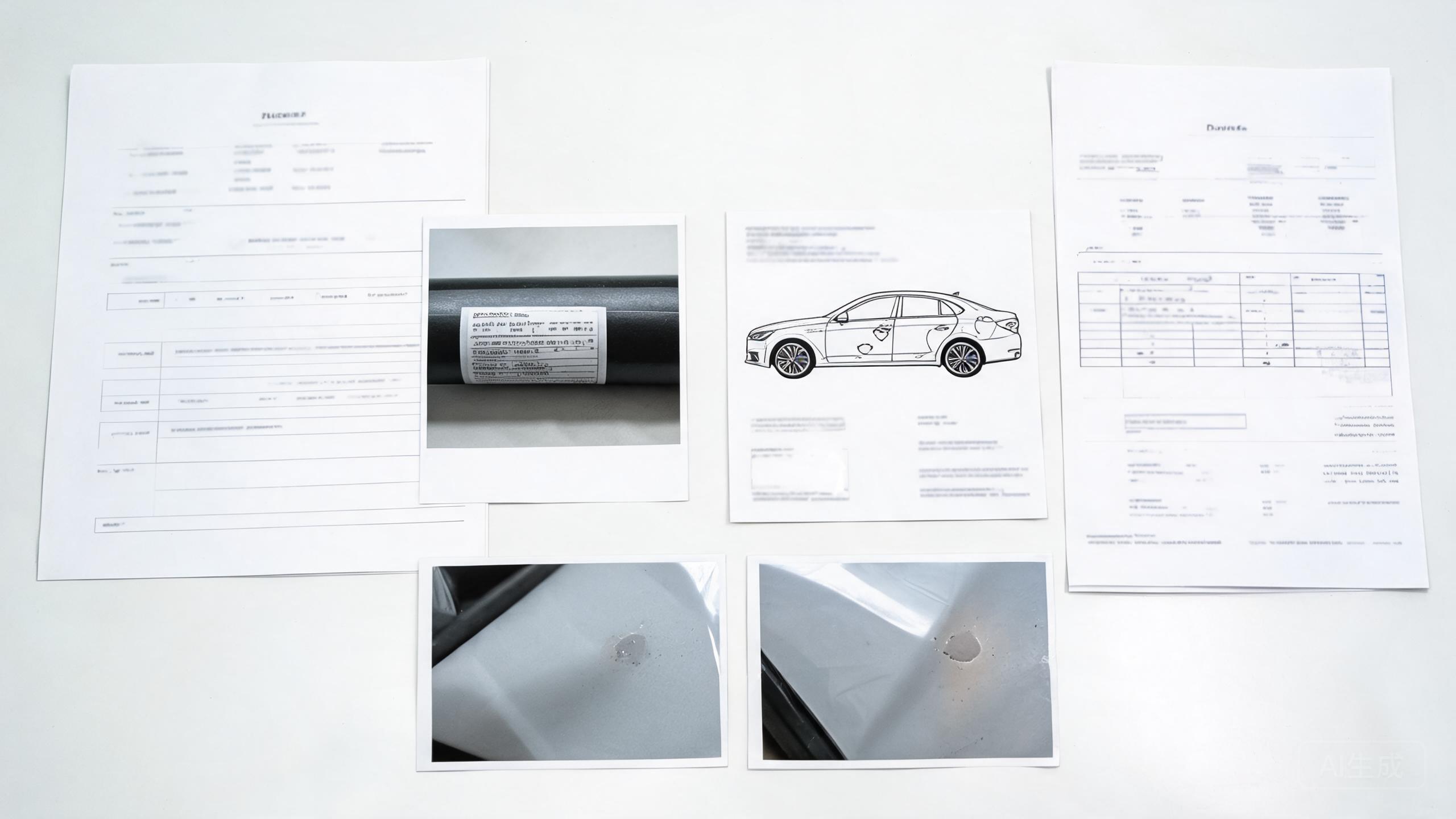
Assumed scenario for this guide
Assumption: A buyer has installed clear PPF on a daily-driven vehicle, has noticed edge lifting, localized staining, or unusual yellowing, and wants the supplier to review the case. The buyer still has the invoice, installation record, and at least one unused or identifiable roll label. If any of these facts differ, label the difference before drawing a conclusion.
The four possible evidence outcomes
Evidence usually moves the case toward one of four outcomes: a likely film or batch issue, a likely installation issue, a likely care or exposure issue, or an unresolved case that needs inspection or testing. A prior third-party PPF testing guide explains why supplier data and field evidence should be compared rather than treated as interchangeable. This classification keeps the first conversation factual and helps the buyer ask the right remedy question.
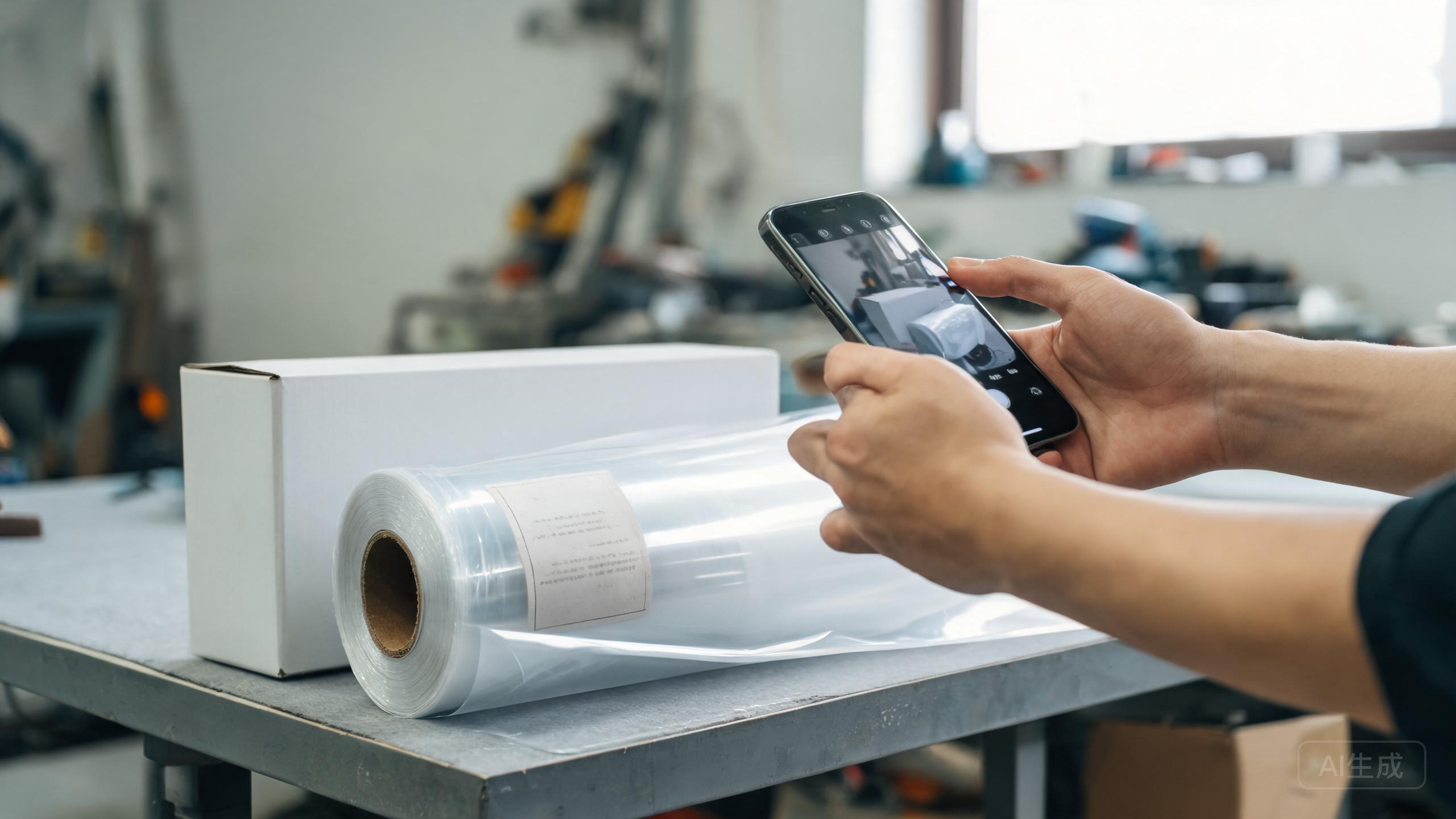
Document the product identity before photographing the defect
Warranty reviewers need to know which film they are assessing. Record the brand, series, model, finish, advertised warranty term, purchase order, roll number, batch or lot code, and installation date. A product name alone is weak evidence because a supplier may sell several grades with different substrate, topcoat, adhesive, care, and warranty conditions.
Record the commercial chain
Keep the quotation, invoice, packing list, payment record, delivery date, and the name of the seller or installer. If the purchase passed through a distributor, record both the distributor and the manufacturing contact. For buyers comparing an OEM program with wholesale PPF supply, this chain can establish who issued the warranty and who is responsible for inspection.
Capture film and packaging identifiers
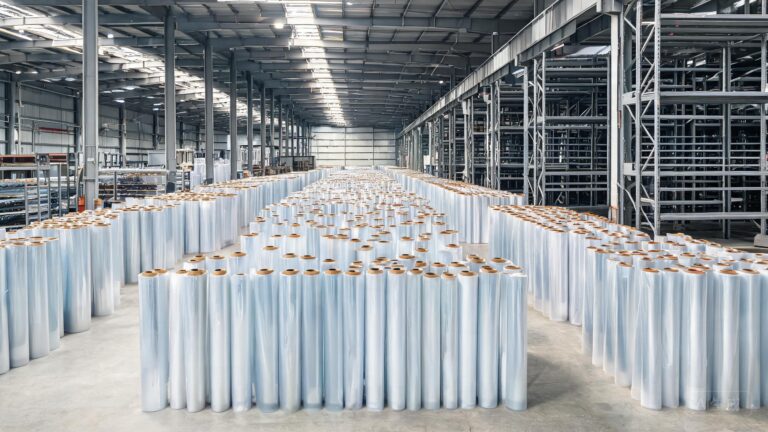
Photograph the roll label, carto
n label, liner markings, model sticker, and any installation certificate before packaging is discarded. Include a wider image showing how the label relates to the roll. Connect those identifiers to the vehicle using the principles in our PPF batch traceability guide before packaging records disappear. Preserve the original label and redact personal information before sharing files publicly.
Build a time-stamped visual record
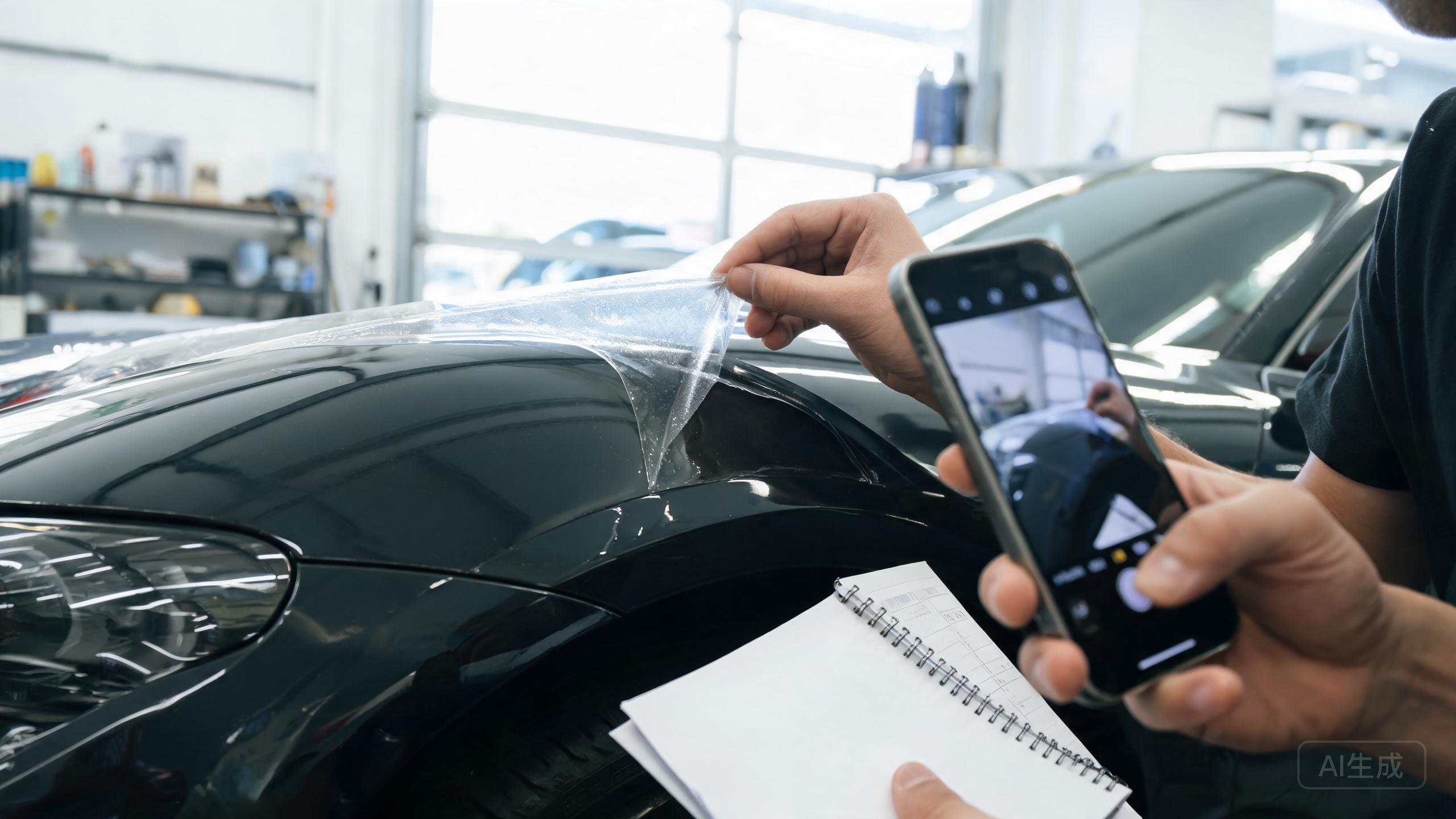
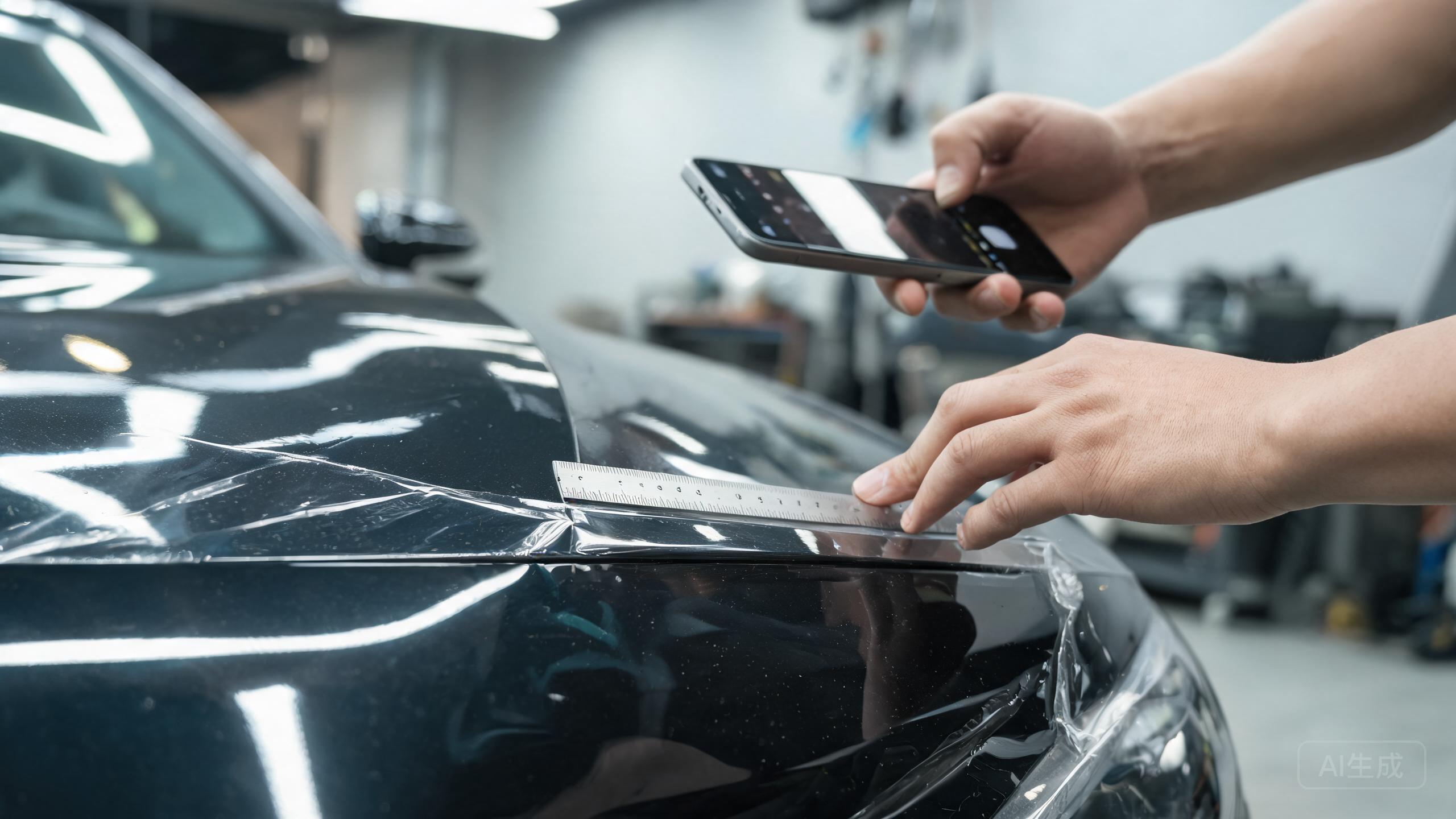
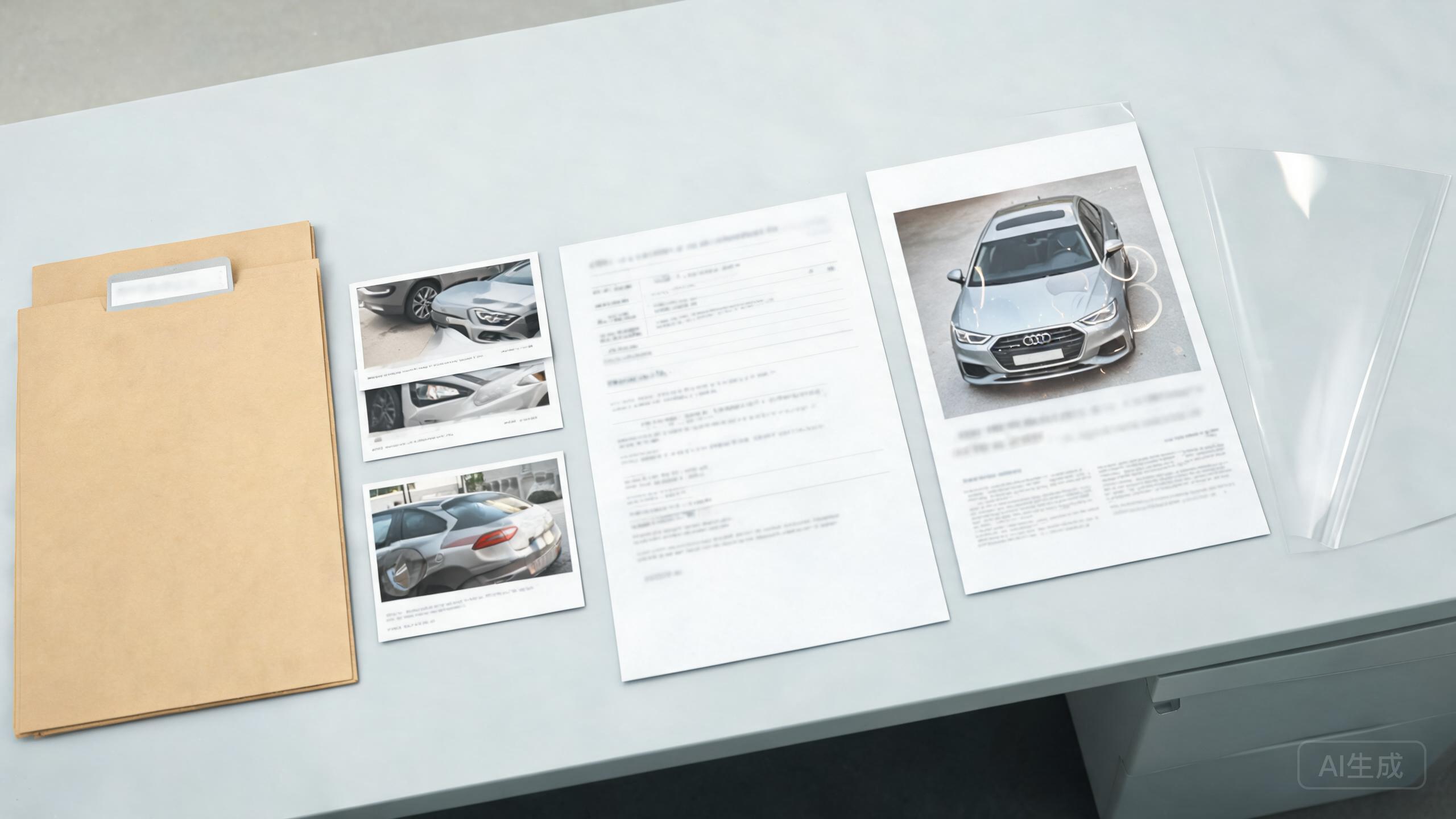
Photographs should let a reviewer locate the issue and compare it over time. Take an overview image of the vehicle panel, a medium image showing the defect in context, and close-ups with a scale reference. Use consistent lighting and camera distance. Keep original files with metadata where possible, and do not edit out reflections, dirt, or surrounding paint.
Photograph the defect at three distances
The overview establishes panel location. The medium image shows whether the issue follows an edge, contour, stone impact, seam, or installation pattern. The close-up records the visual character of the problem: whitening, bubbling, cracking, lifting, adhesive residue, staining, haze, or color change. Photograph an unaffected neighboring area under the same conditions for comparison.

Record conditions that can change the appearance
Write down the date, approximate temperature, recent weather, washing method, chemicals used, parking exposure, and whether the panel was warm or wet when photographed. Some marks change after cleaning or gentle heat, while others remain. The record should describe what was observed rather than assert a cause that has not been tested.
Separate film evidence from installation evidence
Many disputes turn on the boundary between the film system and the installation. Edge lifting along a difficult contour, trapped contamination, uneven stretch, excessive solution, poor edge wrapping, and early washing may point toward installation or aftercare. A repeated defect across unrelated panels, matching rolls, or vehicles may justify a deeper product or batch review.
Check pattern, location, and repetition
Map each affected panel on a simple vehicle diagram or annotated photograph. Note whether the defect is concentrated at edges, around sensors, on high-impact zones, or across broad flat areas. Compare the timing and location with other installations using the same roll. Pattern evidence is more persuasive than a single dramatic photograph.
Preserve the installer record
Ask for the installation date, installer name, product model, roll or batch used, panel list, preparation steps, cure instructions, and any pre-existing paint condition noted at intake. Compare the record with the applicable product instructions and our PPF installation and maintenance guide to identify missing details. Keep written messages as well as notes of phone calls.
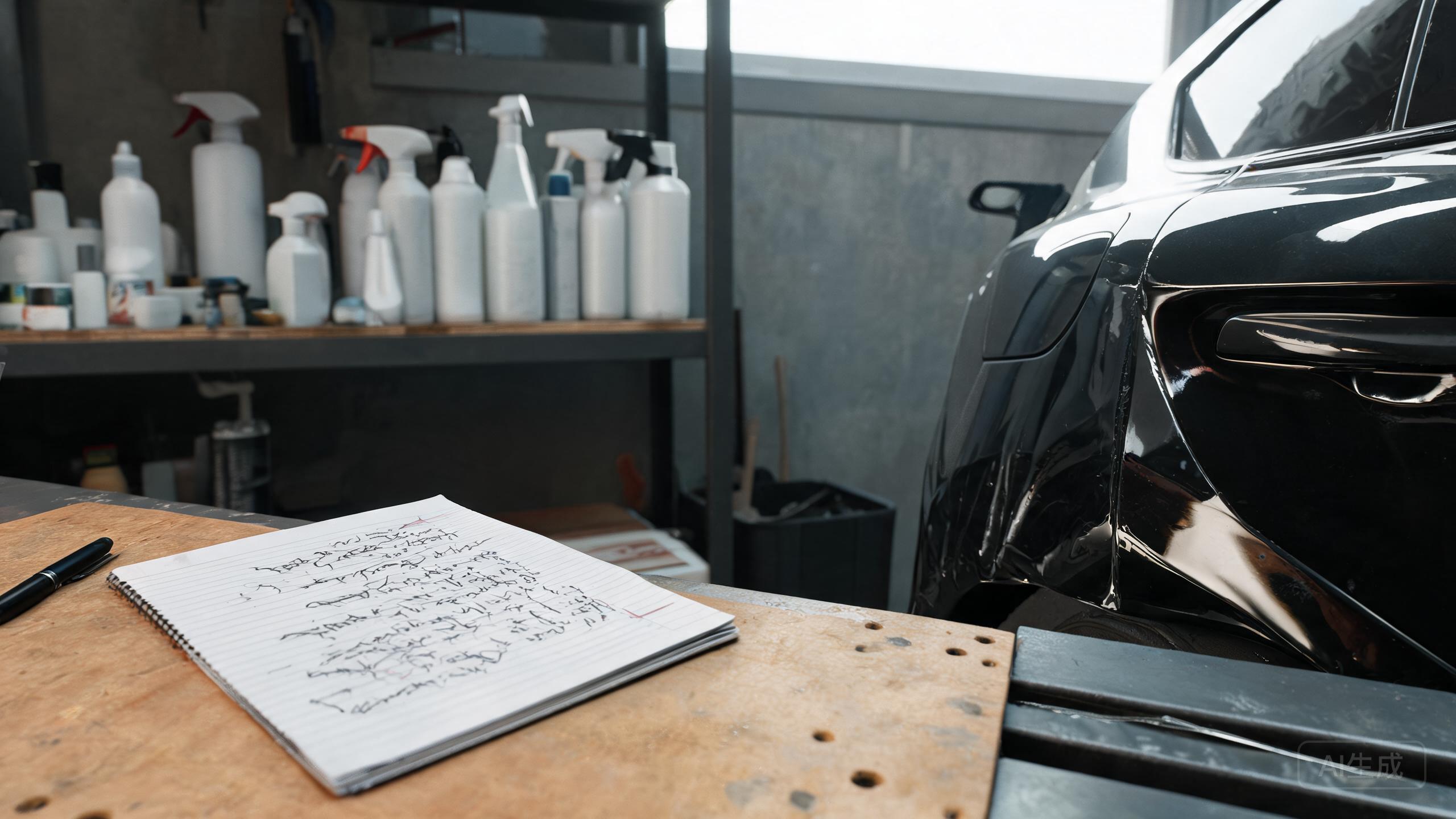
Evidence that often points to installation
Examples include lifting limited to exposed edges, contamination trapped under isolated areas, stretch marks aligned with a complex curve, or a defect that appeared immediately after installation. These clues do not prove installer fault. They identify the questions an inspection should answer.
Evidence that merits product review
Examples include the same abnormal appearance on multiple panels with different geometry, a defect appearing within comparable conditions across several vehicles, or a result that conflicts with the product’s documented warranty and care instructions. Keep the wording conditional until the supplier or an independent examiner reviews the evidence.
Collect maintenance and exposure evidence
Care history matters because the topcoat and adhesive respond to cleaning chemicals, heat, contamination, abrasion, and storage conditions. Preserve product names and dilution instructions for wash chemicals, degreasers, solvents, clay bars, pressure washing, polishing, and heat treatment. A warranty reviewer can then compare the history with the published care requirements.
Record cleaning and repair events
Make a dated list of washes, detailing, ceramic or sealant applications, solvent contact, machine polishing, scratch repair, and any removal or reinstallation. Attach receipts or product labels when available. “Washed normally” is too vague for a claim because normal practice differs between an automated wash, a detail shop, and a home wash.
Document climate and storage conditions
Note prolonged high heat, intense UV exposure, coastal salt, industrial fallout, freezing conditions, flooding, and long-term outdoor parking. These facts do not automatically defeat a claim. They help match the event to the product grade, substrate, topcoat, adhesive, installation guidance, and the exact climate limits stated by the warranty.
Send a claim package that can be reviewed
Organize the file in a stable order: one-page chronology, product identity, purchase proof, installation record, marked vehicle images, original photographs, care history, test or inspection reports, and the remedy requested. Name files with dates and panel locations. Keep the original files unchanged and send a copy when possible.
Use a neutral chronology
Write one line per event: purchased, received, installed, first noticed, cleaned, reported, inspected, and repaired. Include uncertainty explicitly, such as “first noticed between 10 and 15 June.” A clear chronology allows a PPF OEM supplier or distributor to compare the claim with production, shipping, installation, and warranty timelines.
Ask for a defined next step
Request confirmation of receipt, the missing evidence list, inspection method, responsible reviewer, expected decision date, and proposed remedy. Possible remedies may include repair guidance, replacement material, labor contribution, credit, or rejection with reasons. Do not demand a particular conclusion before the supplier has reviewed the evidence.
Use a decision flow before escalating
Apply this sequence to the assumed scenario:
- Can the exact product, batch, seller, installer, and installation date be identified?
- Can the defect be located, photographed, dated, and compared with an unaffected area?
- Does the pattern track installation geometry, care exposure, or repeated product use?
- Do the warranty, TDS, care instructions, and inspection findings address the observed condition?
- What evidence remains missing, and who can obtain it without altering the film?
- Is the requested remedy proportionate to the documented affected area and the warranty terms?
When a supplier requests a sample
Ask what sample size, location, packaging, chain of custody, and test method are required before removing material. Photograph the panel before removal and retain a reference sample from an unaffected area if practical. A sample should be traceable to the same roll and panel; otherwise, the result may not answer the actual claim.
When an independent inspection is justified
Consider independent inspection when the financial impact is material, the parties disagree about cause, multiple vehicles show a similar defect, or the proposed test cannot distinguish installation from product performance. The inspector should state the observed facts, method, limitations, and whether the conclusion is definitive or only probable.
Prevent future disputes through purchasing controls
The strongest claim file begins before the order. Buyers should preserve the approved sample, product specification, warranty version, care guide, packaging proof, batch record, and installation acceptance record. This is especially important when comparing China PPF suppliers or arranging private-label and wholesale PPF supply, where the commercial seller and actual manufacturer may be different entities.
Align the warranty with the buying document
Ask the supplier to identify the covered product, start date, exclusions, geographic scope, labor treatment, claim window, inspection rights, and remedy limits. Confirm that the quoted grade matches the sample and the roll label. A clear written specification reduces the chance that a sales description becomes the only evidence in a later dispute.
Keep approval and batch records together
Link the approved sample to purchase order, production batch, shipment, installer, and customer vehicle. For larger programs, retain retained samples under controlled conditions. These controls allow a business to compare a field claim with the same production evidence, rather than asking a supplier to identify an unknown film months later.
FAQ
What should I photograph first when PPF begins lifting?
Start with a full-panel image showing the vehicle location, then take a medium image showing the edge, contour, seam, or impact area, followed by close-ups with a ruler or coin for scale. Photograph an unaffected neighboring section under the same light. Keep original files, dates, and the installation record together.
Can a supplier reject a claim because the installer caused the problem?
A supplier may distinguish product coverage from installation workmanship, but the conclusion should match the evidence and warranty terms. Ask for the specific clause, inspection findings, and photographs supporting the decision. If the pattern is repeated across panels or vehicles, request a product or batch review rather than accepting a general statement.
Do I need a laboratory test before opening a warranty claim?
Usually, no. Begin with identity records, dated photographs, installation details, care history, and a neutral chronology. Those materials help the supplier decide whether inspection or testing is necessary. A laboratory test becomes more useful when the parties disagree about material performance, the financial impact is significant, or a representative sample can be traced.
What if I bought PPF through a distributor?
Notify the distributor and identify the manufacturer, product model, batch, installer, and purchase documents. Ask who owns the warranty decision and whether the distributor will coordinate inspection. Keep communications with both parties. The seller may handle the commercial remedy while the manufacturer assesses film performance, so separating those roles avoids lost information.
How long should I keep PPF warranty evidence?
Keep the purchase, installation, batch, care, and claim records for at least the full warranty term, plus the period needed to resolve a claim. Preserve original photographs and correspondence in more than one location. For commercial buyers, retain the evidence according to customer contracts and local record requirements, especially when many vehicles share one batch.
A well-documented claim does not guarantee approval. It gives every party a traceable basis to decide whether the issue belongs to the film, the installation, the care history, or an unresolved interaction between them. That is the standard a responsible supplier should be willing to review.
For product comparisons, review the next-gen PCU PPF and the premium TPU PPF specifications. Request the warranty version that applied to the exact model at purchase; a current product page alone does not establish past coverage.