












How to Choose a PPF Brand: SHIELD SPIRIT’s Step-by-Step Playbook
How to Choose a PPF Brand: SHIELD SPIRIT’s Step-by-Step Playbook
A PPF brand is not a roll of film with a logo on it. It is a system that has to survive a real climate, a real installer network and a real after-sales promise. The fastest way to judge a brand is to watch how it builds all three.
This guide explains how SHIELD SPIRIT, known in China as 御车甲, grows its PCU paint protection film business step by step, and how a buyer or car owner can use the same logic to pick a brand.
Step 1: Prove it in a hard climate first
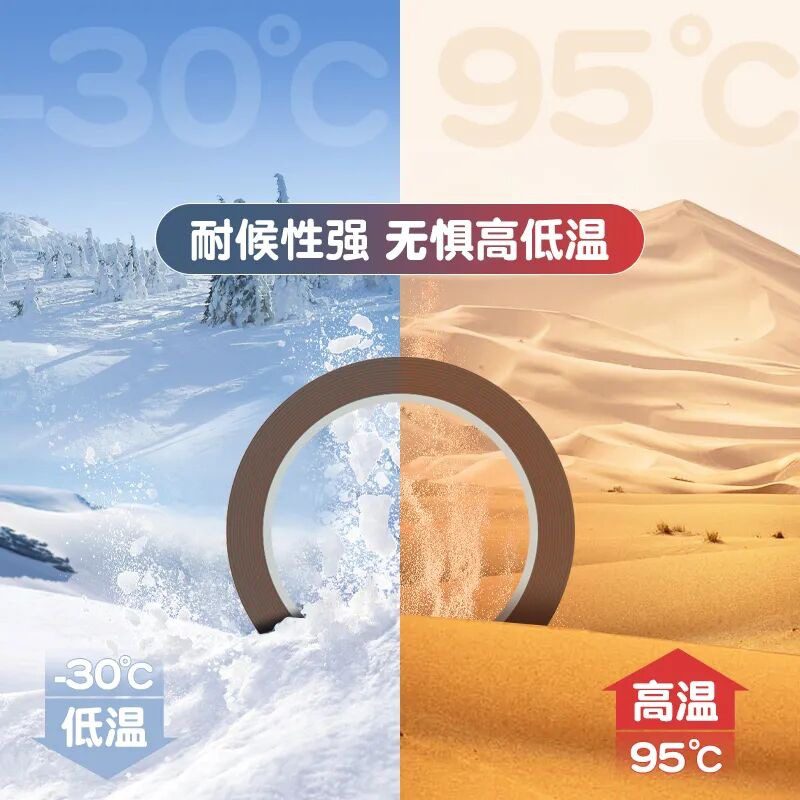
SHIELD SPIRIT started strong in southern and eastern China, then moved into the southwest, a region with hot, humid basins, strong high-altitude UV, mountain gravel roads and big day-to-night temperature swings. That is a useful test. If a film system works there, the brand has real evidence instead of a slogan.
For dry-hot markets such as parts of the Middle East, the same rule applies. Ask for product-specific heat and weathering data, topcoat care guidance and heat-related warranty terms, rather than trusting a resin name. Read more about why climate matters when choosing PPF materials.
Step 2: Localize the product, not one film for everyone
One film cannot be ideal for every driver. SHIELD SPIRIT offers its PCU PCT series in several thicknesses: 7.5 mil for daily city use, 8.5 mil as a balanced option, and 9.5 mil for SUVs, off-road and long-distance use. The point is to match the film to the vehicle and the roads it actually meets. Compare the full SHIELD SPIRIT PCU PPF range to see the difference between thicknesses.
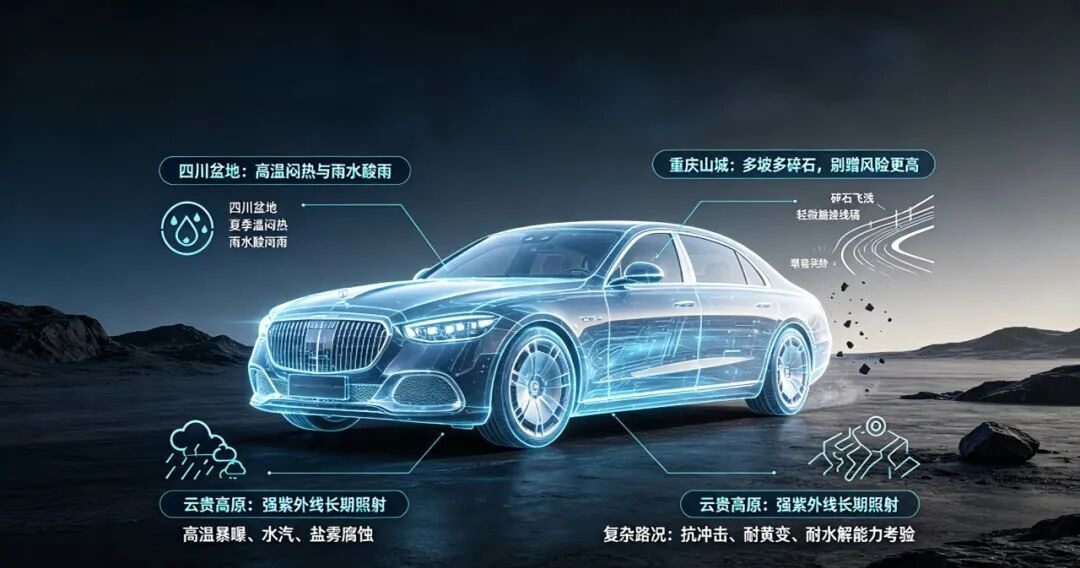
PCU means Polycarbonate TPU, a polycarbonate-based polyurethane platform. It is a material direction within a finished film, not a magic ingredient. A topcoat, adhesive and stabilizers all still matter. If the term is new to you, our plain-English guide explains what PCU PPF is.
Step 3: Build the supply chain
A good brand does not just ship a box. SHIELD SPIRIT pairs a regional warehouse in Chengdu with its Suzhou main warehouse and other regional stock points. That shortens delivery, keeps local installers stocked and reduces the risk of running out during a busy season.

Step 4: Build the installer and store network
Distribution means little without people who can install the film properly. SHIELD SPIRIT grows through flagship stores and authorized partner shops, with structured training on tricky curves, edges and packaging. A trained installer is part of the product.

Step 5: Offer local after-sales
Owners travel, and warranty should follow the vehicle, not one shop. SHIELD SPIRIT uses vehicle-identification electronic warranty records so an owner can get service across authorized stores. Check that a brand can answer this before you buy: where do I go when something goes wrong?
Step 6: Prove with real testing, not just ads
Marketing should show real stress tests, long-distance road-test results and high-UV exposure runs, not only polished ads. SHIELD SPIRIT also produces TikTok-style short-form automotive content and runs events where buyers can compare films in person. Claims should stay product-specific in every market.

PCU in plain words: from use to maintenance
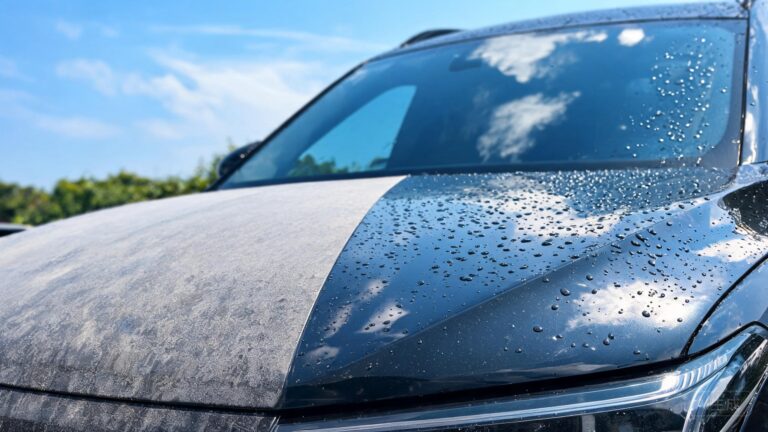
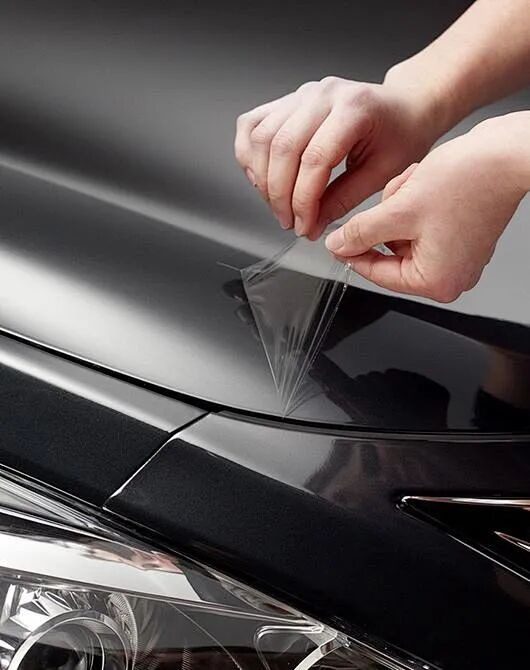
Applying PCU PPF is like fitting a tough, clear shell over the paint. In daily use it should shrug off light scratches, gravel chips and bug stains, and recover from minor marks with heat. Maintenance is simple: wash normally, avoid harsh chemicals, and inspect edges and high-impact areas from time to time.
A short checklist for choosing a brand
| Check | What to ask |
|---|---|
| Climate | Do they have product-specific data for heat, UV and moisture? |
| Construction | What are the base film, topcoat, adhesive and thickness? |
| Traceability | Can each roll be traced to its production batch? |
| Support | Is there training, local stock and a clear warranty path? |
FAQ
Does a stronger domestic business mean the brand is ready for export?
It helps, because it shows the brand can run production, channels and service at scale. But export still needs its own proof: documentation, localized support and product-specific data for each destination market.
How do I know a PCU film is right for my climate?
Ask for the exact grade, full construction, technical data sheet and warranty terms, then match them to your heat, UV and use conditions. Do not rely on a resin name alone.