








TPU vs PCU PPF: Why Next-Gen PCU Outperforms TPU by 30%
TPU vs PCU PPF compared: hydrolysis resistance, yellowing, lifespan, and where each fits in a B2B distributor catalog.
TPU vs PCU PPF: Why Next-Gen PCU Outperforms TPU by 30%
If you have stocked thermoplastic polyurethane (TPU) paint protection film for years, your customers ask the same question every quarter: is there something better? The honest answer for 2026 is yes, and it is polycarbonate TPU, often shortened to PCU. PCU is not a marketing rebrand. It is a chemistry upgrade that pushes the ceiling of what paint protection film can do. The numbers our factory quotes to OEM buyers are roughly 30% better overall performance and 3 times the hydrolysis resistance versus conventional TPU.
This guide breaks down what PCU is, how it compares to TPU at the chemistry level, what those gains mean on a real car, and where each film fits in a distributor’s catalog. By the end you will know when to keep TPU on the shelf, when to step up to PCU, and how to position both to your buyers.
What TPU PPF Is (and Why It Has Been the Industry Default)
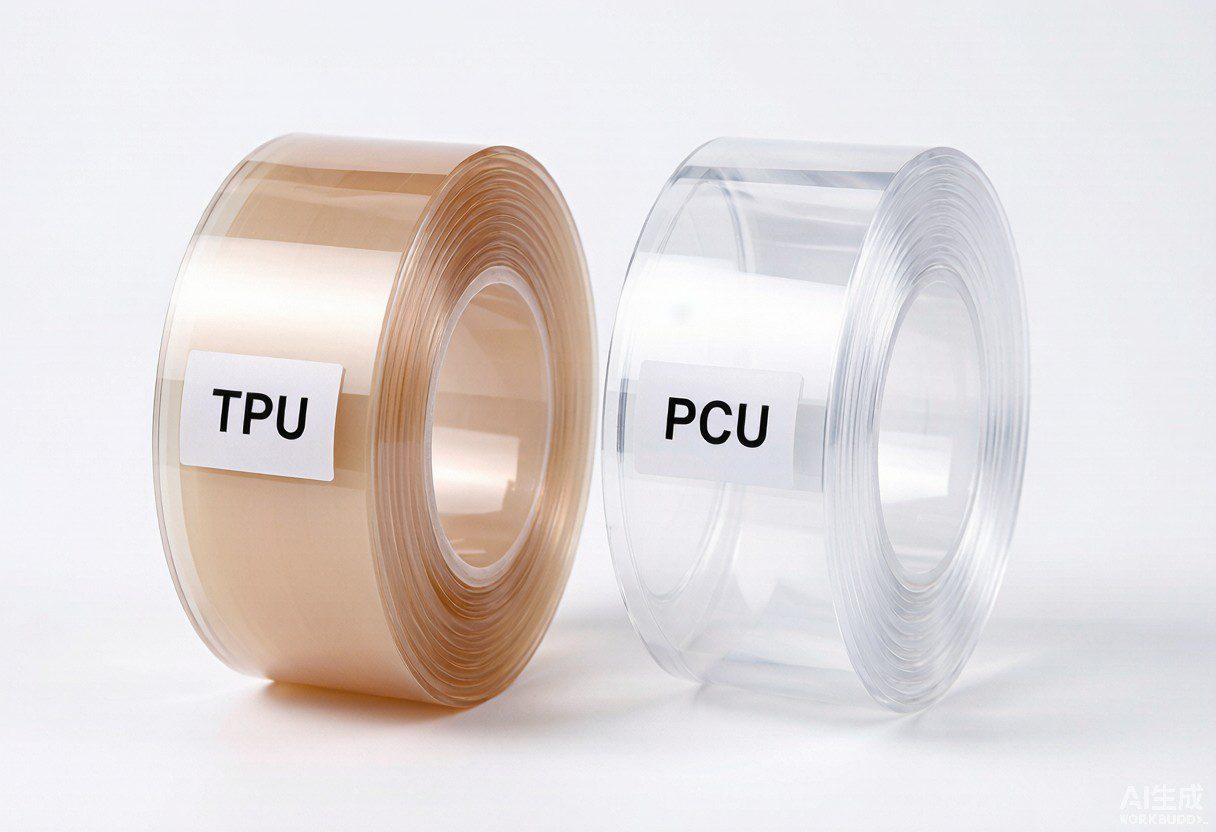
TPU combines flexibility with practical impact protection
The hard and soft segments set handling behavior
Thermoplastic polyurethane (TPU) PPF has been the workhorse of the paint protection film industry for two decades. It delivers good clarity, self-healing, and impact resistance at a price the market can absorb.
TPU is a block copolymer made of alternating hard and soft segments. The hard segments give the film its tensile strength and scratch resistance. The soft segments give it flexibility and elongation. The right balance produces a film that stretches over complex curves, holds its shape on a hood, and snaps back when warmed. TPU is also naturally transparent, which is why almost every clear PPF on the market is a TPU formulation.
Why it stayed the default: TPU matured. Factories figured out extrusion windows, adhesive chemistries, and top-coat recipes that hold up to 5 years of UV without severe yellowing. Distributors learned how to sell it. Body shops learned how to install it. End customers learned to ask for “TPU film” by name.
Where it runs out of headroom: heat and humidity. TPU’s ester linkages are vulnerable to hydrolysis. In long-term water immersion tests, conventional TPU loses elongation and turns hazy. In hot coastal climates and tropical markets, this is the failure mode you see after year five: hazy edges, brittle patches, and warranty claims. That ceiling is what PCU was designed to break.
What PCU PPF Is and How It Differs from TPU
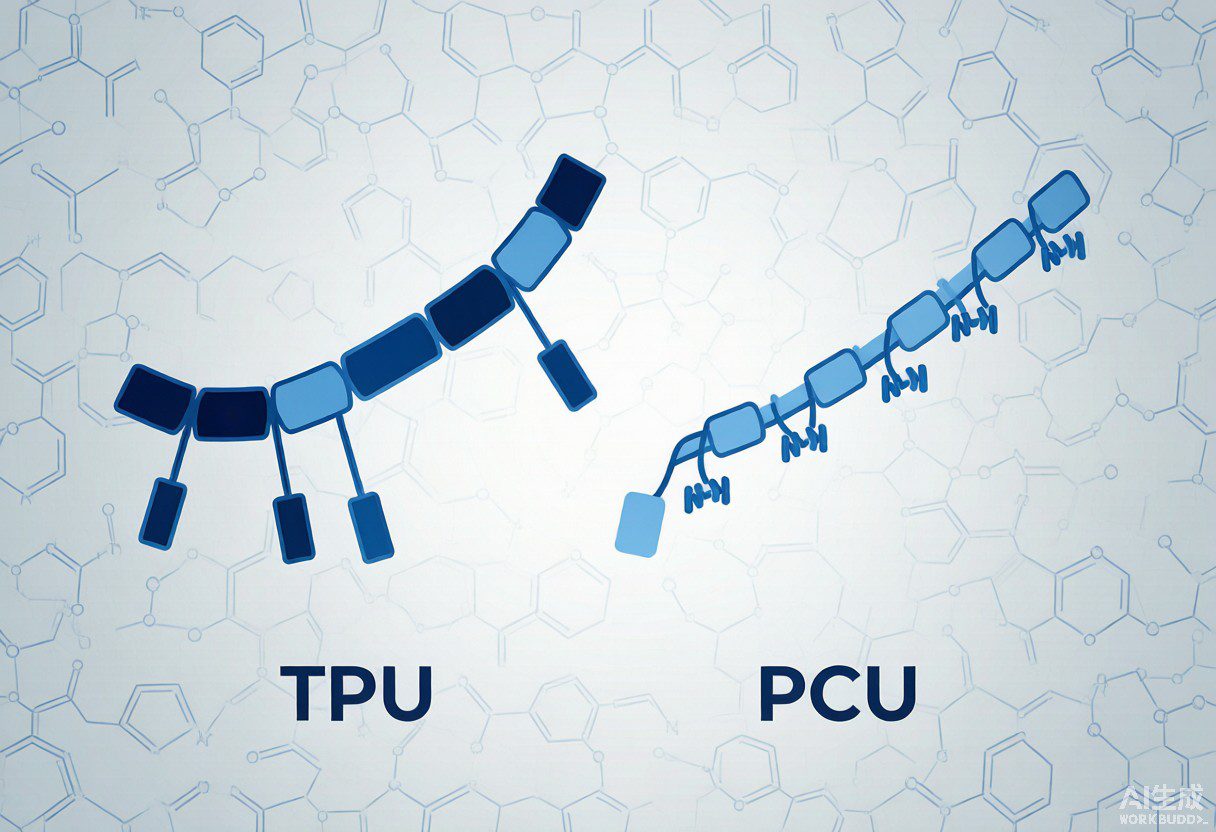
PCU changes the chemistry behind durability
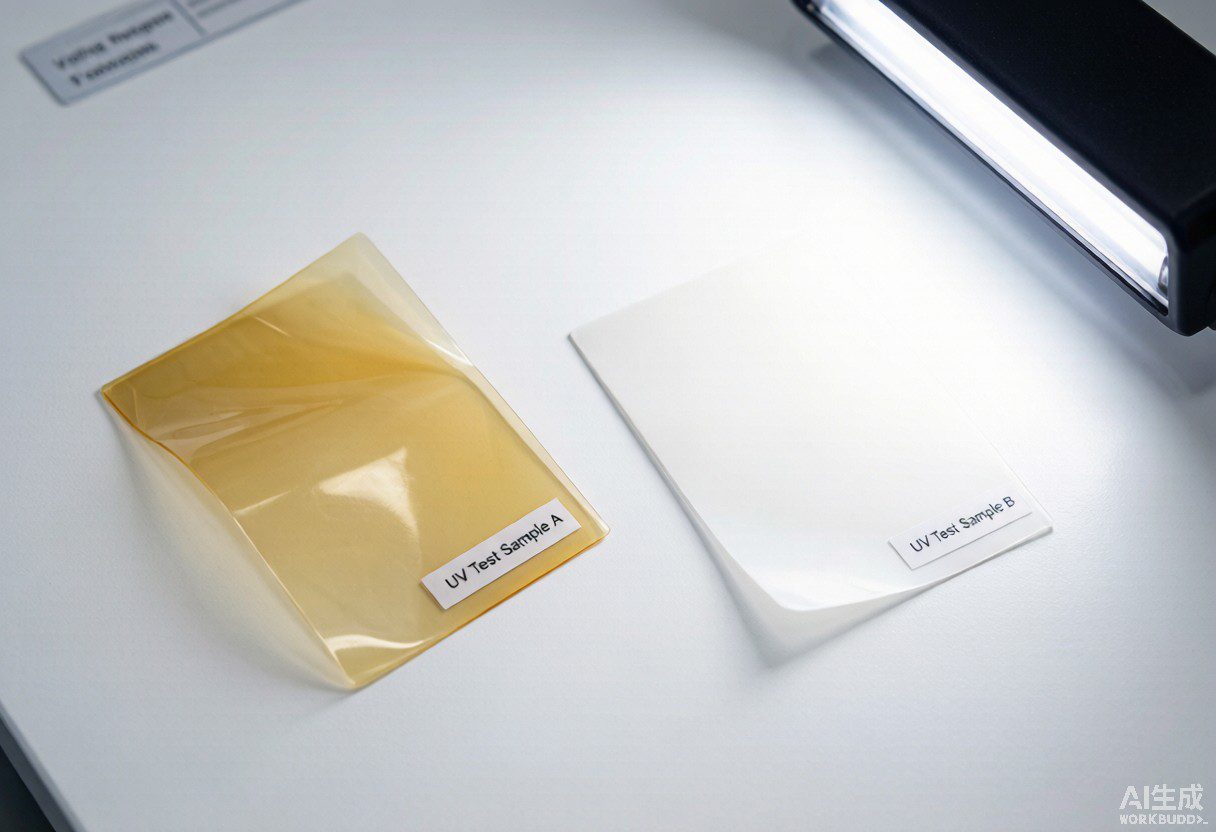
Hydrolysis resistance matters in hot-wet markets
Polycarbonate TPU (PCU) replaces the ester linkages in conventional TPU with polycarbonate-based hard segments. The result is a film that resists hydrolysis, holds clarity longer, and tolerates higher temperatures without yellowing.
PCU keeps everything that worked in TPU. It is still a thermoplastic urethane film. It still installs with a squeegee and heat gun. It still bonds to paint with a pressure-sensitive acrylic adhesive. The change is in the hard segment chemistry. For a broader explanation of how PPF protects painted panels, see our paint protection film fundamentals guide. Instead of ester linkages, PCU uses polycarbonate diols. Those linkages do not hydrolyze in the same way. Water molecules have nothing to attack.
Our PCU line ships with these headline numbers versus conventional TPU: 30% improvement in overall performance (a composite of tensile, elongation, and clarity retention after aging), 3 times the hydrolysis resistance in 10-week water immersion tests, 5,000 hours of QUV accelerated aging without yellowing past Delta E 2, and operating temperatures from -40C to 120C.
What this means in a distributor’s hand: fewer warranty claims from tropical markets, longer replacement cycles for end customers, and a clear premium SKU that justifies a 1.6x to 2x markup over TPU. The trade-off is the per-roll price. PCU costs more to produce because polycarbonate diols are more expensive than polyester polyols and the extrusion window is tighter.
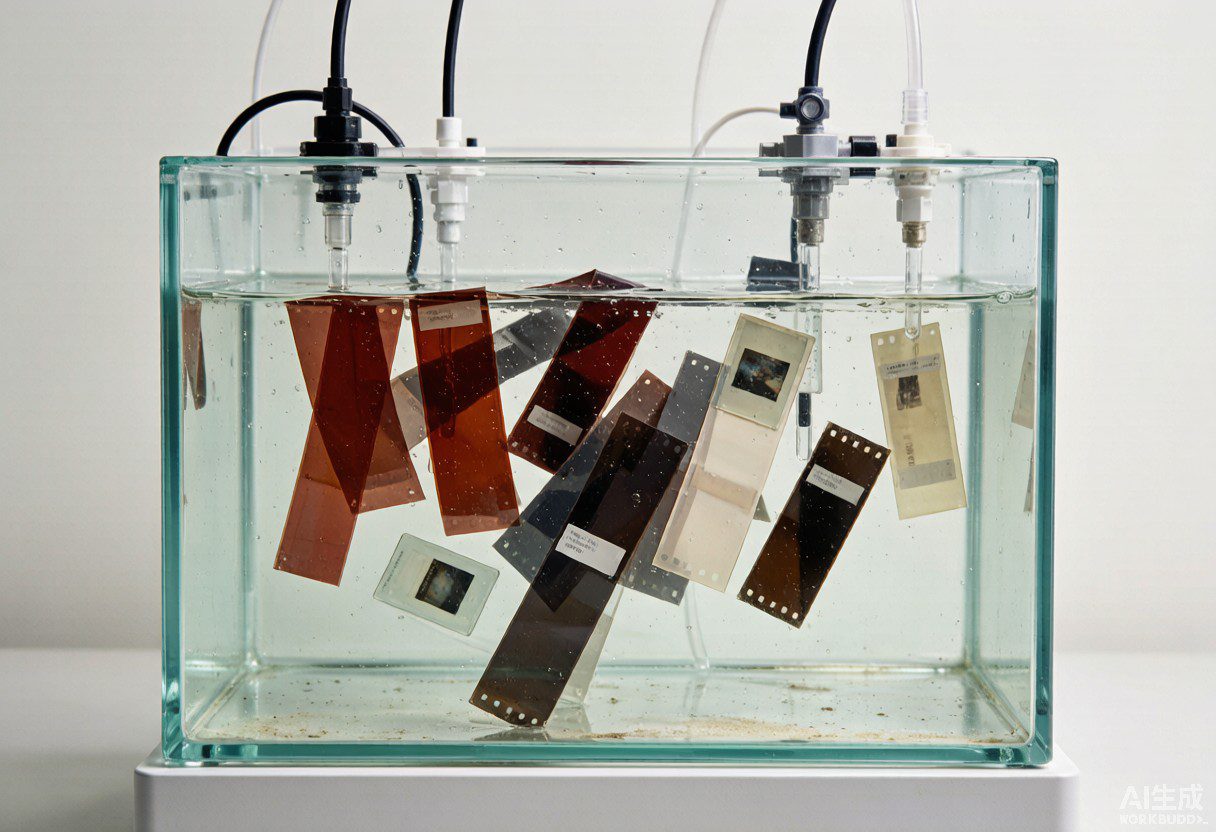
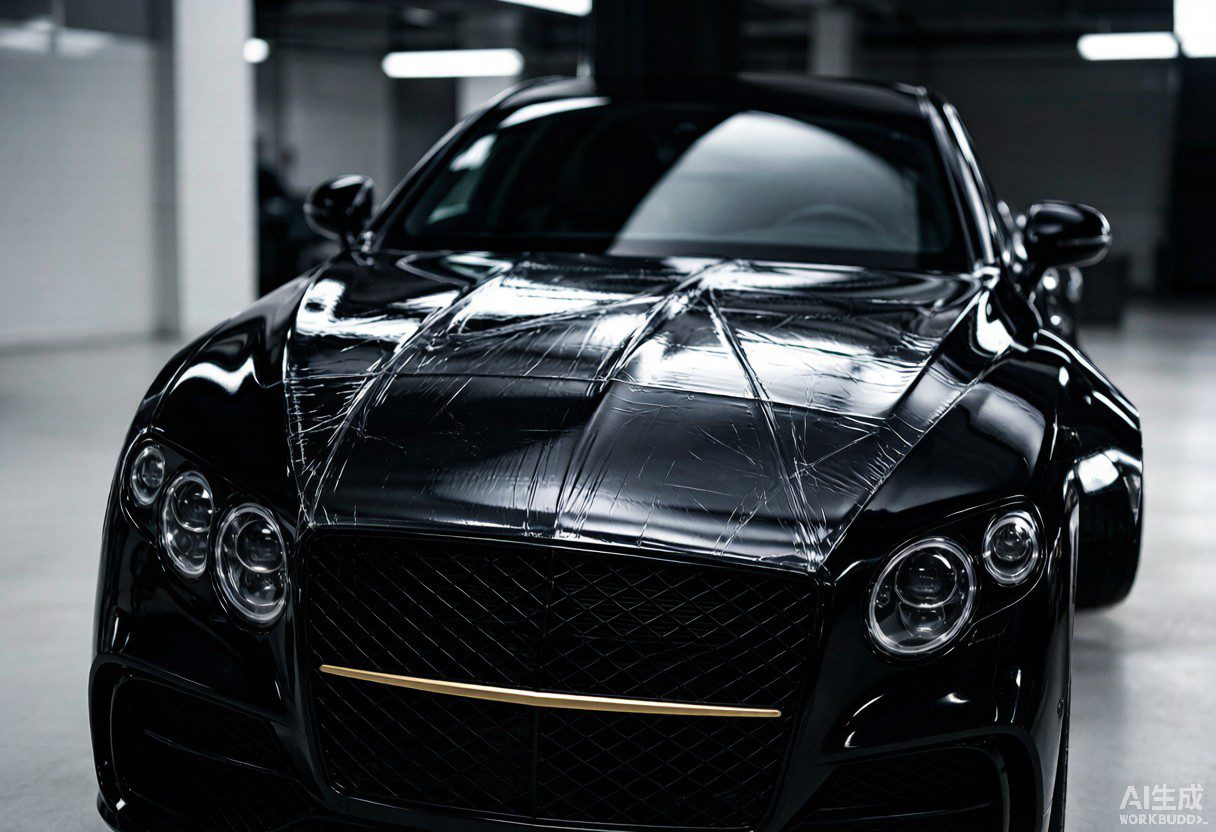
Performance Side by Side: 30% Improvement, 3x Hydrolysis Resistance
The largest gains appear after aging
Read the test method, not only the headline number
PCU outperforms conventional TPU on every measurable axis: tensile strength, elongation after aging, hydrolysis resistance, yellowing, and operating temperature range. The gains are largest where TPU fails first, which is hot-wet climates.
| Property | Conventional TPU PPF | Polycarbonate TPU (PCU) PPF |
|---|---|---|
| Base chemistry | Polyester-based TPU | Polycarbonate-based TPU |
| Resistência à tração | Good | Good to excellent |
| Alongamento na ruptura | High | High |
| Hydrolysis resistance | Moderate (ester link) | 3x higher (no ester link) |
| QUV accelerated aging | 2,000-3,000 hours to Delta E 2 | 5,000+ hours to Delta E 2 |
| Yellowing (real-world 5 yr) | Noticeable in tropical climates | Minimal to none |
| Self-healing | Heat-activated top coat | Heat-activated top coat |
| Operating temperature | -30C to 90C typical | -40C to 120C |
| Clarity (initial) | High | High |
| Clarity (after aging) | Drops | Holds |
| Cost per roll (FOB China) | $90-180 | $180-300 |
| Warranty (premium tier) | 5-10 years | 10-15 years |
The numbers above are pulled from our factory’s QA logs and from public TPU datasheets. Buyers comparing surface protection options can also review our PPF versus ceramic coating comparison. Your supplier should be willing to walk you through their own internal test data. If they cannot, that is a red flag.
Where PCU PPF Pays Off for Distributors
Match PCU to climate and vehicle economics
Tropical, luxury, and fleet channels need different proof
PCU PPF pays off where TPU fails first: hot-wet climates, premium and luxury segments, fleet and commercial vehicles, and any buyer who wants to stretch the warranty window.
Three segments where PCU moves the needle:
Tropical and coastal markets. Southeast Asia, the Gulf, Central America, southern China, the Caribbean. These are the markets where conventional TPU starts to yellow and crack within five years. PCU was designed for these conditions. A distributor selling into Miami, Dubai, Jakarta, or Manila can quote a 10 to 15 year warranty on PCU without overpromising. The same warranty on TPU would invite claims.
Premium and luxury vehicles. Porsche, Mercedes-Benz, BMW, Audi, Tesla, Lucid, Rivian. Buyers in this segment expect the film to outlast their lease cycle, often 36 to 48 months. TPU can do it but the visible degradation at month 30 to 40 starts to bother premium buyers. PCU looks new at the end of the lease, which keeps the body shop’s reputation clean and brings the customer back for re-wraps on the next car.
Fleet, commercial, and ride-share vehicles. High utilization, frequent washing, often parked outdoors. PCU’s higher temperature ceiling and better hydrolysis resistance matter when the car is a working tool. Fleet buyers will pay a premium for a film that lasts the full 7 to 10 year lifecycle of the vehicle.
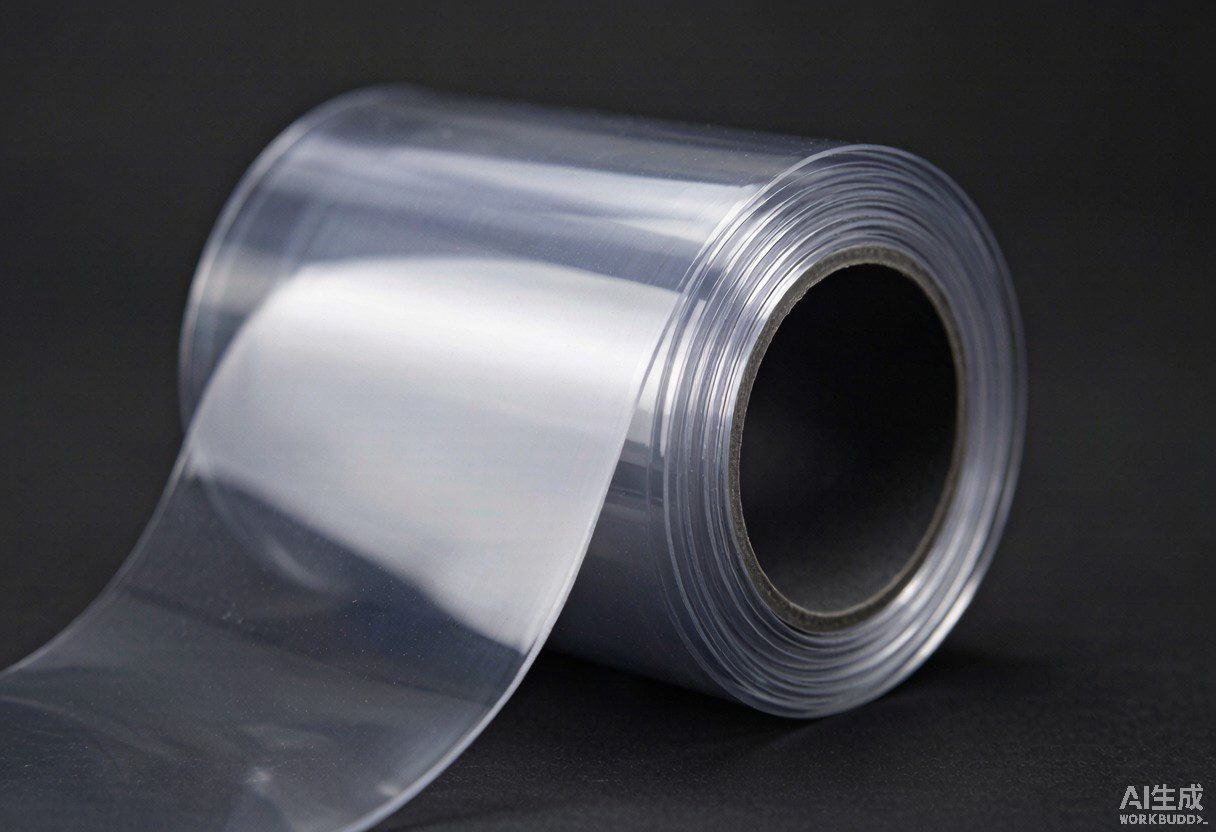
Pricing, MOQ, and What Buyers Should Ask Their Supplier
Build the specification package before negotiating price
Warranty language must match test evidence
PCU PPF prices roughly 1.6x to 2x conventional TPU at the factory gate. MOQ is the same 10 rolls as our TPU line. Ask your supplier for hydrolysis test data, QUV aging data, and warranty terms in writing.
A realistic FOB price band on PCU for a B2B buyer in 2026: $180 to $300 per roll depending on mil thickness, width, and order volume. At 8.5 mil with anti-yellowing warranty, expect the midpoint of that band.
What to ask any PCU supplier before you commit:
- Hydrolysis test data, specifically 10-week water immersion at 70C with elongation retention above 40C.
- QUV accelerated aging data, specifically Delta E values past 3,000 hours and ideally past 5,000 hours.
- Tensile and elongation values before and after aging, not just initial values.
- Warranty terms in writing, specifically what is covered (yellowing, cracking, delamination, hazing) and what is excluded.
- Production batch traceability. You want to be able to pull the QA record for any roll you receive.
MOQ at our factory starts at 10 rolls for both TPU and PCU. Review OEM and private-label services and use the SHIELD SPIRIT contact page when you are ready to discuss samples. Lead time on PCU is typically 2 to 3 weeks longer than TPU because of the tighter extrusion window. For distributors, plan PCU orders 30 days ahead of projected demand.

How to Position TPU vs PCU in Your Catalog
A two-tier catalog is easier to sell
Keep chemistry, gloss, and batch control consistent
Keep TPU as your anchor SKU for daily-driver protection and price-sensitive buyers. Add PCU as a premium upsell for hot climates, luxury segments, and commercial fleets. Run both product lines from the same supplier so the warranty and color match.
A clean two-tier catalog:
- TPU tier (anchor): 8 mil glossy TPU PPF. Your volume SKU. Price band $90 to $180 FOB. 5 to 10 year warranty. Sells to body shops, detail centers, and entry-level dealer PDI programs.
- PCU tier (premium upsell): 8.5 mil or 9.5 mil PCU PPF with anti-yellowing top coat. Price band $180 to $300 FOB. 10 to 15 year warranty. Sells to luxury dealers, fleet operators, and detail shops targeting premium and tropical-market customers.
Do not run both tiers from different factories. End customers bring cars back to the same installer regardless of which film was used. Color and gloss match across tiers matters. If your TPU comes from Factory A and your PCU from Factory B, expect complaints when a customer gets the second car wrapped and the gloss does not match the first.
For buyers who ask about other base chemistries: TPH (thermoplastic polyolefin hybrid) is a budget alternative with shorter warranties. We do not recommend it for premium or commercial applications. Some factories sell it as a value tier; it has a place in the entry-level consumer market but it is not a substitute for either TPU or PCU in a B2B distributor catalog.
—
Perguntas Frequentes
Is PCU better than TPU for paint protection film?
PCU outperforms conventional TPU on hydrolysis resistance, yellowing, and operating temperature range. For tropical climates, premium vehicles, and commercial fleets, PCU is the better film. For price-sensitive daily-driver protection in mild climates, conventional TPU is still a solid choice.
How long does PCU PPF last?
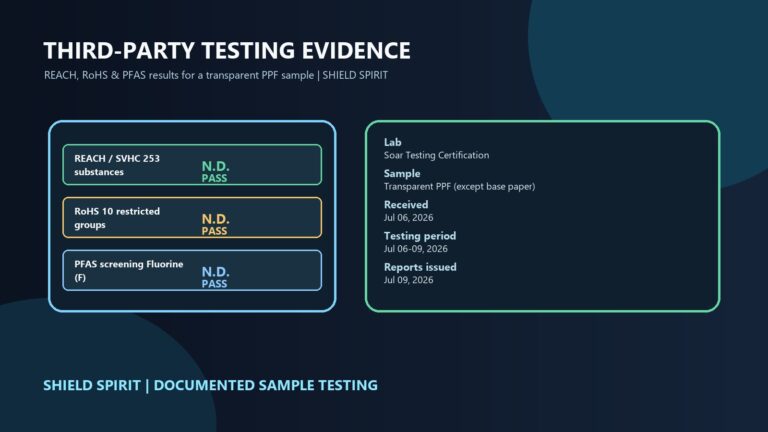
Our PCU PPF carries a 10 to 15 year warranty against yellowing, cracking, and hazing, depending on the product tier and climate. Independent QUV testing passed 5,000 hours without Delta E exceeding 2.
What is the price difference between TPU and PCU PPF?
PCU PPF runs 1.6x to 2x the FOB price of conventional TPU, depending on mil thickness and order volume. Buyers pay a premium for the longer warranty and better climate performance.
Can a distributor private-label PCU PPF?
Yes. We private-label PCU PPF rolls with custom packaging, branded release liner, and tailored warranty terms at SHIELD SPIRIT. MOQ starts at 10 rolls.
Does PCU PPF need different installation than TPU?
No. PCU installs the same way as TPU: squeegee, heat gun, slip solution, tack solution. Your existing installers do not need retraining. The film feels slightly stiffer out of the roll but relaxes with workshop heat like TPU.
Is PCU safe for all paint types?
Yes. PCU uses the same pressure-sensitive acrylic adhesive as our TPU line. It will not lift OEM paint, will not stain repainted panels when properly cured, and removes cleanly with heat within the rated warranty window.
—
Author
SHIELD SPIRIT Editorial Team
SHIELD SPIRIT is a 70,000 sqm automotive film OEM/ODM manufacturer with 300+ employees, developing TPU and PCU PPF for distributors, private-label brands, and professional installers.