










How to Choose a Wholesale PPF Supplier: 10 Questions Before You Order
A low wholesale PPF price can hide the most expensive supply-chain problems: inconsistent rolls, unclear specifications, weak warranty support, or a supplier that cannot repeat the same grade. Before you compare quotations, ask questions that connect the finished film to documents, samples, production controls, and the way you actually sell or install PPF.
Direct answer: Choose a wholesale PPF supplier only after it can identify the film manufacturer, define the complete construction, confirm MOQ and lead time in writing, provide traceable samples and technical documents, explain warranty limits, and show how repeat batches will be checked. Price matters, but a reliable supplier is the one that can deliver the same agreed product after the first order.
This guide is for PPF distributors, installers, regional wholesalers, vehicle-care businesses, and private-label buyers comparing suppliers in China or other manufacturing markets.
What Should a Wholesale PPF Supplier Prove?
A wholesale supplier should prove more than its ability to send a catalogue or a quotation. It should connect a named product grade to a defined multilayer system, a production source, a sample approval record, and commercial terms that can be repeated.
For buyers, the practical test is simple: can the supplier answer the same question consistently across sales, technical, quality, and logistics contacts?
Question 1: Who Actually Manufactures the PPF?
Ask whether the supplier is the manufacturer, an authorized distributor, a trading company, or a mixed sourcing business. Request the legal company name, production location, product ownership, and the party responsible for technical documents and warranty claims.
A trading company is not automatically a bad supplier. It may offer useful consolidation, language support, and access to several factories. The risk appears when it cannot identify the actual producer or when the product changes without a controlled approval process. A practical PPF manufacturer verification process should come before a long-term wholesale commitment.
How to Compare a Wholesale PPF Supplier

| Question area | Evidence to request | Why it matters |
|---|---|---|
| Production source | Manufacturer identity and facility information | Defines accountability and continuity |
| Film construction | Technical data sheet and layer description | Prevents grade confusion |
| Sample identity | Lot number, label, and approval record | Connects testing to the ordered film |
| MOQ | MOQ by grade, finish, width, and label | Shows working-capital exposure |
| Repeat supply | Production and batch-control procedure | Protects future orders |
| Claims | Written warranty scope and exclusions | Clarifies commercial risk |
The best wholesale PPF supplier is not necessarily the one with the longest product list. It is the one whose answers remain specific when you ask for evidence, tolerances, acceptance criteria, and responsibility.
Questions About PPF Construction and Performance

Question 2: What Is the Complete Film Construction?
Ask the supplier to describe the topcoat, substrate, adhesive, stabilizers, release liner, nominal thickness, width, and available finishes. A label such as “premium TPU PPF” is not a complete specification because different products can use the same broad material category while behaving differently during installation and service.
Ask for the relevant test methods and product-specific values for optical clarity, gloss, haze, elongation, tensile strength, tear strength, adhesion, stain resistance, weathering, and repair behavior. Use the PPF material test data guide to distinguish a useful value from an unsupported marketing statement.
Question 3: Is the Quoted Product the Same as the Sample?
Every approved sample should have an identifiable product name, grade, thickness, finish, lot or batch reference, and date. Keep the sample label, technical data sheet, photographs, test notes, and quotation together in one approval record.
Do not approve a clear sample and then accept an unlabeled roll described only as “same quality.” The supplier should explain how the approved sample is linked to mass production and what happens if the production batch falls outside the agreed limits.
Question 4: Which Claims Are Product-Specific?
Ask whether statements about yellowing, self-healing, hydrophobicity, stain resistance, chemical resistance, or warranty duration apply to the exact grade being quoted. Performance depends on the complete film system and test conditions, not only on the name of the polymer.
For climate-sensitive markets, request the product grade, construction, TDS, COA, lot traceability, test conditions, warranty terms, and installer guidance. This keeps a buyer from turning a general material description into an unlimited performance promise.
Questions About MOQ, Price, and Lead Time

Question 5: What Is the Real MOQ?
MOQ may apply separately to a standard product, custom width, custom length, private label, printed carton, finish, or new color. Ask for the MOQ by SKU and confirm whether mixed rolls or mixed grades are allowed in one order.
A low first-order MOQ can be attractive, but it may carry a higher unit price or exclude custom packaging. A high MOQ can reduce unit cost while tying up cash in slow-moving inventory. Compare the total landed cost per usable roll rather than the catalogue price alone.
Separate Trial MOQ from Production MOQ
Request two commercial scenarios: a small sample or trial order and the normal repeat-production order. The difference reveals whether the supplier has a realistic path from testing to scale or is simply quoting a promotional entry price.
Question 6: What Is the Confirmed Lead Time?
Lead time should state whether it begins after payment, artwork approval, sample approval, raw-material confirmation, or purchase-order release. It should also distinguish production time from packaging, inspection, inland transport, and export documentation.
Ask what happens when a batch fails inspection or a raw material is unavailable. A supplier that can explain its recovery plan is easier to manage than one that promises an attractive date without conditions.
Question 7: What Is Included in the Quoted Price?
Confirm whether the quotation includes the film, core, carton, labels, private-label artwork, inspection, export packing, inland freight, documentation, and any tooling or setup charge. Then compare the supplier’s quote with freight, duties, insurance, local handling, rejected rolls, and payment costs.
Landed cost per usable roll = total purchase and logistics cost divided by accepted, saleable rolls. This formula prevents a low factory price from hiding a high rejection rate or expensive freight arrangement.
Questions About Documents and Quality Control

Question 8: Which Documents Come with Each Batch?
Ask for the technical data sheet, certificate of analysis or batch report where applicable, packing list, product label, inspection record, warranty statement, and any requested compliance documents. The documents should identify the product grade and connect to the shipped batch.
Documents are not a substitute for testing, but missing or generic documents make it difficult to investigate a complaint. Buyers can also use a third-party PPF testing framework when the commercial risk or order size justifies independent confirmation.
Question 9: How Is Batch Consistency Controlled?
Ask how the supplier controls incoming materials, coating or lamination conditions, thickness, width, appearance, adhesion, winding, packaging, and final release. Request the inspection frequency, sampling method, tolerance limits, and retention period for production records.
For repeat orders, write the approved product definition into the purchase agreement. It should cover the substrate, topcoat, adhesive, liner, nominal dimensions, appearance criteria, packaging, and the process for approving any change.
Use Acceptance Criteria Before Shipping
Agree on what counts as an accepted roll, a conditional release, and a rejected roll before production starts. Include how visible defects, width variation, thickness variation, edge damage, winding issues, and packaging damage will be recorded.
Question 10: Who Handles Warranty and Claims?
Ask who receives a claim, what evidence is required, how installation quality is assessed, and whether the remedy is replacement, credit, repair support, or another agreed solution. Clarify exclusions related to storage, preparation, installation, maintenance, climate, chemicals, and vehicle paint condition.
A warranty becomes useful only when the product identity, installation conditions, claim window, evidence, and responsible party are clear. Put these points in writing before the first commercial order.
How to Audit a Wholesale PPF Supplier Before Ordering
Start with a Documented Sample Approval
Order samples that represent the exact grade, finish, thickness, width, adhesive behavior, and packaging you expect to buy. Test installation behavior, stretch response, clarity, gloss, haze, edge handling, adhesion, removal, stain response, and any claims that matter to your market.
Record the installer, panel preparation, tools, temperature, solution, cure time, observations, and photographs. A sample decision without conditions is difficult to defend when a production roll behaves differently.
Check Supply Capability, Not Just Factory Photos
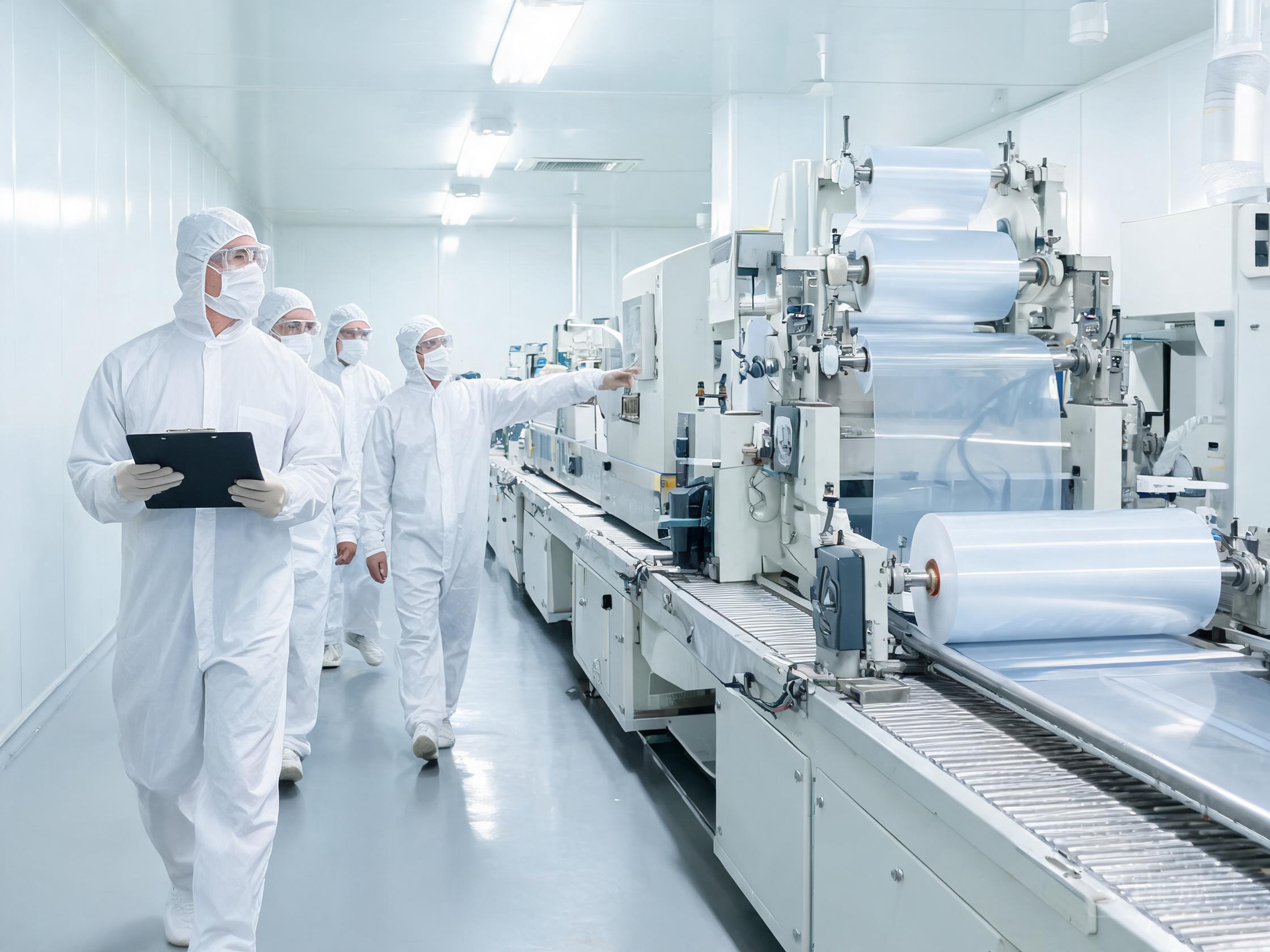
Ask for a production flow, quality-control checkpoints, storage conditions, packaging examples, and a realistic monthly capacity for the grade you are buying. Factory images can support a review, but they do not prove that the quoted product is made at that site or that the same controls apply to every batch.
For OEM or private-label buyers, the PPF OEM factory sourcing guide provides a useful sequence for separating branding, technical approval, and mass-production decisions.
Score the Supplier on Repeatability
Use a simple scorecard covering product identity, sample performance, documents, MOQ, lead time, communication, claims handling, packaging, and total landed cost. Weight the items that can stop your business, such as batch consistency and replacement support, more heavily than cosmetic sales materials.
Which Wholesale PPF Supplier Fits Your Business?
PPF Installers
Installers often prioritize predictable handling, local availability, mixed-SKU flexibility, technical support, and fast replacement. A regional distributor may be the practical source when monthly volume is low or urgent jobs make long factory lead times expensive.
Regional Wholesalers
Wholesalers need stable pricing, repeat supply, packaging that survives export handling, and enough product documentation to support their own customers. They should compare multiple grades and build a supply plan that does not depend on one unverified product description.
Private-Label PPF Brands
Private-label brands need control over product definition, packaging, artwork, MOQ, warranty wording, technical files, and change management. Direct factory supply can make sense when forecast volume supports approval work and planned inventory. Buyers comparing premium constructions can review next-generation PCU PPF as one product-specific reference point.
Vehicle Owners
Individual owners usually buy an installation service rather than a wholesale roll. Their priority is a qualified installer, a clearly identified product, appropriate warranty terms, and maintenance guidance rather than the supplier’s factory price.
Wholesale PPF Supplier Red Flags

Vague Product Names
Be careful when a quotation uses only words such as “top quality,” “imported glue,” “nano coating,” or “never yellow.” Ask for the exact product grade, construction, test method, and conditions behind each claim.
Pressure to Skip Samples
Urgency is not a substitute for approval. If a supplier discourages sample testing, refuses to label samples, or changes the product after quotation without explanation, treat that as a supply risk.
Unclear Responsibility
A buyer should know who owns the product specification, who issues the warranty, who controls production, and who pays for a confirmed defect. If these roles move between several companies during a basic enquiry, document the relationship before ordering.
Wholesale PPF Supplier Checklist
- Confirm the actual manufacturer and responsible legal entity.
- Define the complete film construction using substrate, topcoat, adhesive, liner, thickness, and finish.
- Match the approved sample to a product grade and batch reference.
- Confirm MOQ by SKU, finish, width, packaging, and private label.
- Calculate landed cost using accepted, saleable rolls.
- Set lead-time milestones and a delay recovery process.
- Request product-specific TDS, batch records, warranty terms, and compliance documents.
- Write acceptance criteria and change-control rules into the order documents.
- Test installation and finished-film behavior under controlled conditions.
- Confirm claims evidence, response time, remedy, and responsible party.
Questions Buyers Ask About Wholesale PPF Supply
Is the cheapest wholesale PPF supplier the best choice?
No. Compare landed cost, accepted-roll yield, repeatability, documentation, lead time, warranty support, and the cost of a failed installation or delayed replacement.
Can a small installer buy directly from a PPF manufacturer?
Sometimes, but direct buying may require higher MOQ, advance planning, and responsibility for import logistics. A distributor can be more efficient when the installer needs mixed inventory or small urgent orders.
What documents should a PPF supplier provide?
Request a product-specific TDS, batch or COA information where applicable, packing and labeling details, warranty terms, inspection records, and relevant compliance documents. Match each document to the exact grade and batch.
How many samples should a buyer test?
Test enough samples to cover the grades, finishes, and production lots you intend to buy. One attractive sample does not prove repeatability across every SKU or future batch.
Should I choose TPU PPF or PCU PPF first?
Choose the target performance, market position, climate, installation requirements, and budget first, then compare the exact TPU or PCU product system. Material naming alone does not replace finished-film evidence.
Choose the Supplier You Can Audit
The right wholesale PPF supplier should make your product easier to verify, forecast, install, sell, and support after the first shipment. Ask the ten questions before you compare the final price, keep the approved product definition with the purchase order, and require the same evidence for repeat batches.
A reliable wholesale PPF relationship is built on identifiable products, controlled samples, clear documents, realistic logistics, and responsibility that remains visible when something goes wrong.