










Why Climate Matters When Choosing PPF Materials
Why Climate Matters When Choosing PPF Materials
The PPF brand on the box does not tell you whether the film is right for your climate. A resin name is a starting question, not a complete weather-resistance specification. The climate where a car lives changes what buyers should ask about the base film, topcoat, adhesive, installation and daily care.
That is why a driver in a dry, high-heat market may focus on UV exposure, heat and baked-on contamination, while a driver in a hot, humid market may ask more about moisture, film construction and local installation conditions. The right comparison is not simply Lubrizol versus Covestro, BASF versus another supplier, or one familiar coating or adhesive name versus another. It is the exact PPF model, its complete construction, its documented test data and the local support behind it.
PPF Is a Material System, Not One Ingredient
Clear paint protection film is built as a system. The base film provides the main body and impact protection. The topcoat affects gloss, stain release, self-healing behavior and surface feel. The adhesive keeps the film securely on the panel. Stabilizers, processing and installation determine how those layers work together in real use.
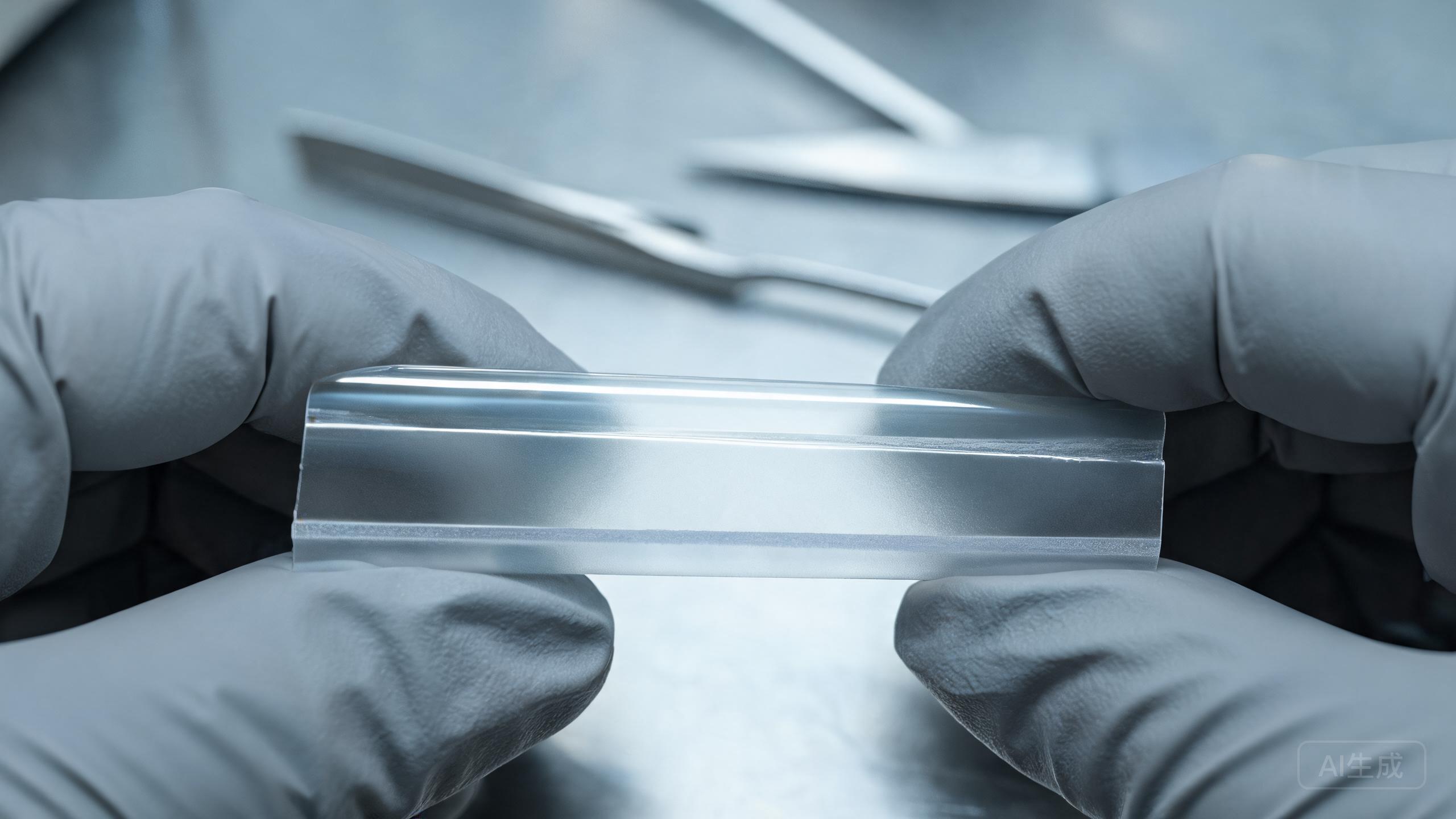
This is why two films that use a similarly described TPU can still behave differently on a vehicle. Thickness, molecular design, coating chemistry, adhesive, curing process, liner, installation technique and maintenance all influence the final result. Asking only for the resin brand is important, but incomplete.
International suppliers such as Lubrizol, Covestro and BASF are widely recognized in polymer conversations because material quality and consistency matter. Lubrizol positions ESTANE TPU for PPF performance including weatherability, clarity, impact resistance, self-healing and compatibility with adhesives and topcoats. Covestro offers a Desmopan UP TPU series specifically for PPF and describes UV durability, hydrolysis resistance, chemical resistance and optical clarity for that product family. Those are useful technical starting points, but they are not a universal climate ranking for every finished film.
Why Familiar Brand Names Travel Through the Supply Chain
In many purchasing conversations, well-known international names become shorthand. A buyer may hear a familiar adhesive, coating or resin brand used to describe a technical direction, a prior work background or a material category. This is understandable: a recognized name makes a complex supply chain easier to discuss.

But shorthand is not the same as proof. A responsible factory should not turn a familiar name into an equivalence claim without documents. If a supplier says an adhesive, coating or base film comes from a named company, ask for the exact trade name and grade, TDS, COA, lot number, delivery record and the written warranty that applies to the finished PPF.
Buyer rule: Brand familiarity can open the conversation. Traceable product evidence should close it.
This is especially important when discussing claims about technical-team history or an alleged relationship with a globally known materials company. Unless there is an official authorization, joint statement or traceable supply record, present it only as market language, not as verified material provenance.
Dry-Hot Markets: Heat, UV and Surface Care
In dry-hot and desert markets, buyers often pay close attention to heat and sunlight. Some Middle East buyers specifically request internationally familiar TPU names, including Lubrizol, because they associate the name with weatherable PPF. That purchasing preference is real. It should not be converted into a blanket claim that one supplier is always better for dry heat than another.

For this climate, compare the exact finished film under defined weathering conditions. Ask what the warranty says about heat, color change, gloss and adhesive behavior. Check how the film is installed on hot panels and what the installer recommends for curing, washing and edge care.
Ownership habits also matter. Direct sun can make bird droppings, insect residue, tree sap and water spots harder to remove. Drivers benefit from washing a cooled vehicle out of direct sunlight, drying mineral water promptly and removing contamination before it bakes onto the surface. These are practical care habits, not a substitute for good material design.
Hot-Humid Markets: Moisture Makes the Questions Different
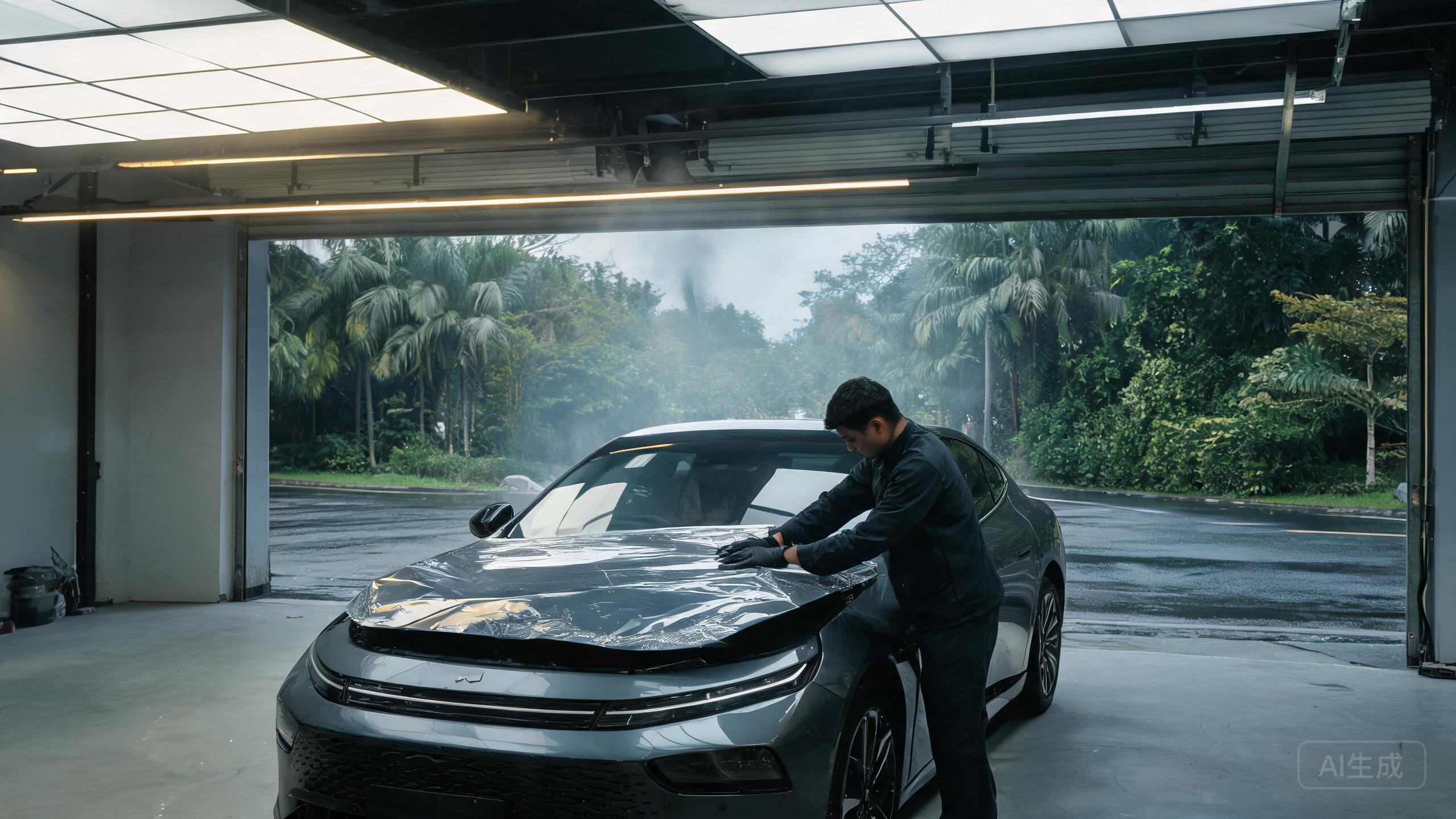
Hot-humid markets place heat and moisture in the same daily environment. That changes the buyer checklist. Instead of assuming a supplier name is enough, evaluate the product-specific evidence for hydrolysis resistance, coating stability, adhesive behavior and installation guidance.
Covestro publicly identifies hydrolysis resistance among the properties of its Desmopan UP PPF materials. That supports a useful technical discussion about moisture-related stress, but it does not prove that every Covestro-based finished PPF is automatically the best option for every humid market. The same principle applies to every resin supplier and every coating or adhesive system.
For users, the routine is simple: wash contaminants off early, dry hard-water residue, avoid attacking film edges with high-pressure water and use cleaning products approved for the film. In humid conditions, a clean installation environment, careful edge finishing and an installer who understands the product are just as relevant as the name of the base resin.
High-UV and Cold Markets: Different Risks, Different Habits
High-UV markets need a close look at the finished-product weathering, color, gloss and warranty coverage. Cold markets need a different conversation: installation temperature, repair and removal conditions, and the local response of self-healing surfaces.
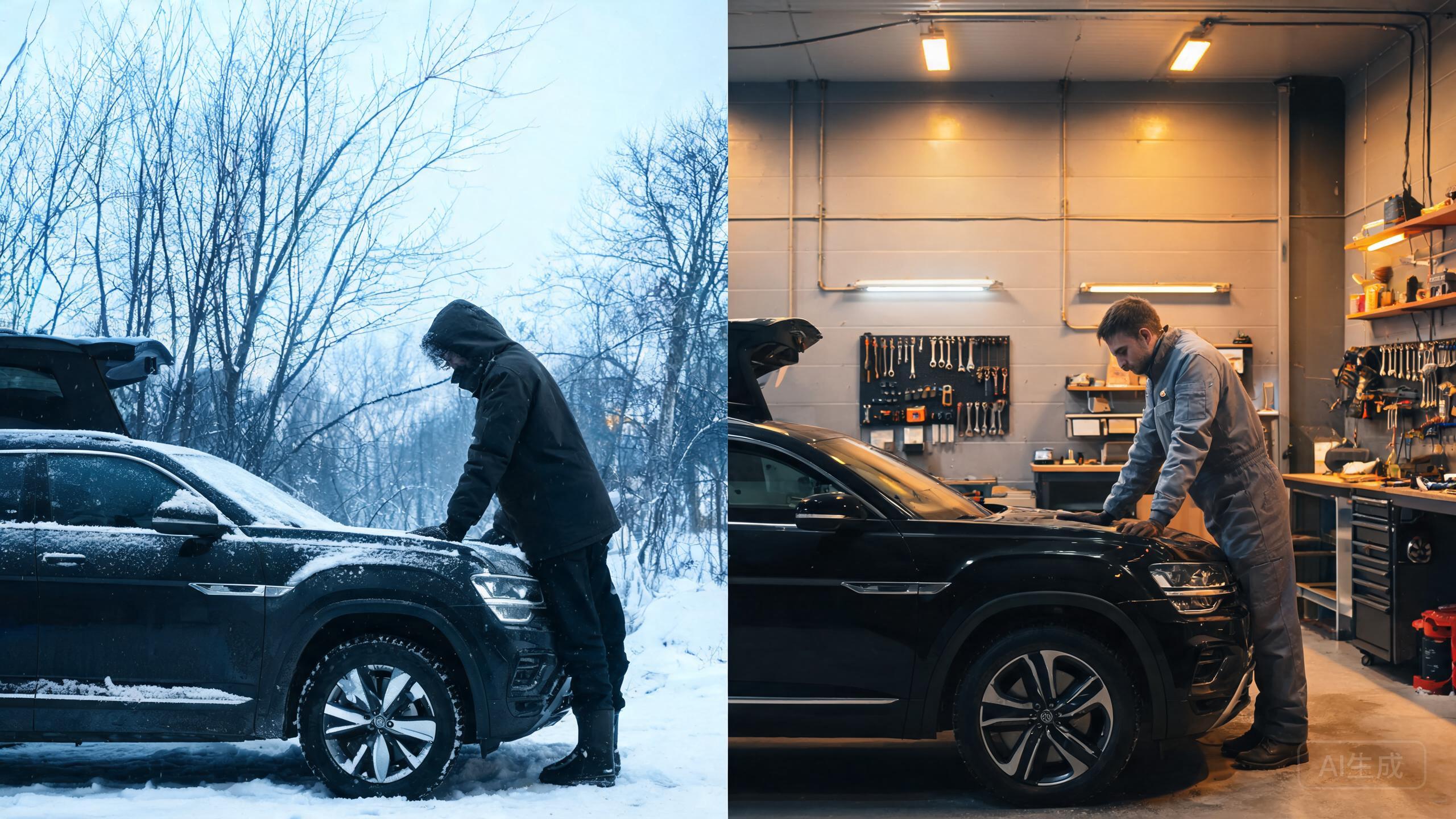
For example, many self-healing PPF surfaces respond more slowly in low temperatures. XPEL notes that light scratches may self-heal more slowly in colder conditions and gives warm-water guidance for its own products. That is a good example of why climate-specific care guidance should come from the product manufacturer rather than a generic social-media rule.
Cold-climate owners should confirm that the installer has suitable indoor conditions and follows the film maker instructions for repair or removal. High-UV owners should avoid abrasive products, clean contamination early and compare actual coverage terms instead of relying on a headline warranty number alone.
A Climate-First Buying Checklist
Use this checklist before selecting a PPF for any region. It keeps the discussion focused on verifiable performance rather than a single familiar brand name.

- What exact PPF model is being offered?
- What is the full construction: base film, topcoat, adhesive and total thickness?
- Which TDS and COA match this order and batch?
- Which test method, exposure condition and acceptance limit support the climate claim?
- What does the warranty cover in your local climate?
- What installation, wash, repair and removal temperatures does the manufacturer require?
- Can the local installer provide trained application and after-sales support?
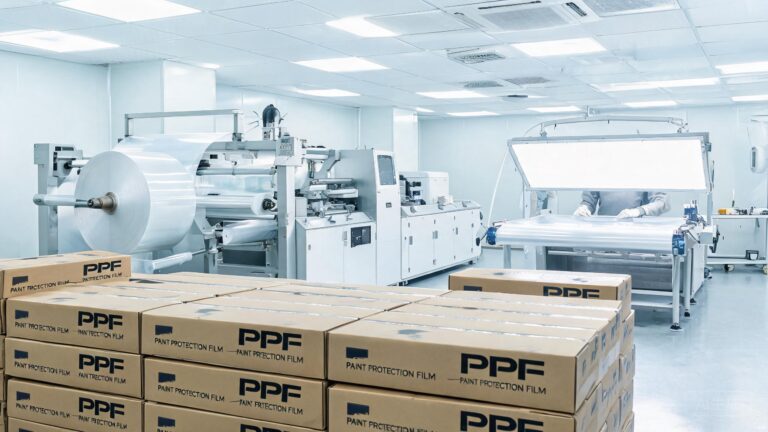
For distributors and private-label buyers, this checklist also protects the brand promise. A dependable OEM PPF order process should control raw-material sourcing, incoming inspection, production, in-process checks and finished-product traceability, not simply print a famous supplier name on a sales sheet.
Matching SHIELD SPIRIT Tiers to Market Expectations
Climate is one part of selection. Warranty position, customer expectation and budget also matter. SHIELD SPIRIT offers three documented positions that can be matched to a market instead of using one loose promise for every customer.
| Tier | Position | Published warranty | Published yellowing limit |
|---|---|---|---|
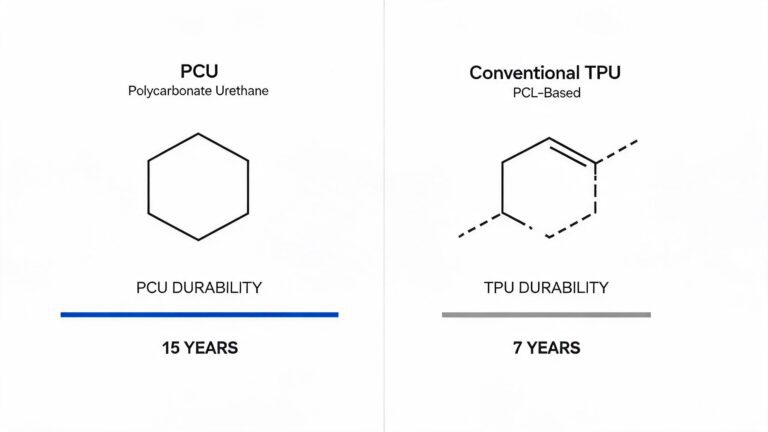
| Ultra-premium | PCT PCU PPF | 10 years | 5-year maximum: 8%, 6%, 5% or 3% by model |
| Premium | GS hydrophobic TPU PPF | 5 years | Maximum 10% in 5 years |
| Standard | MH hydrophilic TPU PPF | 3 years | Maximum 10% in 3 years |
The PCT range gives buyers the longest stated warranty and tighter published yellowing limits by model. GS offers a premium hydrophobic TPU position. MH provides a practical standard option for markets where a three-year value proposition fits the customer promise. Each tier should be discussed with the climate, the expected care routine and the capability of the local installer in view.
For more context on realistic yellowing claims, read Does PCU PPF Never Yellow? The Honest Answer.
The Better Question Is: Can You Prove the Fit?
Climate does influence how a PPF should be selected, installed and maintained. But no single resin supplier name can replace the finished-film specification. The strongest supplier conversation identifies the exact film that can be documented for the climate, the vehicle and the customer promise.
SHIELD SPIRIT helps distributors and private-label buyers match PPF construction, documented performance and product positioning to their target markets. Contact our team to discuss the climate and customer expectations in your region.
Five questions for the PPF market
- Does your market ask for a resin brand name, or a documented finished-film specification?
- Which climate risk creates the most customer complaints in your region: heat, humidity, UV, cold or contamination?
- Do your customers understand the difference between supplier familiarity and traceable material proof?
- How does your local installation environment change your PPF recommendation?
- Would a climate-first checklist make your sales promise easier to support?