










My House Economy PPF: What It Is, How to Choose It, and Why It Needs Care
My Horse Economy PPF: What It Is, How to Choose It, and Why It Needs Care
Paint protection film is not a once-and-done purchase. Even a good budget film has a service life. Understanding that life is what lets you protect your car without wasting money, and this is exactly what the My Horse line is built for.
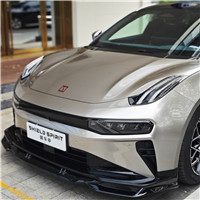
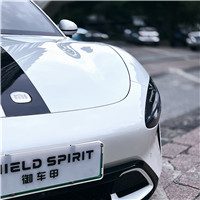
My Horse, written 迈豪斯 in Chinese, is SHIELD SPIRIT’s economy PPF category. It is designed to bring dependable paint protection to everyday cars at an accessible price.
Why the name My Horse
The name is a simple idea: your car is one of the most valuable things you own, a kind of second home on wheels. You would not leave a house unprotected from weather, so why leave the paint exposed? The brand also draws on the image of a horse, a symbol of care and freedom, to say that affordable does not have to mean careless.
The MH series at a glance
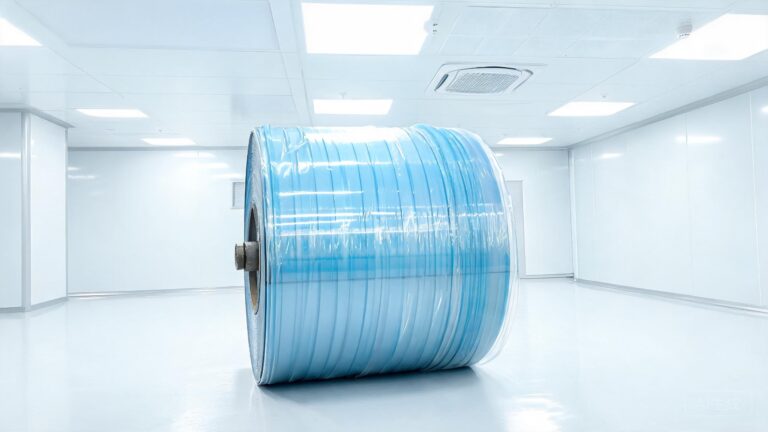
The MH series is a cast-grade polycaprolactone TPU film, offered in several thicknesses such as MH-75, MH-85 and MH-95. It is a hydrophilic, self-healing film with a shorter published warranty window and a more modest yellowing limit than the premium PCU line. That trade-off is the honest reason it costs less. See the SHIELD SPIRIT economy PPF for full details.
| Line | Position | Best for |
|---|---|---|
| MH series | Economy PPF | Daily drivers, first-time PPF buyers, fleet and value-focused owners |
| PCT series | Premium PCU PPF | High-value vehicles, high-UV or demanding climates |
How to choose the right economy film
Buy by need, not by hype. A city commuter who parks in a garage can choose a thinner, lower-cost film. A car that sits outside in strong sun, or faces gravel roads, should move up in thickness and ask about weathering data. Cheap is only smart when the film matches the job. If your use case is more demanding, compare the premium PCU PPF line.


How to maintain a budget PPF
Wash the car normally, avoid aggressive solvents, and wipe off bird droppings, sap and bug remains early. Inspect the edges and high-impact areas a few times a year. Simple care stretches the useful life of any film, including an economy one.
Why film needs replacement over time
PPF is a wear layer, not a permanent coating. Sun, heat, road debris and washing slowly wear down the topcoat and the film itself. Over a few years the surface can lose some gloss, hold stains more easily or stop self-healing as well. That is normal, not a defect. Replacing the film on time keeps the paint protected instead of hiding problems under a tired layer.
This is why honest brands publish a warranty period and a yellowing limit instead of promising forever. It tells you the realistic life of the product. For a deeper view, read how the base film affects a PPF and what that means for service life.
Use PPF sensibly
Do not pay for a premium PCU film if your use case is a short daily commute in a mild climate. Do not buy the cheapest film if the car lives in brutal sun or heavy debris. The right choice is the one that matches your car, your climate and how long you plan to keep the vehicle.
FAQ
Is the economy film lower quality?
It is a different product tier, not a broken product. It has a shorter warranty and a more modest yellowing limit than the premium PCU line. For many daily drivers that is a sensible trade-off.
Can I install it myself?
Professional installation is strongly recommended. A clean, careful install decides whether an affordable film looks good and stays put, and it protects any warranty terms.