












Akıllı Tedarik Direktörleri Neden Renk Değiştiren Film İçin Pahalı Tedarikçileri Tercih Ediyor?
I have been buying automotive films for 18 years. I have signed contracts with 23 factories across 7 countries. Twelve of those factories no longer exist. Five of them changed ownership and voided their warranties. Three of them substituted materials on their third container and cost my company $340,000 in customer claims. I have learned one lesson that I will now share with you: the cheapest supplier is always the most expensive supplier. Always.
If you are a procurement director at a European distribution group, a North American retail chain, or an Australian automotive aftermarket importer, this article is written for you. Not for the startup buyer doing their first container. Not for the price-shopper on Alibaba. For you. The professional buyer who manages a $2M+ annual procurement budget and whose reputation depends on every container that arrives at your warehouse.
Why Price Is the Fourth Most Important Factor
When I evaluate a new color change film supplier, here is my ranking:
- Quality consistency. Is roll 847 the same as roll 1? If the answer is not “yes, verified by third-party testing,” the conversation ends.
- Delivery reliability. If I place a PO for 500 rolls in January, do they arrive in Rotterdam by March? If the answer is not “we have never missed a delivery window in 12 years,” the conversation ends.
- Communication and problem resolution. When something goes wrong and in this industry, something always goes wrong do I have a direct line to a decision-maker who can fix it within 24 hours?
- Price. Only after items 1-3 are satisfied do I look at the price column. And I look at it not as a negotiation target, but as a signal. A price that is too low is a warning. A price that is fair, transparent, and consistent across 12 months of ordering that is a foundation for a partnership.
This is the lens through which I evaluate SHIELD SPIRIT, and it is the lens through which you should evaluate every supplier in your supply chain.
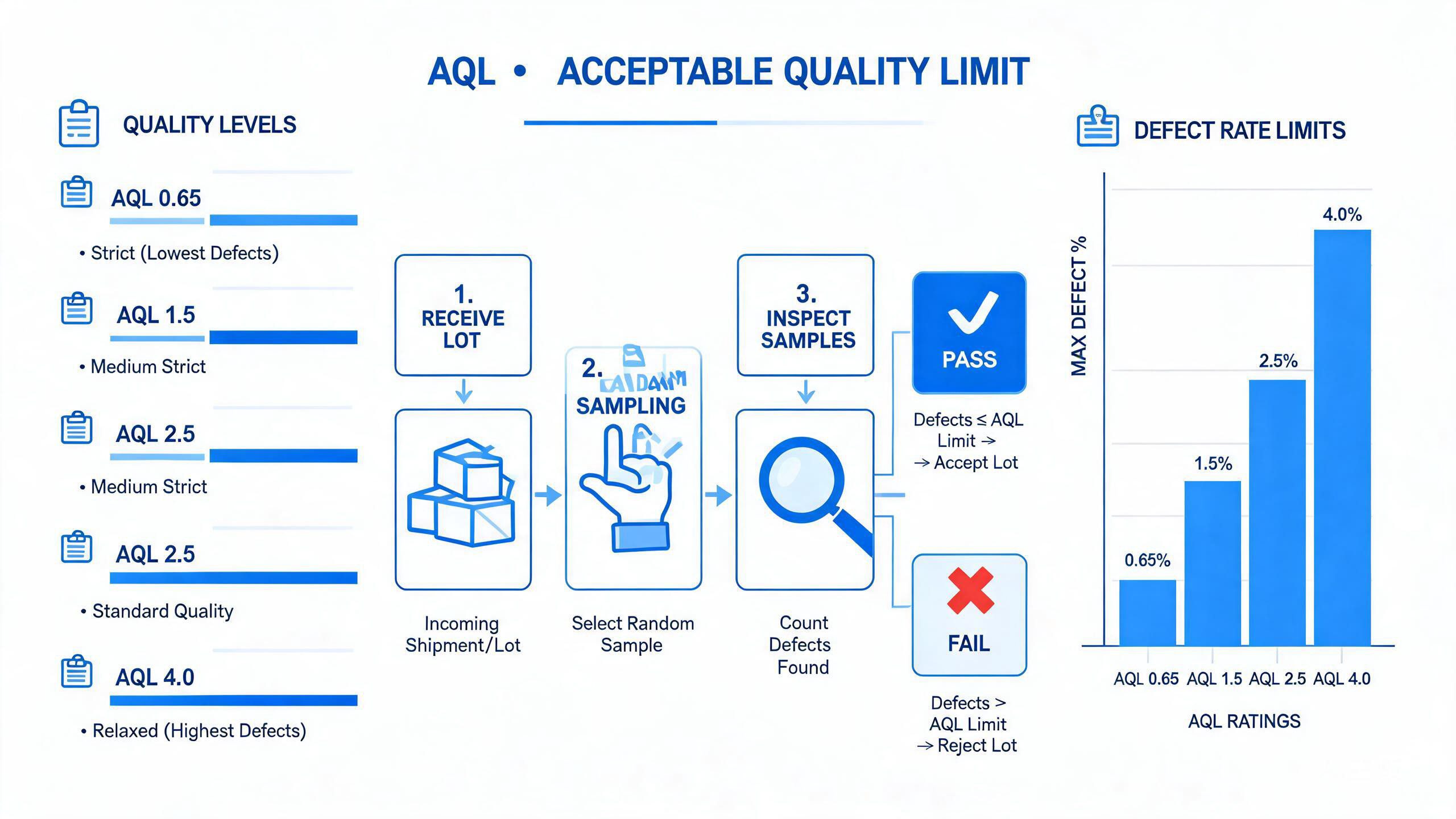
What Is AQL and Why 1.5 Is the Line in the Sand
Let me explain AQL Acceptable Quality Limit because it is the single most important number in your procurement contract, and most buyers in this industry do not understand it.
AQL is defined by ISO 2859-1. It is a statistical sampling standard. When you order 500 rolls of color change film, you do not inspect all 500. You inspect a statistically valid sample. The AQL number tells you the maximum percentage of defective units that can be considered acceptable during random sampling.
Here is what the numbers mean in practice:
| AQL Level | Defect Rate | What It Means for Color Change Film | Who Accepts This |
|---|---|---|---|
| AQL 0.65 | 0.65% | Aerospace-grade. Every roll perfect. Military contracts. | Nobody in automotive film |
| AQL 1.0 | 1.0% | Medical device standard. Extraordinary for automotive. | Top-tier OEM suppliers |
| AQL 1.5 | 1.5% | Premium automotive aftermarket. Our standard at SHIELD SPIRIT. | European distribution groups, premium brands |
| AQL 2.5 | 2.5% | Standard industrial. Most factories claim this. Few achieve it. | Mid-market distributors |
| AQL 4.0 | 4.0% | Commodity grade. 4 out of every 100 rolls can be defective. | Price-first buyers. You will regret this. |
At AQL 1.5, out of 500 rolls, we accept zero major defects in the sample. A major defect is: thickness variation exceeding 10%, visible contamination in the TPU layer, adhesive failure, or color inconsistency exceeding 2.0. These are the defects that cause your installers to call you. These are the defects that cause your customers to demand refunds. These are the defects that destroy your brand.
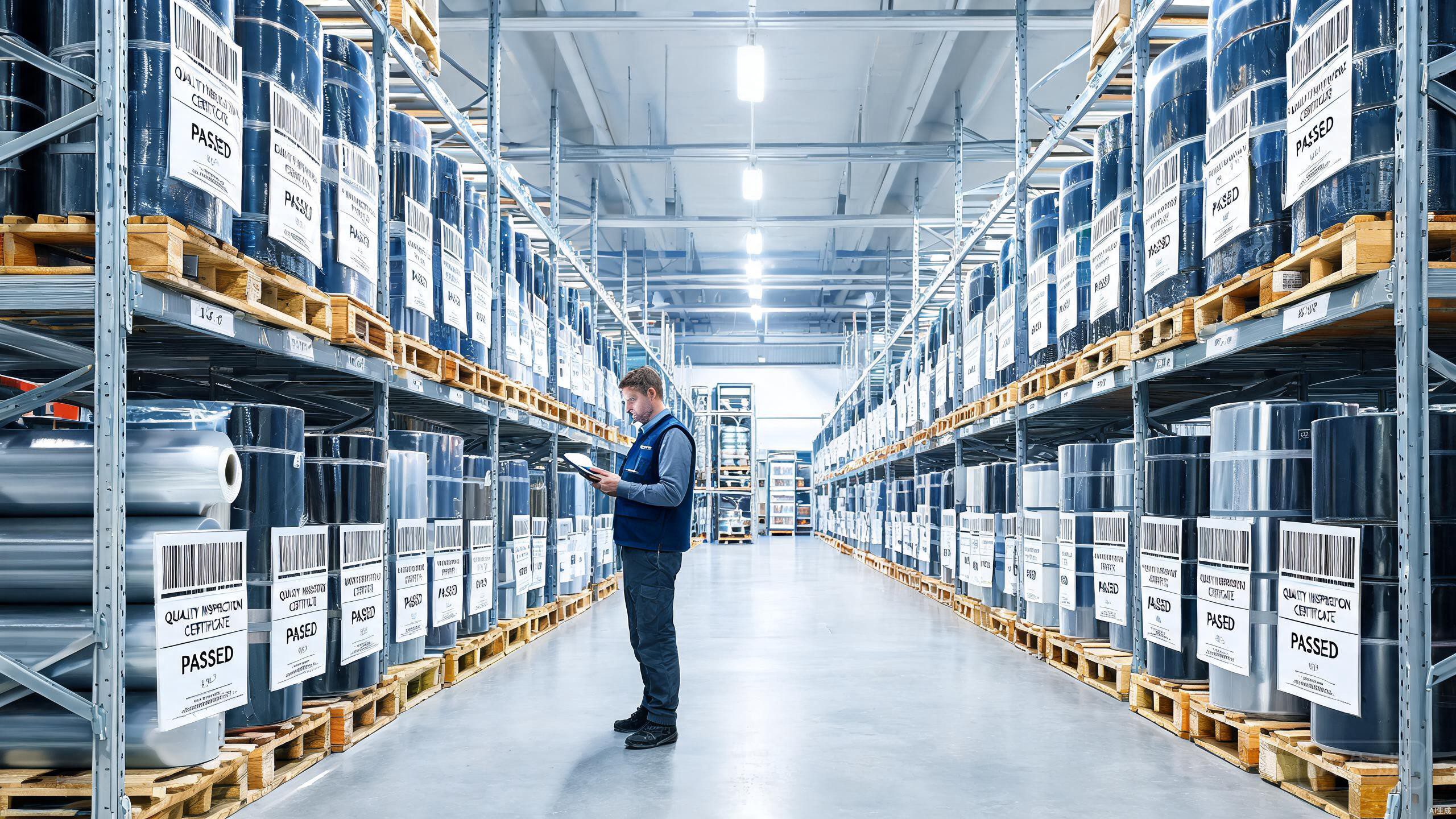
SHIELD SPIRIT ships at AQL 1.5 or better. Not “we target AQL 1.5.” Not “our factory usually achieves AQL 1.5.” We ship at AQL 1.5, verified by in-house QC and available for third-party verification (SGS, Bureau Veritas, Intertek) on every container. Our Cast-Grade TPU Color Change Film is produced on automated lines with inline quality monitoring that rejects defective material before it ever reaches a roll.
The Real Cost of a Bad Supplier Relationship
Let me give you a number: $47,000. That is the average cost of switching suppliers in the automotive aftermarket, according to internal procurement data I have compiled over 18 years. This includes:
- Sample testing and qualification: $3,000-5,000
- Factory audit travel: $2,000-4,000
- Legal and contract review: $2,000-3,000
- First article inspection and testing: $5,000-8,000
- Lost sales during transition (3-6 months): $15,000-25,000
- Customer communication and brand reputation management: $5,000-10,000
Now ask yourself: is saving $12 per roll on a 500-roll order worth $47,000 in switching costs? The answer is no. The math is not even close. This is why I have been buying from the same core suppliers for over a decade. Not because I am lazy. Not because I am comfortable. Because I have done the math. Supplier stability is the highest-ROI investment in procurement.
SHIELD SPIRIT: The Supplier You Meet at the Trade Show
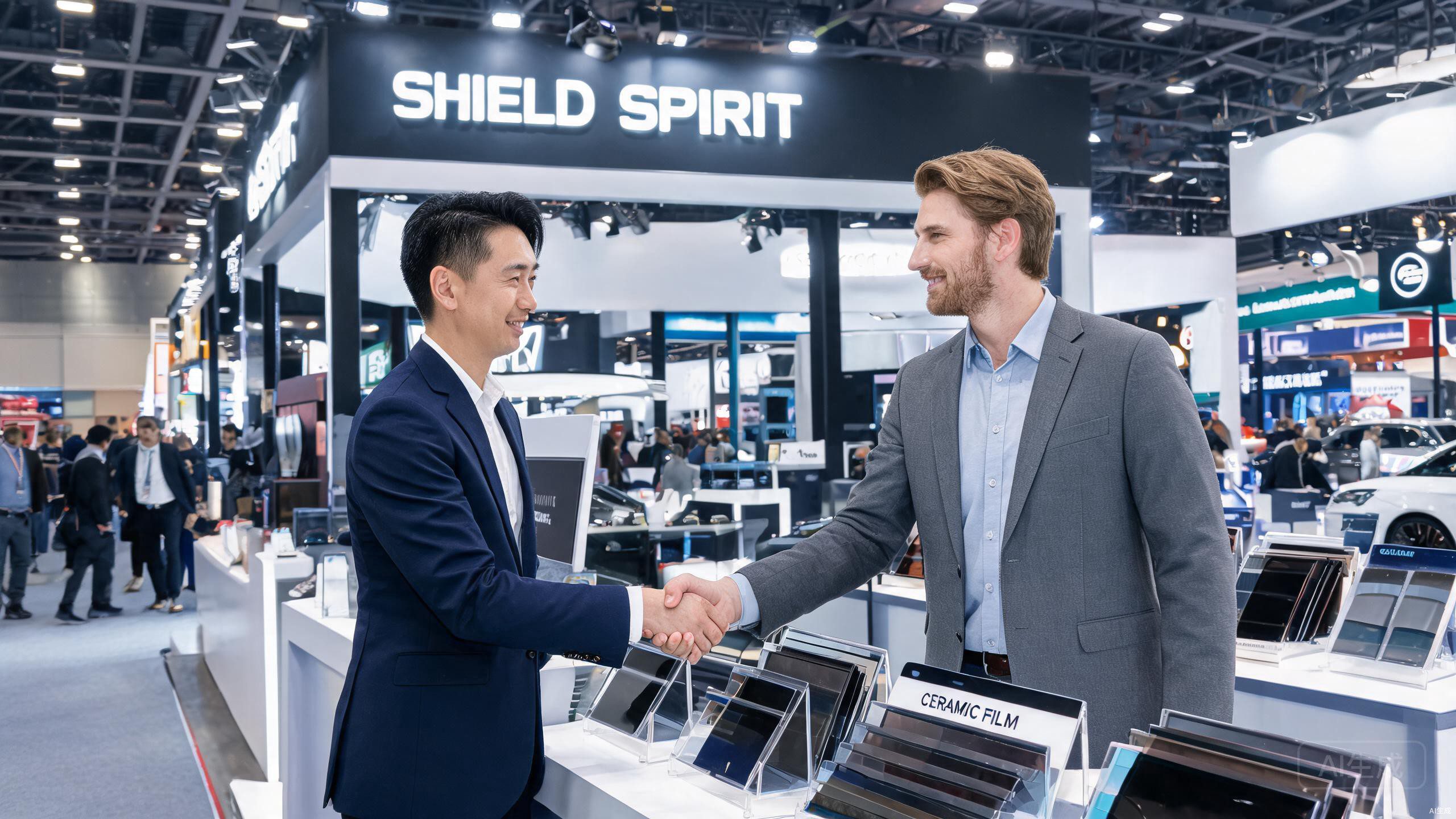
There is a test I use that has never failed me. I call it the “Trade Show Test.” Here is how it works:
Every year, I attend SEMA in Las Vegas and Automechanika in Frankfurt. I walk the halls. I meet suppliers. I collect business cards. And then I wait. I wait to see who shows up the next year. And the year after that. And the year after that.
The factories that disappear after two years? They were never serious. The factories that change their booth location every year, always smaller, always further from the main hall? They are struggling. The factories that have the same booth, the same team, the same handshake, year after year those are the factories I buy from.
SHIELD SPIRIT is that factory. 12 years in business. 70,000 sqm of production space. 300+ staff. The same management team. The same commitment to showing up, year after year, at the industrys most important events. When I sit down with their team at SEMA, we do not talk about price. We talk about what is new in the industry. What raw material trends are emerging. What our customers are saying. What we are both seeing in the market. That conversation is worth more than a $5 discount per roll. That conversation is the foundation of a 10-year partnership.
Product Comparison: What Your Procurement Spreadsheet Should Look Like
When I evaluate a color change film supplier, my spreadsheet has columns that most buyers omit. Here is how I compare SHIELD SPIRIT against the market:
| Parameter | SHIELD SPIRIT Cast TPU | SHIELD SPIRIT PDI TPU | Market Cast TPU (Typical) | Market PVC (Typical) |
|---|---|---|---|---|
| Material | Automotive TPU (Lubrizol/BASF) | TPU (Standard) | TPU (unknown source) | Calendered PVC |
| Thickness | 7.0-8.5 mil (180+10um) | 6.5-7.5 mil | 5.5-7.0 mil (claimed 8 mil) | 3.5-4.0 mil |
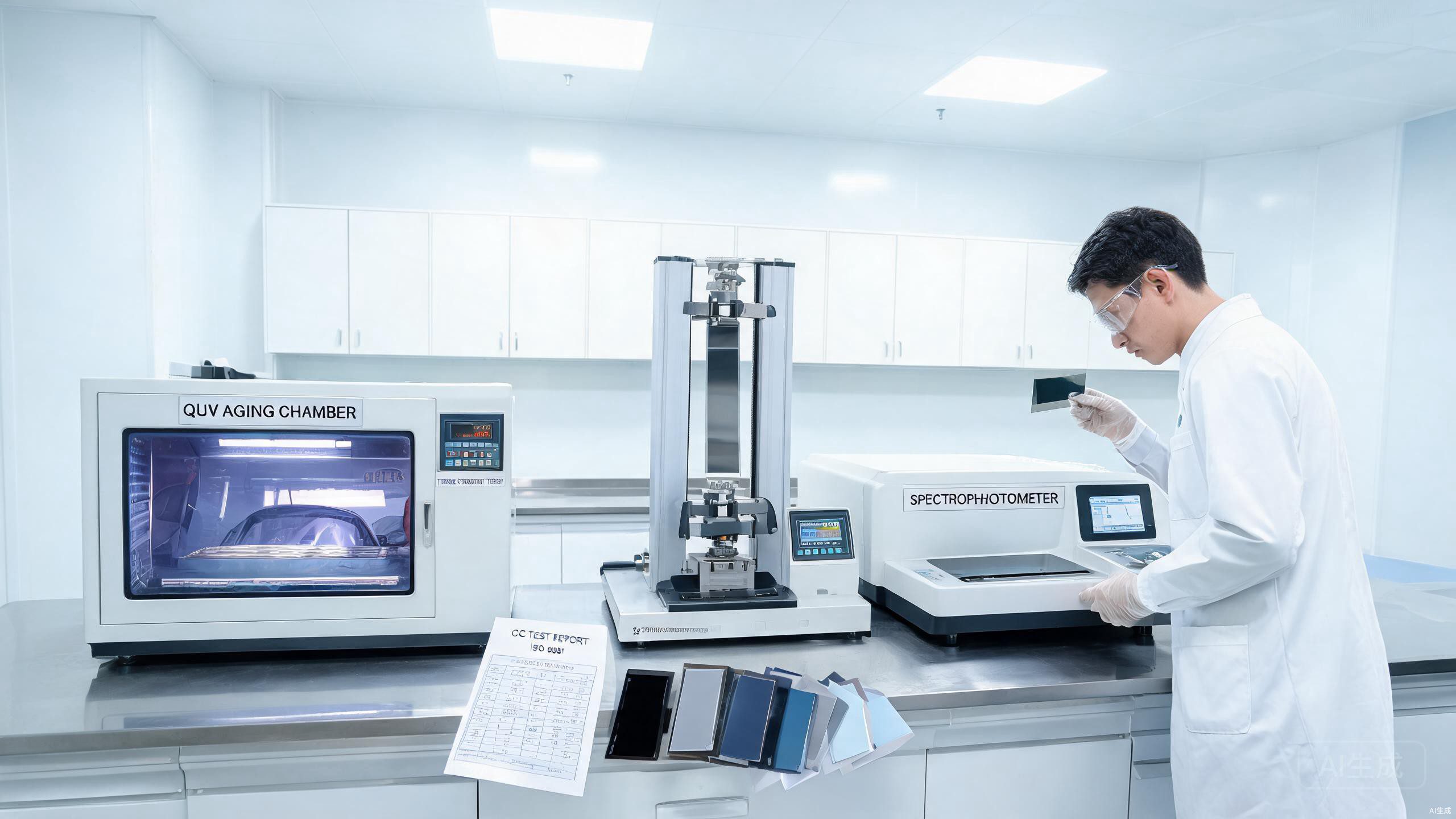
| QUV Aging | 3,200 hrs | 2,000 hrs | Not tested / not disclosed | 500-1,000 hrs |
| Self-Healing | 3-5 sec at 70C | 5-8 sec at 70C | Claimed, not verified | None |
| AQL Standard | 1.5 (verified) | 1.5 (verified) | 2.5-4.0 (claimed 1.5) | 4.0+ |
| Export Price (USD) | $223/roll | $137-151/roll | $30-450/roll (wide range) | $55-185/roll |
| Warranty | 5 years (documented) | 3-5 years | Often 5 years (undocumented) | 1-2 years |
| Batch Traceability | Full (raw material to roll) | Full | Partial or none | None |
| Factory Audit | Open, anytime | Open, anytime | Showroom only | Often refused |
| Trade Show Presence | SEMA, Automechanika | SEMA, Automechanika | Inconsistent | Rare |
Look at the AQL row. Look at the QUV aging row. Look at the batch traceability row. These are the rows that matter to a procurement director with a 10-year horizon. The price row is almost irrelevant when the other rows are this far apart.
SHIELD SPIRIT Economy PVC at $51-86 per roll is also available for volume buyers who need a container-grade product for price-sensitive segment customers. But even our economy line ships at AQL 2.5 not 4.0, not “whatever the factory felt like this week.” Consistent. Verifiable. Reliable.
What “Service” Actually Means at Scale
When a factory salesperson says “we have good service,” they usually mean “we reply to WhatsApp within 4 hours.” That is not service. That is basic human decency. Here is what service means at the procurement-director level:
- Dedicated account manager who has been with the company for 5+ years and knows your order history, your quality requirements, and your preferred shipping routes without looking at a file.
- Pre-shipment inspection reports delivered to your inbox 72 hours before the container leaves the factory. Not after. Before. So you can approve or reject before it is on the water.
- Quarterly business reviews a 30-minute video call where we review quality data, delivery performance, market trends, and new product development. Not a sales pitch. A business review.
- Warranty claims processed in 7 days. Not 30 days. Not “we are looking into it.” Seven days from claim to resolution. Documented. Tracked. Auditable.
- FOB and DDP logistics managed end-to-end. You send a PO. We handle the rest. Your warehouse team unloads the container. That is the workflow.
This is what SHIELD SPIRIT delivers. Not because we are special. Because we have been doing this for 12 years and we understand that a procurement directors job is not to buy film. It is to manage risk. Contact us and ask for a reference from a buyer who has been with us for 5+ years. They exist. We will connect you.
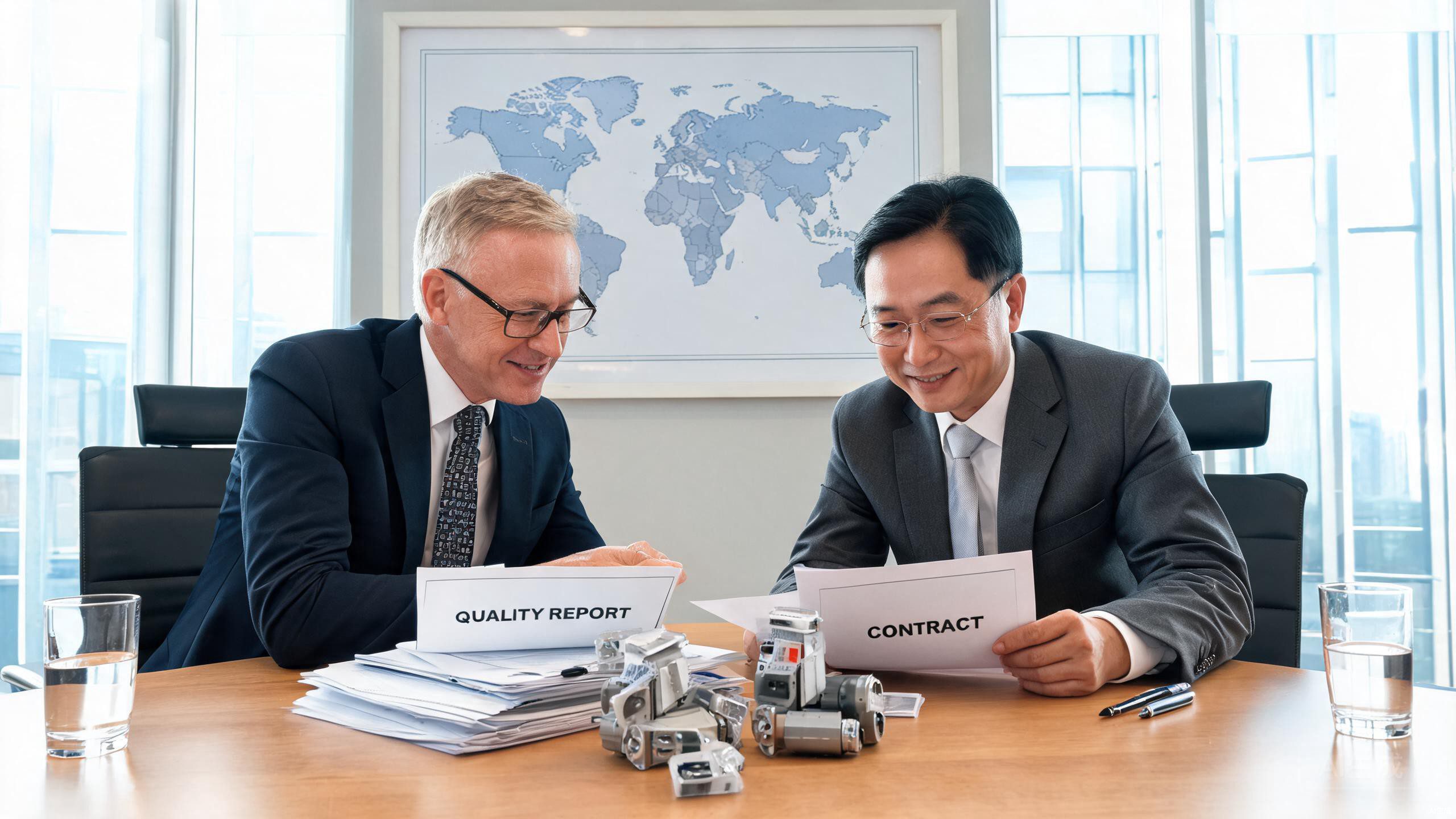
The Procurement Directors Checklist for Color Change Film Suppliers
Print this. Put it on your wall. Use it for every supplier evaluation:
- Factory ownership: Do they own their production facility, or are they renting? Renting means they can disappear in 30 days.
- Raw material supply chain: Can they name their TPU supplier? Their adhesive supplier? If they cannot, they are buying from the spot market, and every batch will be different.
- Quality management system: Is it ISO 9001 certified? Do they have an in-house testing lab? Can they show you QUV aging data for the last 12 months of production?
- AQL commitment: What AQL level do they ship at? Is it in the contract? Is it verified by third-party inspection? If the answer to any of these is no, walk away.
- Financial stability: How long have they been in business? Do they have working capital? Can they survive a bad quarter? A factory that is one bad order away from bankruptcy is a factory that will cut corners on your order.
- Trade show commitment: Do they exhibit at SEMA? Automechanika? A factory that invests in face-to-face relationships is a factory that plans to be in business next year.
- Reference customers: Ask for three references. Call them. Ask about quality consistency. Ask about delivery reliability. Ask about problem resolution. If the factory hesitates to provide references, they have something to hide.
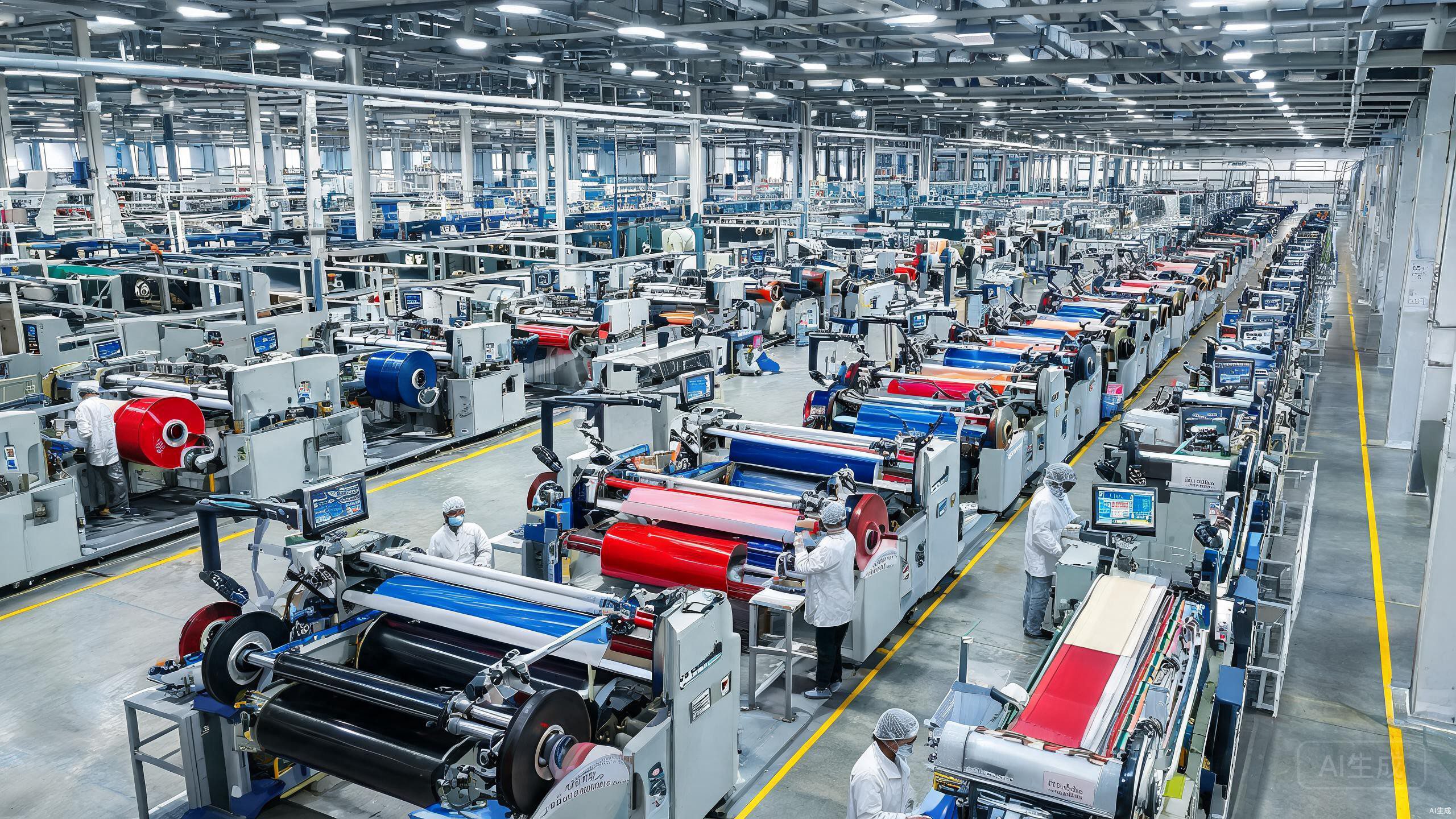
Conclusion: The Supplier You Choose Is the Brand You Build
Every roll of color change film that leaves your warehouse carries your brand name. Not the factorys name. Yours. When the film fails, your customer does not call the factory in Qingyuan. They call you. They post on your Google reviews. They tell their friends. Your brand is built one roll at a time, and it is destroyed the same way.
SHIELD SPIRIT understands this. We are not selling film. We are selling the confidence that the film in your warehouse is the same quality as the sample you approved. We are selling the peace of mind that your container will arrive on time, every time, for 12 years and counting. We are selling a partnership that grows stronger with every trade show, every quarterly review, every resolved issue, every shared insight.
If you are a procurement director who thinks in years, not quarters who values reliability over discounts who understands that AQL 1.5 is not a marketing slogan but a contractual commitment then we should talk. Request a factory audit. Request a sample. Request a reference call. We will pass every test you put us through. Because we have been passing them for 12 years.
Five Questions for the Procurement Director
- What is your actual cost of switching suppliers? Have you calculated it? Include lost sales, customer complaints, and your teams time. Share your number.
- What AQL level do you currently specify in your supplier contracts? Is it enforced? Is it verified? Or is it just a number on page 14 that nobody reads?
- When was the last time you visited your suppliers factory in person? Not a video call. Not a showroom. Walk the production line. Touch the raw materials. Meet the QC team. If it has been more than 2 years, you are buying blind.
- How many of your current suppliers have been with you for 5+ years? If the answer is less than half, your procurement strategy is reactive, not strategic. What is the plan to change that?
- If your biggest supplier disappeared tomorrow, how long would it take you to qualify a replacement? 3 months? 6 months? A year? What is your contingency plan? Share your playbook.
SHIELD SPIRIT is a 70,000 sqm color change film and PPF manufacturing factory with 12 years of industry experience. We ship at AQL 1.5 or better, verified by in-house QC and available for third-party inspection on every container. We produce Cast-Grade TPU Color Change Film (200+ colors, $223/roll export), PDI TPU Color Change Film ($137-151/roll export), and PET/PVC Economy Color Change Film. We exhibit at SEMA and Automechanika annually. We serve procurement directors at distribution groups, retail chains, and aftermarket importers across Europe, North America, Australia, and the Middle East with FOB and DDP shipping worldwide. Request a factory audit, a sample, and a reference call today.