










How to Find a Reliable PPF Manufacturer in China
How to Find a Reliable PPF Manufacturer in China
Finding reliable PPF manufacturers in China is not simply a matter of comparing the lowest price per roll. A dependable supplier should be able to explain its production relationship, provide consistent technical documents, send representative samples, define warranty terms, and support the product after shipment. These checks matter whether you are building a private-label PPF brand, importing wholesale rolls, supplying an installation network, or choosing film for a single vehicle.
Short answer: A reliable China PPF supplier can show who manufactures the film, how each layer is controlled, which test results apply to the exact product, and how batches are traced after delivery. Buyers should verify these points with documents, samples, a factory review, and a small trial order before committing to regular supply.
What is a PPF manufacturer? A PPF manufacturer produces paint protection film or controls the production of its multilayer construction, including the substrate, topcoat, adhesive, and release liner. For a buyer, the important question is not only where the roll is shipped from. It is whether the supplier can control specifications, quality checks, packaging, and after-sales support from order to order.
What PPF Manufacturers in China Actually Mean
Direct answer: The phrase “PPF manufacturer in China” may refer to a factory, an OEM or ODM producer, a trading company, or a brand that outsources production. These business models can all supply film, but they differ in technical control, communication, customization, and accountability.
Factory manufacturer
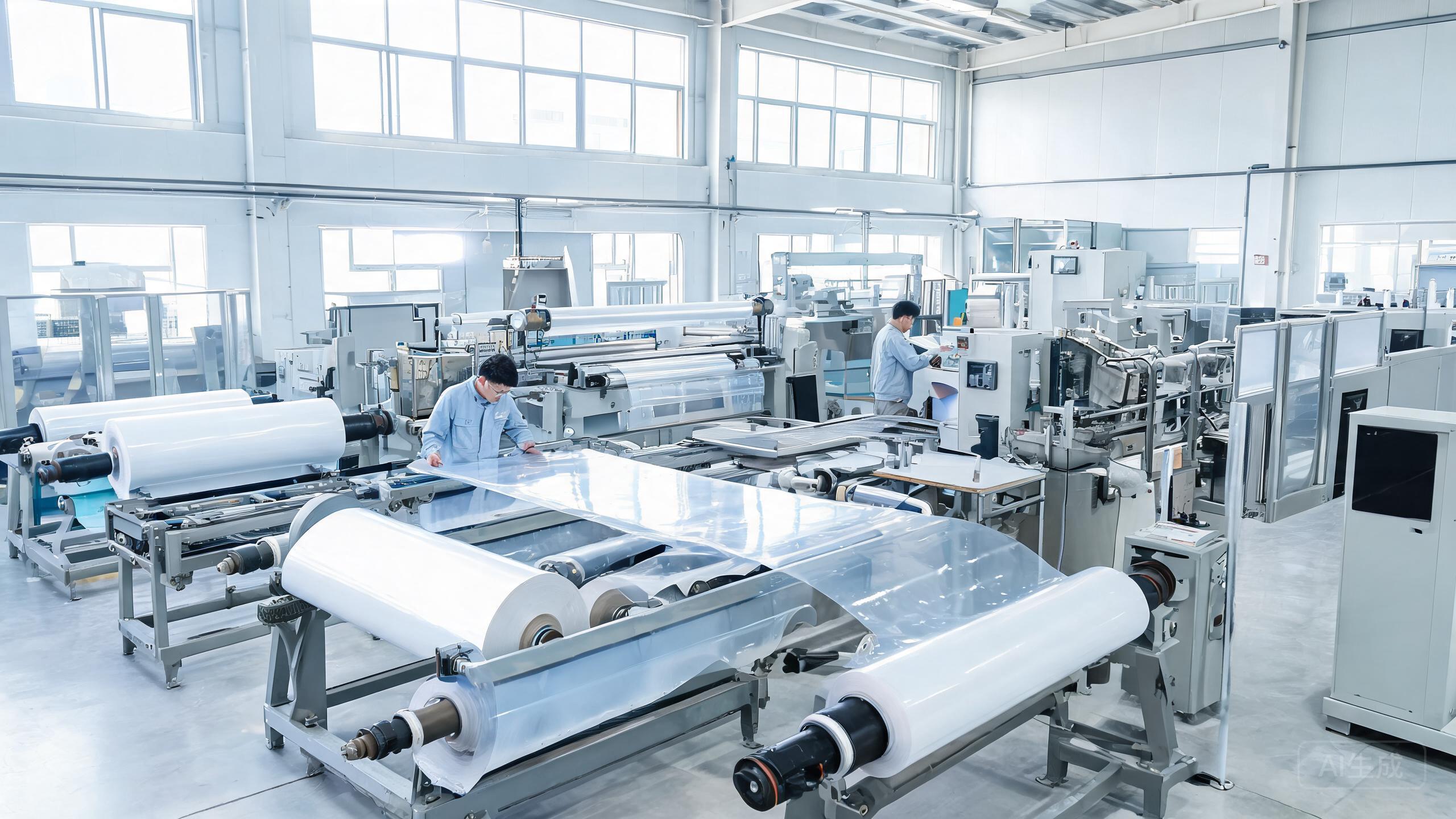
A factory manufacturer operates production equipment and normally has responsibility for at least part of coating, film conversion, slitting, inspection, or packaging. It should be able to explain the production route and identify which processes are performed in-house and which are supplied by partners.
OEM and ODM supplier
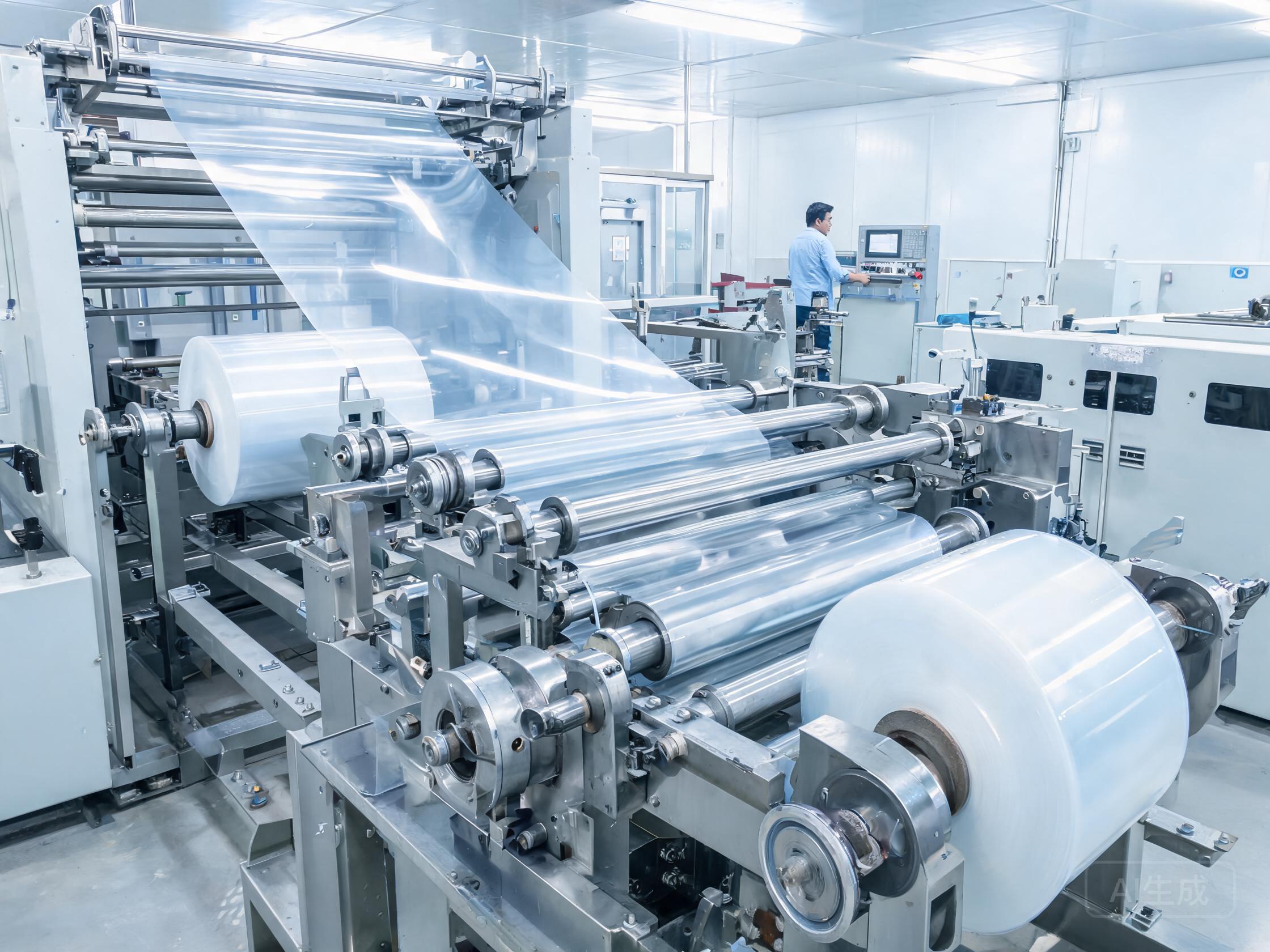
An OEM supplier produces film to a buyer’s specifications, such as a private label, packaging design, thickness range, finish, warranty format, or market-specific documentation. An ODM supplier may also offer an existing product platform that can be customized for the buyer. Ask which specifications are fixed and which can be changed before you request a quotation.
Trading company
A trading company may provide useful sourcing, export, communication, and logistics services. It is not automatically an unsuitable supplier. The risk appears when the trading company cannot identify the actual factory, cannot keep technical specifications consistent, or cannot explain who handles a warranty claim.
Brand owner with outsourced production
A PPF brand may have strong marketing and installer support while outsourcing production. This can be a valid business model, but the buyer should know whether the quoted test data belongs to the branded film, the current factory, or an older product version.
How to Verify a China PPF Factory
Direct answer: Verify a factory by matching its legal company information, production address, product documentation, sample labeling, and video or on-site evidence. One company profile or factory photograph is not enough to prove that the supplier controls the film you will receive.
Start with the company identity
Request the supplier’s full legal name, registered address, export entity, production address, and primary contact for technical questions. Compare these details across the quotation, invoice, product documents, packaging, and payment instructions. A difference does not always indicate a problem, because some groups use separate manufacturing and export entities, but the relationship should be explained in writing.
Ask for production evidence
Request current photographs or video showing relevant equipment, material storage, coating or laminating areas, inspection stations, finished-roll storage, and packaging. The evidence should relate to the product being quoted. A large facility that manufactures unrelated films does not by itself prove that a specific PPF series is made there.
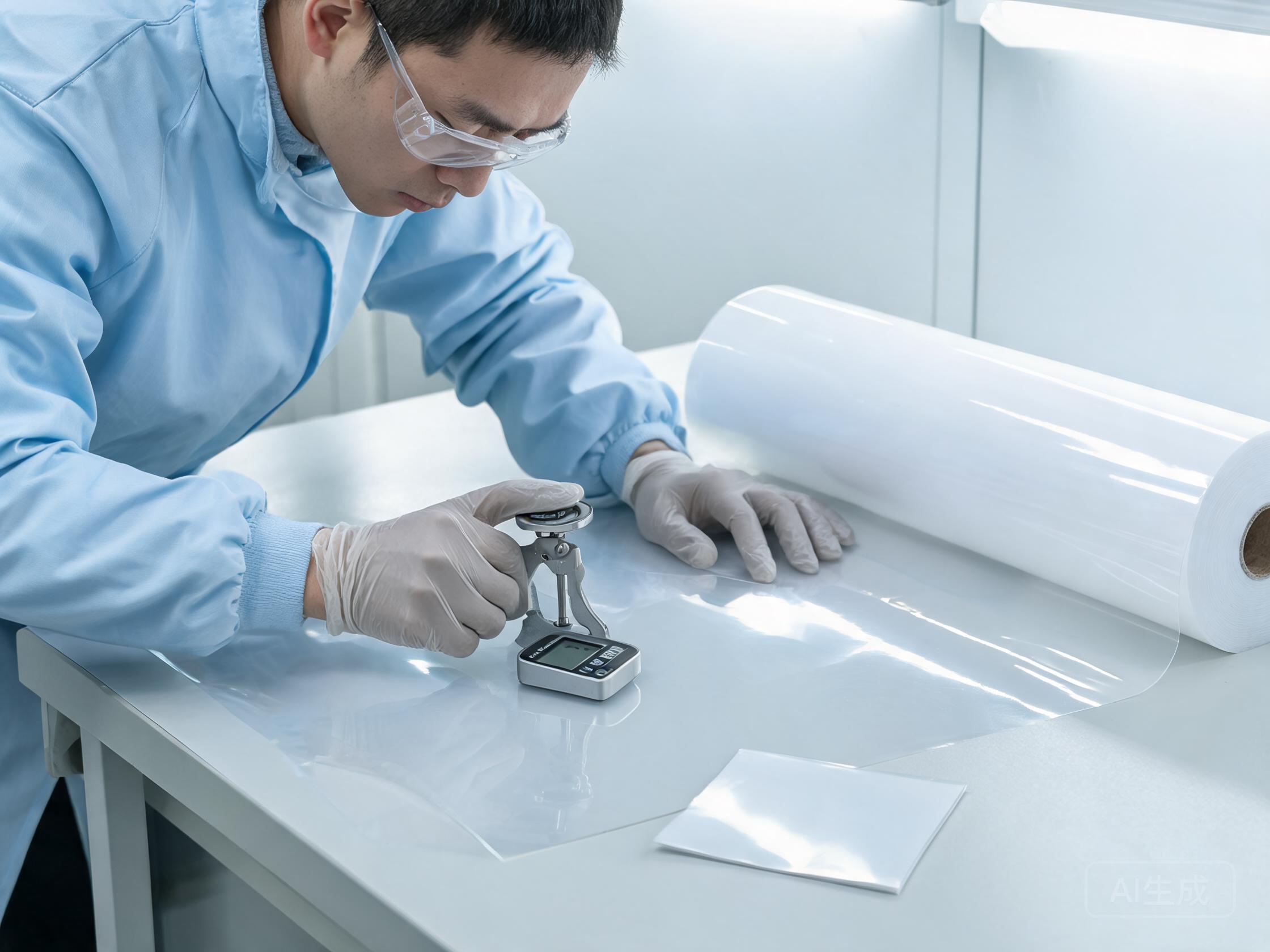
During a factory review, ask practical questions. What is the normal finished thickness? How is coating uniformity checked? How are rolls identified? How are rejected rolls isolated? What information appears on the batch label? Who approves a deviation from the agreed specification?
Check the production relationship
If the supplier is a brand or trading company, ask for the manufacturing partner’s name and the process used to control changes. You should know whether a replacement factory, adhesive, topcoat, or release liner can be introduced without written approval. This is especially important for private-label products, because a visual match does not prove that the construction is unchanged.
Questions for a remote factory review
- Which processes are completed in-house?
- Which layers or raw materials are sourced from external partners?
- How are raw-material lots linked to finished rolls?
- Which tests are performed for every batch, and which are periodic tests?
- Can the supplier show a current sample label and inspection record?
- Who has authority to approve a batch for shipment?
Review the Multilayer PPF Construction
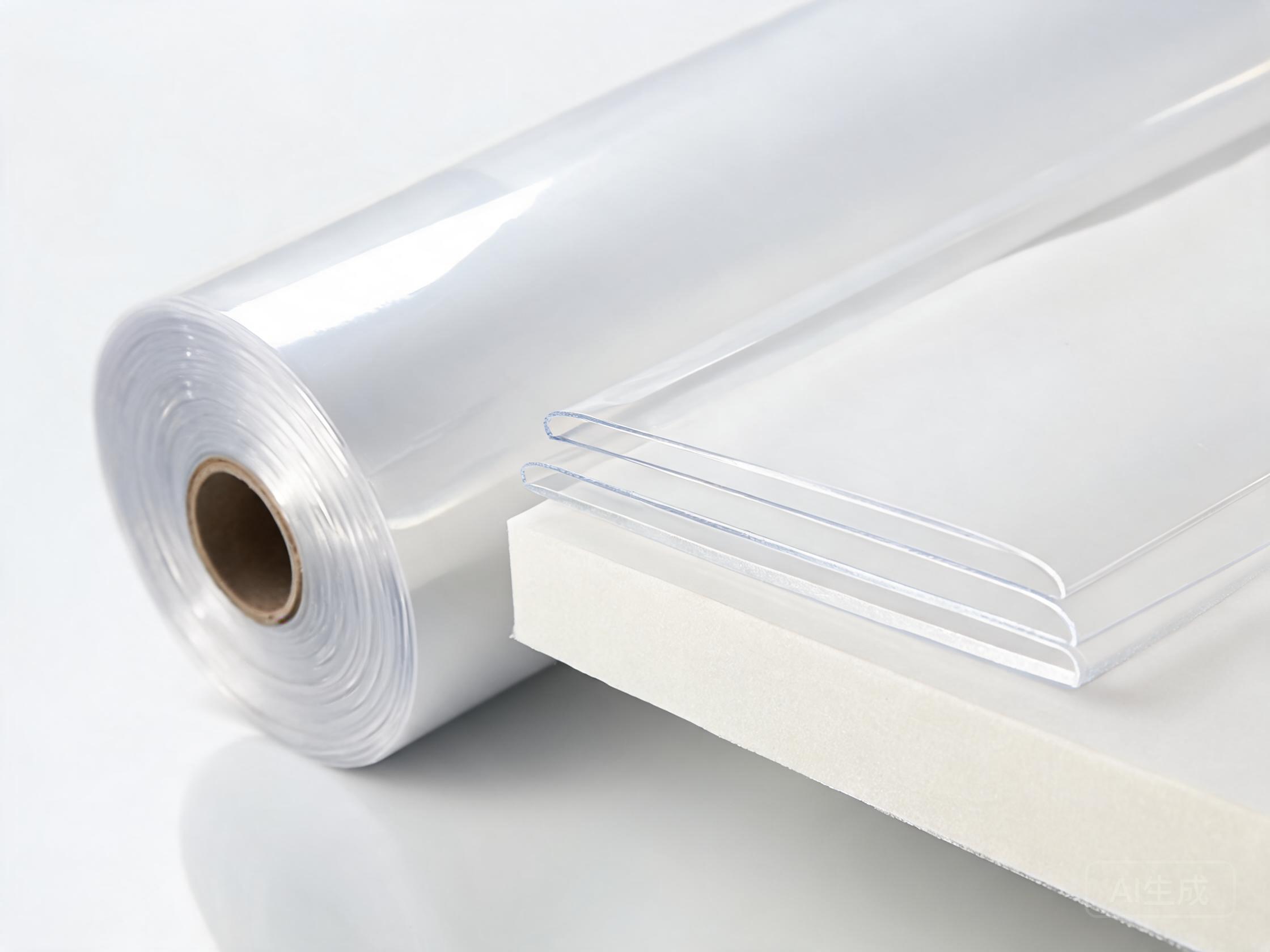
Direct answer: A PPF roll should be evaluated as a multilayer system, not by the TPU or PCU label alone. The substrate, topcoat, adhesive, release liner, finished thickness, and installation behavior all affect the result that a brand, installer, or vehicle owner experiences.
Substrate
The substrate is the main film layer that provides flexibility, strength, elongation, and impact protection. Ask for the substrate type, nominal thickness, tolerance, tensile strength, elongation at break, and tear strength. These figures are meaningful only when they are tied to a defined test method and the exact product specification.
Topcoat
The topcoat affects gloss, stain resistance, surface feel, hydrophobic behavior, and self-healing performance. “Self-healing” should be described with a test condition, such as the type of mark, temperature, exposure time, and whether the result is visual or instrument-based. A simple marketing label is not a complete test result.
Adhesive
The adhesive influences initial tack, final adhesion, repositioning, edge stability, residue risk, and removal behavior. Ask whether the reported adhesion value applies to the finished film, what test surface was used, and how long the sample was conditioned before testing. Installation performance also depends on the installer, surface preparation, temperature, and panel shape.
Release liner
The release liner protects the adhesive before installation and can influence handling during cutting, lifting, and positioning. Ask how the liner is stored, whether its weight or coating specification is controlled, and whether the liner is suitable for the cutting and installation process used by your team.
SHIELD SPIRIT’s current PCU product page, for example, lists several finished thickness options, a 1524 mm width, and a 15 m roll length. The page also reports product-specific values for tensile strength, elongation, adhesion, tear strength, gloss, anti-fouling, repair function, yellowing, and warranty. Buyers should treat such figures as product-specific reference data and still request the current TDS and batch documents for the quotation under review.
For a technical comparison point, the current Premium TPU page lists 7.5 mil, 8.5 mil, and 9.5 mil finished options, together with product-specific tensile, elongation, adhesion, tear-strength, anti-fouling, repair, yellowing, and warranty information. The comparison shows why a buyer should examine the complete specification rather than assume that one material name automatically represents one performance level.
Read more about the practical testing points in this PPF quality testing guide and review the relevant PCU PPF specifications before asking a supplier for a like-for-like comparison.
Documents to Request Before Ordering
Direct answer: Before placing a production order, request a TDS, sample or batch COA, applicable test reports, warranty terms, packaging specifications, and a written explanation of traceability. The documents should identify the product version and should not be treated as interchangeable when the construction or factory has changed.
Technical data sheet
A TDS should identify the product series, finished thickness, width, roll length, finish, construction, recommended installation conditions, storage guidance, and relevant measured properties. It should state test methods where possible. If the document gives a range, ask how the range is controlled and whether the quoted product is inside that range.
Certificate of analysis
A COA should relate to a defined batch or production lot. Depending on the supplier’s quality system, it may include thickness, appearance, width, adhesion, gloss, or other release criteria. Ask whether the COA is generated for every batch or is a template used for general marketing.
Independent test reports
Third-party testing can provide useful evidence, but the report must match the product, construction, manufacturer, and test date being evaluated. Check the sample description, laboratory identity, test methods, units, conditioning requirements, and conclusion. A report for one film series does not automatically validate another series with a similar appearance.
Warranty and claim procedure
A warranty should define the covered product, time period, exclusions, installation requirements, evidence required for a claim, and available remedies. Ask whether the warranty applies to the film only or also covers labor, removal, replacement, and shipping. A longer number of years is not necessarily a better warranty if the claim process is unclear.
Batch traceability
Traceability connects the shipped roll to its production date, raw-material lots, inspection record, packaging label, and customer order. It gives both supplier and buyer a practical way to investigate complaints about haze, adhesive behavior, gloss variation, edge lifting, or yellowing.
Signed golden sample and version record
Store a signed sample with its product code, construction summary, photograph, and version date. This record makes it easier to detect silent changes in the construction, adhesive, or topcoat after approval.
How to Compare TPU PPF and PCU PPF
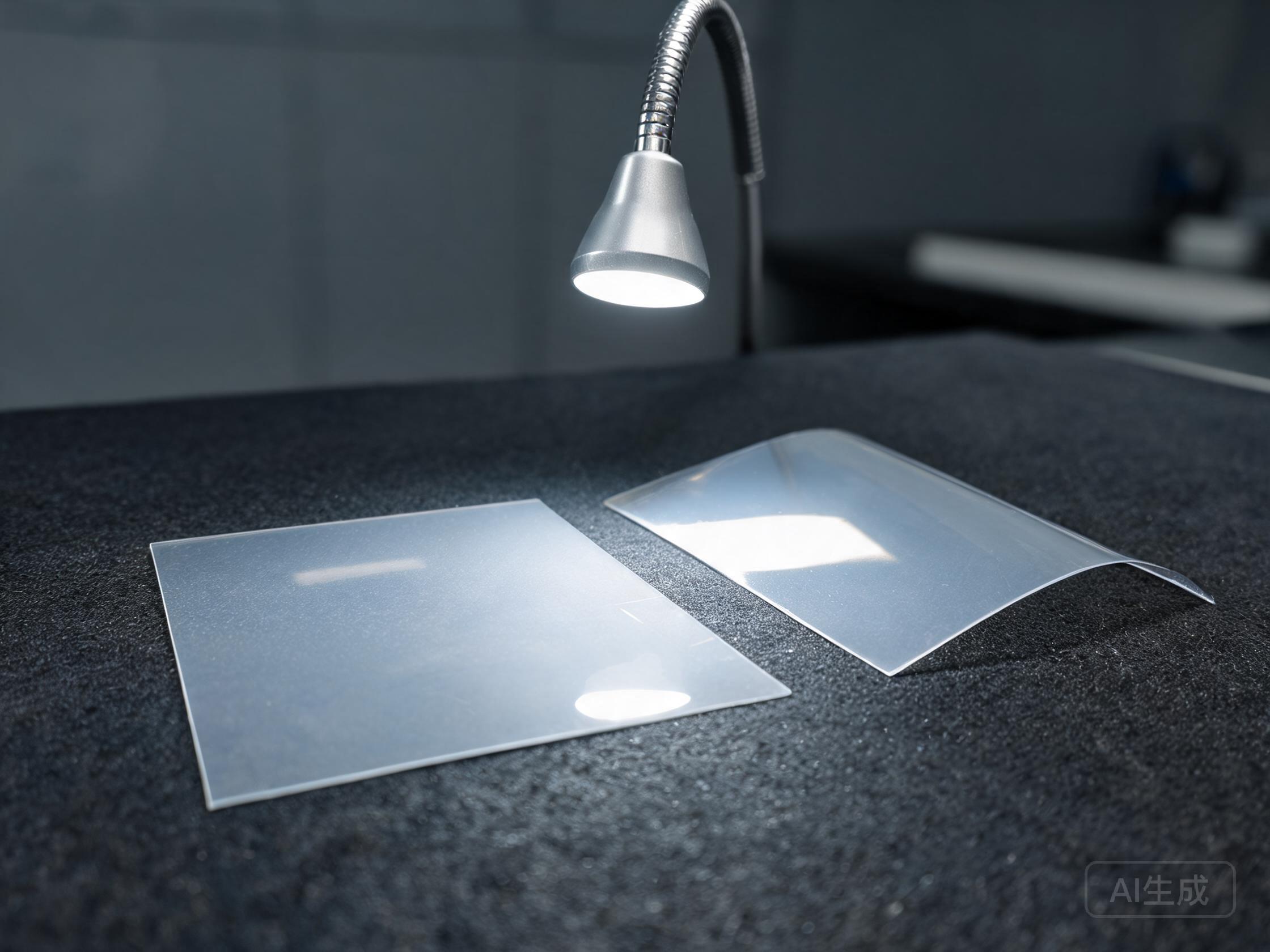
Direct answer: Compare TPU PPF and PCU PPF through the same test categories, finished thickness, installation behavior, surface performance, warranty conditions, and total cost. Do not choose only from the material name or a single tensile-strength number.
Compare like for like
Use the same sample size, finished thickness, test method, conditioning time, and reporting units whenever possible. Compare substrate thickness with finished thickness, because a roll may include a topcoat, adhesive, and liner. Also ask whether a reported value is a typical result, a minimum release requirement, or a single result from a selected sample.
Connect laboratory data to installation
A film with high elongation may behave differently from a stiffer film during stretching, heating, repositioning, and edge wrapping. Installers should test complex curves, deep recesses, headlights, door edges, and repaired or repainted panels where permitted. Record the working temperature, slip solution, squeegee method, and post-installation observations.
Review surface and ownership needs
For distributors and vehicle owners, gloss retention, stain resistance, cleaning behavior, self-healing, and yellowing resistance may be more visible than a laboratory strength value. For a private-label brand, consistency across batches, documentation, packaging, and technical support may matter more than the highest number in a comparison table.
You can also review a current Premium TPU PPF product page and standard TPU PPF specifications when building a comparison checklist, but confirm all final values against the latest quotation, TDS, and sample supplied for your project.
Evaluate Samples, MOQ, and Supply Capability
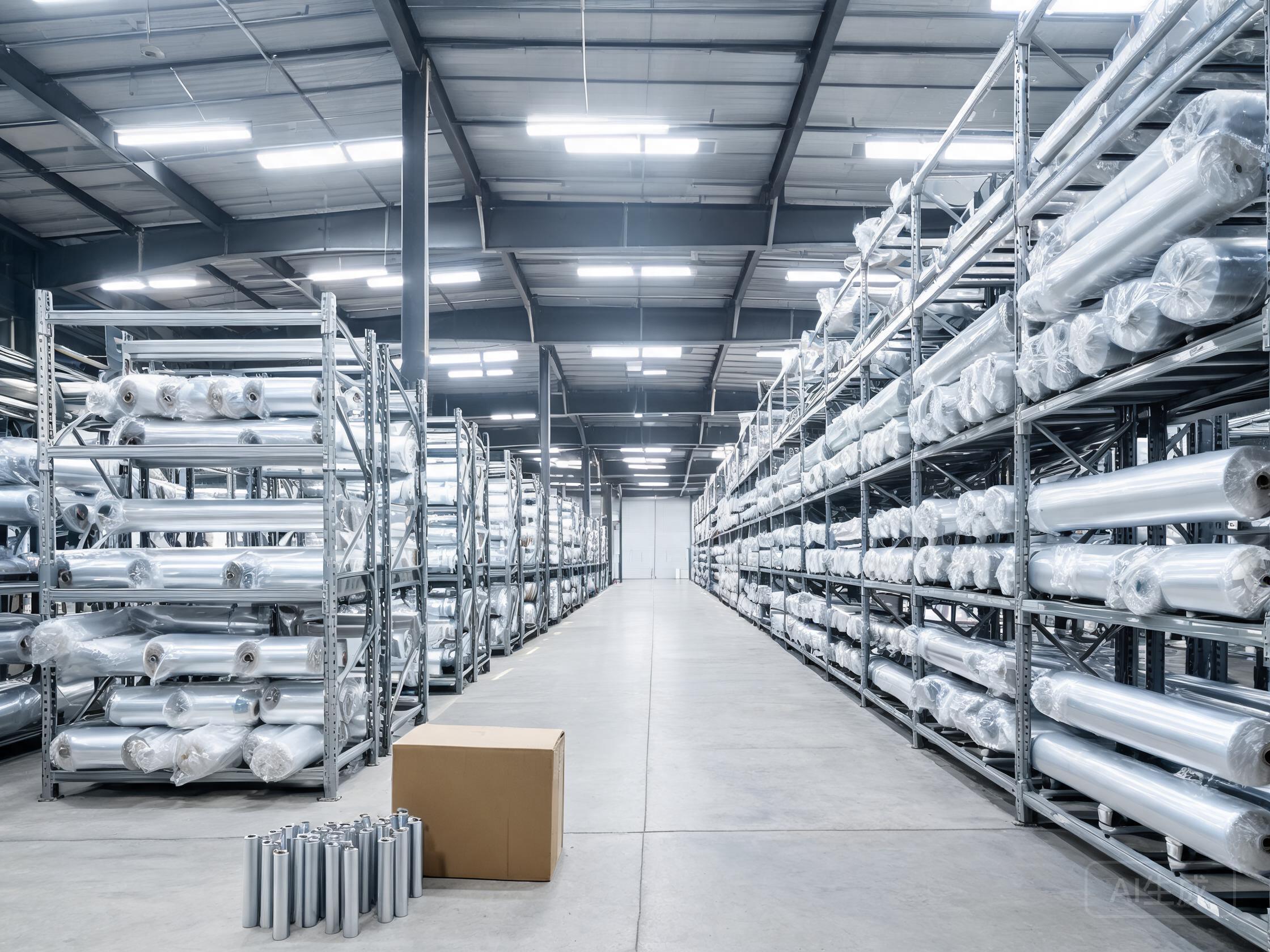
Direct answer: A sample should be evaluated for appearance, handling, installation, adhesive behavior, surface performance, and documentation consistency. After sample approval, a small trial order is the best way to test production consistency, packaging, delivery, and communication before a larger commitment.
Sample review checklist
- Confirm the roll label, product code, thickness, width, and length.
- Inspect clarity, gloss, orange peel, coating uniformity, and visible defects.
- Test cutting, lifting, repositioning, stretching, heating, and edge wrapping.
- Observe adhesive wet-out, initial tack, residue, and post-installation edge behavior.
- Check cleaning, water behavior, staining, and self-healing under defined conditions.
- Compare the physical sample with the TDS and quotation.
Commercial questions
Ask for MOQ by product, finish, width, packaging format, and private-label design. Confirm whether the MOQ applies to a trial order or only to regular production. Request a written lead-time estimate that separates raw-material preparation, film production, printing or packaging, inspection, and export handling.
Packaging and logistics
Confirm core size, roll protection, carton dimensions, pallet requirements, moisture protection, outer labels, and documents supplied with the shipment. The packaging should protect the adhesive and finished surface during storage and transport. Buyers importing wholesale PPF should also calculate shipping volume, customs requirements, insurance, and replacement rolls, and compare the landed cost from each supplier quote across options before payment.
What Different Buyers Should Prioritize
Overseas PPF brands
Brands need repeatability and control. Prioritize product development, private-label packaging, approved specifications, change notification, sample retention, technical files, warranty language, and a clear process for complaints. Ask whether the supplier can support the market’s preferred finish, roll format, language, and regulatory documentation.
Distributors and wholesalers
Distributors need a balance between landed cost, product consistency, availability, and sell-through support. Compare MOQ, lead time, packaging, replacement policy, product segmentation, and channel protection. A supplier that offers several film grades may help you build a range, but each grade should have its own documentation and customer positioning. See our guide on choosing a PPF distributor vs manufacturer when comparing resellers with direct supply.
Installation shops
Installers should focus on handling, repositioning, adhesive response, cutting compatibility, training, technical support, and warranty administration. A film that looks good in a roll photograph may still be difficult to install on complex panels. Test the actual roll with the tools, software, templates, and installation methods used in the shop.

Vehicle owners
Vehicle owners should verify the installer first, then ask for the product series, thickness, finish, warranty, installation record, and care instructions. The installer should explain which panels are covered, how edges are finished, when the film can be washed, and what evidence is needed if a defect appears.
How SHIELD SPIRIT Fits the Evaluation
SHIELD SPIRIT presents itself as an OEM/ODM manufacturer serving global brands, distributors, dealers, and installers. The company describes a 70,000 square meter facility with two workshops and more than 300 staff. Those facts help explain the intended business model, but they should not replace buyer due diligence. Every customer should still confirm the exact product, specification, sample, documents, and commercial terms for the order.
For buyers evaluating an OEM or ODM relationship, the useful questions are practical: Can the supplier keep the approved construction consistent? Can it provide product-specific documents? Can it explain the difference between self-testing and independent testing? Can it identify batches and respond to installation or warranty issues? These questions are more useful than relying on a general claim that a supplier is large or experienced.
Common Mistakes When Choosing a Supplier
- Choosing only by the lowest quoted price.
- Assuming a factory photograph proves production of the quoted PPF.
- Comparing one supplier’s finished thickness with another supplier’s substrate thickness.
- Using a generic test report without checking the product code and sample description.
- Accepting a warranty without reading exclusions and claim procedures.
- Approving a sample without recording the specification and batch information.
- Placing a large order before testing a trial shipment.
- Ignoring packaging, storage, logistics, and replacement costs.
- Changing the adhesive, topcoat, or factory without written approval.
Sık Sorulan Sorular
How do I verify whether a China PPF supplier is a real manufacturer?
Ask for the legal company name, production address, manufacturing relationship, current factory evidence, product-specific TDS, sample labels, and batch documents. Match the information across the quotation, packaging, and inspection records. If a trading company is involved, ask who controls production and who handles technical and warranty decisions.
What documents should I request from PPF manufacturers in China?
Request a product-specific TDS, batch or sample COA, applicable test reports, warranty terms, installation guidance, packaging specifications, and traceability information. Confirm the product code, construction, test method, units, and date. Documents should match the exact film series and not only a similar product from the same brand.
Is PCU PPF always better than TPU PPF?
No material label alone proves that one PPF is better for every application. Compare the complete construction, finished thickness, measured properties, surface behavior, installation response, warranty, and cost. The best choice depends on the buyer’s target market, installer requirements, vehicle use, and documentation standard.
What is a reasonable first order from a new PPF supplier?
A reasonable first order is large enough to evaluate production consistency and logistics but small enough to limit exposure if the result differs from the approved sample. Agree on the specification, packaging, inspection documents, acceptance criteria, and remedy before payment. The right quantity depends on the product, MOQ, shipping cost, and market test.
Should I choose a PPF factory or a distributor?
Choose based on the support your business needs. A factory may offer stronger control over customization, production documents, and pricing, while a distributor may offer local stock, faster communication, or smaller quantities. In either case, verify who controls the product specification, who owns the warranty obligation, and how changes are communicated.
Sonuç
The safest way to choose among PPF manufacturers in China is to evaluate evidence rather than labels. Verify the manufacturing relationship, inspect the multilayer construction, match technical documents to the exact product, test a representative sample, and confirm MOQ, lead time, packaging, traceability, and warranty support before regular purchasing.
For overseas brands, distributors, wholesalers, installers, and vehicle owners, reliability means more than receiving a roll that looks good. It means knowing what was made, how it was tested, how it will be supported, and whether the next batch will meet the same agreed specification. Use this checklist when contacting a PPF OEM supplier, then request a quotation and product documents for the exact application you plan to serve.