





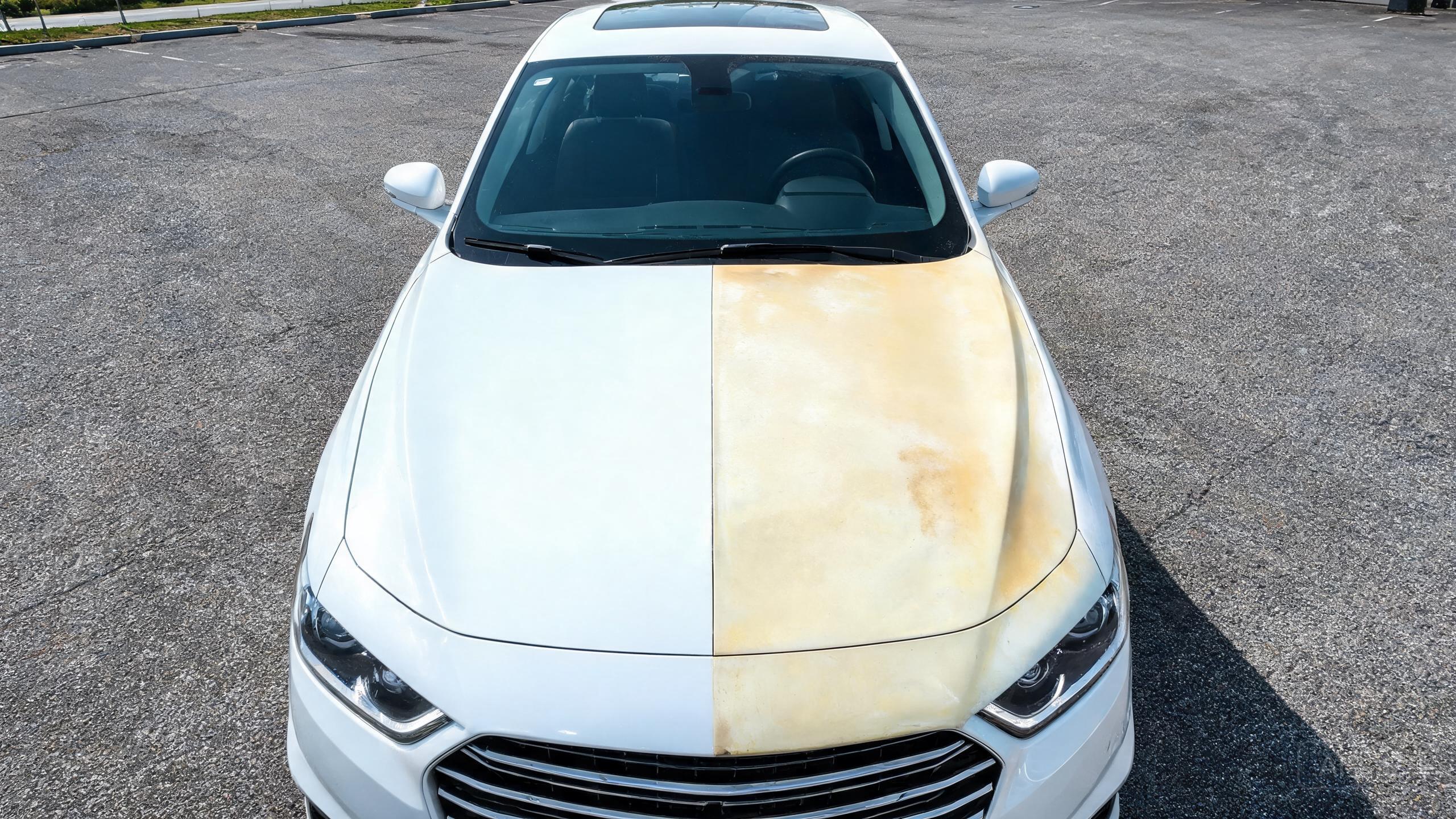
O teu carro branco não está a amarelar por acaso: pergunta estas duas palavras relacionadas com o TPU
Bottom line: if a transparent PPF seller can only say “TPU” but cannot tell you whether the substrate is aliphatic or aromatic, you still do not know the part most relevant to long-term yellowing risk. Aliphatic TPU is generally the stronger starting point for outdoor transparent film because its chemistry is more resistant to UV-driven color change. But it is not a magic phrase: stabilizers, topcoat, adhesive, processing quality, installation, climate, and the stated test method still decide how a finished film behaves.
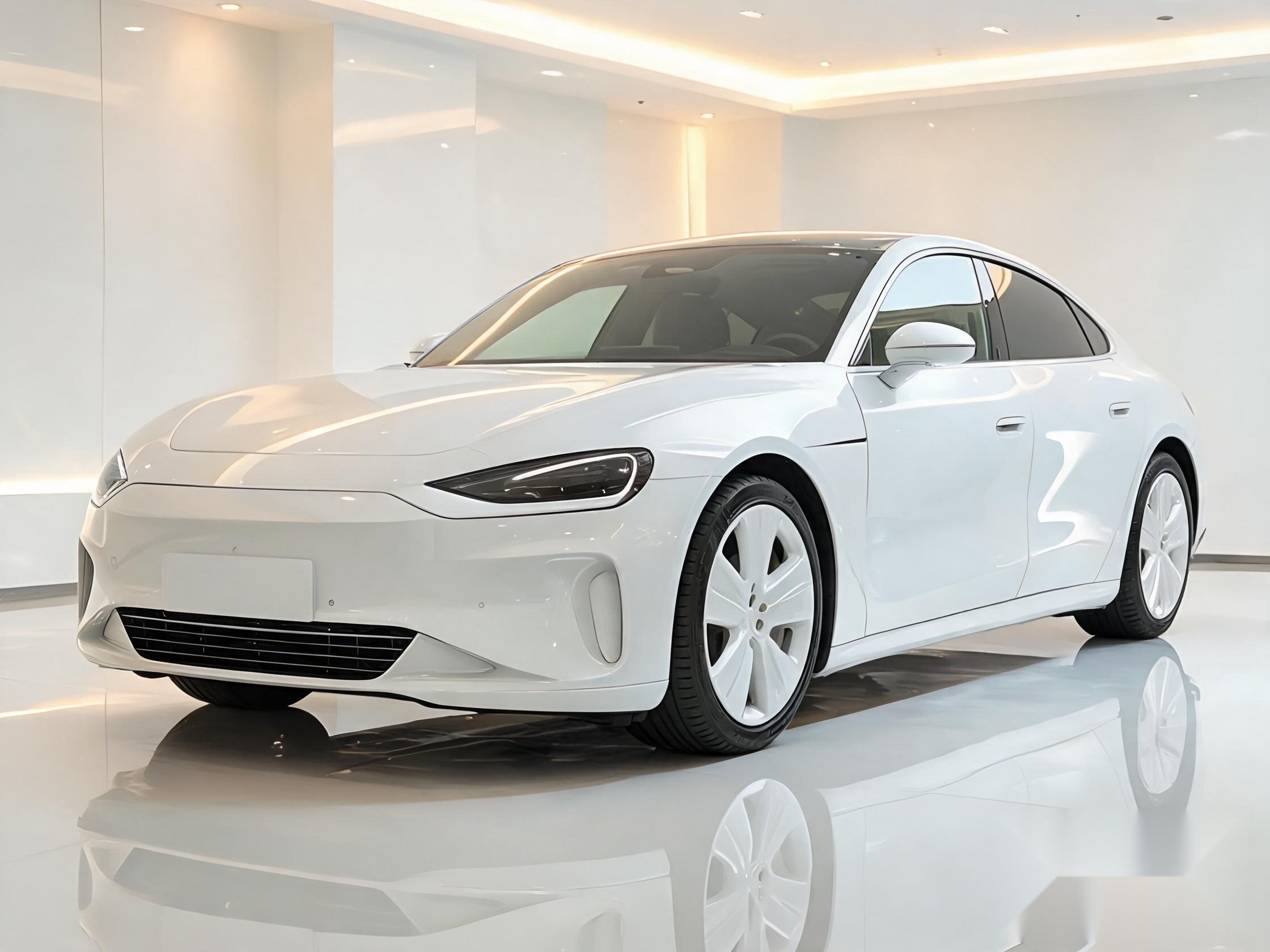
That distinction matters most on white, silver, and light-colored vehicles. Yellowing that is almost invisible on a dark panel can become an expensive visual problem on a white hood, fender, or door. The uncomfortable truth is that many buyers compare thickness, gloss, and warranty years before they ask the chemistry question that should have come first.
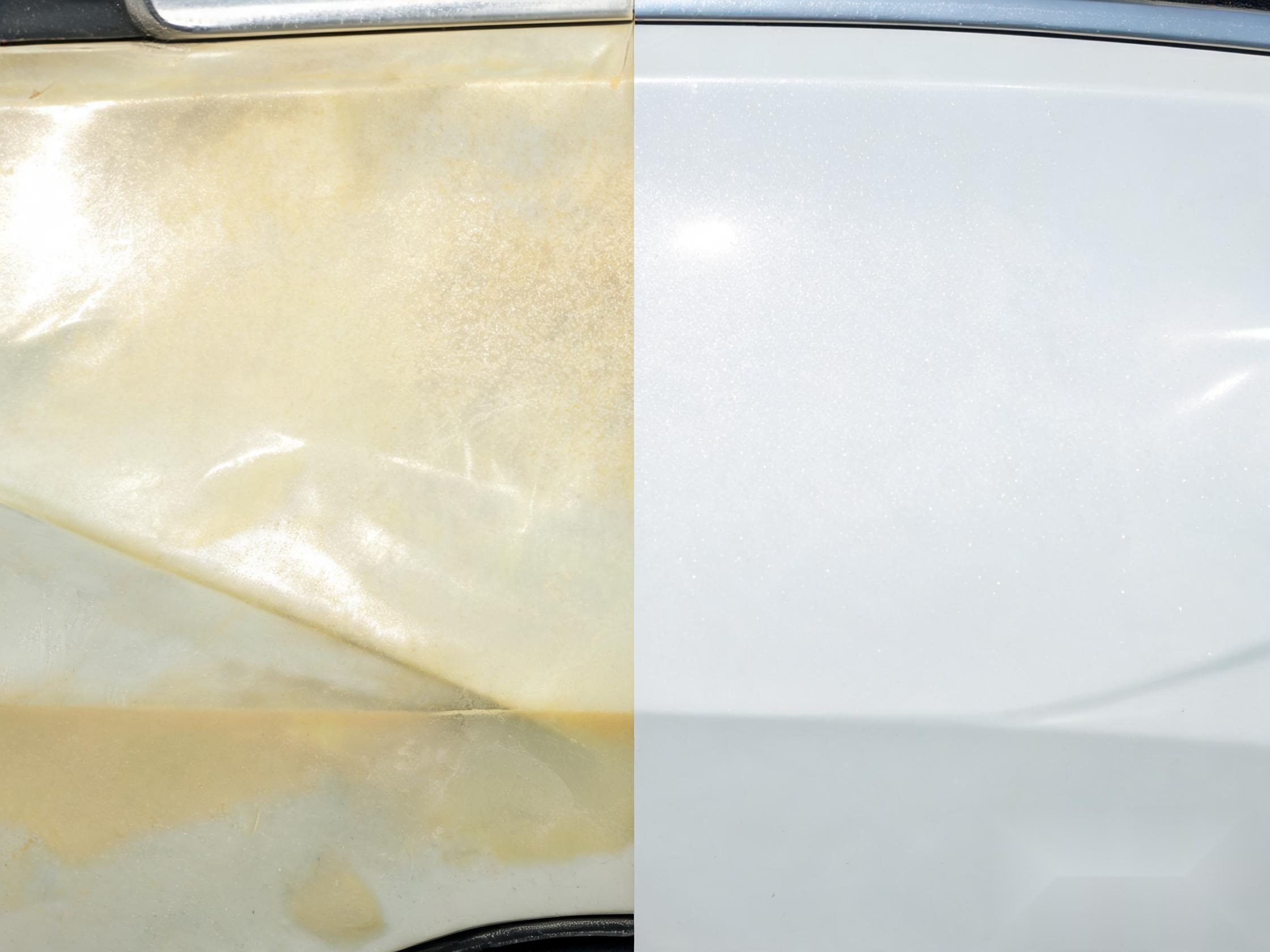
What Is PPF Yellowing?
Yellowing is a visible shift from clear film toward yellow or yellow-brown. It is not one single defect. It can come from changes inside the polymer substrate, degradation of the topcoat, additive depletion, contamination, adhesive effects, heat, moisture, or a combination of those factors. A surface that looks “dirty” may be clean but chemically discolored; a surface that looks yellow may also have staining on top of a still-clear substrate.
For transparent automotive film, the practical question is not whether a product can ever change color. All outdoor polymers age. The question is how slowly the finished film changes under stated exposure conditions, and whether the supplier can document that claim with a relevant test method and acceptance criterion.
Why Does a Clear Film Turn Yellow?
Sunlight, heat, oxygen, and moisture create a difficult environment for a transparent polyurethane film. UV energy can initiate photo-oxidative reactions; heat can accelerate degradation; and water exposure can reveal weaknesses in hydrolysis resistance. In aromatic polyurethane chemistry, aromatic ring structures can be associated with degradation pathways that form light-absorbing chromophores. Those chromophores are one reason the material can appear yellow over time.
Industry education sources commonly describe this as a key material-level difference between aromatic and aliphatic TPU. For example, KSB notes that aliphatic chemistry is more UV-stable but also makes the important qualification that finished-film yellowing depends on stabilizer loading, topcoat quality, and exposure conditions. PPF material selection guidance is therefore more useful than a simple “TPU equals premium” claim.
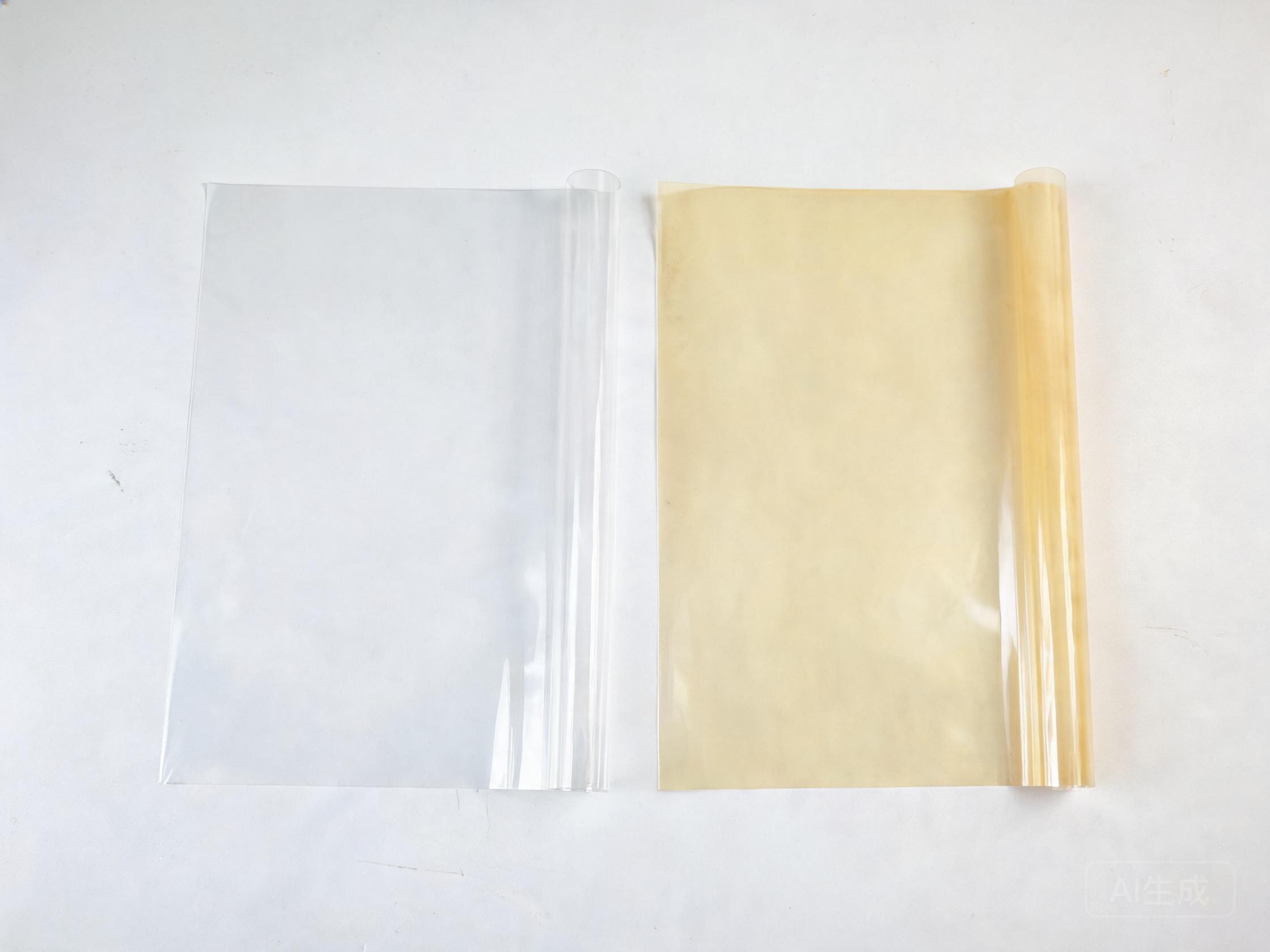
Aliphatic vs Aromatic TPU: The Difference That Is Easy to Miss
Aromatic TPU
Aromatic TPU uses aromatic isocyanate chemistry. It can offer practical mechanical performance and lower raw-material cost, which explains why it is found in many polyurethane applications. For transparent PPF exposed to strong UV, however, its aromatic structure creates a higher inherent yellowing risk. That does not mean every aromatic film yellows at the same rate, but it does mean the supplier should not hide behind the broad word “TPU.”
Aliphatic TPU
Aliphatic TPU uses non-aromatic isocyanate chemistry and is generally selected when color stability under outdoor UV exposure matters. It is typically the more appropriate starting chemistry for premium transparent PPF. The word “starting” matters: an aliphatic substrate with weak formulation control, inadequate UV stabilization, poor topcoat durability, or poor installation can still disappoint.
| Question | Aliphatic TPU | Aromatic TPU |
|---|---|---|
| Outdoor color stability | Generally stronger starting point | Generally higher yellowing risk |
| Transparent PPF use | More suitable for long-term clear-film positioning | Requires particularly careful product-level validation |
| What buyers still need | Finished-film weathering data and warranty terms | Finished-film weathering data and a direct explanation of the risk |
| What cannot be assumed | “Aliphatic” does not guarantee zero yellowing | “TPU” does not prove durable clarity |
Consumer-facing PPF guidance from PCauto and PConline makes the same practical distinction: material type matters, but a buyer should not choose on thickness alone. Their conclusions are useful prompts for questions, not substitutes for a supplier’s product-specific test report. Our material selection guide explains where this TPU comparison sits alongside other PPF material choices.
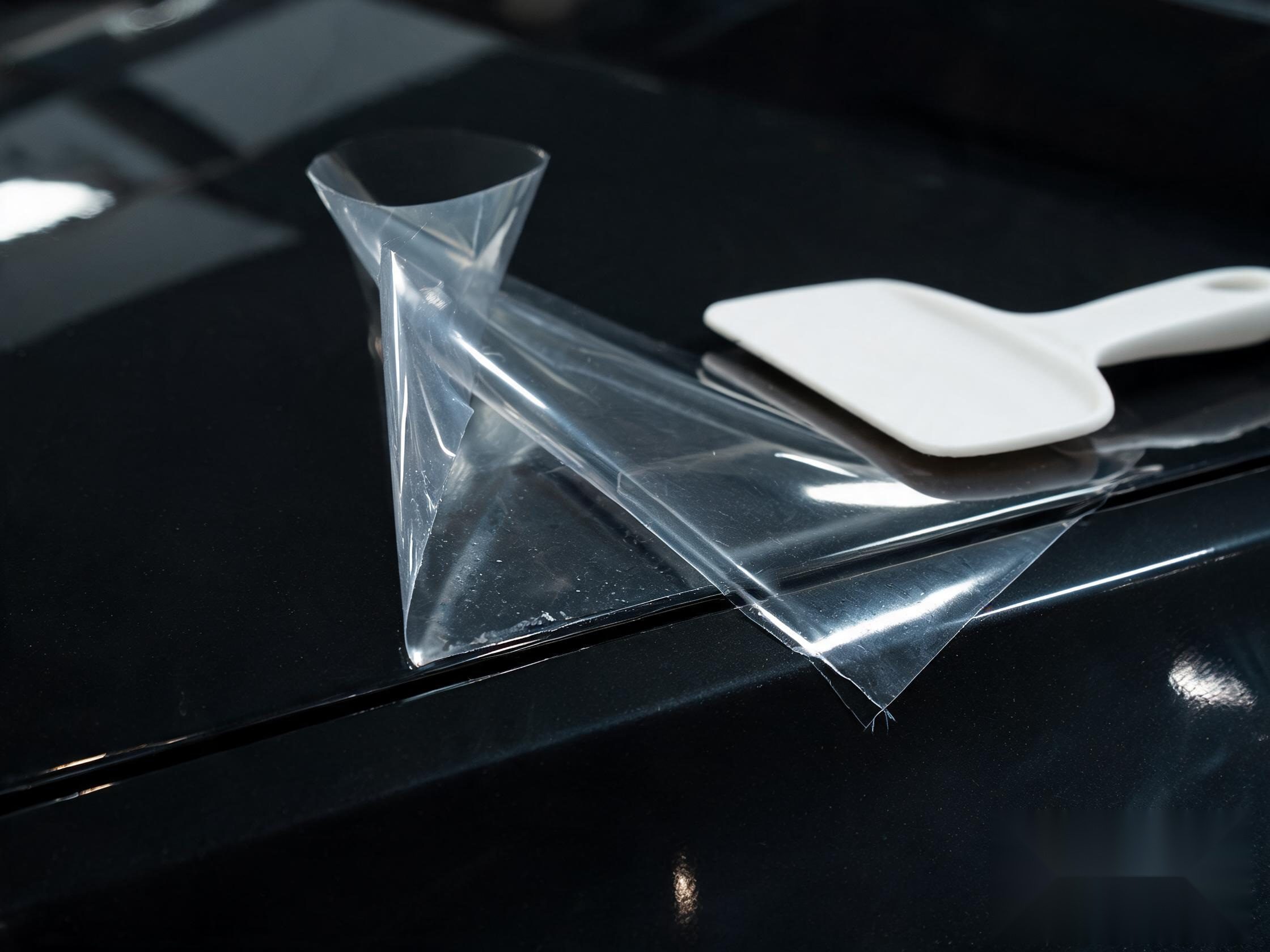
The Substrate Is Important, but It Is Not the Entire Film
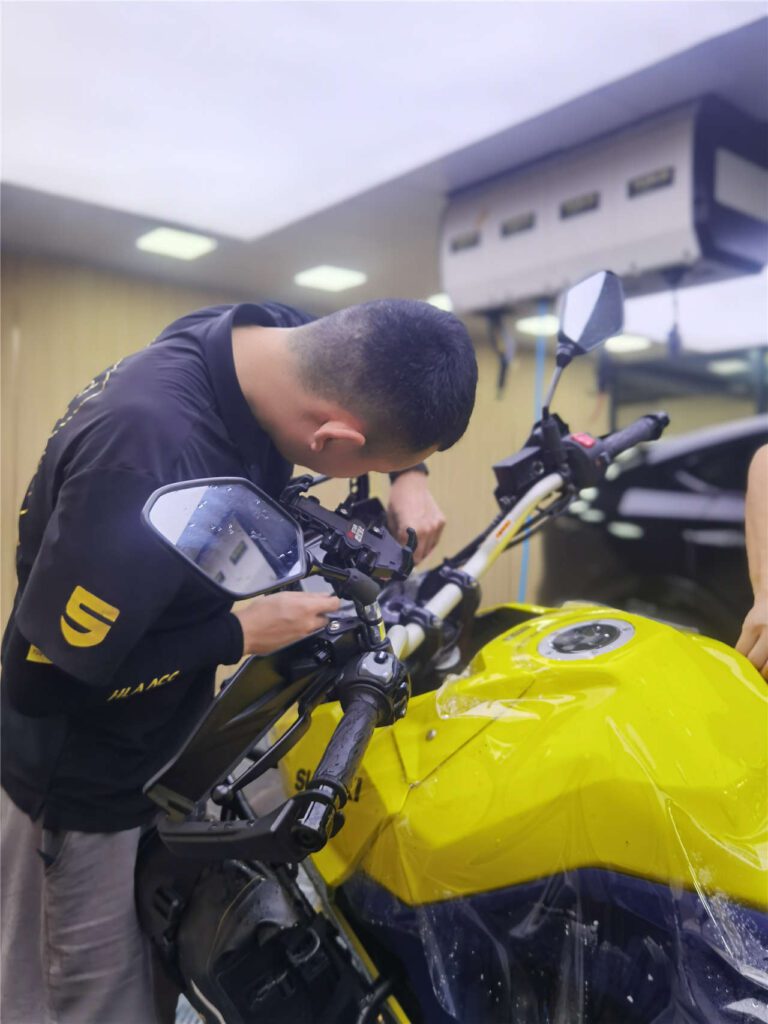
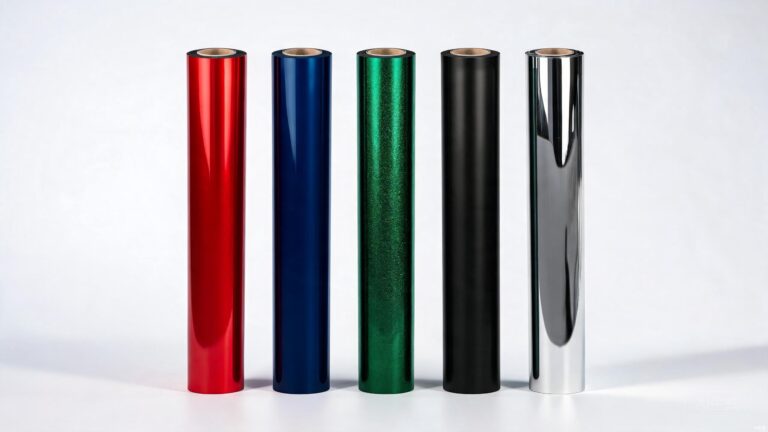
PPF is a system. The substrate contributes strength, elongation, optical clarity, and aging behavior. The topcoat affects gloss, stain resistance, and surface retention. The adhesive influences installation behavior, bond stability, and removal. UV absorbers and hindered amine light stabilizers can slow degradation, but they cannot turn aromatic chemistry into aliphatic chemistry.
This is why a sales claim can sound true yet still be incomplete. “Aliphatic TPU” is a valuable answer. The next questions are: Which grade? Who supplied it? What is the full layer construction? What weathering method was used? What change in color, gloss, haze, adhesion, and mechanical properties was accepted? Is that result for the finished film or only for a raw resin sample?
How to Verify an Anti-Yellowing Claim
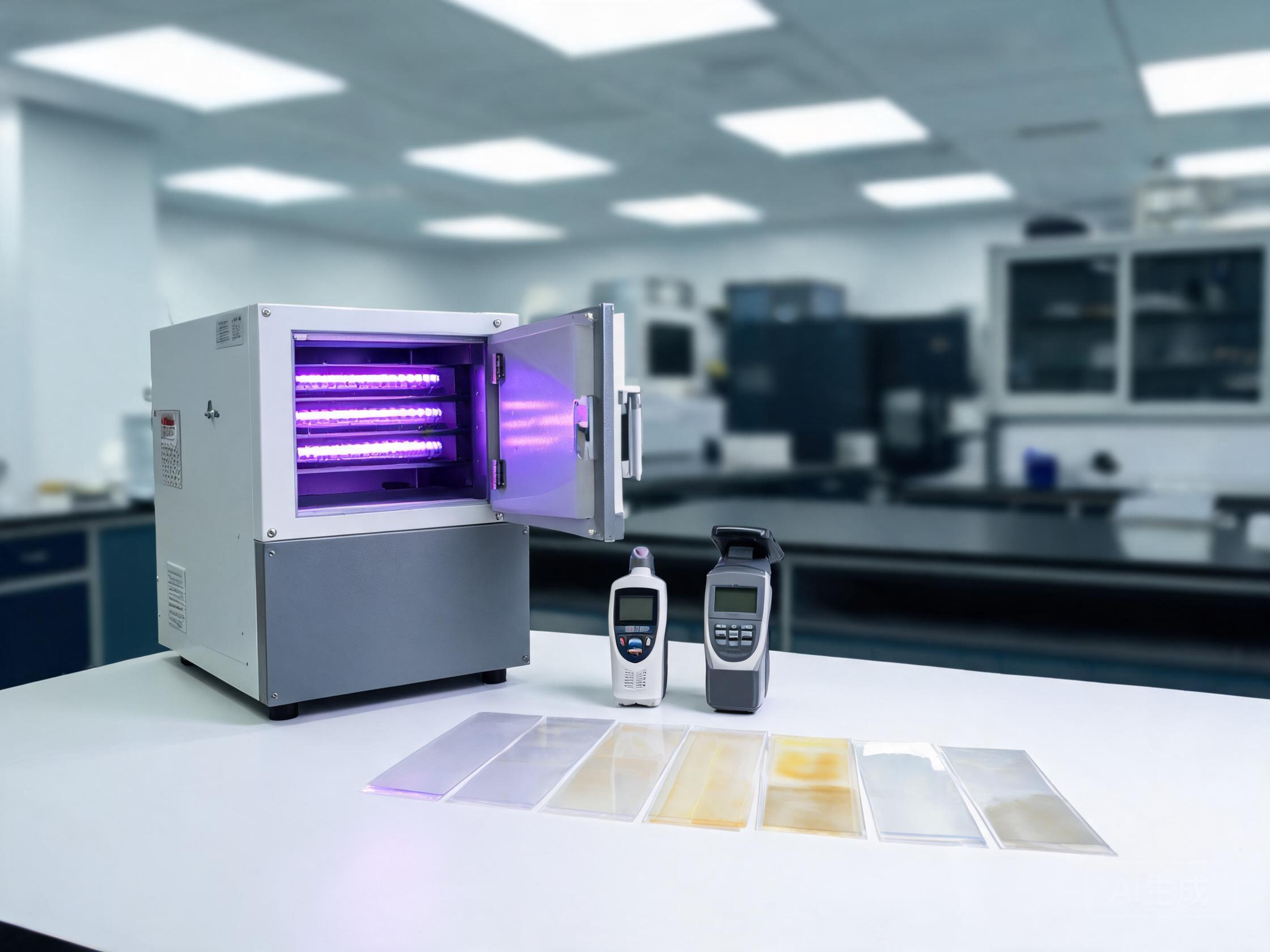
Ask for a report, not a slogan. ASTM G154 is a widely used practice for exposing nonmetallic materials to fluorescent UV and moisture cycles, but the standard itself does not provide one universal pass/fail result. A credible report identifies the exposure cycle, lamp type, temperature, condensation or spray cycle, duration, sample construction, measurement method, and acceptance criteria.
For color, ask whether the supplier reports Yellowness Index, delta E, or another defined metric, and request the value before and after exposure. Then ask whether gloss, haze, peel strength, elongation, and appearance were also evaluated. A lower number is not meaningful without knowing the meter, standard, baseline, and test conditions.
Five questions worth asking before you buy
- Is the transparent PPF substrate aliphatic or aromatic TPU?
- Is the statement supported by a material declaration, a traceable purchase record, or a finished-film report?
- Which accelerated-weathering method and cycle were used?
- What were the color, gloss, haze, adhesion, and appearance results before and after testing?
- What does the written warranty cover on yellowing, and what exclusions apply to climate, care, and installation?
What Our Process Inspection Data Can and Cannot Tell You
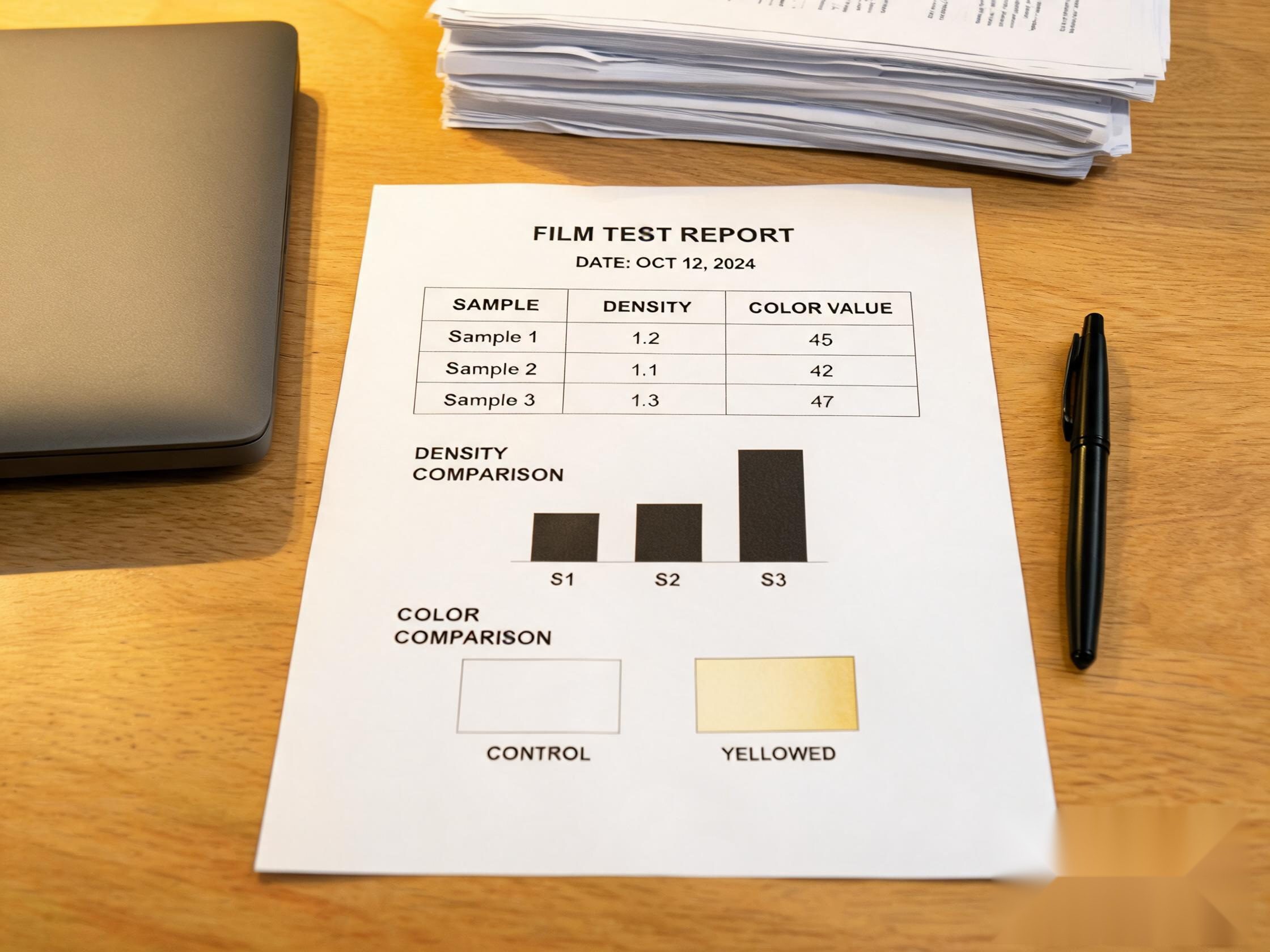
Our June-August 2026 finished-product inspection records show qualified batches with documented appearance, thickness, adhesion, self-healing recovery, tensile properties, and a “no obvious yellowing” result after the report’s specified bending check. Examples include transparent and sunroof-film batches with transverse and longitudinal elongation results above the stated 230% requirement, plus 24-hour adhesion results above the stated 2,000 g requirement.
That is useful evidence of batch-level finished-film inspection. It is not a substitute for a declared aliphatic TPU composition or a long-duration UV weathering report. Keeping those evidence categories separate is how buyers avoid being persuaded by a test result that answers a different question.
How Should Consumers Choose?
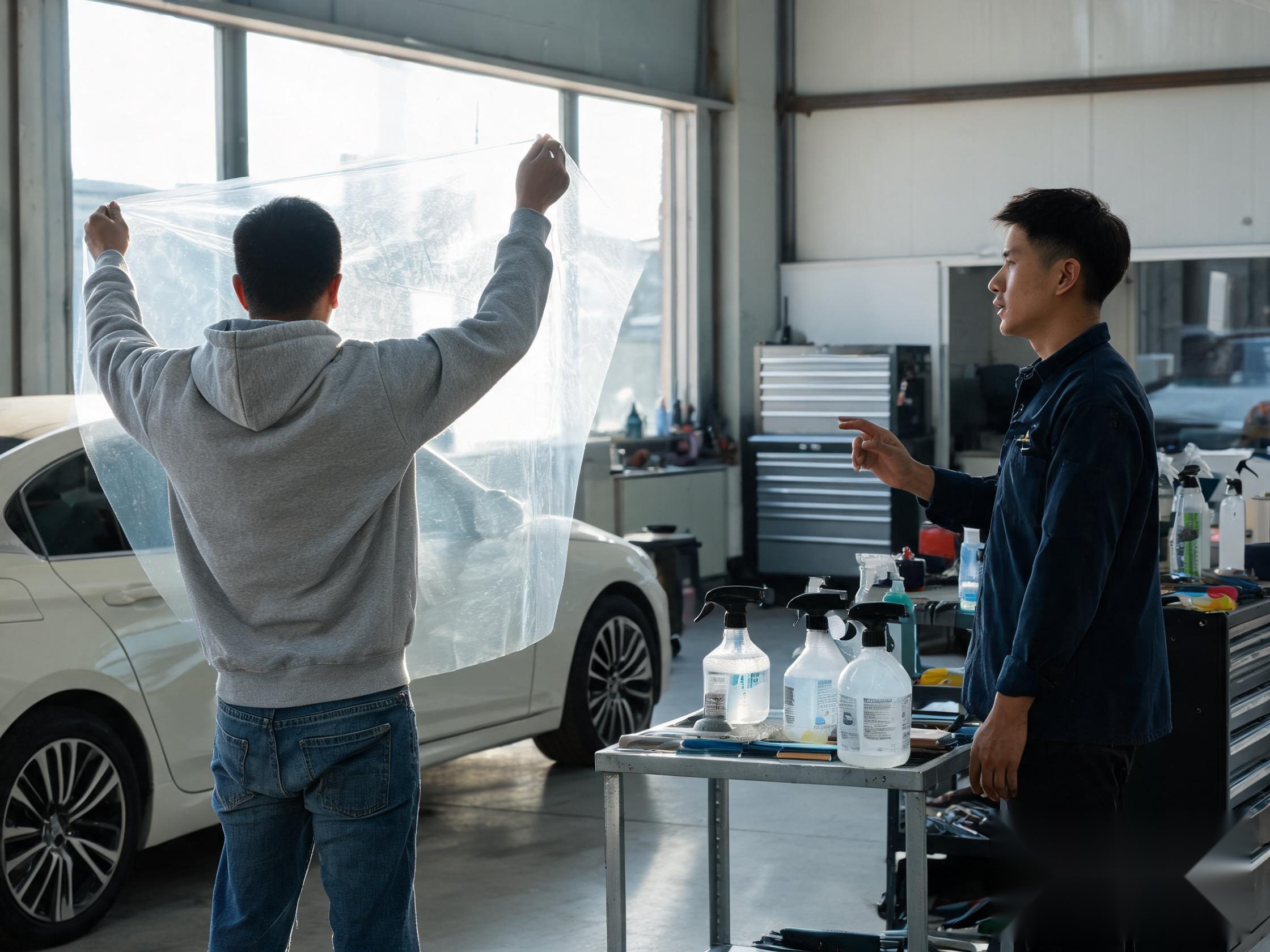
For a white or light-colored vehicle in a sunny market, treat aliphatic TPU as the preferred material question, then verify the finished film. For high-UV and hot climates, place more weight on documented weathering and color-retention evidence. For hot-humid climates, add hydrolysis resistance, adhesive stability, and installer environmental controls to the review. In cold climates, confirm application and removal temperatures as well as repair guidance.
Do not overpay for a vocabulary word. A transparent-film quote should make its substrate, test evidence, warranty, and installation support easy to compare. Buyers evaluating product lines can also review our gama de películas de proteção de TPU de alta qualidade and ask for grade-specific documentation before committing to a project.
The Real Consumer Pain Point
The frustration is not just a yellow panel. It is discovering too late that “TPU,” “anti-yellowing,” and “five-year warranty” were used as marketing labels rather than comparable specifications. Removing a discolored film can cost time and money, and a poor removal experience can create anxiety about the paint underneath. That is why the material question belongs before installation, not after a complaint.
Here is the debate worth having: should a seller be allowed to market clear PPF simply as “TPU” without identifying whether the substrate is aliphatic or aromatic? Some will say end users only need a warranty. Others will say buyers deserve the chemistry, test method, and acceptance criteria behind the warranty. Which side are you on?
Perguntas frequentes
Does aliphatic TPU never yellow?
No. It is generally more UV-stable than aromatic TPU, but no outdoor transparent film should be described as permanently unchanged. Finished-film formulation, topcoat, stabilizers, exposure, maintenance, and installation all matter.
Can I identify TPU type by looking at the roll?
Not reliably. A clear appearance, a high gloss reading, or a thickness claim does not identify the chemistry. Request product-specific documentation and weathering data.
Does a longer warranty prove a better substrate?
Not by itself. Read the yellowing coverage, exclusions, claim process, test evidence, and installer requirements. A warranty is commercial support, not a laboratory method.
What should an installer document?
Record product model, lot or batch, vehicle condition, installation date, photographs, care instructions, and warranty registration. Those details make a future conversation about performance much clearer.
Need a Clearer Comparison?
For grade-specific PPF documentation, material questions, or help comparing test reports and warranty language, contact SHIELD SPIRIT. We can help you turn “anti-yellowing” from a sales phrase into a defined checklist.