











How to Store and Transport PPF Rolls Without Damage: A Buyer’s Control Guide
A PPF roll can leave the factory within specification and still reach the installer with crushed edges, a distorted core, moisture exposure, or unstable winding. PPF storage and transport therefore belong inside the quality plan, not in a logistics footnote.
Direct answer: Keep each roll identified, sealed, clean, dry, supported, and protected from excessive heat, cold, humidity, sunlight, impact, and uncontrolled stacking. Follow the supplier’s product-specific limits, record warehouse and shipment conditions, inspect every handover, and quarantine any roll whose packaging, core, edge, liner, or winding condition is uncertain.
This guide gives manufacturers, private-label brands, distributors, importers, warehouses, and installers a practical control system from factory release to installation.
Why PPF Storage and Transport Affect Finished Performance
Logistics Damage Can Look Like a Film Defect
Telescoping, edge compression, liner marking, contamination, moisture, and core deformation can appear after production. If logistics history is missing, a buyer may blame the substrate, topcoat, or adhesive without separating manufacturing risk from handling damage.
A Closed Carton Is Not a Complete Control
Packaging reduces exposure, but it does not prove that the roll avoided high heat, water, impact, or excessive load. The control system must combine packaging, handling rules, environmental guidance, identification, inspection, and records.
Exact Limits Must Be Product-Specific
There is no responsible universal temperature, humidity, stacking, or storage-life limit for every PPF construction. Buyers should obtain documented limits for the exact grade, packaging format, adhesive system, liner, roll dimensions, and intended storage period.
Define a PPF Storage Specification Before Ordering

Request Written Environmental Limits
Ask the supplier for the permitted storage temperature and humidity range, exposure duration, sunlight restrictions, acclimatization guidance, and any response required after an excursion. The document should identify the exact product version.
Define Roll Orientation and Support
Require written instructions for vertical or horizontal storage, core support, end protection, rack geometry, and maximum stacking. Orientation should follow the packaging and roll design rather than a warehouse habit applied to every product.
Do Not Guess the Safe Stacking Load
Carton strength, core diameter, roll weight, pallet design, transit duration, and climate all affect safe loading. Use a documented limit and inspect the lowest cartons for compression after every shipment.
Control Storage Life and Stock Rotation
Record the manufacturing date, receipt date, recommended use period, opened date, and remaining stock. Use first-expiring, first-out rotation when the supplier defines a storage-life window.
These requirements should be confirmed during a structured wholesale PPF supplier evaluation before a purchase order is released.
Protect PPF Rolls inside the Warehouse

Keep Rolls Sealed and Clean
Retain the original bag, end caps, carton, and protective materials until the roll is needed. Avoid dust, spray chemicals, solvent vapors, oil, direct floor contact, and work areas where cutting or grinding can contaminate the package.
Prevent Heat and Sunlight Exposure
Do not place cartons beside heaters, hot roofs, loading-bay doors, unshaded windows, or other uncontrolled heat sources. Heat exposure may affect winding pressure, packaging, liner behavior, or adhesive condition even when the carton looks intact.
Control Moisture and Condensation
Keep stock away from leaks, wet floors, exterior walls with condensation, and uncontrolled humid zones. If a cold roll enters a warm, humid room, leave it sealed while it acclimatizes under documented product guidance so moisture does not form on the film or liner.
Protect Cores, Edges, and Winding
Never lift a roll by pulling the film edge or liner. Keep impacts away from roll ends, prevent point loads on the core, and use handling aids appropriate to the roll weight and dimensions.
Choose Racks and Handling Methods That Preserve Roll Shape
Use Stable, Clean Support Surfaces
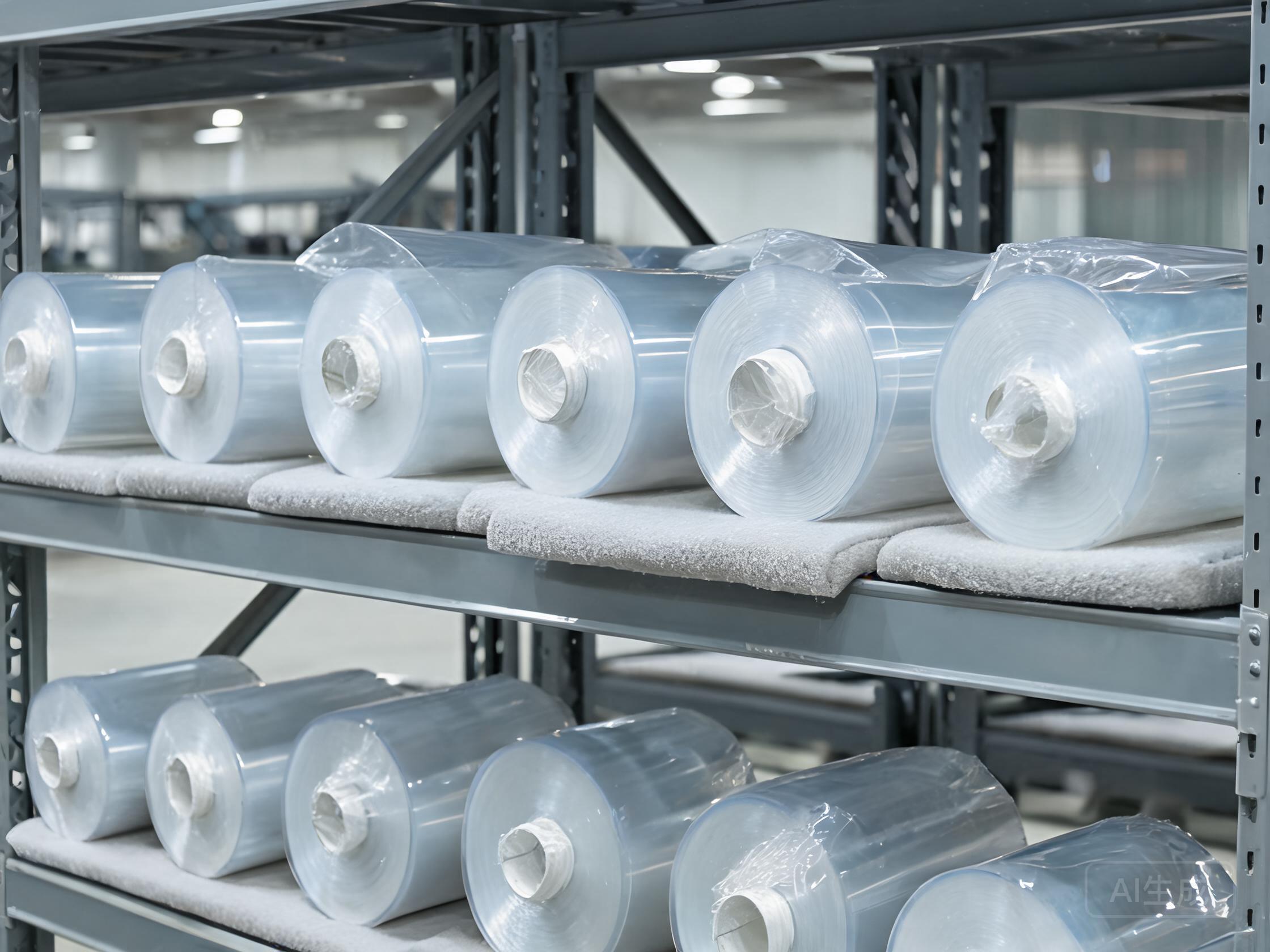
Racks and pallets should be level, smooth, dry, and free from protrusions. Support should prevent bowing, rolling, edge contact, and load concentration during the full storage period.
Separate Opened Rolls from Sealed Inventory
After opening, rewrap the roll with clean protective material and retain the product, batch, and roll labels. Record remaining length and the person or job that used the material.
Never Replace Identity with a Handwritten Guess
If the original label is damaged, reproduce the identifier only from a controlled record. Do not assign an informal product name that breaks the link to construction, inspection, warranty, and shipment evidence.
Train Staff for Roll-Specific Handling
Warehouse staff should know the permitted lifting points, orientation, stacking rule, opened-roll procedure, quarantine trigger, and escalation contact. Training should cover temporary labor and third-party logistics providers as well as permanent staff.
Prepare PPF Rolls for Domestic and Export Transport
Verify Packaging before Loading
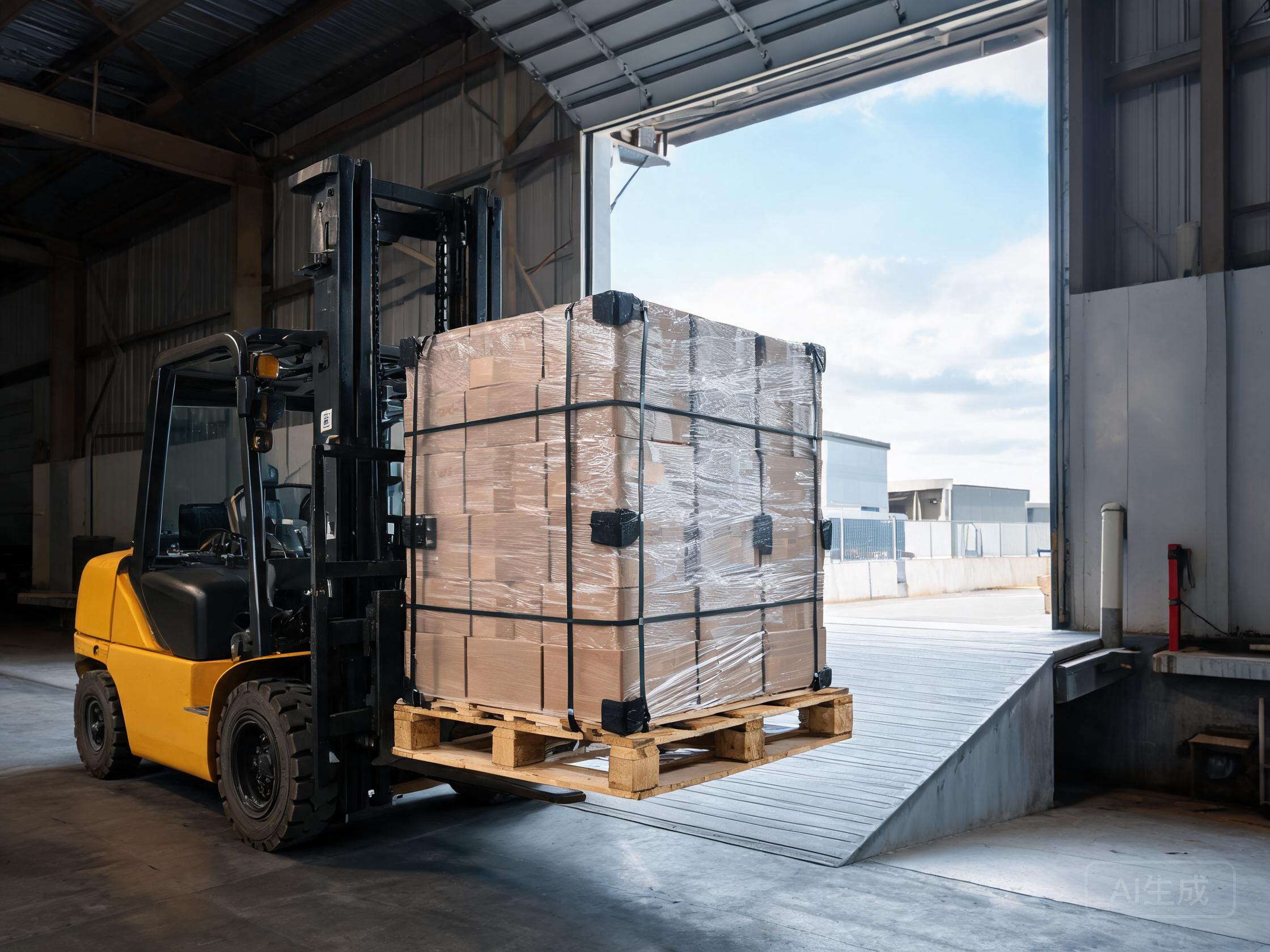
Check the bag seal, end caps, carton, core, label, pallet, wrap, corner protection, and moisture protection required for the route. Photograph each pallet or carton group before loading when claim risk justifies it.
Restrain Cargo without Crushing It
Prevent sliding, rolling, and impact while avoiding straps or loads that deform cartons and cores. The restraint plan should account for braking, vibration, handling transfers, and the position of heavier cargo.
Keep PPF Away from Water and Contaminants
Inspect the vehicle or container for leaks, odors, residues, protrusions, and wet flooring. Separate the film from liquids, chemicals, sharp goods, and cargo that can shed dust or transfer odor.
Plan for Route and Seasonal Conditions
Consider origin weather, port dwell time, container exposure, destination climate, customs delay, and final-mile storage. Ask whether temperature or humidity monitoring is appropriate for the documented product limits and shipment risk.
Order size and shipment frequency should also reflect the PPF MOQ planning framework so excess inventory does not sit beyond its controlled storage window.
Control PPF Loading, Handover, and Traceability

Match Every Carton to the Packing List
Confirm product code, finish, width, length, batch, roll number, carton number, quantity, and destination. Resolve mixed labels or missing identifiers before the shipment leaves controlled custody.
Record Each Custody Transfer
Capture the date, location, carrier, seal where relevant, package count, visible condition, exceptions, and receiving signature at factory, warehouse, port, distributor, and installer handovers.
Connect Conditions to the Exact Roll
A logger or inspection note is more useful when its shipment and pallet scope are clear. The PPF batch traceability guide explains how roll identity connects production, inspection, logistics, customer, and complaint records.
Inspect PPF Immediately after Delivery
Inspect before Accepting Clean Receipt
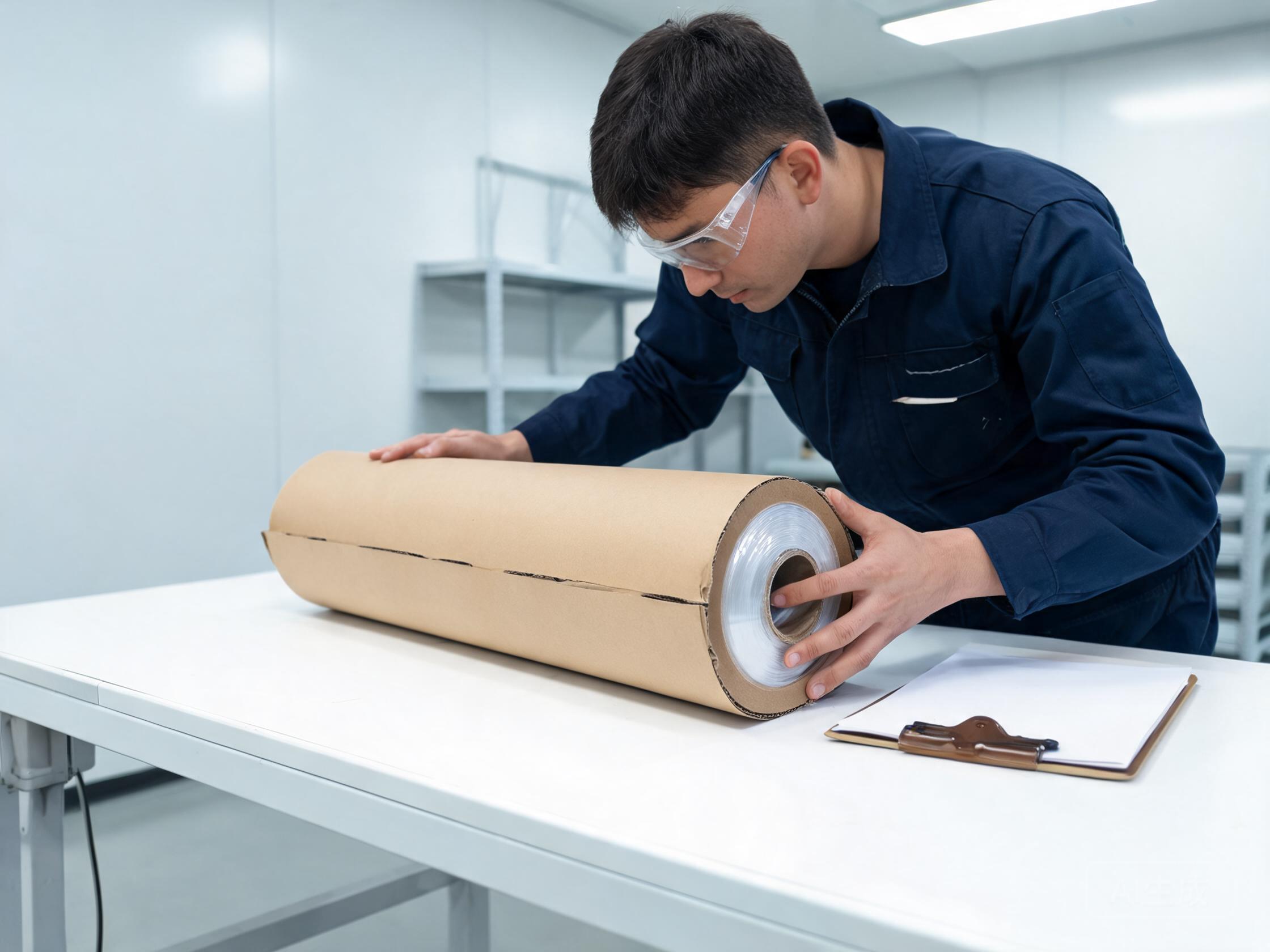
Check pallet stability, water marks, crushed corners, punctures, open seals, odor, label mismatch, carton deformation, and evidence of rehandling. Note exceptions on the delivery record before the carrier leaves when local procedure permits.
Open Suspect Packages under Control
Move visibly damaged material to a clean inspection area. Photograph the unopened package, label, damage location, core, edges, liner, winding, and any contamination before altering the evidence.
Check Roll Condition without Creating New Damage
Use clean gloves and an approved inspection method. Look for telescoping, loose winding, crushed edges, core distortion, wrinkles, liner separation, moisture, particles, unusual odor, or pressure marks.
Do Not Install Questionable Film as a Test
Installation consumes evidence and may expand the commercial loss. Quarantine the roll first, notify the responsible party, and agree on the inspection or sample method before using it.
Acclimatize PPF before Opening and Installation
Keep the Package Sealed during Transition
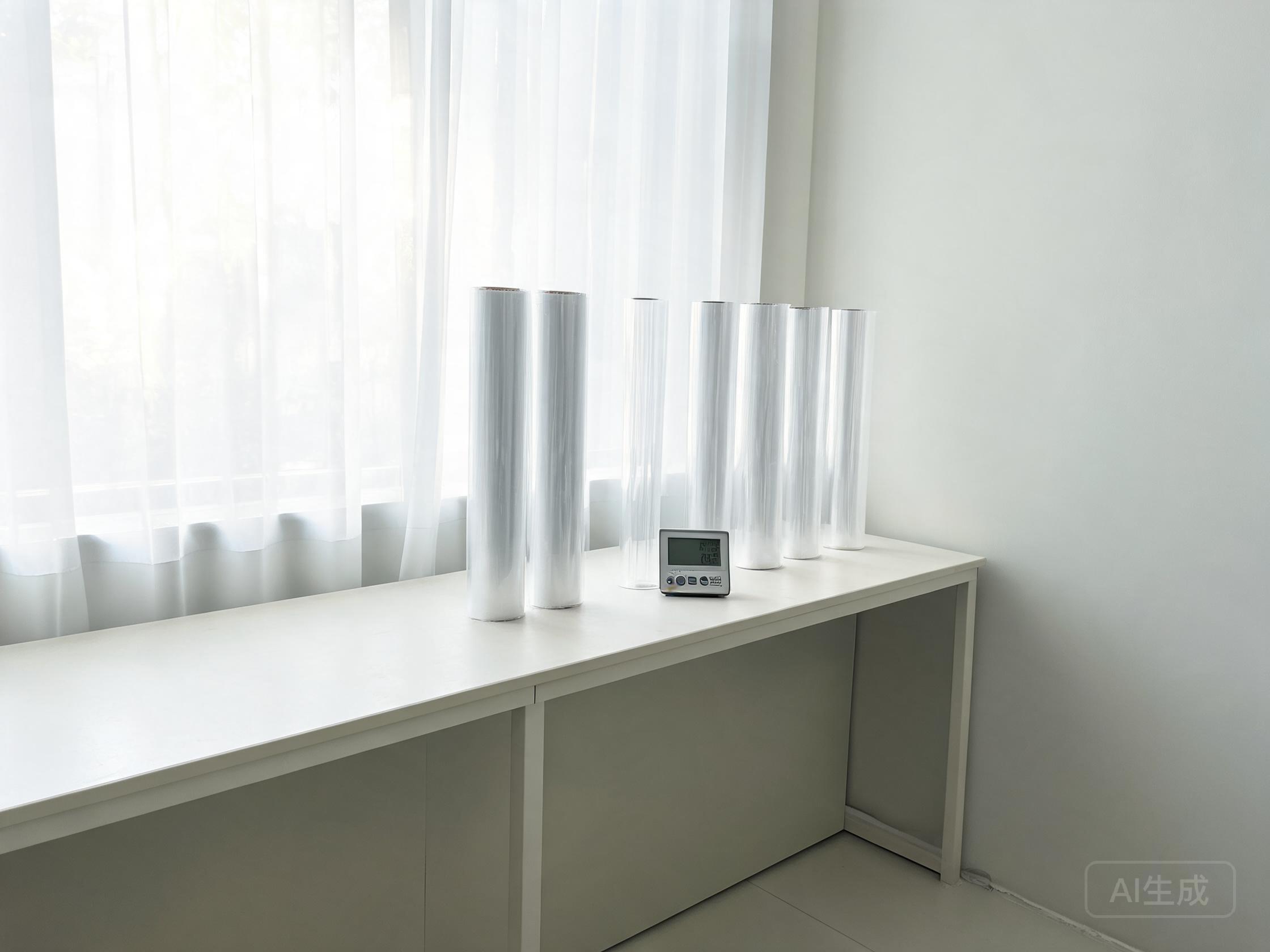
When a roll moves between materially different environments, allow it to approach the installation-room condition while sealed, following supplier guidance. This reduces the risk of condensation and abrupt material response.
Stabilize the Installation Environment
Prepare a clean, controlled room before opening the roll. Confirm that the vehicle surface, film, tools, solutions, and room conditions meet the installer and product requirements.
Record an Environmental Excursion
If the roll experienced an out-of-limit event, record duration, measured conditions, package state, roll identity, inspection results, and supplier disposition. Do not erase the event because the film appears normal at first glance.
Bulk use should proceed only after the material has passed the agreed PPF sample approval process for installation behavior and appearance.
Quarantine and Investigate Damaged PPF Rolls
Create a Physical and Digital Hold
Move suspect rolls to a marked area and block them in the inventory system. Record who placed the hold, the reason, quantity, product and roll identifiers, and the next decision owner.
Preserve Claim Evidence
Keep packaging, labels, photographs, delivery documents, logger files, inspection notes, samples, and communications. Record dates and avoid edits that obscure the original observation.
Separate Cause from Symptom
Compare manufacturing release records, packaging, route conditions, warehouse handling, acclimatization, installation, and care. Edge damage may come from impact, for example, while adhesive appearance may require a broader product and handling investigation.
Use a Documented Disposition
Release, recondition, repackage, return, replace, credit, test, or scrap the material only through an authorized decision. State the evidence, scope, responsibility, and corrective action.
PPF Storage and Transport Checklist for Buyers
- Obtain product-specific temperature, humidity, orientation, stacking, and storage-life guidance.
- Keep the original bag, end protection, carton, labels, and protective packaging intact.
- Store rolls in a clean, dry, shaded, controlled area away from chemicals and impact.
- Use racks or pallets that support the roll without point loads or deformation.
- Record product, batch, roll, manufacturing date, receipt date, and warehouse location.
- Rotate inventory against the documented recommended use period.
- Inspect vehicles and containers for leaks, residues, odors, wet floors, and protrusions.
- Restrain cargo against movement without crushing cartons or cores.
- Record package condition and exceptions at every custody transfer.
- Inspect delivery damage before accepting an unqualified receipt.
- Keep rolls sealed while acclimatizing under product-specific guidance.
- Quarantine uncertain rolls and preserve packaging, photos, documents, and logger data.
How Procurement Should Write Logistics Controls into the Order
Attach the Approved Packaging Specification
Define the bag, end caps, core, carton, label, pallet, wrap, moisture protection, package dimensions, and approved substitutions. Require written approval before a packaging change.
Assign Responsibility at Each Stage
State who controls factory storage, loading, freight, customs storage, destination warehousing, delivery, receiving inspection, and claim notification. Incoterms alone may not define the operational evidence each party must provide.
Set a Receiving and Claim Window
Define how quickly visible and concealed damage must be reported, which photographs and documents are required, and whether suspect rolls may be opened or tested before supplier authorization.
Match the Film Grade to the Program
Review storage and handling guidance with the intended warranty, climate, turnover, and installer network. The premium TPU PPF product range should be assessed through its exact product documentation rather than assumptions about all TPU films.
PPF Storage and Transport Questions Buyers Ask
Should PPF rolls be stored vertically or horizontally?
Follow the written instruction for the exact roll and packaging design. Roll weight, core, end protection, support method, and storage duration can change the correct orientation.
What temperature should a PPF warehouse use?
Use the supplier’s documented range for the specific product. Do not rely on a single universal number for every substrate, topcoat, adhesive, liner, and packaging system.
Can a wet carton be accepted if the roll bag is sealed?
Do not release it automatically. Quarantine the package, document the condition, inspect the seal and internal components under an agreed method, and obtain a disposition based on evidence.
How long should PPF acclimatize before installation?
The required time depends on roll size, packaging, starting condition, room condition, and product guidance. Keep the package sealed during the transition and follow the documented supplier or installer procedure.
What evidence supports a transport-damage claim?
Useful evidence includes roll and batch identity, pre-loading and delivery photographs, packaging records, signed exceptions, route and custody records, environmental data where used, inspection findings, and retained damaged materials.
Protect the Roll until the Installer Opens It
PPF storage and transport controls preserve the condition that manufacturing and inspection created. The goal is not more paperwork; it is an unbroken chain of identity, protection, condition, and decision from released roll to prepared installation room.
Before the next shipment, convert supplier guidance into a written warehouse rule, loading checklist, receiving inspection, acclimatization procedure, and quarantine process. A roll should never become acceptable merely because nobody recorded what happened to it.