











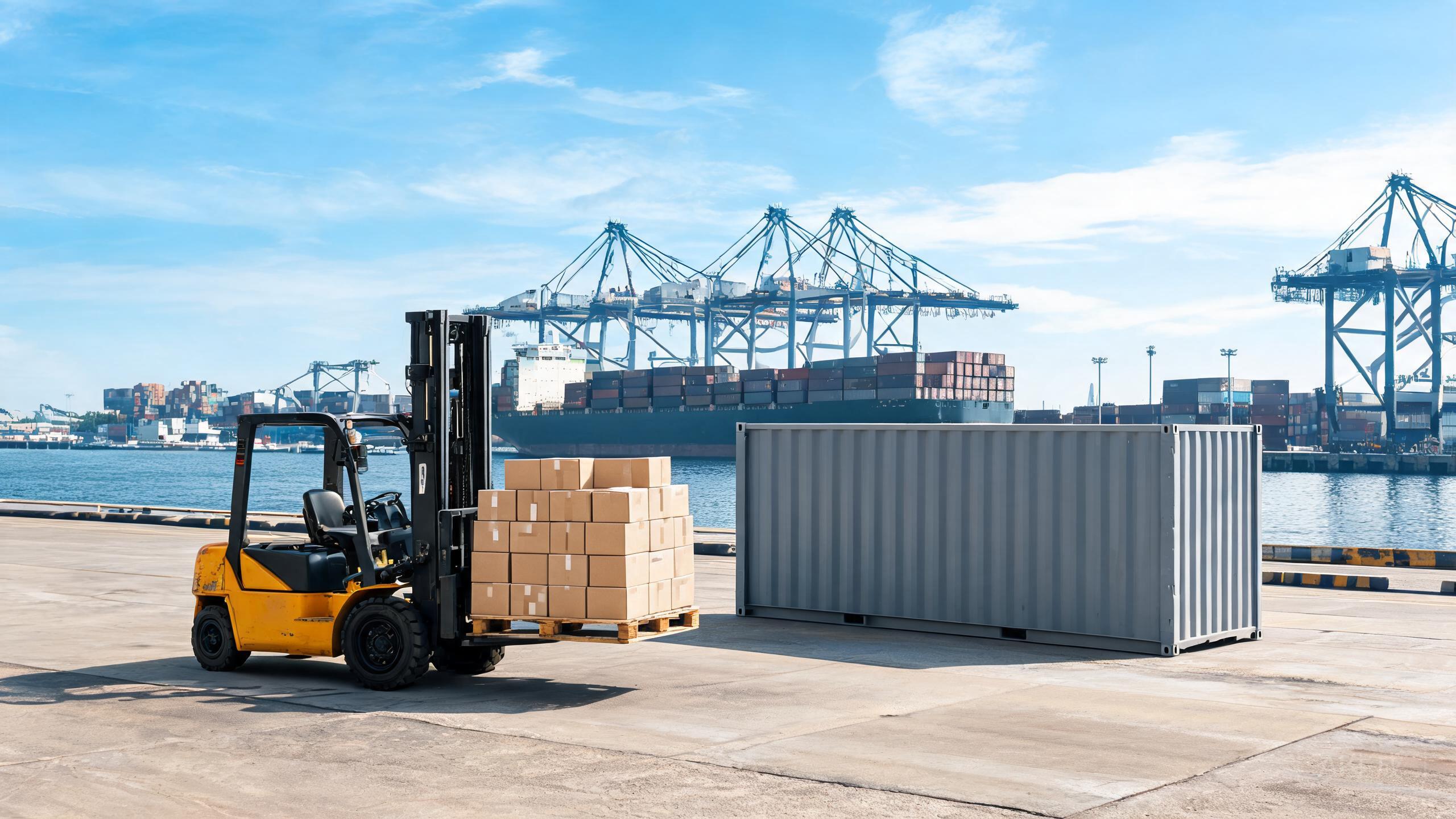
PPF Landed Cost: How to Compare Supplier Quotes
The cheapest PPF quotation can become the most expensive order after freight, duties, rejected rolls, local handling, and slow-moving inventory are included. A serious buyer should compare PPF landed cost, not only the price printed on a supplier quotation.
Direct answer: PPF landed cost is the total cost of purchasing, importing, receiving, inspecting, and preparing paint protection film for sale or installation, divided by the number of accepted and usable rolls. Include the product price, packaging, freight, insurance, duties, taxes, payment charges, inspection, local delivery, expected defects, and other order-specific costs before choosing a supplier.
This guide is for PPF brands, wholesalers, distributors, installation shops, and procurement teams comparing domestic stock with direct factory supply.
What Is PPF Landed Cost?
PPF landed cost measures what a buyer actually pays to receive usable inventory at the intended warehouse or operating location. It is broader than the EXW, FOB, CIF, or unit price shown in a quotation.
The calculation should follow the commercial route of the order. A local distributor may include delivery and taxes in its invoice, while a factory quotation may leave freight, customs, inspection, and local handling to the buyer.
PPF Landed Cost Formula
PPF landed cost per usable roll = total purchase and delivery cost divided by accepted, saleable rolls.
Total cost can include film, cores, cartons, labels, private-label setup, inland transport, export charges, ocean or air freight, insurance, customs duties, import taxes, customs brokerage, inspection, warehouse receiving, local delivery, payment fees, and a reasonable allowance for damaged or rejected rolls.
Why Usable Rolls Matter
A shipment of 100 rolls is not necessarily 100 saleable rolls. Some rolls may have edge damage, winding problems, visible contamination, incorrect labels, thickness variation, or packaging damage. If five rolls cannot be sold or installed, dividing total cost by 100 understates the real unit cost.
PPF Quote Comparison: Which Costs Belong in the Model?

| Cost group | Typical question | Effect on comparison |
|---|---|---|
| Film and packaging | What exactly is included in the unit price? | Defines the starting purchase cost |
| Freight and insurance | Which transport route and Incoterm apply? | Changes delivered cost and risk |
| Import charges | Who pays duties, taxes, brokerage, and port fees? | Prevents hidden landed charges |
| Inspection and defects | What happens to rejected or damaged rolls? | Adjusts cost for usable inventory |
| Cash and payment | What deposit, balance, bank, and financing costs apply? | Shows working-capital exposure |
| Support and claims | Who pays when a confirmed problem occurs? | Measures commercial risk beyond price |
Use the same quantity, grade, width, roll length, packaging standard, shipping route, currency, and delivery destination when comparing supplier quotes. Otherwise, the table may compare different products and different risk allocations.
How to Read the Product Price
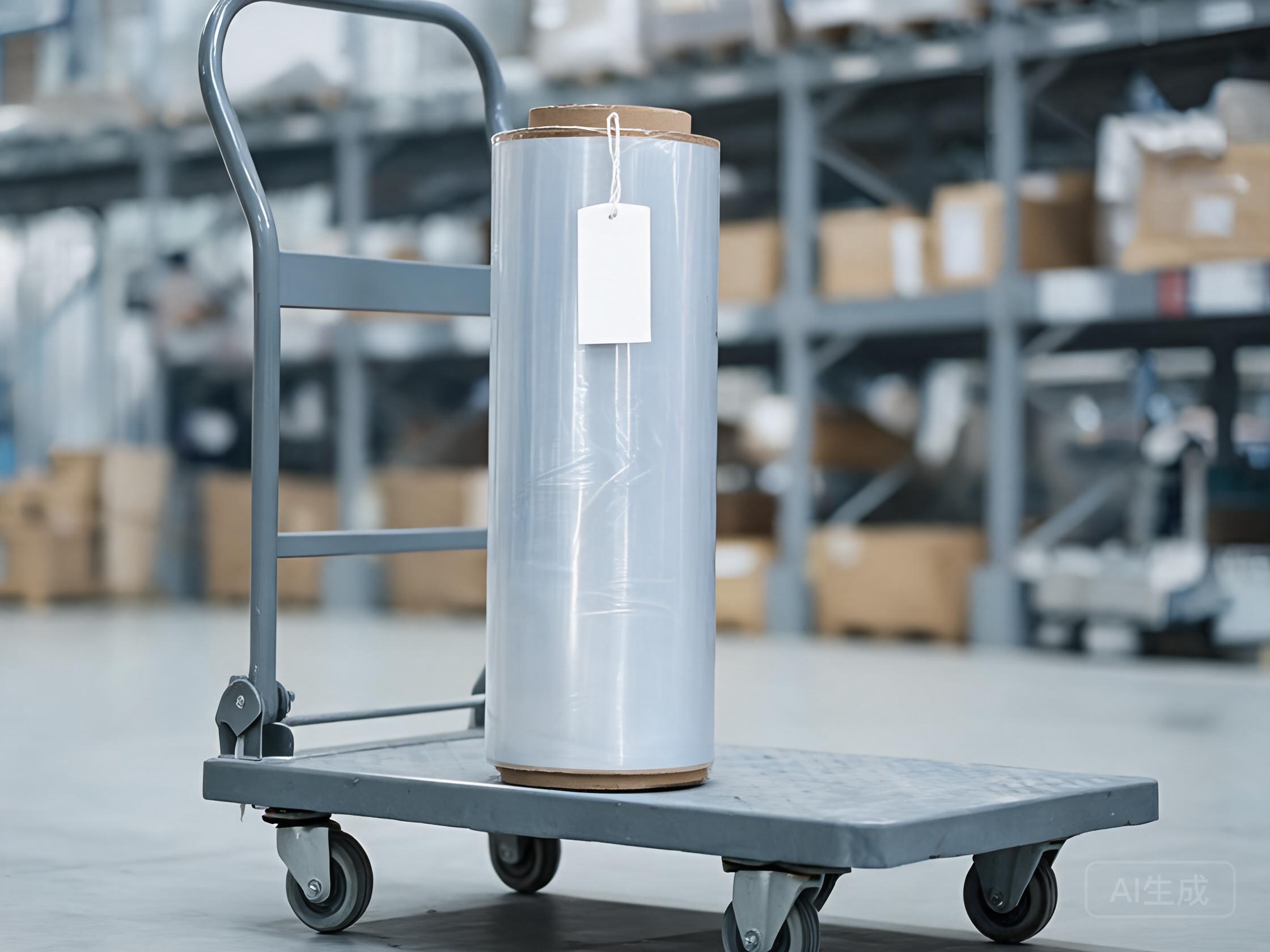
Confirm the Exact PPF Grade
Before comparing price, confirm the product’s substrate, topcoat, adhesive, release liner, nominal thickness, width, length, finish, and warranty position. A “premium PPF” label is not enough to establish that two quotations describe the same finished-film system.
Ask for the product-specific technical data sheet and batch identification. The PPF material test data guide can help buyers compare measurable properties instead of relying on broad sales language.
Check Roll Length and Width
Two suppliers may quote the same price per roll while offering different usable area. Compare square meters per roll, not only the number of rolls. Confirm whether the stated length is nominal, minimum, or estimated and whether edge trimming reduces usable width.
Separate Standard and Custom Costs
Standard stock may have a lower unit price than custom width, custom length, private-label packaging, printed cartons, special liner, or a new finish. Request a line-by-line quotation so setup and artwork costs are not hidden inside the product price.
How Incoterms Change PPF Landed Cost

EXW and Factory Pickup
With an EXW quotation, the buyer may be responsible for pickup, export handling, inland transport, documentation, and the main freight route. The unit price can look attractive because many costs remain outside the quote.
FOB and Port-to-Port Freight
FOB generally moves responsibility at the agreed export port, but the buyer still needs to model ocean freight, insurance, destination charges, customs, brokerage, taxes, and delivery to the warehouse. Confirm the named port and the precise quotation validity period.
CIF and Delivered Confusion
CIF may include cost, insurance, and freight to a named destination port, but it does not automatically mean delivery to the buyer’s warehouse. Port handling, duties, brokerage, taxes, and inland delivery may remain outside the quoted price.
Ask for a Full Cost Responsibility Table
Write each charge beside the party responsible for paying it. A supplier should be able to explain which costs are included, estimated, excluded, or subject to a later carrier or customs invoice.
How Freight Changes the Real Cost per Roll

Compare the Shipment by Volume and Weight
PPF freight can depend on cartons, pallet dimensions, gross weight, volumetric weight, and route. Ask for carton count, dimensions, net weight, gross weight, palletization, and loading assumptions before requesting a freight estimate.
A smaller shipment may have a higher freight cost per roll. A larger shipment may reduce the unit freight cost but increase inventory exposure, storage requirements, and the chance of slow-moving stock.
Model at Least Two Shipping Routes
Compare the normal sea route with an urgent air or courier route only when the business actually needs a replenishment scenario. The purpose is not to choose the cheapest transport in isolation; it is to understand how delayed stock or urgent replacement changes the final margin.
Do Not Ignore Delivery Time
Late inventory can create installer cancellations, lost wholesale orders, or emergency purchases from a more expensive local source. Add a business cost for delay when lead time is a material part of the buying decision.
How Quality and Waste Affect PPF Landed Cost

Calculate the Accepted-Roll Yield
Use an inspection record to identify accepted, conditional, reworked, and rejected rolls. Then divide total cost by accepted saleable rolls. This makes quality performance visible in the same model as freight and duties.
For a new supplier, include a conservative defect allowance until several repeat batches show stable performance. Do not treat an allowance as proof that defects are acceptable; use it to avoid making an unrealistic margin plan.
Include Installation Waste Where Relevant
A film with poor handling, inconsistent adhesion, difficult release, or unstable stretch can create extra waste at the installation shop. Record offcuts, failed panels, rework time, and claims separately from factory-roll defects.
Installation performance should be tested on the exact grade and documented conditions. A reliable PPF installation and maintenance workflow helps separate product behavior from preparation or installer technique.
Price the Cost of a Claim
A confirmed defect may require replacement film, labor, shipping, customer communication, and a refund or goodwill remedy. Ask the supplier how claims are investigated and what evidence is required before assigning a warranty value in the purchasing model.
How Payment Terms Affect the Buying Decision

Compare Cash Exposure
Record the deposit, balance payment, currency, bank charge, financing cost, and time between payment and sale. A lower unit price may still be unattractive if it requires a larger deposit months before the inventory can be sold.
Model Inventory Turnover
Estimate how many weeks or months the order will remain in stock. Include storage, insurance, handling, and the possibility that a new grade or market preference will reduce the value of older inventory.
Separate Trial Cost from Scale Cost
A trial order should answer whether the supplier can produce an acceptable product at a realistic future MOQ. Keep trial freight, sample testing, artwork, and setup costs separate from the expected repeat-order cost so the long-term model is not distorted.
How to Build a Supplier Quote Spreadsheet

Use Identical Input Fields
For each supplier, record supplier identity, product grade, sample reference, roll dimensions, quantity, price basis, currency, Incoterm, packaging, lead time, freight estimate, duty rate, tax, local delivery, inspection, payment terms, warranty, and defect allowance.
Add a Scenario Column
Create base, conservative, and urgent scenarios. The base case can use the supplier’s confirmed quotation. The conservative case can include higher freight, a modest rejected-roll allowance, and a delay. The urgent case can show the cost of replenishing through local stock.
Use Evidence beside Every Estimate
Put the source of each number beside the estimate: quotation, freight forwarder, customs broker, inspection company, warehouse invoice, or internal historical data. An unsupported number should remain visibly provisional.
Compare Margin after Landed Cost
For wholesalers, compare wholesale selling price minus PPF landed cost, local handling, sales commission, claims reserve, and storage. For installers, compare the usable material cost plus labor, rework, and warranty exposure rather than using the roll price alone.
When Direct Factory Supply Wins
Planned Volume and Stable Demand
Direct factory supply can work when forecast volume supports MOQ, planned production, container or consolidated freight, and a documented repeat-order process. Buyers should still retain a sample approval and batch-control procedure. Buyers comparing a standard price tier can also review the standard TPU PPF product page before requesting a matched landed-cost quote.
El PPF OEM factory sourcing guide can help separate product approval, branding, production, and logistics decisions.
Private Label and Specification Control
Private-label buyers may accept a higher initial workload in exchange for control over packaging, product tiers, labels, technical files, warranty wording, and change management. Include every approved feature in the commercial specification.
Commercially Important Product Tiers
A buyer comparing premium film systems can review the next-generation PCU PPF product page as one product-specific reference, then request matching documents and samples for the exact grade being considered.
When Local Distributor Supply Wins
Small Orders and Mixed Inventory
A local distributor may offer lower total cost when the buyer needs small quantities, mixed grades, immediate stock, or a replacement roll without waiting for international production and customs clearance.
Urgent Jobs and Service Continuity
For an installation shop, avoiding a cancelled job may be worth paying a higher per-roll price. Compare the distributor’s price with the revenue and reputation risk of missing a committed installation date.
Local Claims and Technical Support
Local support can reduce language, time-zone, and return-shipping friction. Confirm whether the distributor has authority to replace defective stock or must send every claim back to an overseas manufacturer.
PPF Landed Cost Red Flags
One-Line Quotes
A quote that shows only “PPF roll price” is incomplete for international comparison. Ask the supplier to identify product scope, packaging, freight basis, export charges, payment terms, and excluded costs.
Unstable Product Identity
Be careful when the quotation, sample label, carton, and technical data sheet use different product names or dimensions. Resolve the identity before discussing price or placing an order.
Guaranteed Savings without Assumptions
A claim that a buyer will “save 30 percent” is not meaningful without the comparison baseline, quantity, route, product grade, accepted-roll yield, and included services. Ask for the calculation behind the saving.
PPF Landed Cost Checklist
- Confirm the exact PPF grade, substrate, topcoat, adhesive, liner, finish, width, and length.
- Record the quotation basis, currency, Incoterm, destination, and validity date.
- List packaging, artwork, setup, inland transport, freight, insurance, duties, taxes, brokerage, and local delivery.
- Estimate accepted-roll yield and record the evidence behind the allowance.
- Include inspection, installation waste, claims, storage, payment, and delay costs where relevant.
- Compare at least base and conservative scenarios.
- Divide total cost by accepted, saleable rolls or usable square meters.
- Keep the approved sample and product documents with the quote.
- Recalculate after the final freight, customs, and warehouse invoices arrive.
Questions Buyers Ask About PPF Landed Cost
Is PPF landed cost the same as the supplier’s unit price?
No. The supplier’s unit price is only one input. Landed cost includes the costs needed to receive and prepare usable inventory at the buyer’s location.
Should I calculate landed cost per roll or per square meter?
Use both when comparing different roll lengths or widths. Per-roll cost helps with purchasing, while usable square-meter cost helps compare actual material capacity.
Should rejected rolls be included in the calculation?
Yes. Divide total order cost by accepted saleable rolls, and keep rejected or conditional quantities in the inspection record. This shows the commercial effect of quality performance.
Is a local distributor always more expensive?
No. Local stock can reduce freight, customs, minimum-order, inventory, delay, and claim-handling costs. Compare the complete delivered scenario rather than assuming factory supply is cheaper.
What is the most important number in a PPF quote?
There is no single number. The most useful result is the verified cost per accepted usable roll or square meter under the same product, quantity, route, and delivery assumptions.
Choose the Quote You Can Explain
The strongest PPF purchasing decision is not the quote with the lowest headline price. It is the quote whose product identity, delivery route, quality assumptions, payment exposure, and responsibility for problems can all be explained to a finance manager, installer, or customer.
Calculate PPF landed cost before placing the order, update it after receiving the shipment, and use the result to improve the next supplier comparison.







[…] calculate shipping volume, customs requirements, insurance, and replacement rolls, and compare the landed cost from each supplier quote across options before […]