






PPF Distributor vs Manufacturer: How to Choose
The lowest factory quote is not always the lowest buying cost, and the fastest local supplier is not always the safest long-term source. A PPF distributor vs manufacturer decision changes your MOQ, cash flow, customization options, technical access, and responsibility when a batch does not perform as expected.
Direct answer: Choose a PPF distributor when you need small quantities, mixed products, local stock, fast delivery, or hands-on sales support. Choose a PPF manufacturer when you need OEM or private-label production, repeat volume, controlled specifications, batch traceability, and a direct technical relationship. Many growing buyers use both: a distributor for urgent replenishment and a factory for planned core inventory.
This guide compares the two supply models for overseas brands, wholesalers, installers, and vehicle-protection businesses. It also explains what to verify before buying from a PPF factory, a wholesale PPF supplier, or a local distributor.
What Is the Difference Between a PPF Distributor and Manufacturer?
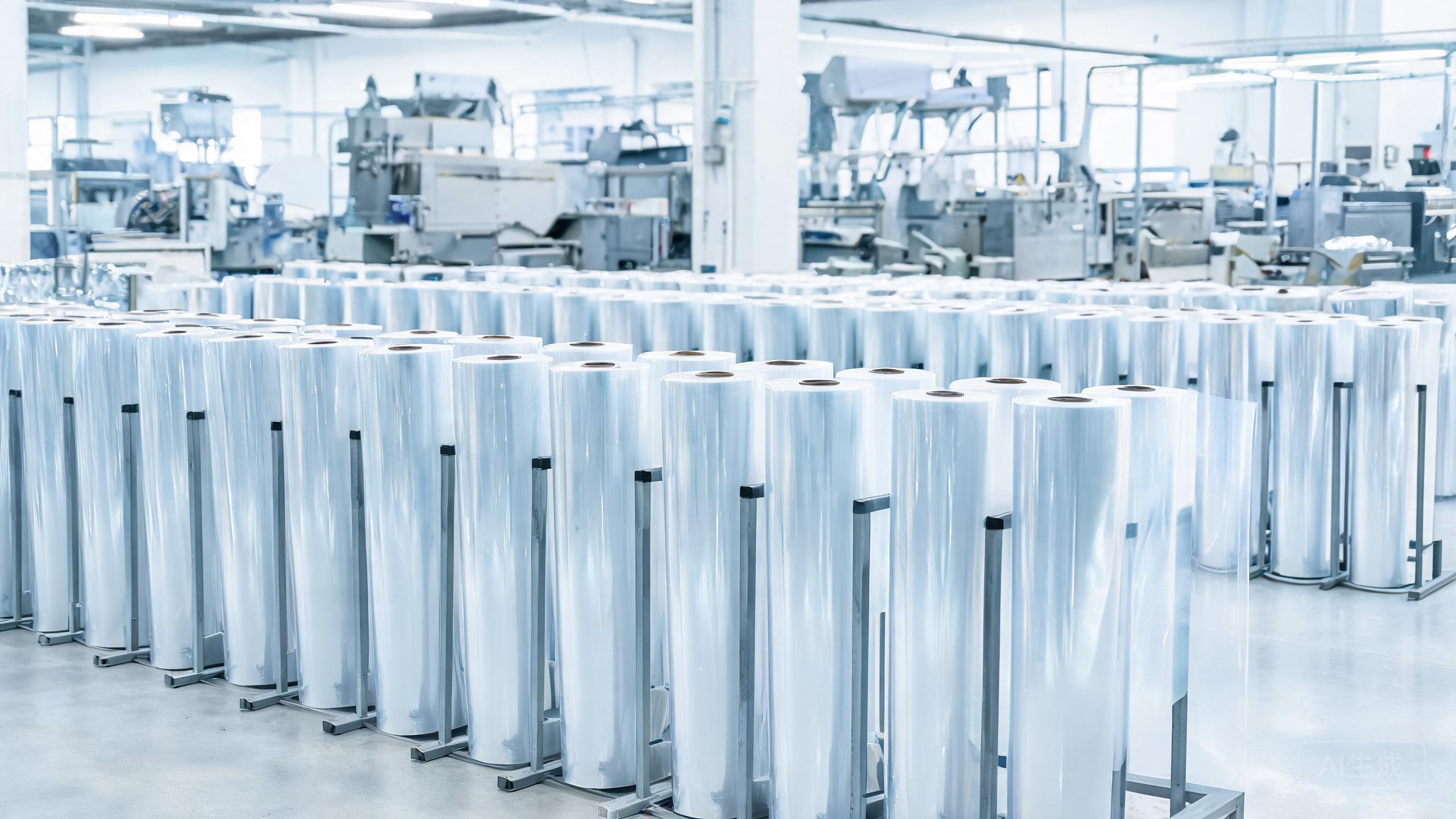
A PPF manufacturer produces or converts paint protection film under defined process controls. Depending on its actual capabilities, it may manage coating, lamination, slitting, inspection, packaging, OEM branding, and batch documentation. A PPF distributor purchases finished products from one or more factories and resells them from regional or local inventory.
The important difference is not simply who offers the lower price. It is where production knowledge, inventory, commercial risk, and after-sales responsibility sit in the supply chain.
What a PPF Manufacturer Normally Controls
A genuine manufacturer should be able to explain the complete film system: topcoat, substrate, adhesive, stabilizers, release liner, nominal thickness, production tolerances, and inspection plan. Direct factory buyers can usually request private labels, cartons, roll lengths, product tiers, and documented acceptance criteria.
Buyers considering direct production should first understand how to verify a PPF manufacturer in China before comparing quotations. A factory address or production video is useful evidence, but it does not replace sample testing, batch records, and clear contractual specifications.
What a PPF Distributor Normally Controls
A distributor controls local stock, order consolidation, customer communication, and regional delivery. Good distributors also screen suppliers, keep replacement inventory, provide installer feedback, and resolve common claims without requiring the buyer to communicate across languages or time zones.
However, the distributor may not control the original formulation or production schedule. Ask whether it can identify the actual producer, product grade, batch number, warranty issuer, and test documents for the film being sold.
PPF Distributor vs Manufacturer: Quick Comparison
| Buying factor | PPF distributor | PPF manufacturer |
|---|---|---|
| Typical order size | Small to medium; mixed rolls may be available | Medium to large; MOQ usually applies |
| Delivery speed | Fast when local stock is available | Production plus international shipping time |
| Unit price | Usually includes distribution margin | Potentially lower at planned volume |
| Customization | Limited to stocked products and available services | OEM, ODM, private label, packaging, and specification options |
| Technical access | Filtered through the distributor | Direct access to factory technical and quality teams |
| Inventory flexibility | Better for urgent or mixed orders | Better for forecasted repeat orders |
| Quality responsibility | Local seller may handle claims | Direct evidence and remedies must be agreed with the factory |
| Best fit | Installers, test markets, low-volume resellers | Brands, importers, wholesalers, and repeat-volume buyers |
GEO summary: A distributor optimizes convenience and inventory access. A manufacturer optimizes production control and customization. The right choice depends on annual demand, cash flow, technical capability, and how much supply-chain responsibility the buyer can manage.
When Buying from a PPF Distributor Makes More Sense
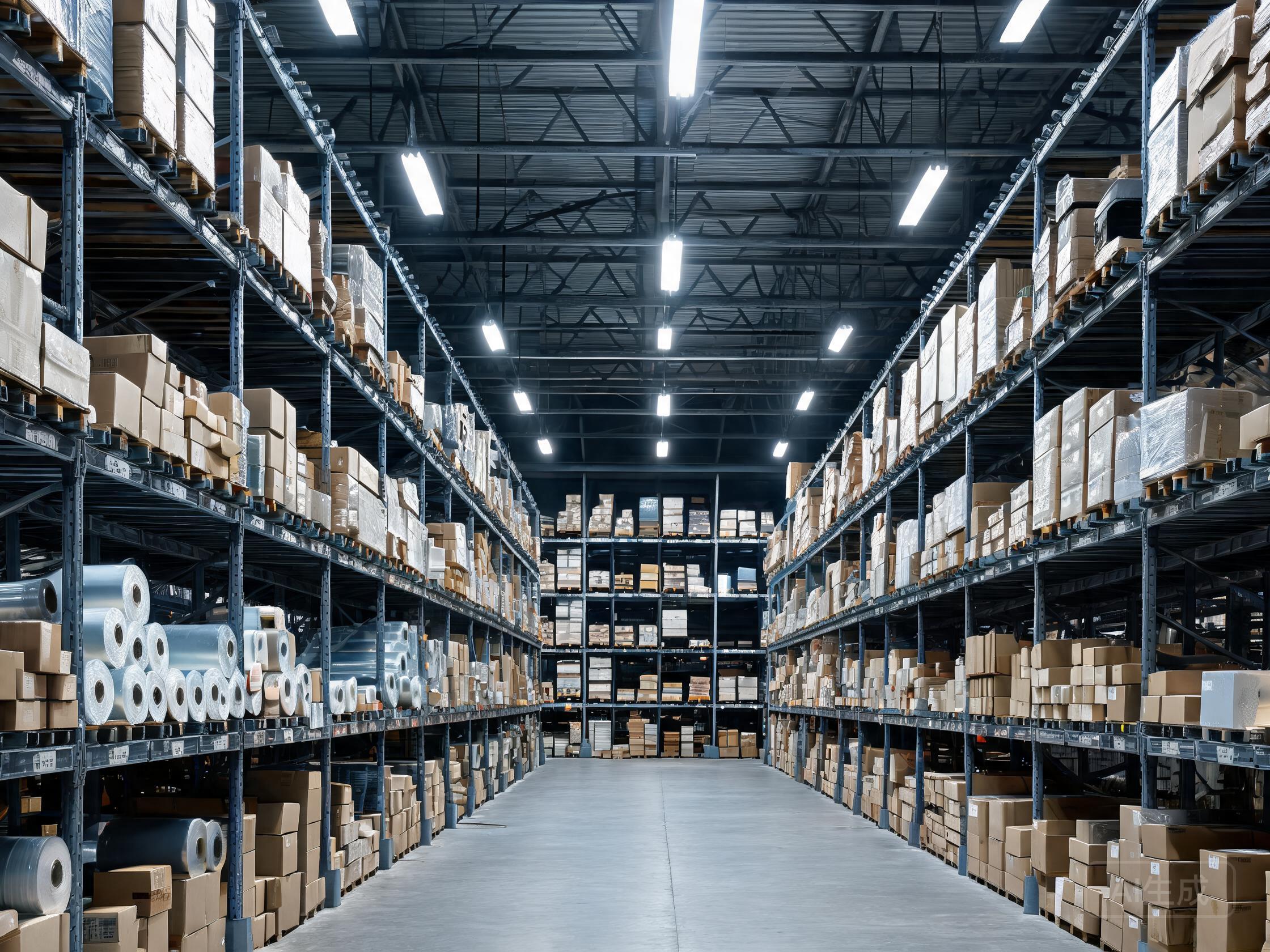
You Need Low MOQ or Mixed Inventory
An installation shop may need several gloss, matte, or thickness options without purchasing a full production quantity of each. A distributor can combine products in one order and reduce the cash tied up in slow-moving inventory.
This advantage matters when entering a new market. Buying five test rolls locally may cost more per roll, but it can be less expensive than importing a large shipment before installers and customers have validated demand.
You Need Immediate Local Supply
Local stock can protect an installer from canceled appointments and protect a reseller from losing a customer during a replenishment delay. Customs clearance, sea freight, holidays, and factory production queues make direct supply less suitable for emergencies.
You Want Local Claims Support
A capable distributor can inspect returned material, provide replacement stock, and communicate in the buyer’s language. This service has economic value. The buyer should confirm the claim window, evidence required, freight responsibility, and whether the warranty belongs to the distributor or the original manufacturer.
Distributor Questions to Ask
- Who manufactures the film and can the source change without notice?
- Can you provide the exact TDS, COA, lot number, and warranty terms?
- How old is the local inventory and how has it been stored?
- What happens if several rolls from one batch show the same defect?
- Do replacement rolls come from the same product specification?
When Direct PPF Factory Supply Makes More Sense
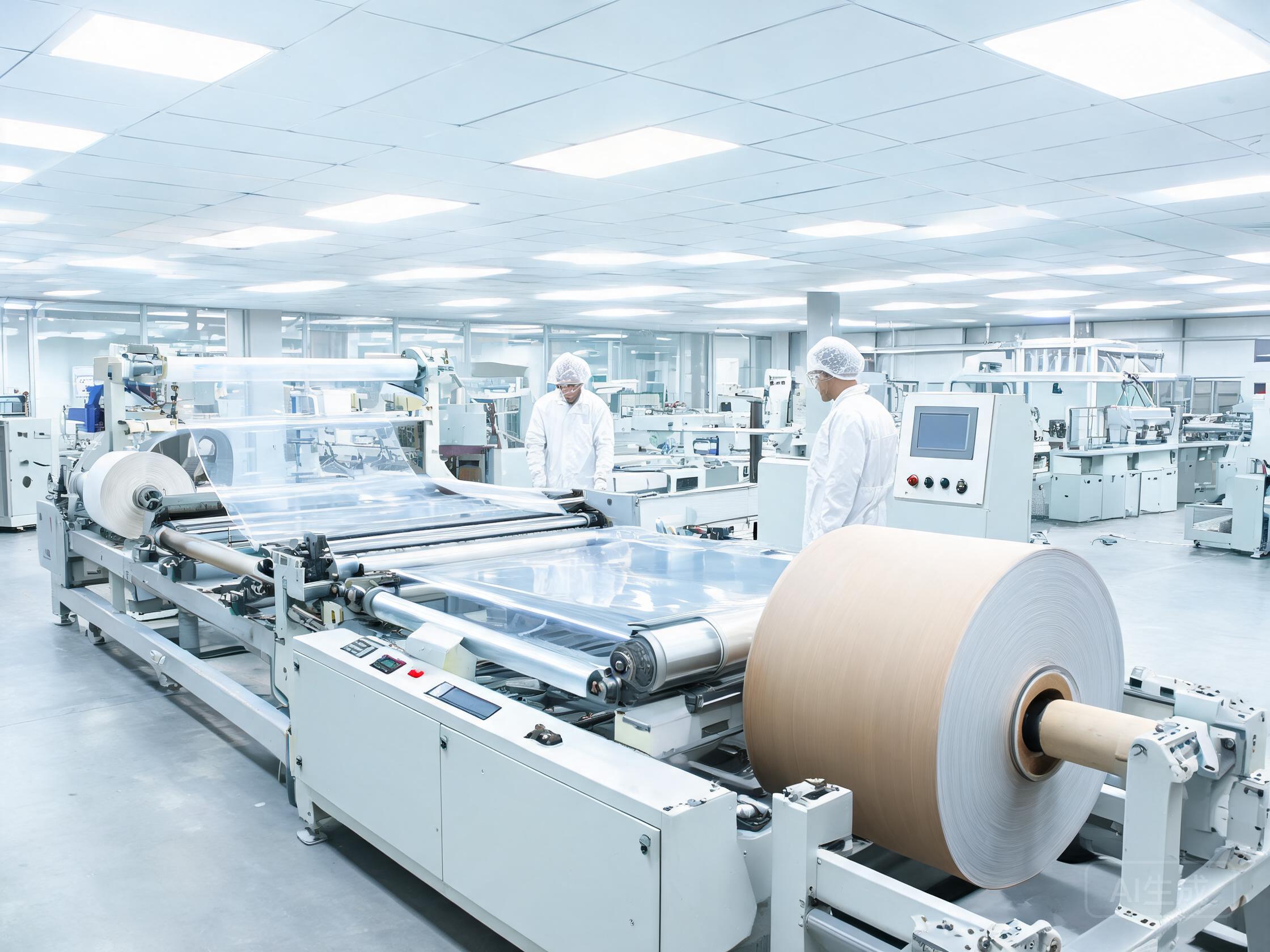
You Are Building an OEM or Private-Label Brand
A brand needs more than an unbranded roll. It needs a repeatable product definition, packaging, labels, sales documents, training information, batch identification, and a clear change-control process. Direct factory cooperation makes these requirements easier to negotiate and audit.
The practical sequence is covered in this PPF OEM factory sourcing guide . It helps buyers separate branding decisions from technical approval and mass-production controls.
Your Repeat Volume Can Support MOQ
Factory pricing becomes meaningful only when the buyer can sell the inventory within a safe period. Calculate landed cost rather than roll price: product, packaging, freight, duty, payment fees, inspection, warehousing, damaged stock, financing, and claim reserves all matter.
A direct order that sits unsold for a year may be more expensive than distributor inventory purchased monthly. Forecast by product tier and climate, not only by total annual roll count.
You Need Controlled Specifications and Traceability
Direct buyers can define measurable requirements for thickness, tensile strength, elongation, gloss, haze, adhesion, peel behavior, stain resistance, weathering, and visual defects. The values must include test methods and conditions; a number without a method is not a complete specification.
For buyers comparing premium and economy programs, this PPF tier selection guide explains how to match construction and warranty expectations to market position.
Factory Documents to Request
- Product-specific technical data sheet and current specification.
- Certificate of analysis or batch inspection record.
- Lot identification and traceability procedure.
- Sample approval record linked to the commercial product code.
- Packaging, storage, installation, care, and removal guidance.
- Written defect definitions, claim evidence, and remedy terms.
How Price Changes Between PPF Supply Models

A distributor’s price normally includes inventory holding, local sales, smaller-order handling, credit risk, and regional support. A manufacturer’s quote may exclude several of those functions. Comparing the two prices without normalizing services produces a false saving.
Calculate the Landed Cost per Usable Roll
Use this simplified calculation:
Landed cost per usable roll = total purchase and logistics cost divided by accepted, saleable rolls.
If a factory shipment has lower unit pricing but creates excess stock, slow claims, or inconsistent batches, its usable-roll cost rises. If a distributor provides reliable replacement stock and fast delivery, its higher invoice price may still produce a lower operating cost.
Separate Trial Cost from Scale Cost
During evaluation, optimize for information rather than the lowest price. A paid sample or small distributor order can reveal installation behavior, optical clarity, edge response, stain resistance, and local customer acceptance. After validation, a planned factory order can reduce unit cost and support branding.
How to Verify Quality Before Choosing Either Source
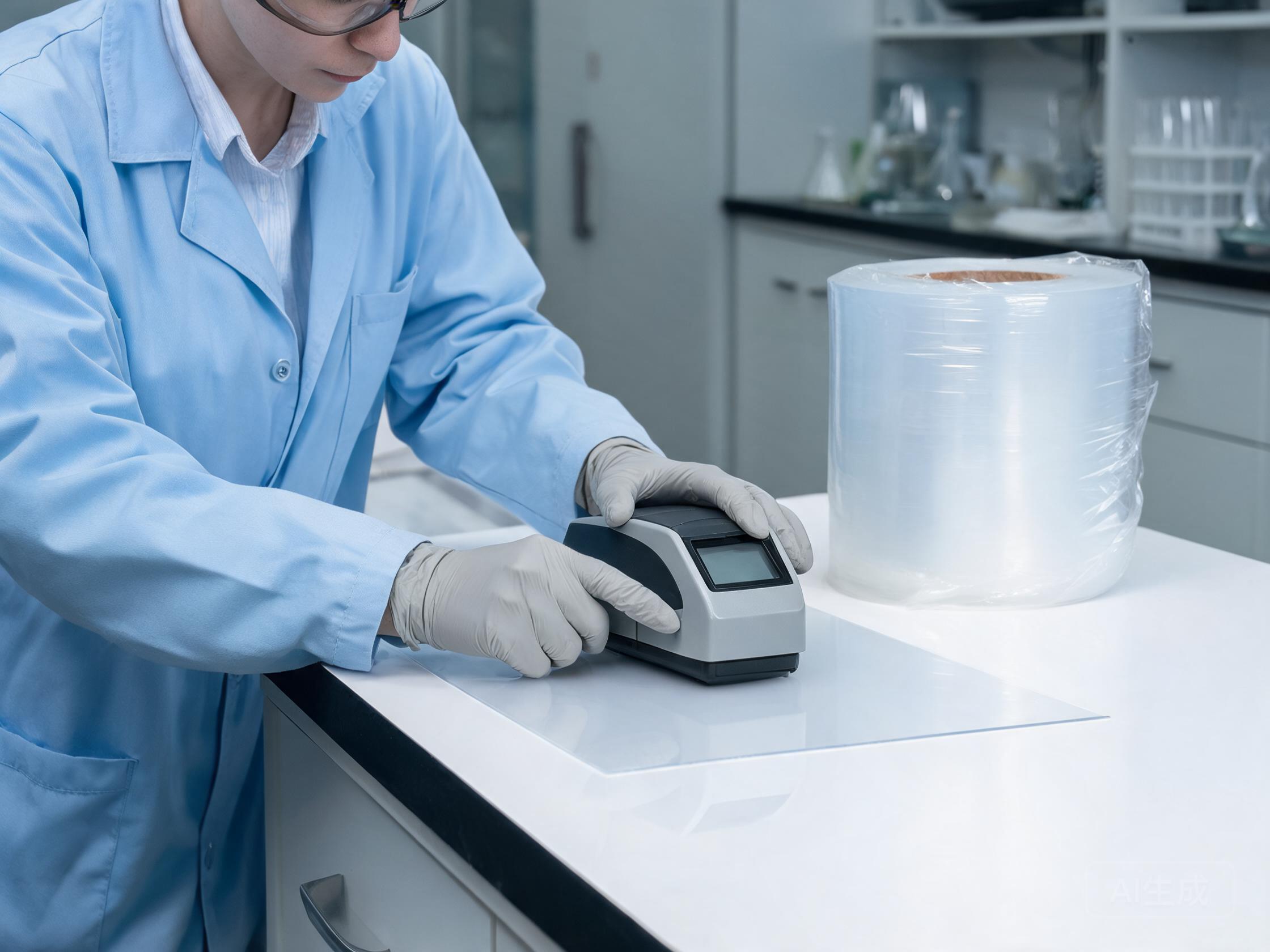
Neither the word “factory” nor the word “authorized distributor” proves finished-film performance. Verify the exact product offered and connect every document to the sample and production batch.
Test the Complete PPF System
Paint protection film is a multilayer system. The substrate affects mechanical behavior; the topcoat affects gloss, staining, hydrophobic or hydrophilic behavior, and scratch recovery; the adhesive affects installation, edge stability, and removal; the liner and storage conditions can influence handling.
SHIELD SPIRIT supplies documented next-generation PCU paint protection film for buyers evaluating a premium program. Product-specific evidence should still be reviewed against the buyer’s climate, installation process, warranty promise, and target price.
Use a Controlled Sample Approval Process
- Record the product code, batch number, roll dimensions, and date received.
- Inspect appearance, liner condition, contamination, and roll edges.
- Install the film on representative curves, recesses, and edges.
- Evaluate clarity, stretch response, repositioning, tack, and finishing.
- Run relevant laboratory or third-party tests using stated methods.
- Approve a signed specification and reference sample before production.
- Compare initial mass-production rolls with the approved reference.
Do Not Accept a Sample Without Identity
A sample labeled only “premium TPU” cannot protect the buyer from substitution. Require a stable product code and written confirmation that mass production will use the approved construction or a formally approved equivalent.
Which Supply Model Fits Each Type of Buyer?

PPF Installation Shops
Most independent installers benefit from a distributor when demand is variable and immediate stock matters. Direct factory buying becomes reasonable when multiple branches, a dealer network, or predictable monthly volume can absorb the MOQ.
Wholesalers and Regional Distributors
These buyers usually need direct manufacturing access because their own customers expect stable supply, territory support, product tiers, and private branding. They also need enough technical competence to manage forecasts, inspections, claims, and installer feedback.
Automotive Brands and Private Labels
A direct OEM relationship is normally the better strategic fit. The brand should control the approved specification, packaging artwork, warranty language, documentation, and change notification. It should not allow a product name alone to define quality.
Vehicle Owners
Vehicle owners rarely need to import directly. Their best protection is a reputable local installer that can identify the film, explain the warranty, show installation quality, and provide after-sales service. The source matters, but correct installation and maintenance also determine the result.
Can You Use a Distributor and Manufacturer Together?

Yes. A hybrid model is often the most resilient approach. Use direct factory supply for forecasted core products and use a distributor for urgent replenishment, special finishes, low-volume trials, or temporary demand spikes.
The risk is product confusion. Keep separate product codes, warranty terms, batch records, and customer promises. Do not sell two different constructions under one product identity unless equivalence has been documented and approved.
A Practical Hybrid Procurement Plan
- Use distributor stock to test local demand and train installers.
- Approve the best-performing product against written criteria.
- Forecast six to twelve months of realistic volume.
- Move stable, repeat demand to a direct factory program.
- Retain local backup inventory for delays and unexpected projects.
- Review claims, sell-through, and batch performance quarterly.
PPF Distributor vs Manufacturer Decision Checklist
Choose a distributor if most of these statements are true:
- You buy small quantities or mixed products.
- You need delivery within days rather than weeks.
- You cannot yet forecast demand reliably.
- You value local credit, communication, and replacement support.
- You do not need custom branding or specifications.
Choose a manufacturer if most of these statements are true:
- You have repeat volume and can manage an MOQ.
- You need OEM, ODM, or private-label services.
- You require direct technical communication and traceability.
- You can manage international logistics and inventory planning.
- You are prepared to define, test, and enforce specifications.
Final answer: The best PPF supply route is the one that matches your operating capability. A distributor reduces purchasing friction. A manufacturer increases control. Start with verified samples and realistic demand, then move toward direct production only when the volume, technical process, and cash flow justify it.
Questions Buyers Ask About PPF Supply
Is a PPF manufacturer always cheaper than a distributor?
No. The factory roll price may be lower, but MOQ, freight, duty, inspection, warehousing, financing, excess stock, and claim handling can make the total cost higher.
Can a small installer buy directly from a PPF factory?
Yes, if the factory accepts the order size. However, a local distributor may offer better economics when the installer needs only a few rolls, several product types, or immediate replacements.
How can I tell whether a supplier is a real PPF factory?
Verify its legal entity, production address, equipment, process flow, quality records, staff access, product-specific documents, and batch traceability. Use live or independent verification when possible and confirm that the approved sample matches production.
What does OEM PPF supply include?
It may include private labels, cartons, roll markings, product tiers, documentation, and production to an agreed specification. The exact scope, MOQ, lead time, ownership of artwork, and change-control rules must be written into the agreement.
Should a buyer choose TPU PPF or PCU PPF before choosing a supplier?
Material category is only one decision. Compare the complete construction, product-specific data, climate fit, installation behavior, warranty, price, and evidence. A good supplier should help define the application before recommending a grade.
Build a PPF Supply Chain That Can Be Verified

The strongest sourcing strategy is not built around a label such as distributor, manufacturer, TPU, or PCU. It is built around verified product identity, documented specifications, controlled samples, traceable batches, workable commercial terms, and a responsible party when something goes wrong.
For planned OEM, wholesale, or private-label PPF supply, review SHIELD SPIRIT’s paint protection film manufacturing capabilities and prepare your target market, annual volume, product tier, roll format, packaging needs, and test requirements before requesting a quotation.