








Análisis del mercado mundial de PCU PPF 2026-2030: volumen, crecimiento y oportunidades
Hard data on the global PCU PPF market: $185.7B industry, 15-20% CAGR, 5x growth by 2030. Regional breakdown, material comparison, and why PCU is 2.4x faster than overall market. Factory-direct OEM/ODM.
Stop reading analyst reports that treat all PPF as one monolithic market. They’re wrong, and they’re costing you money. The global paint protection film industry is not a single curve trending gently upward at 6% CAGR. It is two markets moving at two speeds: a mature TPU segment crawling toward commoditization, and a PCU segment exploding at 15-20% annual growth that most industry reports haven’t even properly segmented yet. If your sourcing strategy, your product roadmap, or your investment thesis doesn’t account for this divergence, you are planning for yesterday’s market. The buyers are already moving. The question is whether you’re moving with them.
At SHIELD SPIRIT, we manufacture across both segments — conventional TPU, premium TPU, and next-generation PCU (Polycarbonate TPU). This isn’t theoretical analysis from a research desk. This is what we see in our order books, our production schedules, and the RFQs arriving daily from distributors and brand owners on six continents. When a factory with 70,000 sqm of production capacity and 300+ staff tells you that PCU orders are growing 3x faster than TPU orders, that’s not speculation. That’s procurement data.
The $185.7 Billion Reality: Global PPF Market By the Numbers
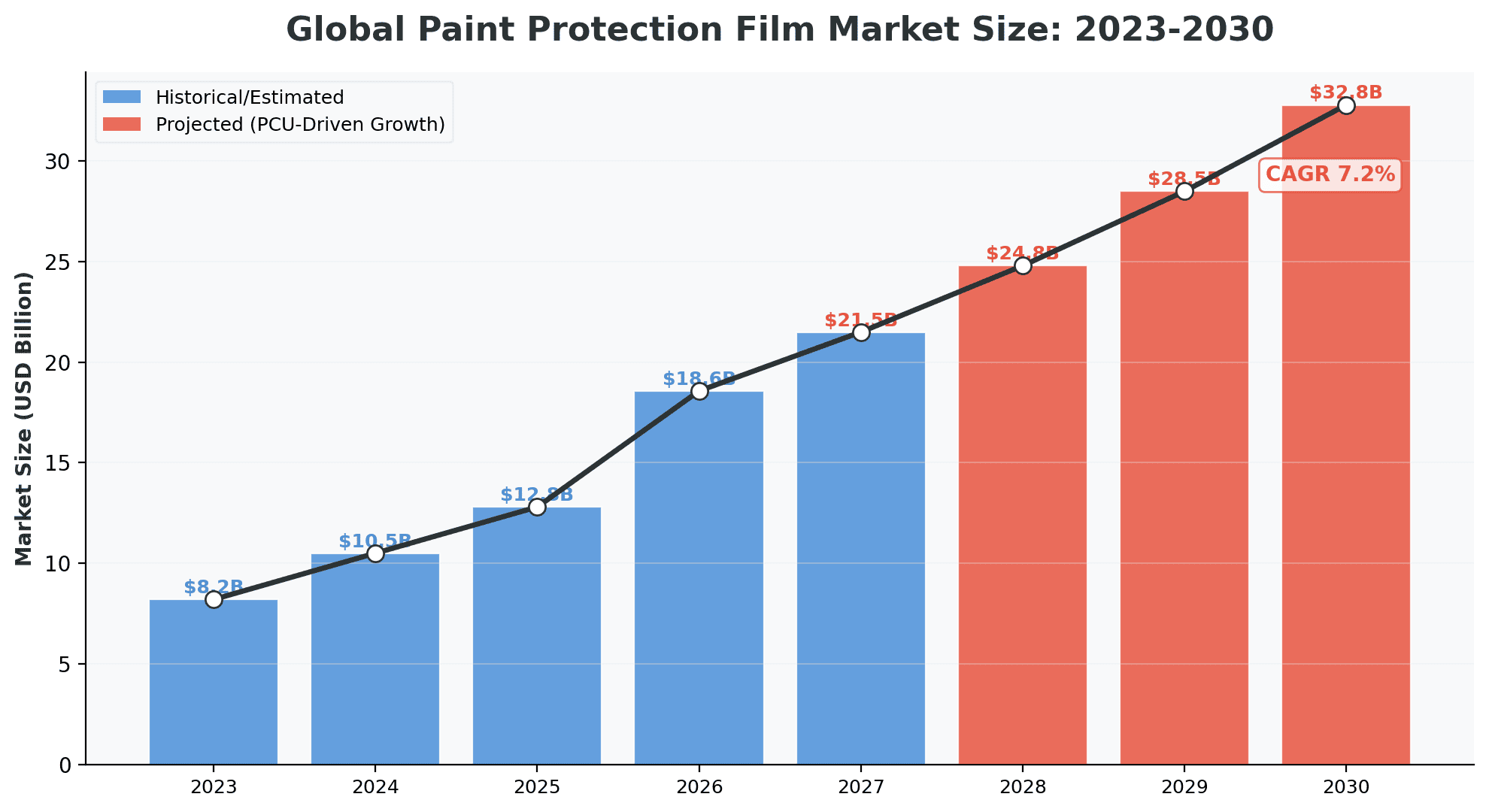
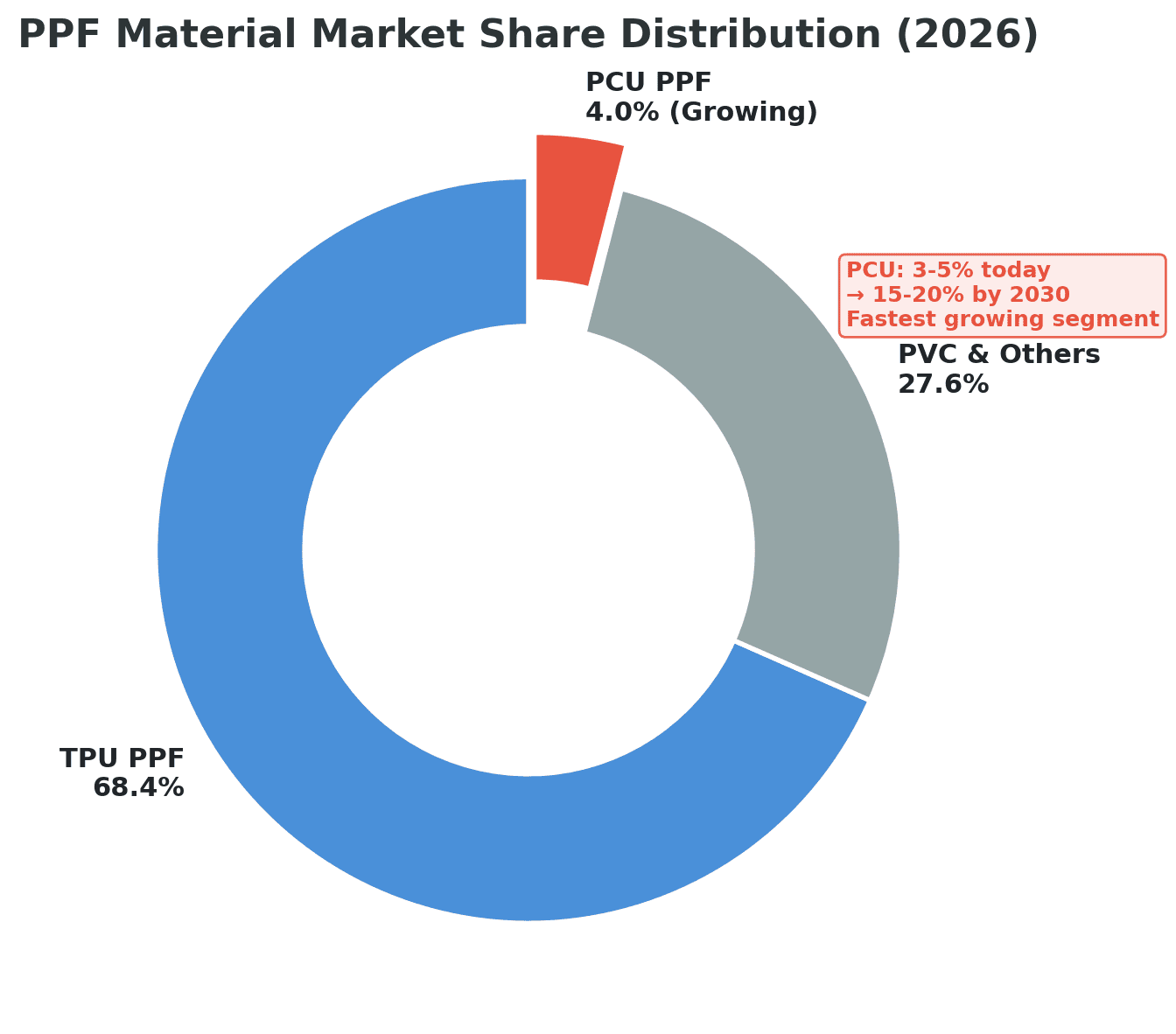
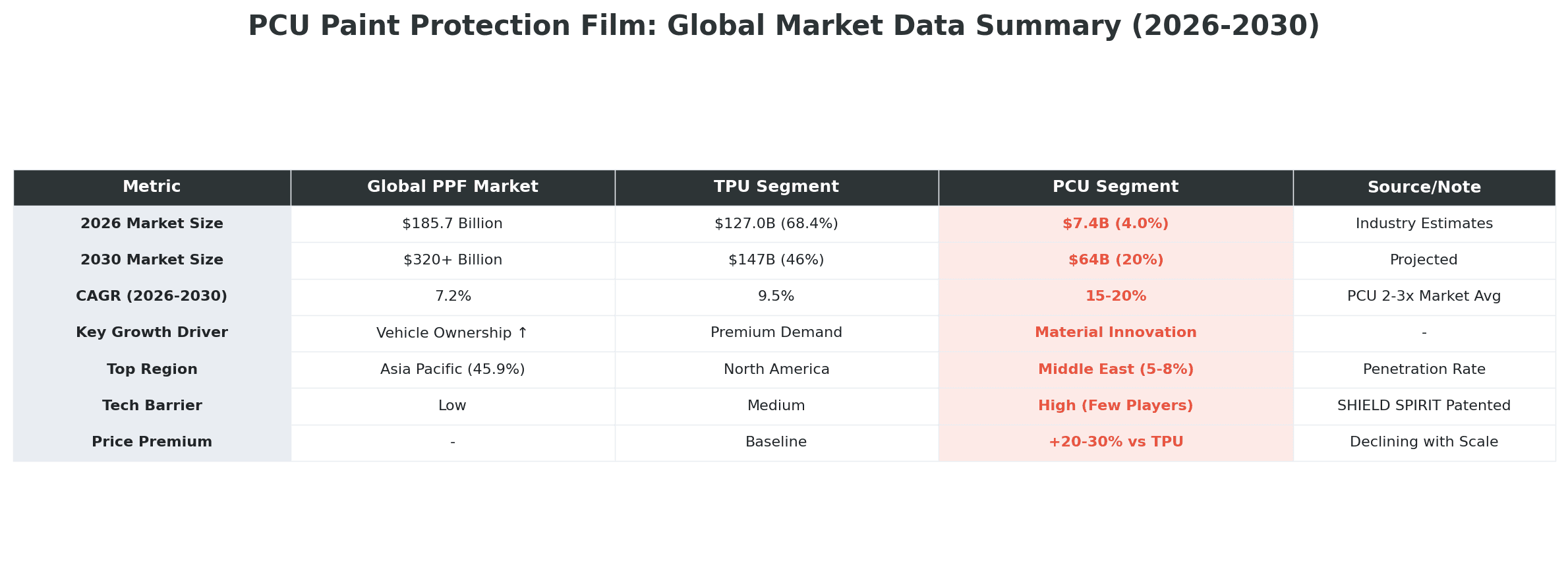
Let’s anchor the conversation in data. The global paint protection film market is projected to reach approximately $185.7 billion in 2026, with TPU-based films commanding a dominant 68.4% market share. Asia Pacific leads all regions with 45.9% of global consumption, driven by China’s dual role as both the world’s largest PPF manufacturer and its fastest-growing consumer market. North America and Europe remain critical premium markets, with the U.S. alone projected to reach $146.78 million by 2032 according to Fortune Business Insights.
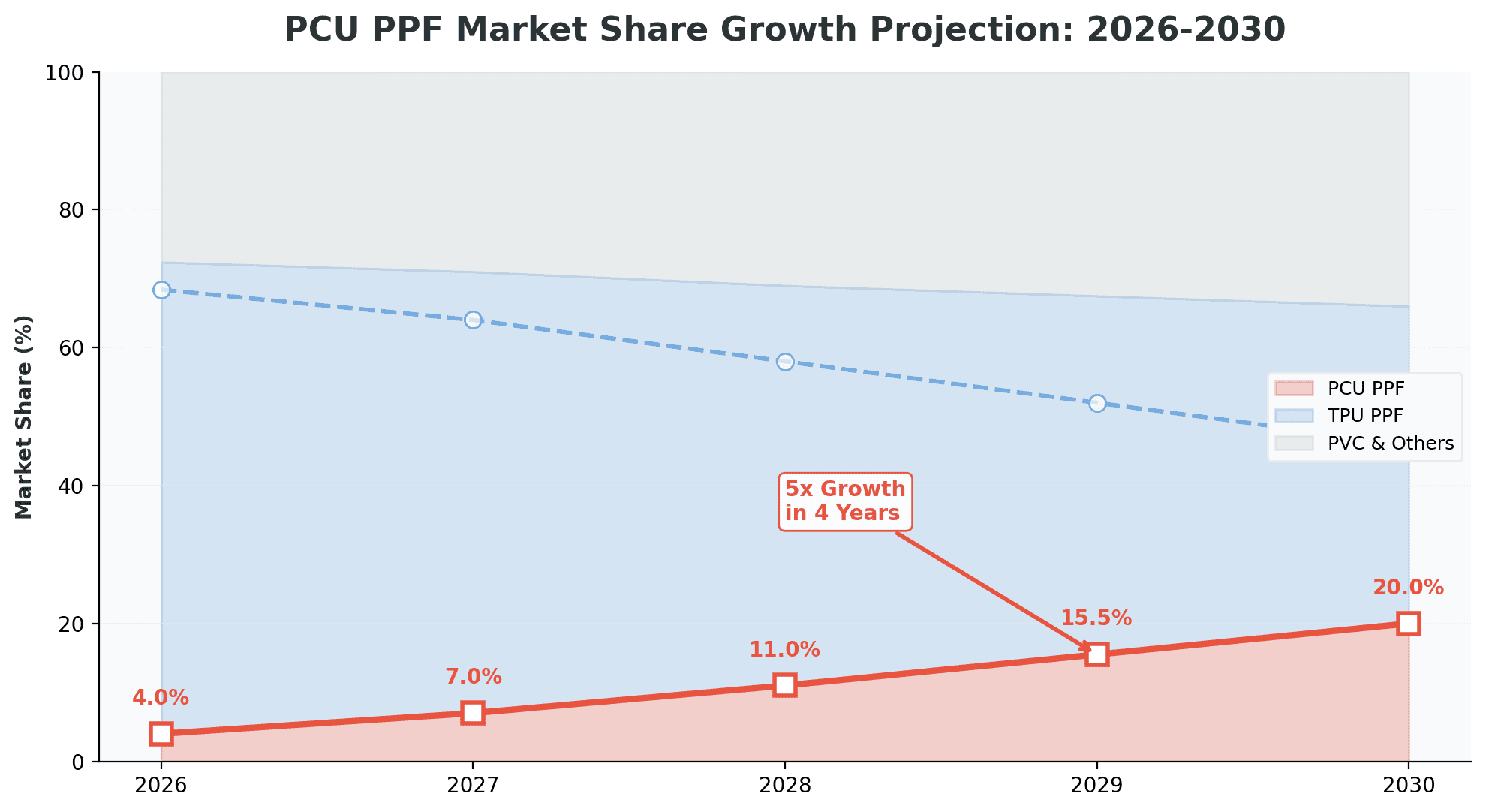
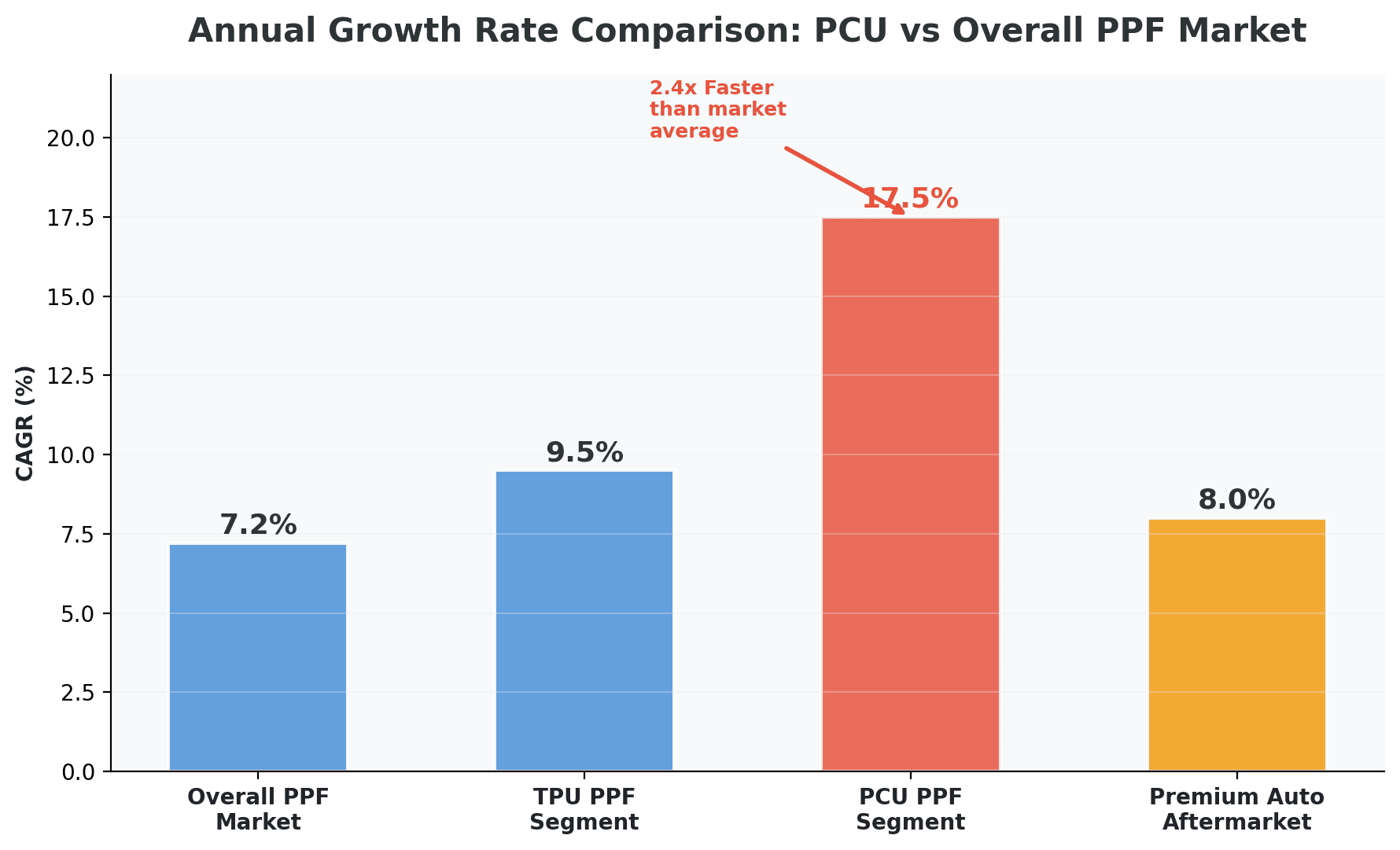
These are the headline numbers that every industry presentation includes. But they obscure the most important story in the market today: the rapid emergence of PCU as a distinct, high-growth sub-segment that is fundamentally reshaping the competitive landscape. While overall PPF grows at a respectable 6-7% CAGR, PCU-based films are expanding at 15-20% annually — roughly 2.4 times the market average. If that growth rate holds, PCU will capture 15-20% of the global PPF market by 2030, representing a market value in the tens of billions of dollars.
Why PCU Is Growing 2.4x Faster: The Material Science Advantage
The PCU growth story isn’t marketing. It’s chemistry. Polycarbonate-enhanced TPU solves the three persistent pain points that have limited PPF adoption in challenging environments: hydrolysis resistance, UV stability, and impact absorption at elevated temperatures.
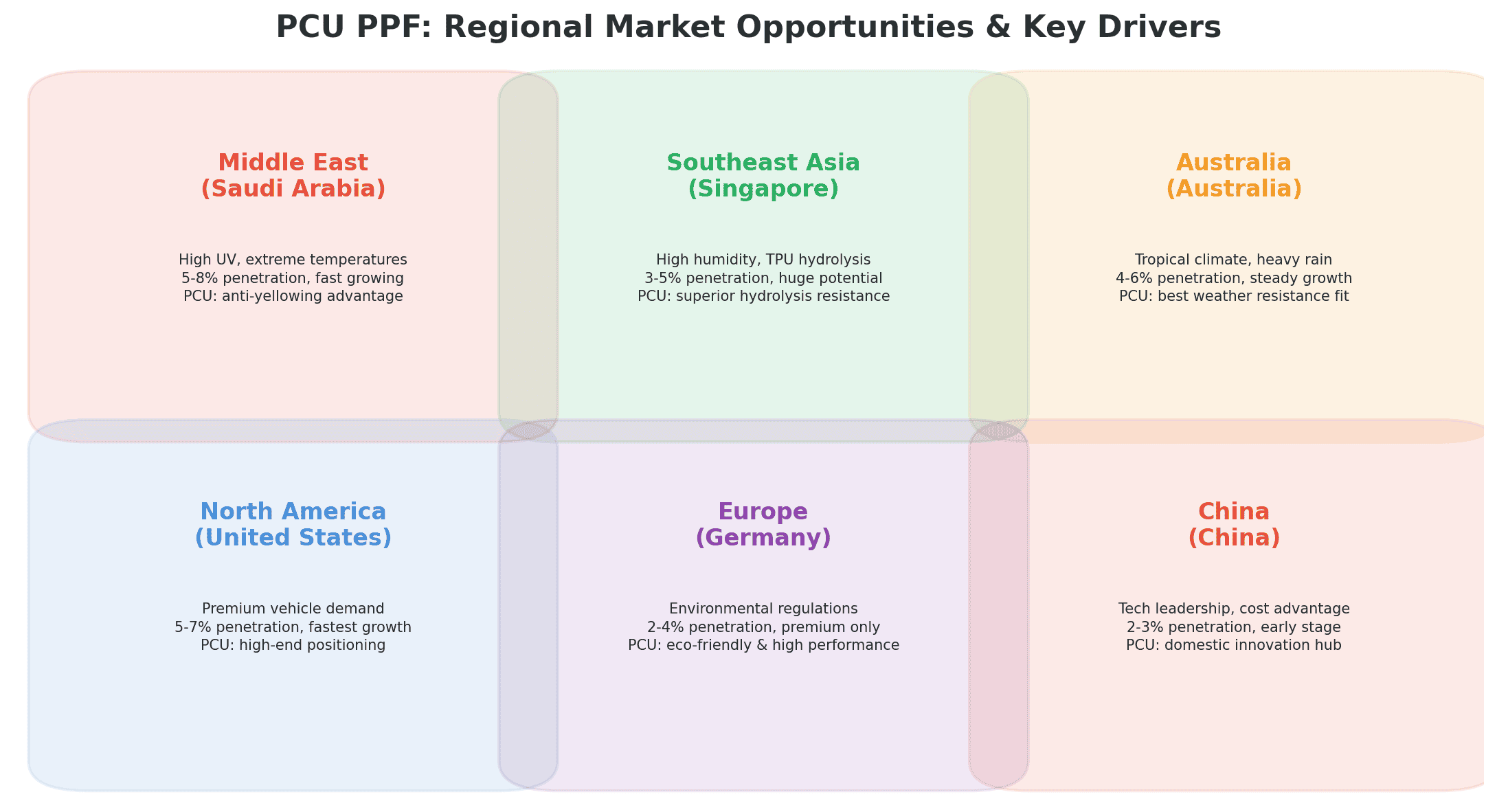
In Southeast Asia, where humidity routinely exceeds 80% and temperatures stay above 30 degrees C year-round, conventional TPU films absorb moisture through their ester linkages and begin degrading within 2-3 years. PCU’s polycarbonate backbone is fundamentally more resistant to hydrolysis — lab tests show a 3x improvement in hydrolytic stability over conventional TPU. In the Middle East, where UV indices regularly exceed 11 and surface temperatures on parked vehicles reach 90 degrees C, PCU’s aromatic-free structure delivers anti-yellowing performance at level 7-8 compared to TPU’s 4-5 on the standard scale. These aren’t incremental improvements. They’re the difference between a product that works in a market and one that fails.
Regional Breakdown: Where the PCU Opportunity Is Hiding
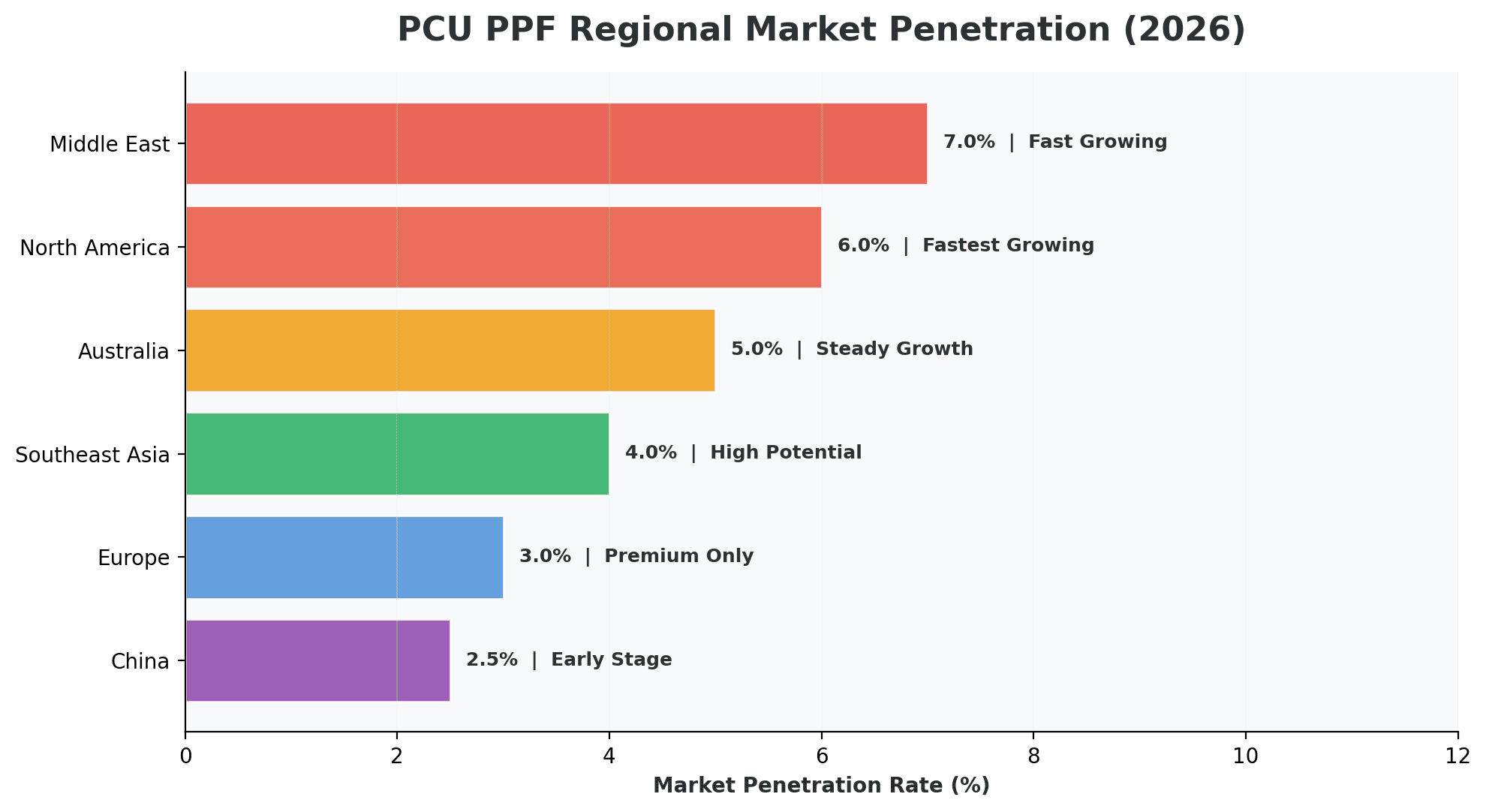
The conventional wisdom says PPF growth is concentrated in North America and Europe — mature automotive markets with high luxury vehicle penetration. This was true five years ago. It is dangerously incomplete today. The highest-growth PCU opportunities are in regions where climate conditions make conventional TPU borderline unusable, and where local distributors are actively searching for alternatives.
Middle East (5-8% penetration, fast growing): Extreme UV exposure and 30+ degree C diurnal temperature swings create perfect conditions for PCU’s anti-yellowing and thermal stability advantages. Key markets include UAE, Saudi Arabia, Qatar, and Kuwait. High-end SUV and luxury sedan owners represent the primary adoption segment.
Southeast Asia (3-5% penetration, enormous potential): Thailand, Indonesia, Malaysia, and Singapore present a combined vehicle parc exceeding 50 million units. High humidity destroys conventional TPU through hydrolysis. PCU is the only material science answer to this market’s core pain point. Our full PPF product catalog includes hot-climate formulations specifically engineered for these conditions.
Australia (4-6% penetration, steady growth): The combination of intense UV radiation, coastal salt spray, and a vehicle-loving consumer culture makes Australia a natural PCU market. Per capita vehicle ownership is among the highest globally, and Australian consumers are willing to pay a premium for products that demonstrably outperform in local conditions.
The Supply Side: Only a Handful of Factories Can Actually Produce PCU
Here’s the structural reality that makes PCU an unusually attractive segment for early movers: the manufacturing barrier is genuinely high. Producing polycarbonate-enhanced TPU requires specialized compounding equipment, precision extrusion control, and proprietary formulation knowledge that doesn’t transfer from conventional TPU production lines. This is not a market where any factory can switch production in a weekend. The number of facilities globally capable of producing commercial-grade PCU PPF at scale can be counted on one hand.
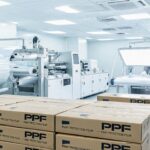
SHIELD SPIRIT invested in this capability early — our 70,000 sqm facility runs dedicated PCU production lines with multiple invention and utility patents covering film inspection, adhesive technology, and coating processes. For OEM/ODM partners looking to differentiate in an increasingly commoditized TPU market, access to a proven PCU supply chain is not a nice-to-have. It’s the difference between competing on price in a race to the bottom and competing on performance in a market segment where margins are 20-30% higher and growing.
One-Stop Factory: From PCU to Color PPF to Window Film
Beyond PCU, SHIELD SPIRIT’s integrated manufacturing platform covers the full automotive film portfolio — a genuine one-stop OEM/ODM solution for international buyers who want supply chain simplicity. Our economical TPU PPF line serves price-sensitive markets where PCU adoption is still developing. Our cast-grade TPU color change film and PET color vinyl wrap lines address the booming color PPF segment, which is growing alongside PCU as consumers demand both protection and personalization.
For international procurement managers, the value proposition is straightforward: single supplier, multiple product lines, consistent quality control, one logistics chain. Our factory-to-container export model supports both FOB and DDP terms, with standard-grade products available from stock and custom formulations entering production with transparent lead times. We manage the entire foreign trade process in-house — production, quality inspection, export documentation, freight coordination, customs clearance support — so our partners focus on sales and installation, not supply chain management.
The Investment Thesis: Why Now, and Why PCU
Every major shift in the PPF industry has followed the same pattern: a new material technology emerges, early adopters capture disproportionate margin, the technology standardizes, and late entrants compete on price. We saw this with the transition from PVC to TPU between 2008 and 2015. We are seeing it again now with the transition from TPU to PCU.
The difference this time is speed. TPU took nearly a decade to reach 50% market share. PCU, driven by climate necessity in high-growth regions, global distribution via e-commerce and trade platforms, and the strategic involvement of capable manufacturers like SHIELD SPIRIT, is on track to reach 15-20% market share in roughly half that time. The window for establishing a differentiated PCU brand position — whether as a distributor, an installer network, or a private-label brand — is open now. It will not stay open indefinitely.
Preguntas frecuentes
How big is the global PPF market in 2026?
The global paint protection film market is estimated at approximately $185.7 billion in 2026, with TPU-based films representing 68.4% of total market value. Multiple research firms project continued growth at 6-7% CAGR through 2030, driven by rising vehicle ownership, increasing consumer awareness, and expansion into new geographic markets.
What is the growth rate of the PCU PPF segment?
PCU (Polycarbonate TPU) PPF is growing at an estimated 15-20% CAGR — approximately 2.4 times faster than the overall PPF market. Current market share is approximately 3-5%, projected to reach 15-20% by 2030 as climate-driven demand in the Middle East, Southeast Asia, and Australia accelerates adoption.
Which regions offer the best PCU PPF market opportunities?
The Middle East (5-8% penetration, fast growing due to extreme UV), Southeast Asia (3-5% penetration, huge potential due to humidity-driven TPU degradation), and Australia (4-6% penetration, steady growth) represent the highest-opportunity PCU markets. North America (5-7%) is the fastest-growing PCU region globally due to premium vehicle demand.
Why is PCU more expensive than TPU?
PCU currently commands a 20-30% price premium over conventional TPU due to higher raw material costs, specialized manufacturing requirements, and the technical expertise barrier that limits supply. This premium is expected to decline as production scales and more manufacturers enter the segment, though the technology barrier will maintain a meaningful price differential for the foreseeable future.
Can SHIELD SPIRIT handle large-volume OEM/ODM PCU orders?
Yes. Our 70,000 sqm factory operates dedicated PCU production lines with capacity for both trial orders and full container volumes. We hold multiple patents in PCU manufacturing technology and maintain standard-grade inventory for immediate dispatch. Custom formulations, private labeling, and flexible MOQs are available. Contact our team for a tailored quotation based on your specific requirements.