










PPF VOC Testing: Why the Report Matters
A PPF roll can look perfectly clean and still leave an important buyer question unanswered: what does it release under controlled heat? A VOC report does not replace a product specification, but it gives sellers and vehicle owners a measured view of emissions from the finished film under stated laboratory conditions.
That is why SHIELD SPIRIT completed a dedicated volatile organic compounds test when a customer requested one. The point was not to decorate a sales page with a laboratory number. It was to answer a practical question with traceable evidence, and to show the level of care we bring to customer requests.
Why VOC Testing Matters for PPF
PPF Is a Finished Film System
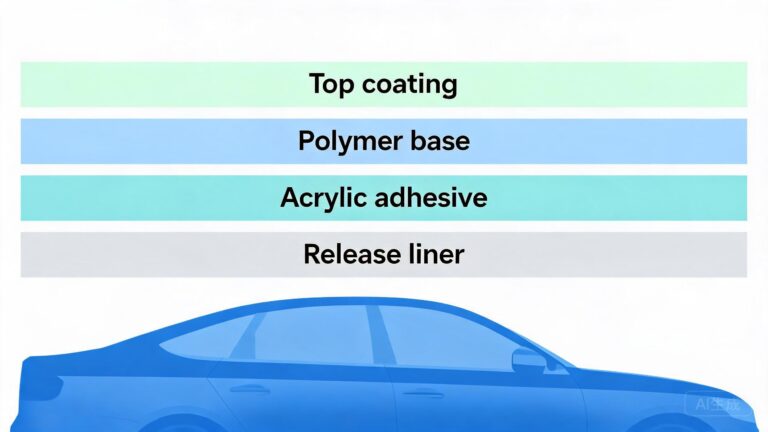
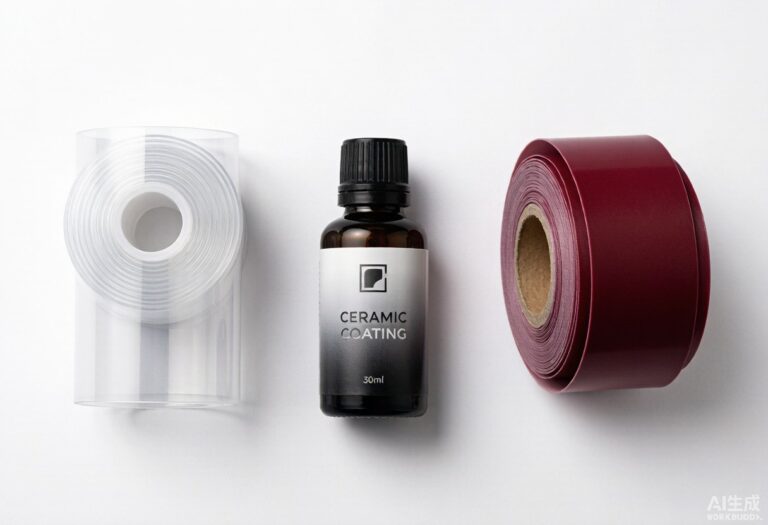
Paint protection film is not just a single resin name. A finished system can include a substrate, topcoat, adhesive, stabilizers, liner and the installation process. Each layer can influence odor, emissions, handling and how the film behaves when it is warmed.
For example, a film installed on a dark hood may experience strong sunlight and elevated surface temperature. A film applied inside a closed workshop may be noticed first through odor. A distributor may need evidence before recommending the film to a fleet, detailer or vehicle owner. These are different situations, but they all benefit from testing the finished product rather than relying only on a material label.
A Customer Request Becomes a Quality Check
Customers do not always ask for the same evidence. One buyer may focus on gloss and self-healing. Another may ask for weathering, adhesion or VOC data. A responsible supplier should be able to treat the request as part of technical service, define the sample and test basis clearly, and return the result without turning one report into an unlimited claim.
For SHIELD SPIRIT, this VOC test is also a reminder that service quality is measurable. When a customer asks for a specific test, the answer should be a documented test process, not a vague promise that the film is “safe” or “low odor.”
What the Report Actually Tested
Method and Conditions
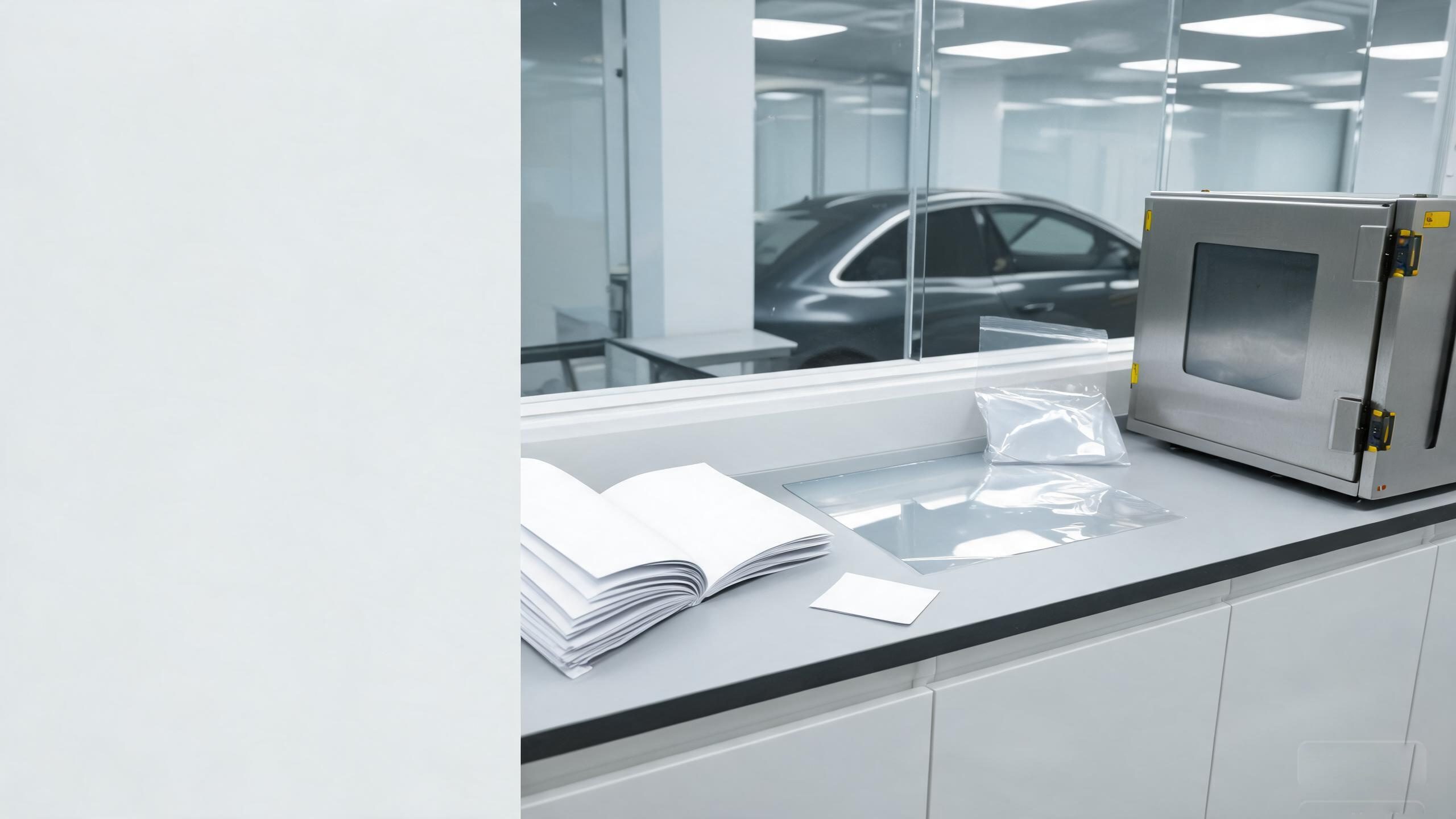
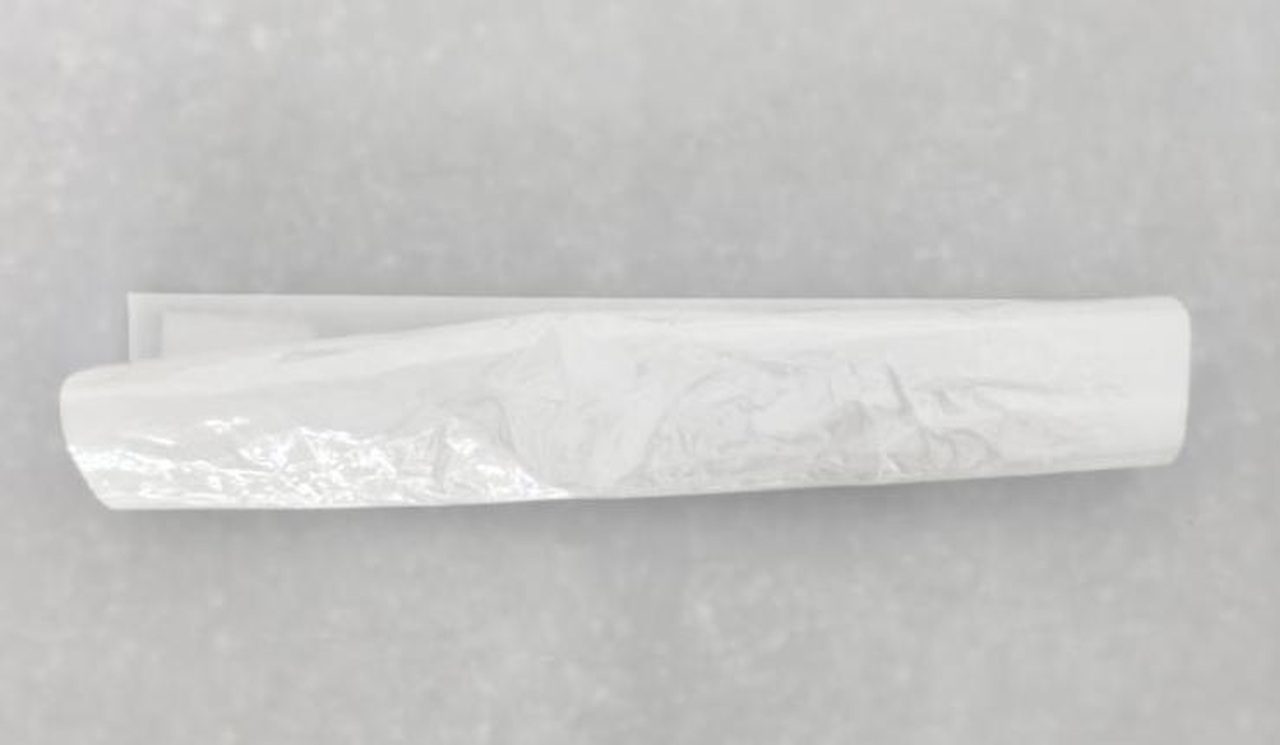
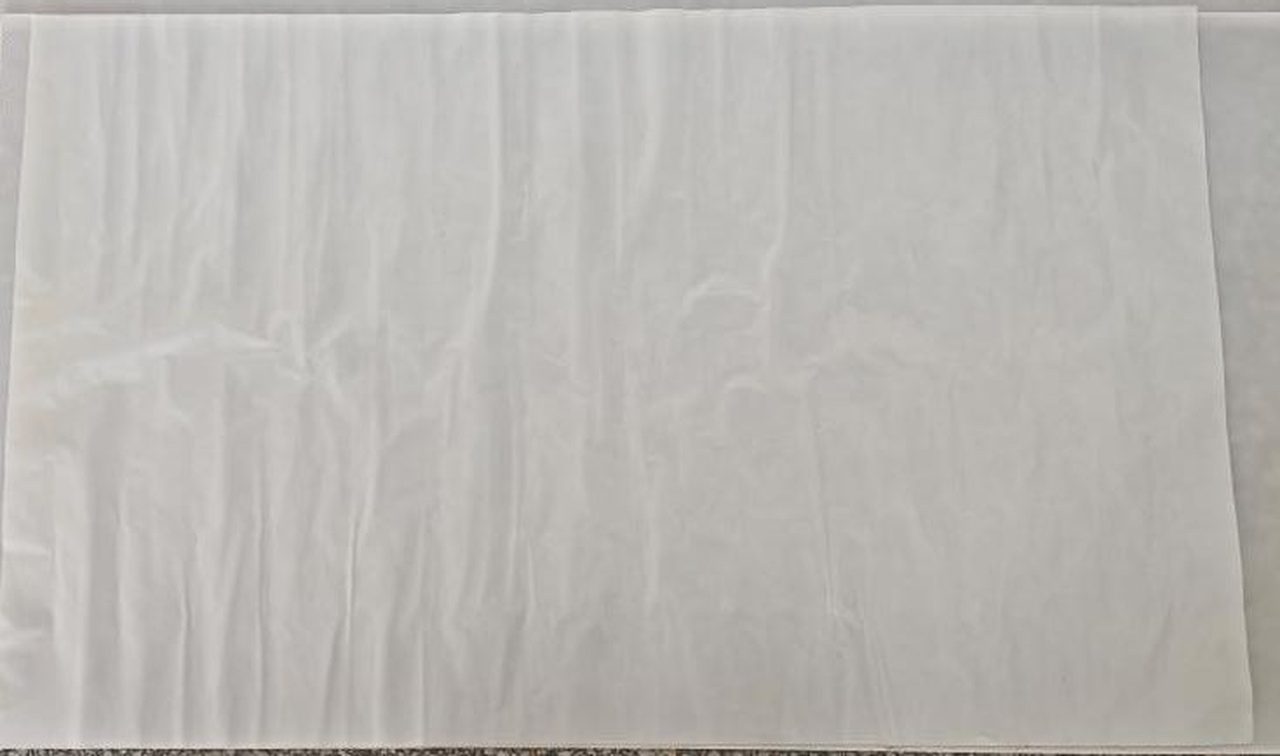
The report identifies the sample as PPF and the requested item as volatile organic compounds. Testing was conducted according to GB/T 39897-2021. The sample was preconditioned in an unopened state at 23 ± 2°C and 50 ± 10% relative humidity for 24 hours.
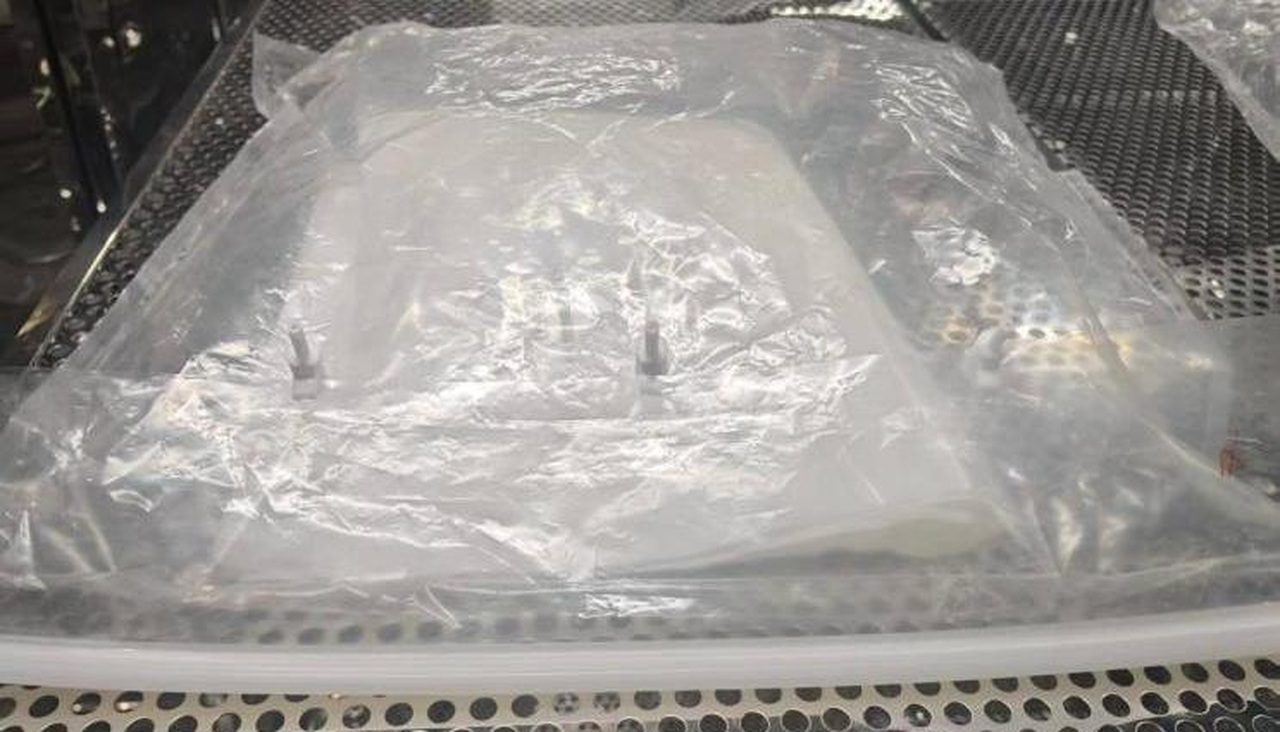
The report describes a VOC sampling-bag constant-temperature chamber method. A 50 L bag was filled with 25 L of nitrogen, and the sample was heated at 65°C for two hours before analysis. VOCs were collected for thermal-desorption GC-MS analysis, while aldehydes and ketones were collected with DNPH and assessed by HPLC. These details matter because an emission result only has meaning together with its sample preparation, temperature, time, chamber volume and analytical method.

Why the Test Uses Heat
Heating is not a prediction that every car will sit at 65°C for two hours. It is a controlled stress condition that helps the laboratory collect and compare emissions from the sample. Think of it like checking a rain jacket under a stronger shower than an ordinary walk: the condition is designed to reveal behavior consistently, not to recreate every moment of daily use.
This distinction prevents two common mistakes. A laboratory result should not be presented as a universal indoor-air guarantee, and a controlled heating condition should not be dismissed as irrelevant. It is a defined test window that helps buyers compare evidence when the same method and conditions are used.
Reading the Reported Results
The Reported Compounds
The report gives results in µg/m³ for benzene, toluene, ethylbenzene, xylene, styrene, TVOC, formaldehyde, acetaldehyde and acrolein.
| Item | Reported result | Plain-English reading |
|---|---|---|
| Benzene | ND | Below the stated detection limit |
| Toluene | 233 µg/m³ | Detected in the tested condition |
| Ethylbenzene | 3.23 µg/m³ | Detected at a low reported concentration |
| Xylene | ND | Below the stated detection limit |
| Styrene | 6.70 µg/m³ | Detected at a low reported concentration |
| TVOC | 11,167 µg/m³ | Total measured VOC signal under the test condition |
| Formaldehyde | 195 µg/m³ | Detected in the tested condition |
| Acetaldehyde | 335 µg/m³ | Detected in the tested condition |
| Acrolein | ND | Below the stated detection limit |
ND Does Not Mean Absolute Zero
ND means “not detected” under the report’s stated detection limit. In this report, the detection limit is 10 ng/tube for the benzene-series compounds and 25 ng/tube for aldehydes and ketones. The careful way to write “benzene: ND” is “benzene was below the stated detection limit in this test,” not “the film contains absolutely no benzene.”
This wording may sound small, but it makes a large difference in technical communication. A seller who changes ND into “zero” creates a claim the report did not make. A seller who preserves the wording gives the buyer a result that can be reviewed honestly.
TVOC Is a Total, Not a Single Ingredient
TVOC is a combined indicator of measured volatile organic compounds under the test setup. It is not the name of one chemical and it does not, by itself, identify which layer of the film contributed each signal. The reported TVOC value of 11,167 µg/m³ must therefore be read with the method, temperature, exposure time and list of individual compounds.
A simple analogy is a household electricity bill. The total tells you how much electricity was used, but it does not tell you whether the refrigerator, heater or lighting used the most unless you examine the individual loads. TVOC is useful as a total signal; the individual compound results provide the detail behind it.


Who Benefits from the Evidence?
For Sellers and Distributors
A VOC report gives a distributor something more useful than a generic “environmentally friendly” phrase. It can help answer a fleet buyer who asks about emissions, a detail studio that works in enclosed bays, or a dealer who wants a document for internal supplier review.
It also improves claim discipline. A seller can explain the tested sample, standard, conditions and measured values. The seller can then tell the buyer what still needs confirmation, such as the exact product grade, lot, adhesive construction, installation environment and applicable warranty. This is stronger commercial communication than promising that every roll, every installation and every climate will behave identically.
For Consumers and Installers
Consumers usually experience PPF as an ownership decision, not as a laboratory exercise. They may notice odor during the first period after installation, especially if the vehicle stays closed in warm weather. A documented test gives them a better question to ask: which sample was tested, under what conditions, and does the result apply to the exact product being sold?
Installers also benefit from clarity. Good ventilation, clean preparation, correct temperature control and proper curing guidance remain important because a finished installation includes more than the film alone. A report on an unopened PPF sample should not be used to ignore installation materials, cleaning chemicals or workshop ventilation.
For the Vehicle
VOC testing is not a paint-protection performance test. It does not measure gloss, impact resistance, stain resistance, peel strength, self-healing or long-term yellowing. Its vehicle-related value is narrower: it helps document what the tested film emitted under the specified laboratory condition.
That still matters in real life. A vehicle parked outdoors may heat the film. A vehicle stored in a closed garage may concentrate odor more than one parked in open air. A family car may be used by people who are particularly sensitive to smells. In each case, the report is one piece of evidence for choosing and handling the film, not a substitute for the full product specification.
How VOC Data Fits the Buying Decision
Check the Whole Construction
When comparing SHIELD SPIRIT PCU PPF with another option, ask for evidence tied to the exact grade and finished construction.
The same questions apply when reviewing a premium TPU PPF range . Identify the substrate, topcoat, adhesive, liner, thickness, batch and test sample.
Material language is a starting point, not the whole answer. Our earlier guide to PCU versus TPU laboratory comparison explains why buyers should connect a material description to finished-film data instead of assuming that one polymer name predicts every result.
Ask Questions That Can Be Verified
- Was the tested sample the same finished product and grade that I will buy?
- What standard and analytical methods were used?
- Were the temperature, humidity, chamber volume and heating time recorded?
- Does ND mean below a stated detection limit, and what is that limit?
- Which parts of the report are relevant to VOCs, and which performance questions require separate testing?
For wider supplier evaluation, the article on PPF factories, materials and finished film offers a broader checklist for connecting technical documents with production and service capability.
SHIELD SPIRIT’s Practical Position
Evidence First, Claims in Context
SHIELD SPIRIT arranged this VOC assessment because a customer asked for it. The report records a PPF sample, a defined test basis, controlled conditions and individual results. That is the useful story: when a customer needs a specific technical answer, we are prepared to investigate the finished film and provide evidence that can be read and questioned.
We will continue to keep the conclusion bounded. This report supports discussion of the tested sample under the stated VOC conditions. It does not by itself prove that every model, every batch or every installation will have the same result, and it does not replace testing for other performance requirements.
Fazit
A VOC report is valuable because it turns a vague concern into a defined measurement. For the tested SHIELD SPIRIT PPF sample, the report records the method, conditions, individual compounds, TVOC and detection-limit language so a buyer can understand what was measured and what was not.
For sellers, that means better documentation. For consumers, it means better questions. For installers and vehicle owners, it means remembering that film selection, installation practice, ventilation and the actual use environment all belong in the same decision. Testing is not a slogan; it is a disciplined way to serve the customer with more precision.