










What Is PCU Paint Protection Film? A Plain-English Guide
What Is PCU Paint Protection Film? A Plain-English Guide
A resin name on a PPF box is not a durability guarantee. The useful question is whether the entire film system, including the base film, topcoat, adhesive and installation guidance, is built and documented for the vehicle, climate and ownership period.
PCU PPF is a term increasingly used for polycarbonate-based polyurethane film systems. At SHIELD SPIRIT, PCU means a Polycarbonate TPU platform developed as part of a complete paint-protection-film construction, not a claim that one polymer alone solves every exposure challenge.
PCU in everyday language
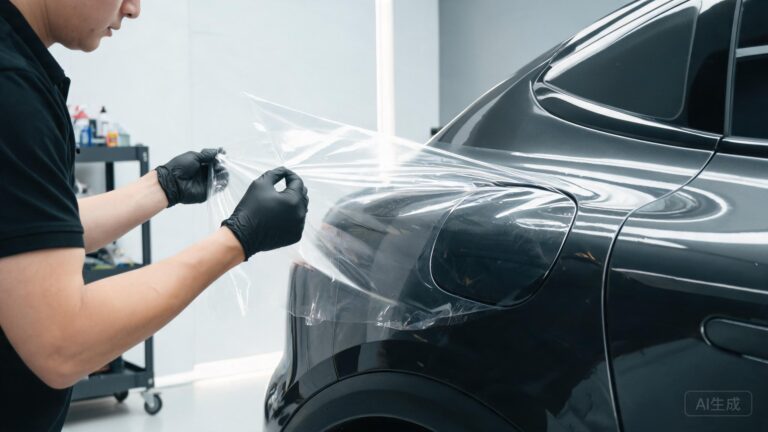
Think of a PPF system like a high-performance jacket. The base film is the fabric that absorbs impact and flexes around the car. The topcoat is the outer shell that affects gloss, stain release and scratch recovery. The adhesive is the lining that lets an installer position the film and helps it remain secure. PCU describes the base-material direction, but the finished jacket only works when every layer works together.
Why buyers are searching for PCU
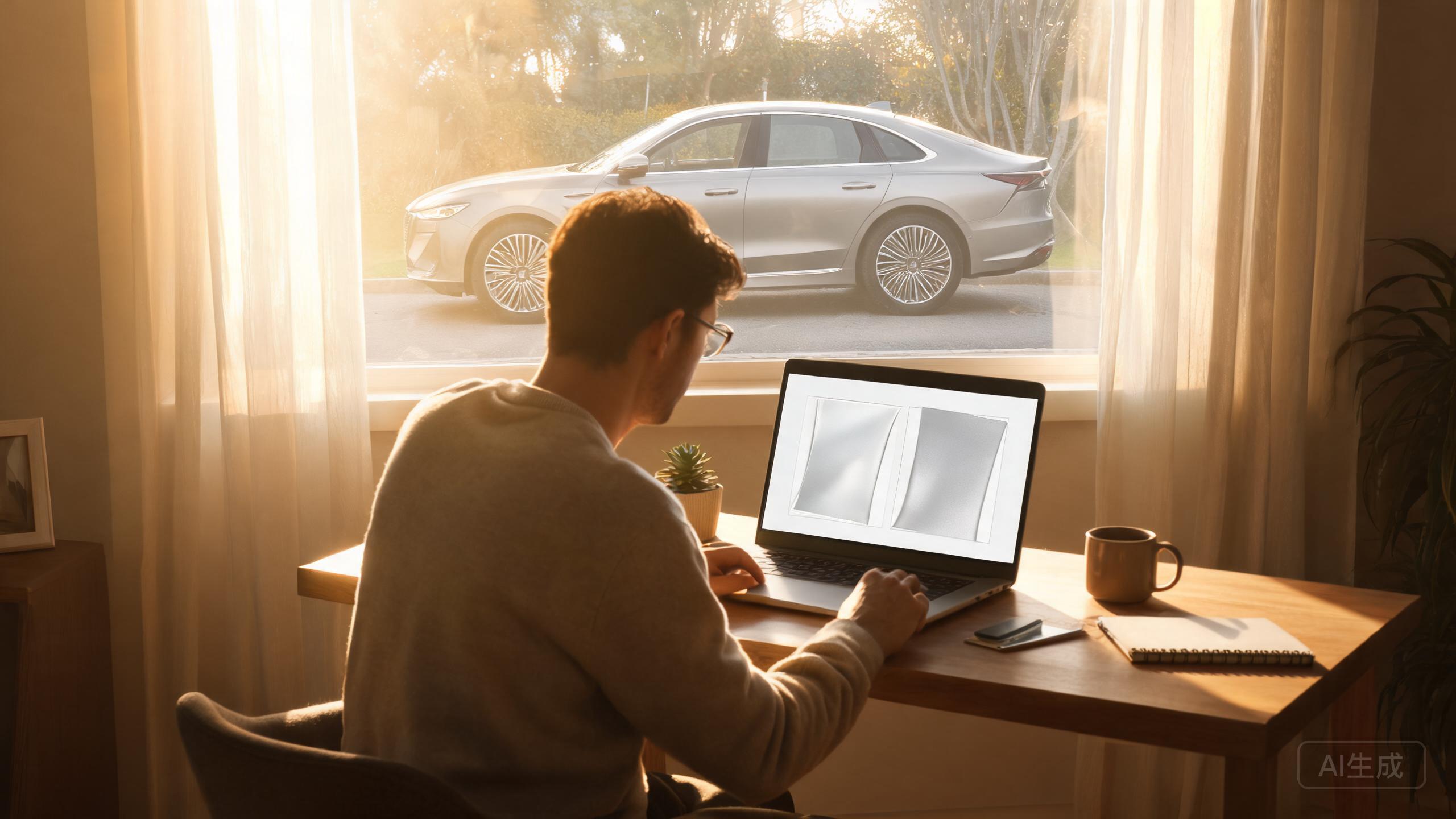
Distributors and installers want a clearer way to compare premium PPF options beyond thickness and sales language. SHIELD SPIRIT has supplied PCU PPF orders to developed markets in Europe and North America and is also seeing growing interest from buyers in Belt and Road markets. That interest is practical: demanding climates, high-value vehicles and longer ownership cycles make documented material selection more important.
PCU versus conventional TPU: ask better questions
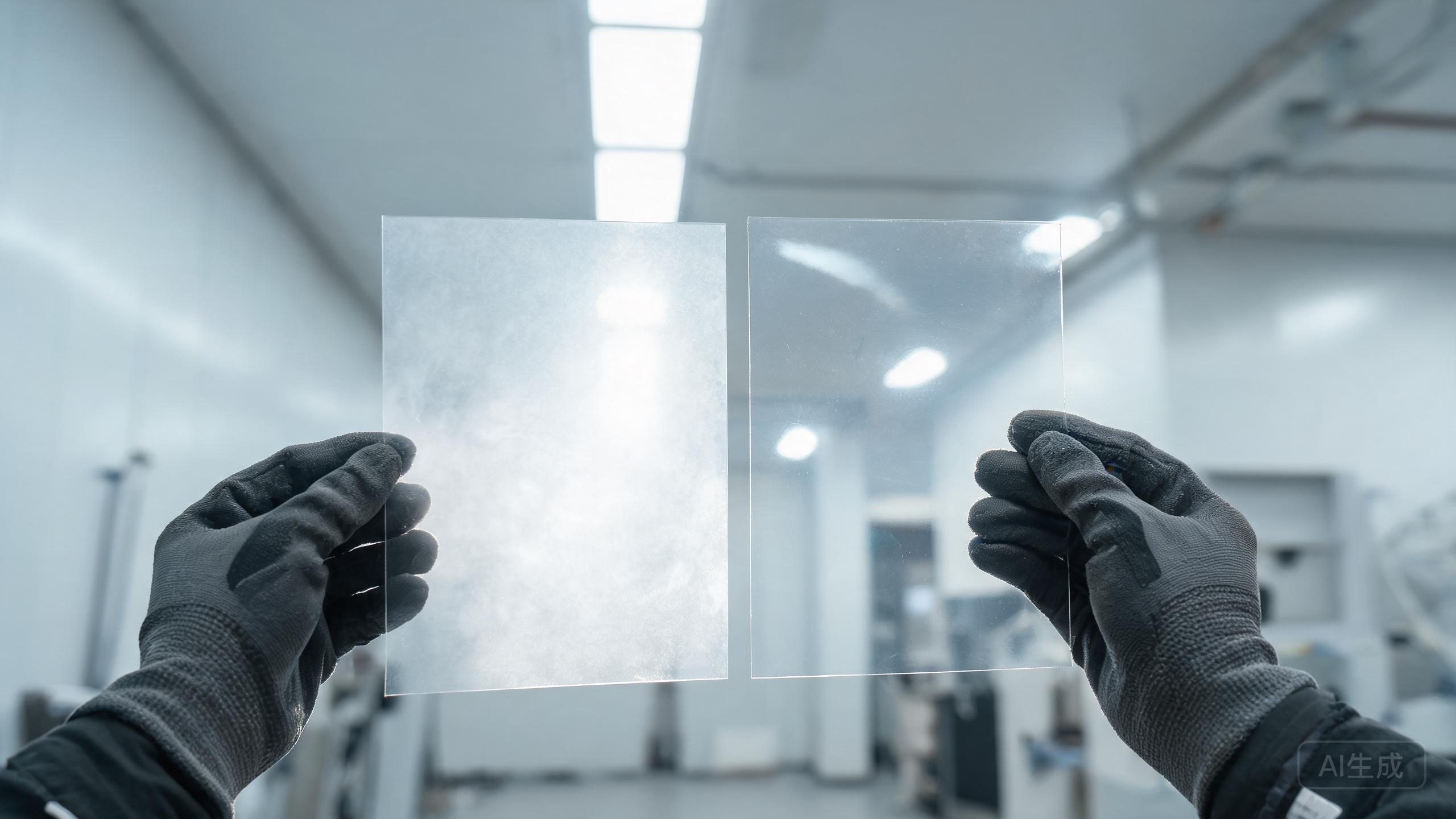
| Question | Why it matters |
|---|---|
| What is the complete construction? | Base film, coating, adhesive, stabilizers and thickness all affect real use. |
| What weathering evidence is available? | Ask for product-specific test method, conditions and acceptance criteria. |
| What is the removal guidance? | Paint condition, age, temperature and installer technique matter. |
| What warranty is actually published? | Compare terms, exclusions and local service support, not only years stated. |
Where PCU fits
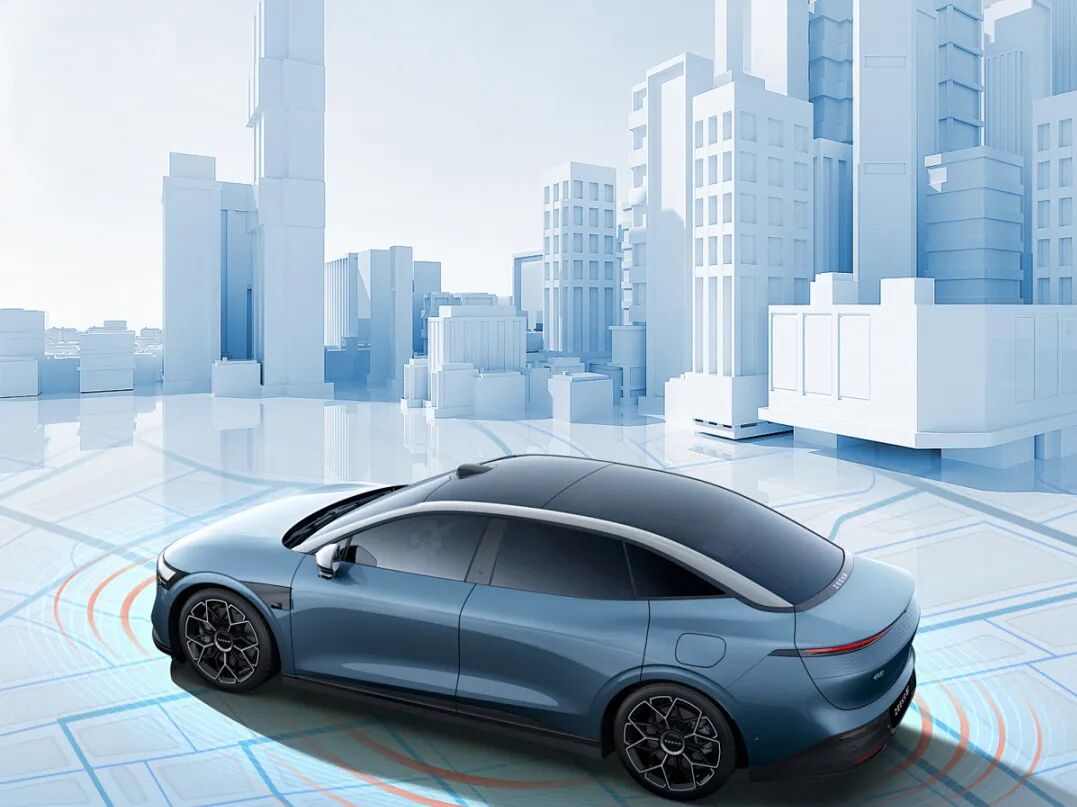
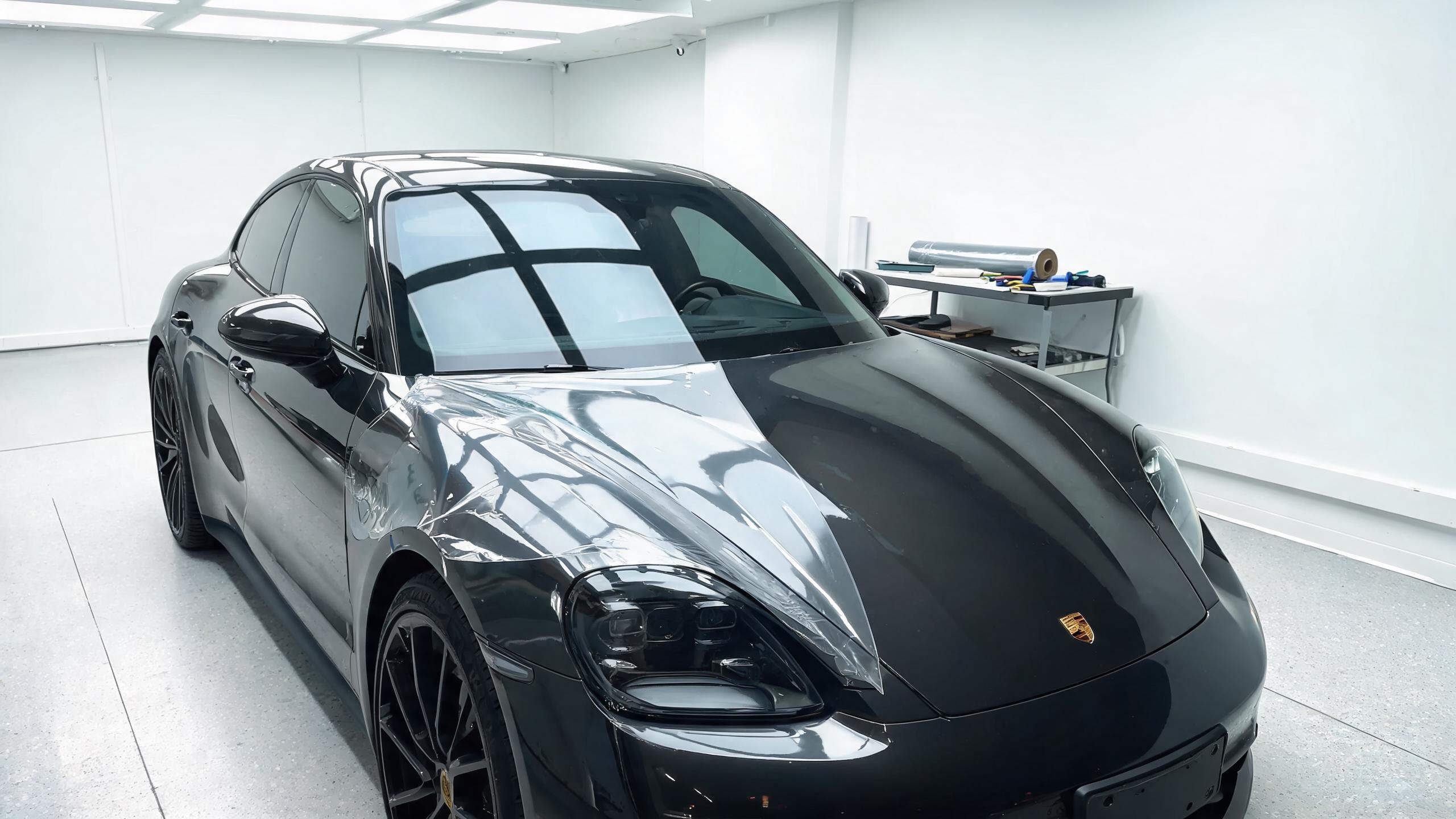
PCU may be relevant when a buyer wants a premium, documented PPF system for higher exposure or higher-value vehicles. In dry-hot markets such as parts of the Middle East, long heat and UV exposure make product-level weathering data, topcoat care and warranty terms especially important. It is inaccurate to say that every conventional TPU system fails in heat; well-designed aliphatic TPU systems can also be suitable. The point is to match a verified product to the climate rather than rely on a generic resin label.
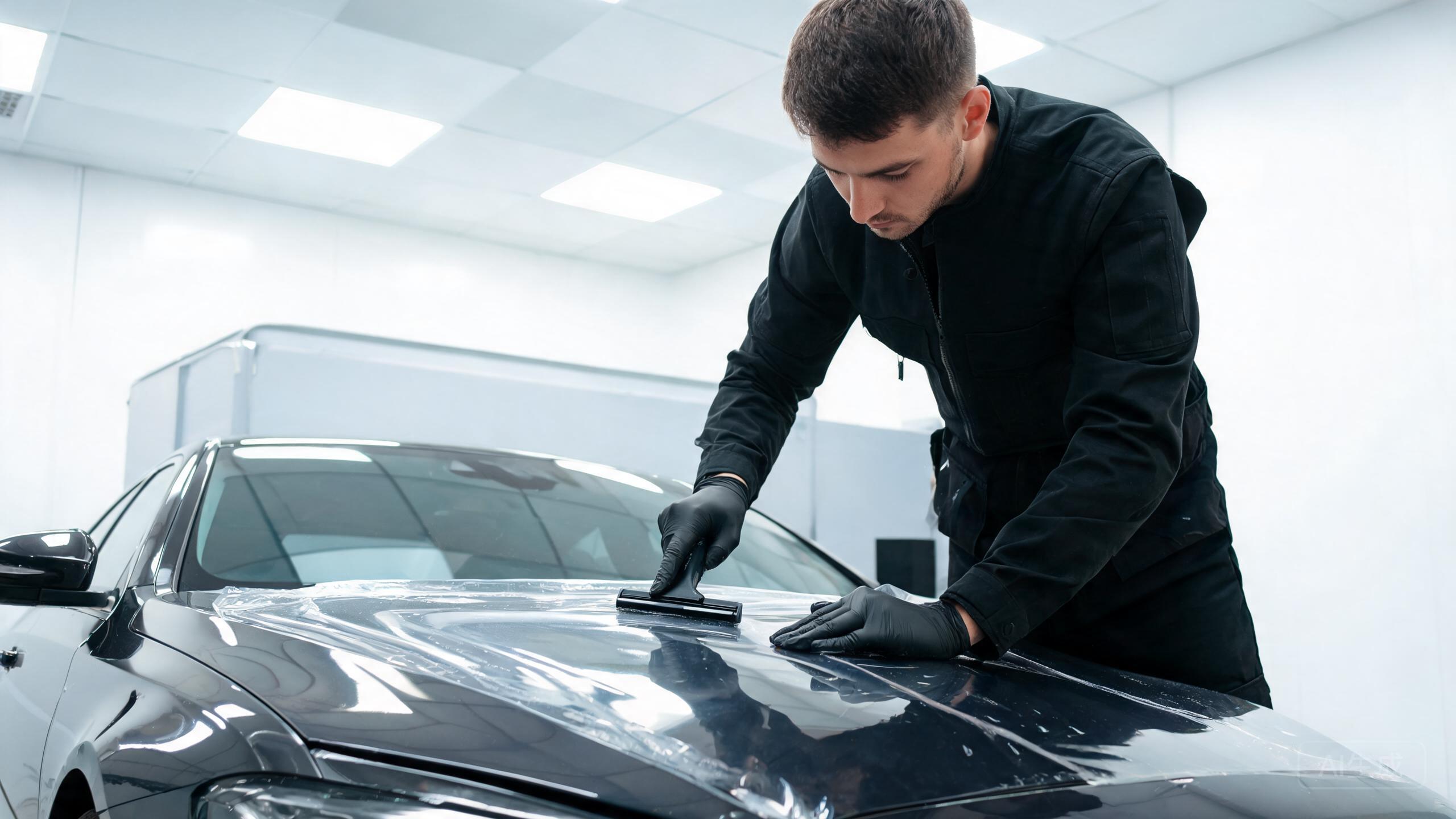
How SHIELD SPIRIT approaches PCU PPF
SHIELD SPIRIT, known in China as 御车甲, focuses on PCU PPF and works with Suzhou Shuangxiong Intelligent Manufacturing on material development and manufacturing. The PCU PCT series includes PCT-75, PCT-85, PCT-95 and PCT-120, with published 10-year warranty positioning and model-specific five-year yellowing limits. Buyers should review the applicable technical documents and warranty for the exact product and destination market.
FAQ
Is PCU always better than TPU?
No. PCU and TPU are material-platform terms. A fair comparison requires the full construction, documented testing, installation guidance and the buyer’s climate.
Is PCU PPF only for luxury cars?
No. Vehicle value, exposure, ownership plans and expected protection level should determine the selection. Premium vehicles often make the decision easier because repainting and resale concerns can be higher.
Explore the SHIELD SPIRIT PCU PPF range, learn how a PPF base film affects performance, or compare our premium TPU PPF.