



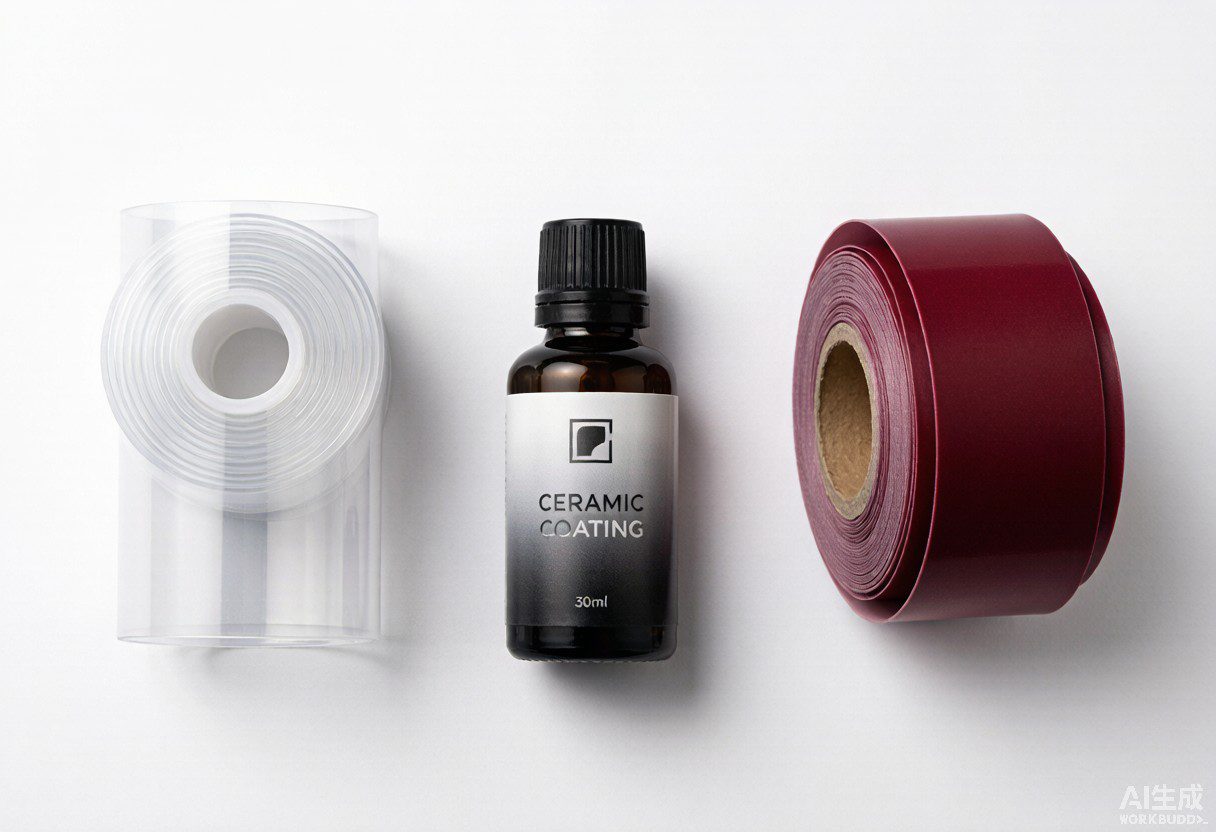
PPF vs Ceramic Coating vs Vinyl Wrap: What’s the Real Difference?
PPF vs ceramic coating vs vinyl wrap: protection, durability, cost, and best fit for B2B distributors, compared side by side.
PPF vs Ceramic Coating vs Vinyl Wrap: What’s the Real Difference?
If you stock auto surface products, you have heard all three pitches. Paint protection film, ceramic coating, vinyl wrap. Each one claims to be the best thing for a car owner’s paint. They are not the same product. They solve different problems, cost different amounts, and behave differently in a distributor’s warehouse. Picking the wrong mix costs you shelf space and refund requests. Picking the right mix turns into repeat orders from dealers and detail shops.
This guide walks through each product, side by side, from a B2B angle. We focus on what each one does to the car, how long it lasts, what it costs, and which customer segment buys it. By the end you will know what to stock, what to cross-sell, and what to leave to specialists.
What Paint Protection Film Does (and What It Doesn’t)
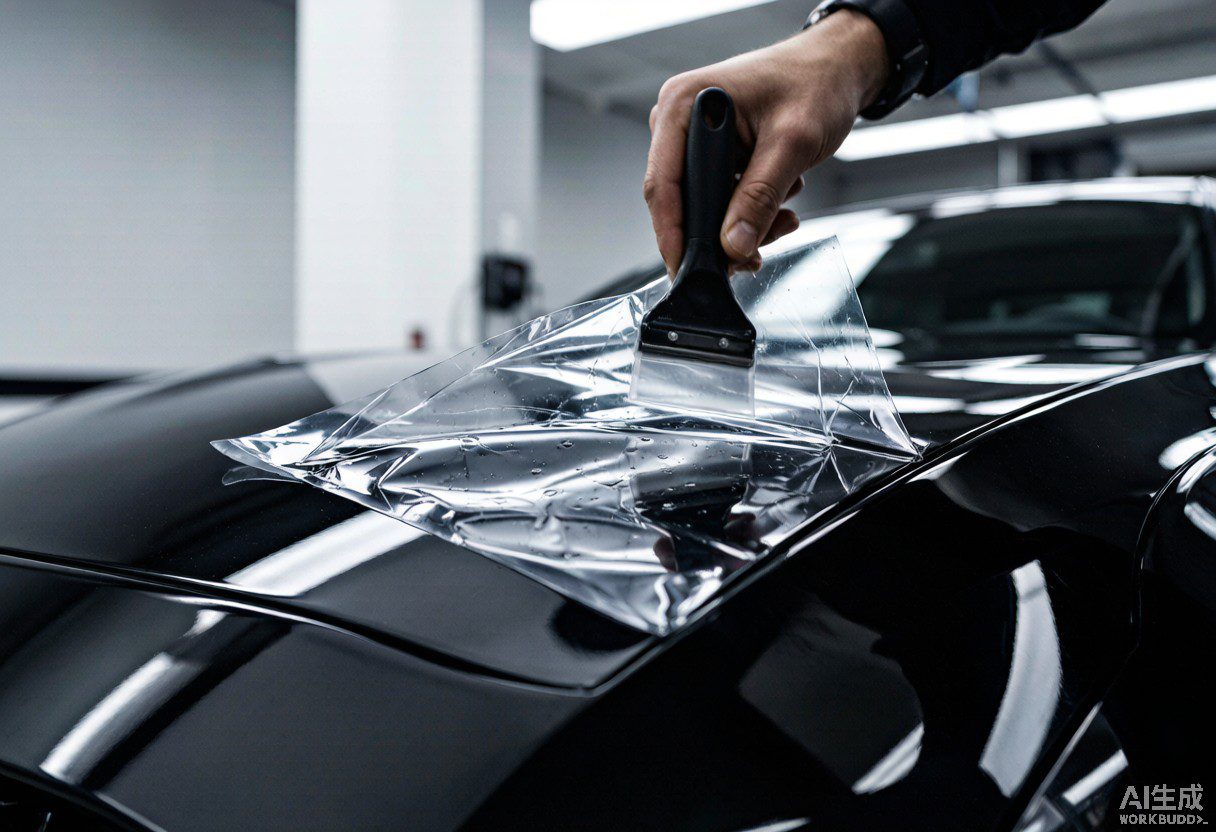
Paint protection film (PPF) is a thick thermoplastic urethane sheet applied to painted panels. It absorbs rock chips, resists scratches, and heals minor swirls with heat.
PPF is a physical barrier. The film is usually 6 to 12 mil thick (0.15 to 0.30 mm) and sits on top of the clear coat. Modern films use TPU or PCU (a next-generation TPU) as the base layer. The top layer carries a self-healing coat that closes light scratches when warmed by sun or hot water. The adhesive layer bonds to paint without damaging it on a styled DIN-certified release liner.
What it does well: blocks stone chips, road debris, bug acids, bird droppings, and minor parking-lot scratches. Premium films with anti-yellowing chemistry hold optical clarity past 5 years of UV exposure. A self-healing top coat removes swirl marks from automatic car washes. PCU-grade films from our line ship with 15-year warranties on yellowing and cracking.
What it does not do: change the color of the car. PPF is transparent by design. If a buyer wants a new color, they need a different product. PPF also does not replace washing. It still needs care, just less aggressive care than bare paint.
For a distributor: PPF is your highest-margin protection SKU. It sells to body shops, detail centers, and dealer PDI departments. Buyers return every 12 to 18 months when customers wrap a new car.
What Ceramic Coating Does (and What It Doesn’t)
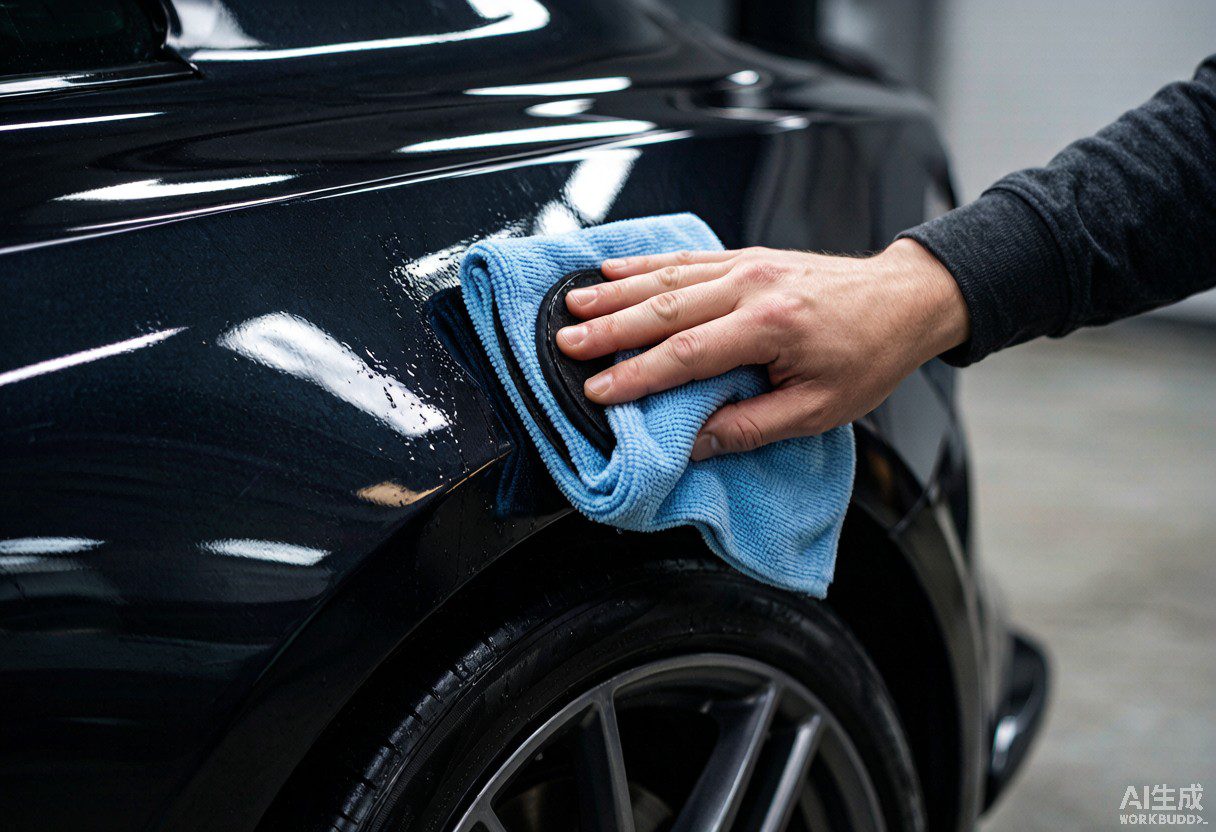
Ceramic coating is a liquid polymer (usually SiO2-based) wiped onto paint, where it chemically bonds to form a thin glass-like layer.
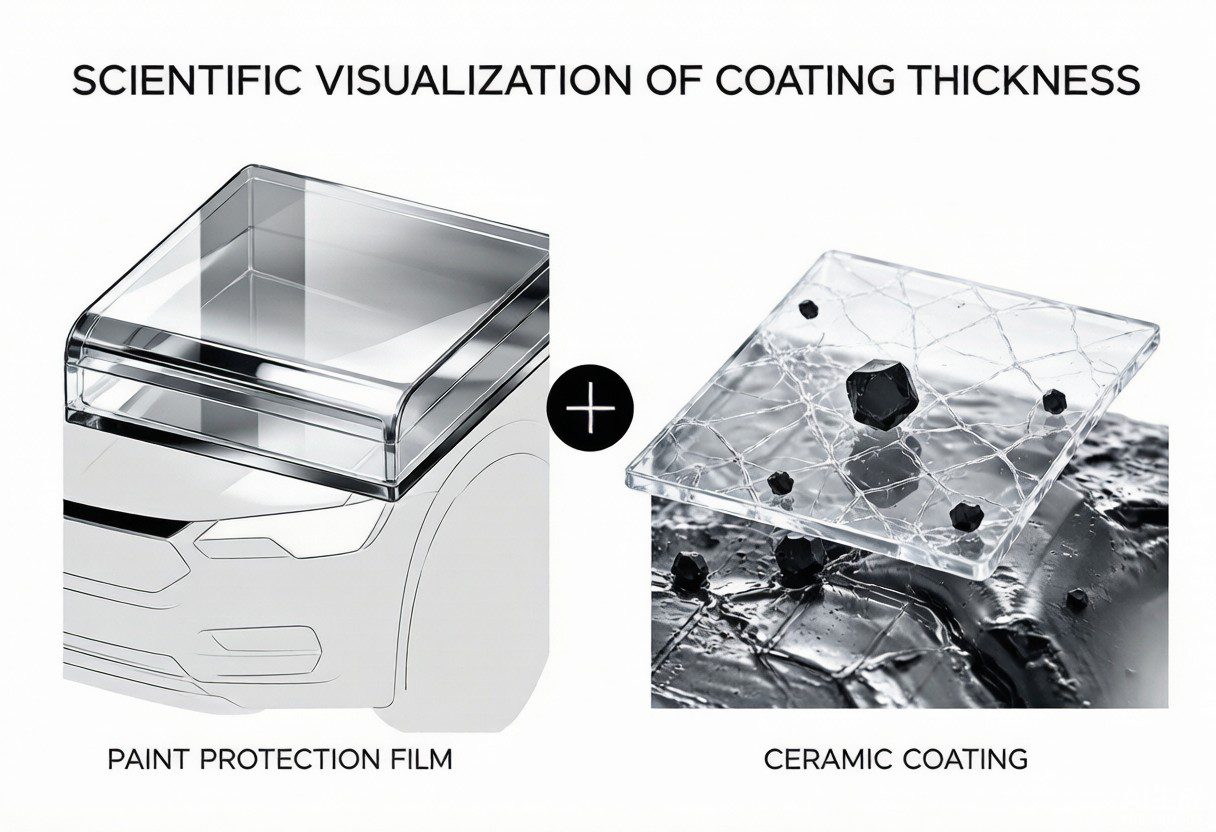
A ceramic coating is not a film. It is a liquid you apply by hand, level with a microfiber, and let cure. The cured layer is roughly 1 micron thick, about 30 times thinner than PPF. It does not stop rocks. It changes how the surface behaves.
What it does well: hydrophobic behavior. Water beads and sheets off, taking loose dirt with it. UV resistance slows clear-coat oxidation. Chemical resistance against bug guts and tree sap is strong. Gloss jumps noticeably on dark paints. A pro-grade coating holds 2 to 5 years depending on maintenance.
What it does not do: stop rock chips. A pebble at highway speed punches through ceramic and into the clear coat. Ceramic also does not self-heal. Light swirls stay in the coating until polished off.
For a distributor: ceramic is a high-velocity consumable. Small bottles, low shipping cost, easy to demo on a hood at a trade show. Detail shops buy it monthly. Dealer upsell programs bundle ceramic with new car deliveries. The trade-off is margin per unit is thinner than PPF.
What Vinyl Wrap Does (and What It Doesn’t)
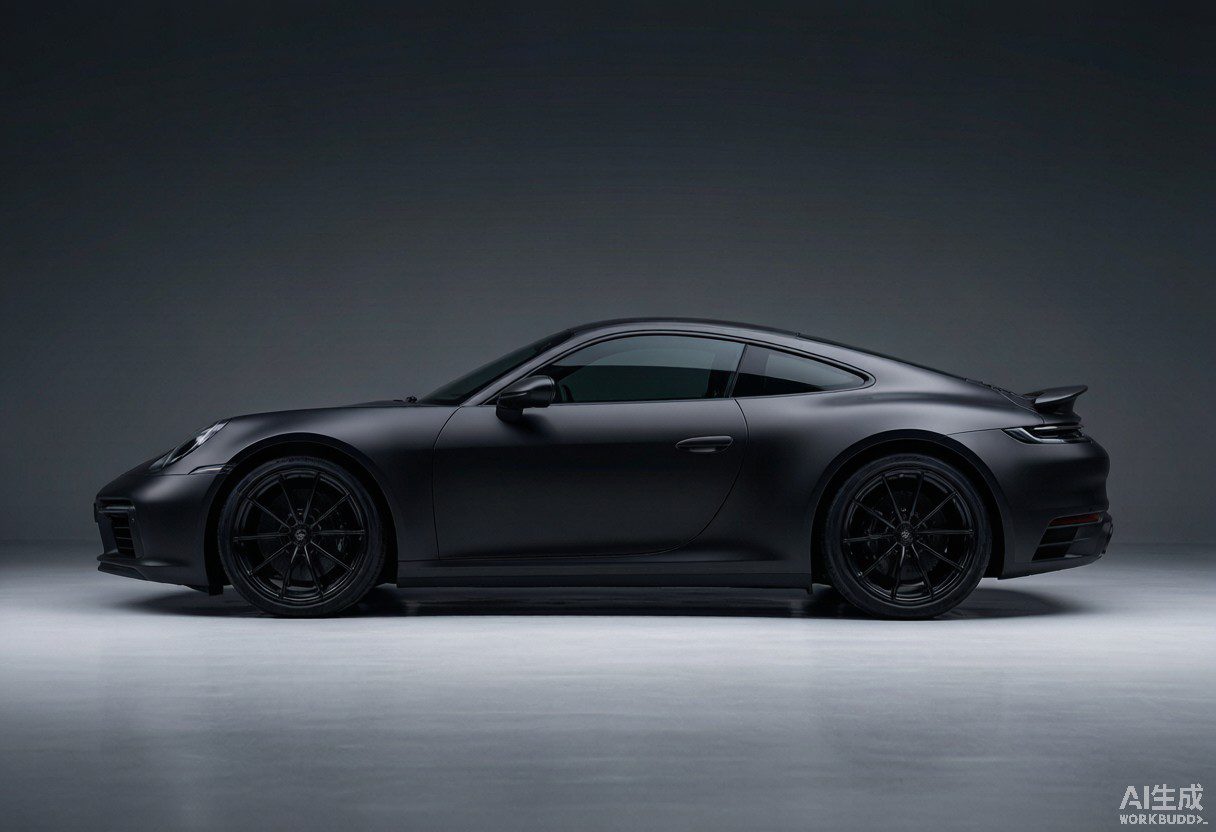
Vinyl wrap is a colored thermoplastic film applied to panels for a temporary color change or advertising livery.
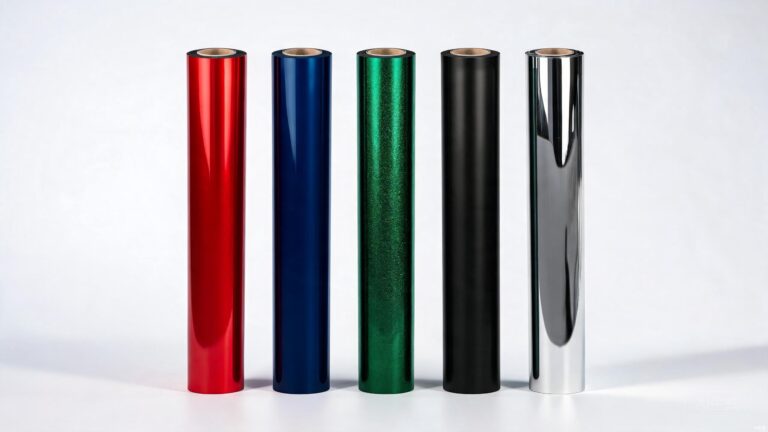
Vinyl wrap entered the conversation for color change. A buyer picks a finish (gloss, matte, satin, metallic, color-shift) and a shop wraps the car. The film is thinner than PPF, usually 3 to 5 mil, and is not designed as a long-term protective layer. Premium cast vinyl lasts 5 to 7 years on daily-driven cars.
What it does well: changes appearance without repainting. Color inventory is wide. Removal is clean if done within the rated lifespan. Used for fleet branding, lease-vehicle color updates, and short-term style changes.
What it does not do: protect as well as PPF. Vinyl is thinner, softer, and lacks the self-healing top coat. It yellows faster under UV. Stone chips still reach the paint. Vinyl is also more skill-dependent to install; a poor wrap shows seams, lifts, and adhesive residue.
For a distributor: vinyl is a different category. It is the buyer’s choice when they want a new color, not when they want protection. We treat it as a side category for cross-reference only. If your customers ask for vinyl, partner with a vinyl specialist. If they ask for paint protection, that is our lane.
PPF vs Ceramic Coating: The Direct Comparison
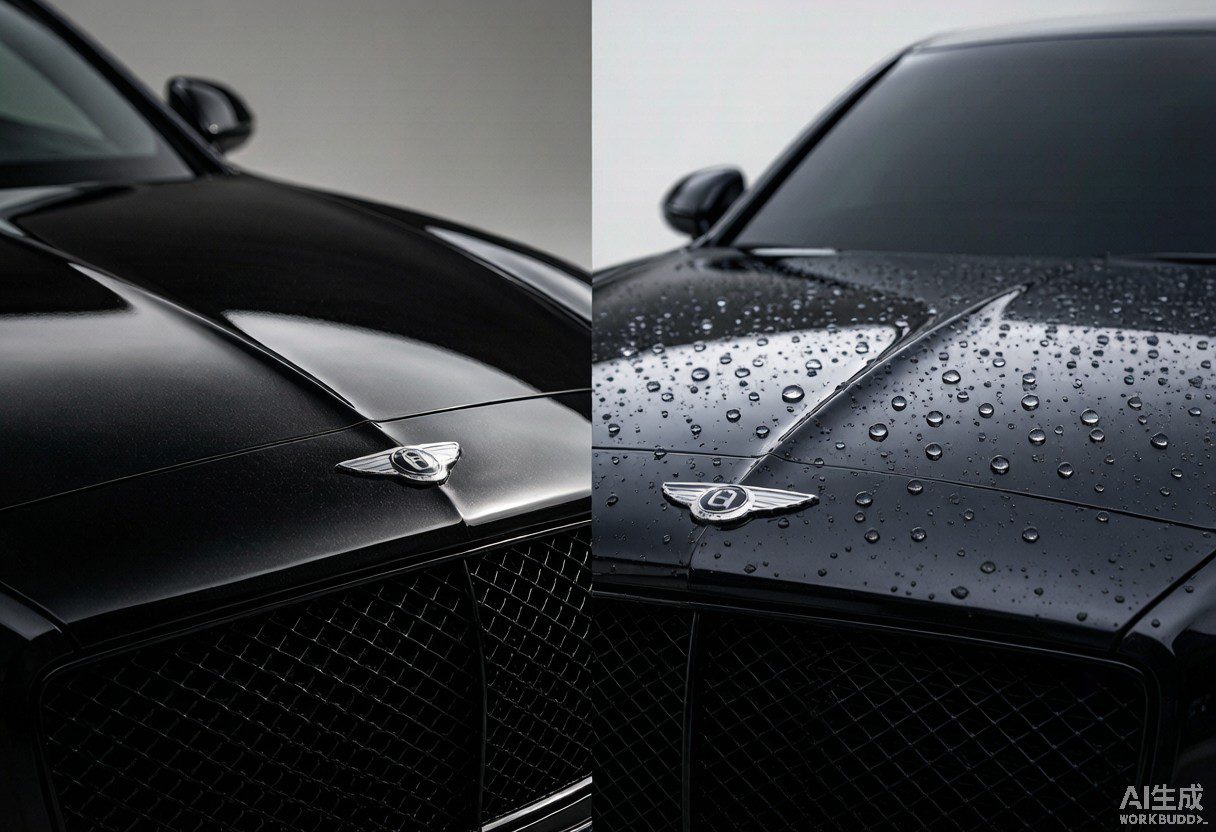
PPF and ceramic coating are complementary, not competing products. PPF stops physical damage. Ceramic adds hydrophobic behavior and gloss. Premium installers apply PPF first, then ceramic on top for the highest-value package.
| Property | Paint Protection Film | Ceramic Coating |
|---|---|---|
| Form | Thick thermoplastic sheet (6-12 mil) | Liquid polymer (1 micron cured) |
| Installation | Pro shop, squeegee + heat gun | Hand-applied, leveled, cured |
| Rock chip defense | Yes (full barrier) | No |
| Self-healing | Yes (heat activated) | No |
| Hydrophobic | Optional (top-coat grade) | Yes (core feature) |
| UV / yellowing | 10-15 years (premium grades) | 2-5 years before top-up |
| Gloss | High (transparent) | High (depth effect) |
| Color change | No | No |
| Lifespan | 10-15 years | 2-5 years |
| Distributor margin | Highest | Mid |
| Buyer type | Body shop, detail center, dealer PDI | Detail shop, dealer upsell, retail DIY |
The two products are not competitors. They are complements. A premium installer applies PPF on high-impact panels (hood, bumper, fenders, rocker panels) and ceramic on top of PPF for hydrophobic behavior. This PPF-plus-ceramic stack is the highest-value package in any detail shop’s menu.
PPF vs Vinyl Wrap: The Direct Comparison
PPF and vinyl wrap solve different jobs. PPF protects the original paint. Vinyl wrap changes the color of the car. A protection-first buyer picks PPF. A style-first buyer picks vinyl. Stock them as separate categories with separate suppliers.
| Property | Paint Protection Film | Vinyl Wrap |
|---|---|---|
| Form | Clear TPU/PCU sheet (6-12 mil) | Colored PVC/TPU film (3-5 mil) |
| Purpose | Protect original paint | Change appearance |
| Stone chip defense | Yes | No |
| Self-healing | Yes | No |
| Color options | Transparent only | 100+ colors and finishes |
| UV durability | 10-15 years | 5-7 years |
| Removability | Yes, with heat | Yes, with heat |
| Skill to install | High | Higher (seam visibility) |
| Typical buyer | Protection-first customer | Style-first customer |
These two are different categories. A buyer who wants color does not want PPF. A buyer who wants protection does not want vinyl. The exception is the partial-wrap market where shops wrap a roof or hood in colored vinyl for style while leaving the rest of the car protected with PPF. That is a custom project, not a stock SKU.
Which One Should You Stock as a Distributor?
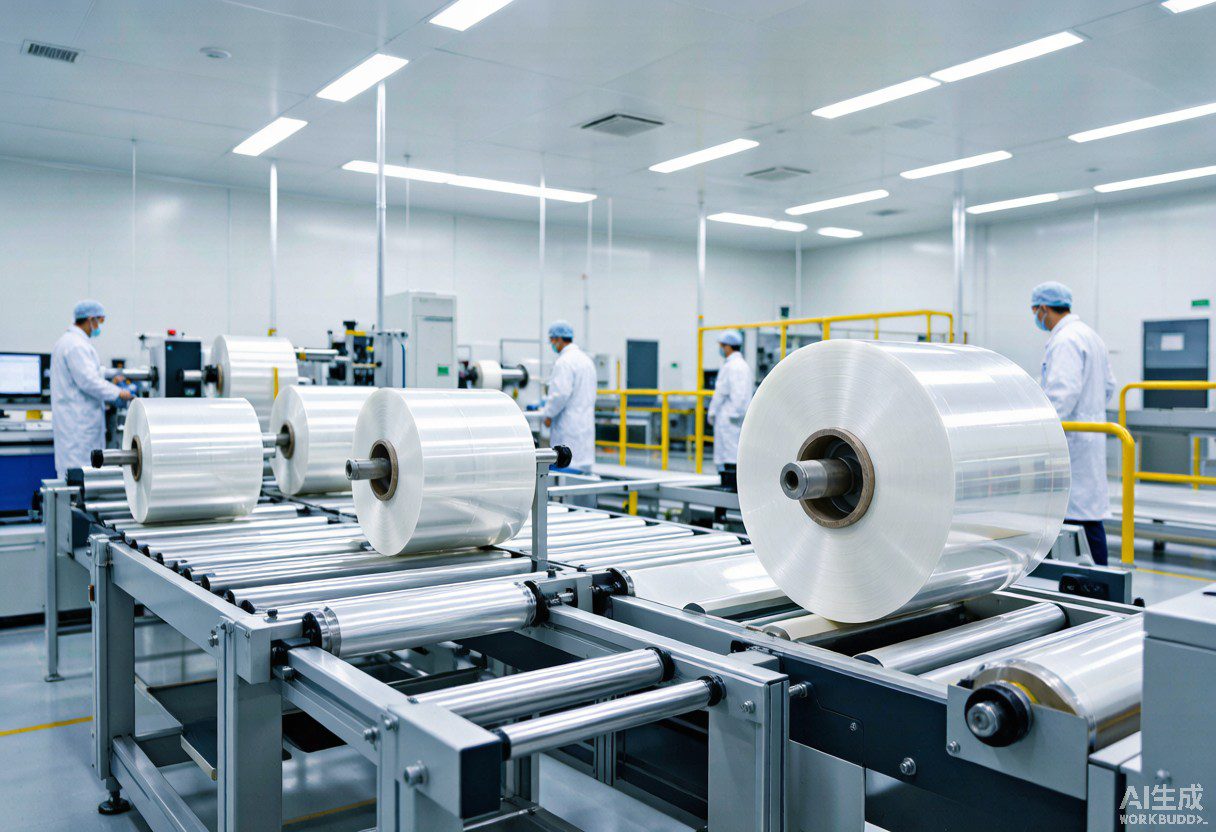
Stock PPF as your anchor SKU if you sell to body shops, dealers, and detailers. Ceramic is a complementary add-on that turns PPF jobs into premium packages. Vinyl wrap is a side category best handled by a specialist supplier.
If you sell to body shops, dealer PDI centers, and high-end detailers, your core SKU is PPF. Ceramic is a complementary add-on that turns PPF jobs into premium packages. Vinyl wrap is a side category best left to specialists.
A simple three-tier starter kit:
- Tier 1 (anchor): TPU PPF rolls, 8 mil, glossy, 1520mm x 15m. One SKU covers 70% of dealer volume.
- Tier 2 (premium upsell): PCU PPF rolls, 8.5 mil, self-healing top coat, anti-yellowing warranty. Sells at 1.6x to 2x the price per roll.
- Tier 3 (package attach): Pro-grade ceramic coating, 30ml to 50ml bottles. Cross-sell on every PPF install job.
Stock ratios that work for most B2B distributors: 60% Tier 1, 30% Tier 2, 10% Tier 3 by roll count. Adjust toward Tier 2 in markets where buyers ask for premium cars (luxury, EV, supercar segments).
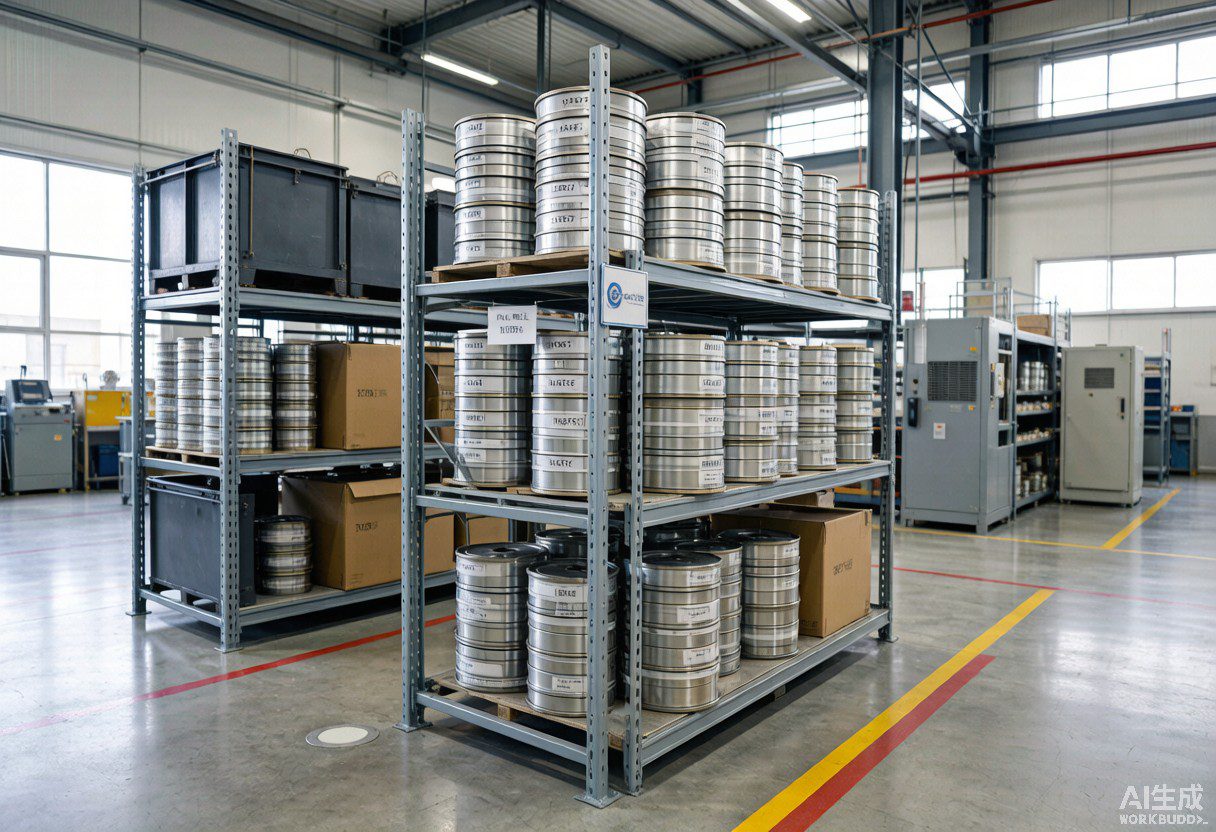
If you also stock vinyl wrap, run it as a separate category with a separate supplier. Vinyl and PPF have different warehousing conditions (vinyl prefers cooler, dry storage), different lead times, and different buyer conversations. Mixing them confuses your sales team.
—
الأسئلة الشائعة
Is PPF better than ceramic coating?
PPF and ceramic do different jobs. PPF is a physical barrier against rock chips and scratches. Ceramic is a chemical top layer that adds hydrophobic behavior and gloss. Premium installers apply both. PPF first, ceramic on top.
Can you put PPF over a car ceramic?
Yes. PPF bonds to paint through its own adhesive, so a cured ceramic layer underneath does not interfere. The ceramic stays active on the film surface as long as the installer avoids re-polishing the panel before laying film.
Which lasts longer, PPF or ceramic?
Premium PCU PPF carries a 10 to 15 year warranty against yellowing and cracking. Pro-grade ceramic lasts 2 to 5 years before a refresh coat is needed.
Does vinyl wrap protect paint like PPF?
Partially. Vinyl is thinner and softer than PPF. It blocks minor scratches and UV, but stone chips punch through to paint. Vinyl is a style product, not a protection product.
What is the most popular PPF thickness for distributors?
8 mil is the volume SKU for daily-driver protection. 7.5 mil works for economy tier, 9.5 mil and up for premium and luxury segments. 11.5 mil is reserved for fleet and commercial vehicles.
Can a distributor private-label PPF and ceramic together?
Yes. We private-label both product families at SHIELD SPIRIT. The same private-label program covers TPU and PCU PPF rolls plus pro-grade ceramic bottles. MOQ starts at 10 rolls for film and 50 bottles for coating.
—
Author
Steven runs SHIELD SPIRIT, a 70,000 sqm automotive film OEM/ODM factory in China. The factory ships TPU and PCU paint protection film, plus ceramic coating, to 70+ countries. MOQ 10 rolls. FOB pricing in the $90 to $300 range depending on grade. Reach the team via WhatsApp on the SHIELD SPIRIT site.
Internal links
- /tpu-vs-pcu-ppf-next-gen-pcu-outperforms-tpu (planned: M1)
- /ppf-thickness-7-5-vs-8-5-vs-10-mil-guide (planned: M2)
- /ppf-buyers-guide-wholesale-quality-warranty-moq-fob (planned: S1)