









دليل اختيار فئات PPF لمشتري العلامات التجارية الخاصة
Here is the most expensive mistake a private label PPF buyer can make: ordering the wrong film for your market. Not because the film is bad. Because the film is wrong for your customers. You order premium PCU for a price-sensitive market, and your containers sit in the warehouse. You order economy TPU for a luxury market, and your installers refuse to touch it. Either way, you lose money. I have seen this happen more times than I can count. The buyer was not stupid. They just did not know what to look for.
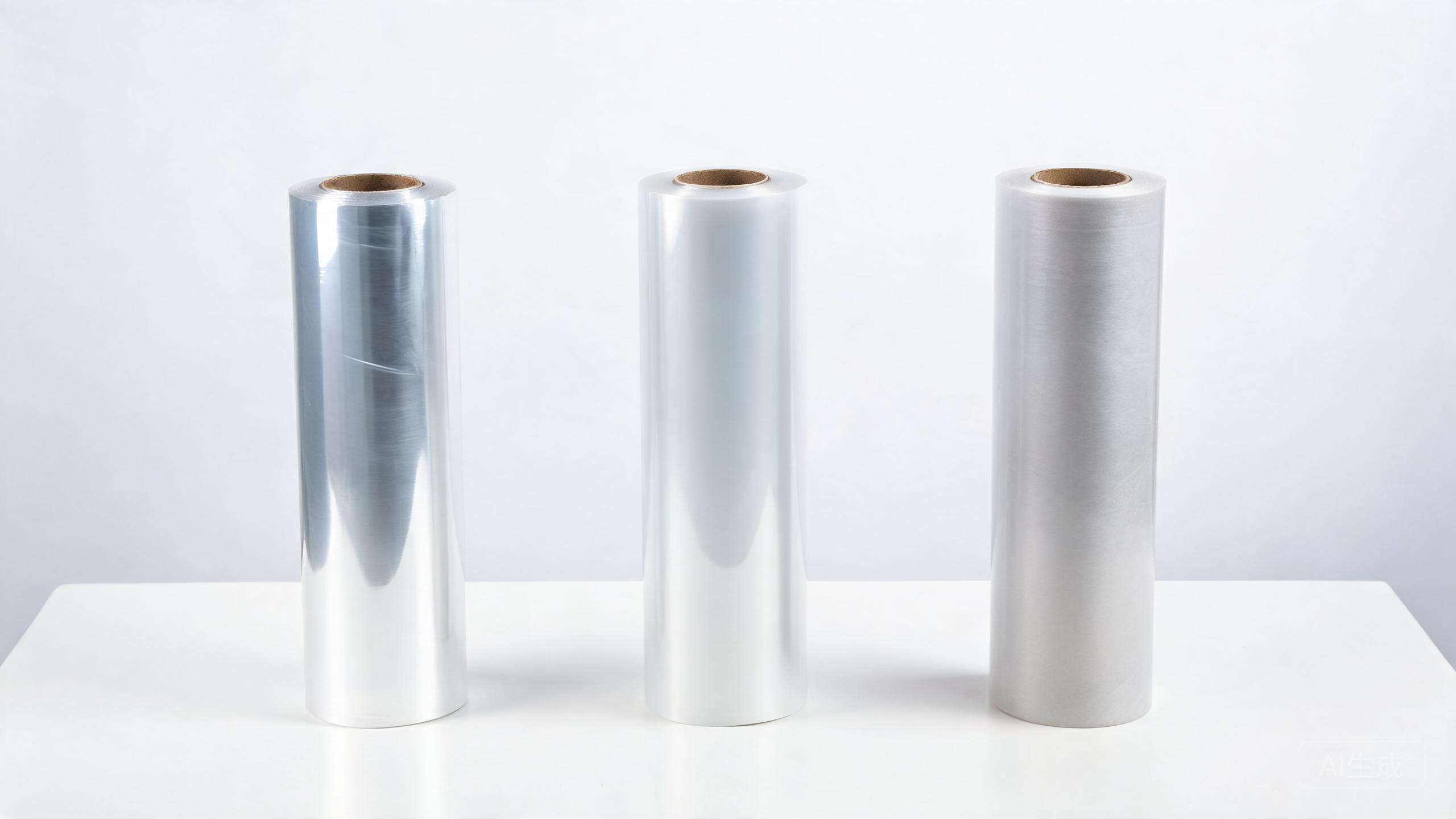
We are a factory. We manufacture all three tiers of PPF under one roof: PCU hydrophobic, TPU hydrophobic, and TPU hydrophilic. We do not have a favorite. We make more margin on the premium stuff, sure. But we would rather see you succeed with the right film than fail with the wrong one. A failed private label buyer does not reorder. A successful one does. It is that simple.
This article is not a sales pitch. It is a selection framework. By the end, you will know exactly which tier fits your market, what specs matter, what specs are marketing fluff, and how to avoid the three most common sourcing traps.
The Three-Tier Product Architecture: Why It Exists
Before we break down each tier, understand this: the three-tier structure is not a marketing invention. It is physics. The raw material, the coating chemistry, and the manufacturing process dictate the performance ceiling. You cannot cheat physics. You can only choose where to position yourself on the curve.
Here is the logic:

- Tier 1 — PCU Hydrophobic: Polycarbonate TPU substrate. Highest molecular density. Best hydrolysis resistance. Best optical clarity. Coating is hydrophobic (water beads, dirt rolls off). This is the performance ceiling of current PPF technology. $200–$300 per roll. For markets where customers inspect the car under fluorescent lights.
- Tier 2 — TPU Hydrophobic: Standard polycaprolactone TPU substrate. Excellent performance. Hydrophobic coating. The workhorse of the industry. $100–$200 per roll. For markets where customers want premium protection without the premium price tag.
- Tier 3 — TPU Hydrophilic: Standard TPU substrate. Hydrophilic coating (water spreads flat, no beading effect). Basic protection, reliable performance, no frills. $50–$100 per roll. For markets where price is the primary decision factor.
Each tier serves a different customer. Each tier has a different margin structure. Each tier requires a different go-to-market strategy. Your job as a private label buyer is to match the tier to the market. Let us go deep on each one.
Tier 1: PCU Hydrophobic — The Performance Ceiling
Product page: Next-Gen PCU Paint Protection Film
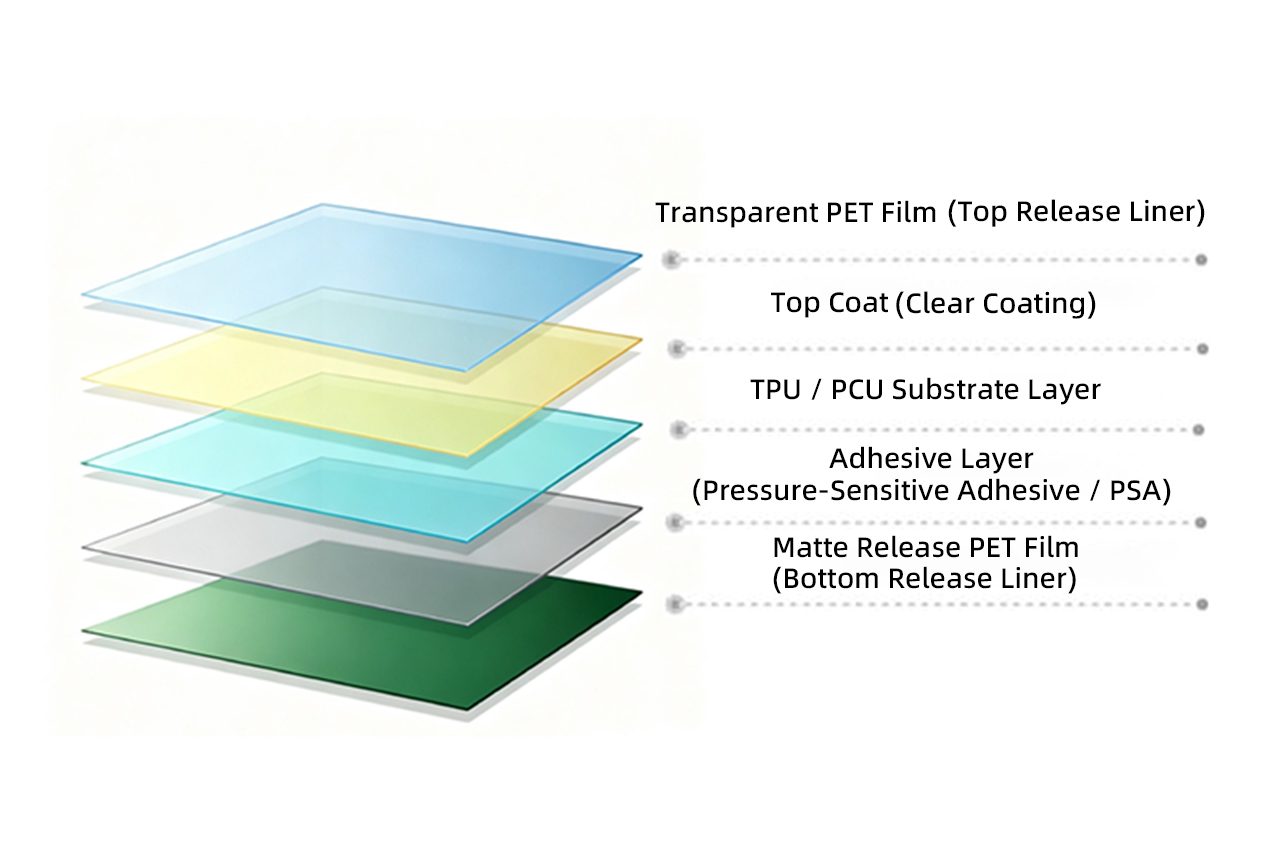
PCU stands for Polycarbonate TPU. Think of it as TPU on steroids. The polycarbonate molecular structure gives it roughly 3× the hydrolysis resistance of standard TPU. Hydrolysis is what makes PPF turn yellow and brittle over time — it is water molecules breaking down the polymer chains. PCU fights this better than anything else on the market.
Here is what the spec sheet actually means:
| Spec | PCT-75 | PCT-85 | PCT-95 | PCT-120 | What It Actually Means |
|---|---|---|---|---|---|
| Thickness | 7.5mil | 8.5mil | 9.5mil | 11.5mil | Thicker = more impact protection. 7.5mil is enough for daily driving. 11.5mil is for off-road or extreme climates. |
| Gloss Level | ≥116GU | ≥124GU | ≥129GU | ≥145GU | Factory paint is typically 85–95GU. This film makes the car look wetter than factory. |
| Elongation at Break | 479% | 491% | 515% | 559% | How far the film stretches before tearing. Above 400% means it conforms to complex curves without cutting. |
| Tensile Strength | 19.7MPa | 20.6MPa | 21.2MPa | 23.0MPa | Resistance to tearing during installation. Higher = more forgiving for installers. |
| Tear Strength | ≥114KN/m | ≥118KN/m | ≥119KN/m | ≥125KN/m | Resistance to stone impact. The number that matters most for highway driving. |
| Anti-fouling | ≥97% | ≥99% | ≥99% | ≥99% | Bug splatter, bird droppings, tree sap. How much washes off with just water. |
| Yellowing (5yr) | ≤8% | ≤6% | ≤5% | ≤3% | The yellower it gets, the more visible it is on white cars. Below 5% is invisible to the naked eye. |
| Warranty | 10 Years | A 10-year warranty is the industry gold standard. Make sure your supplier actually honors it. | |||
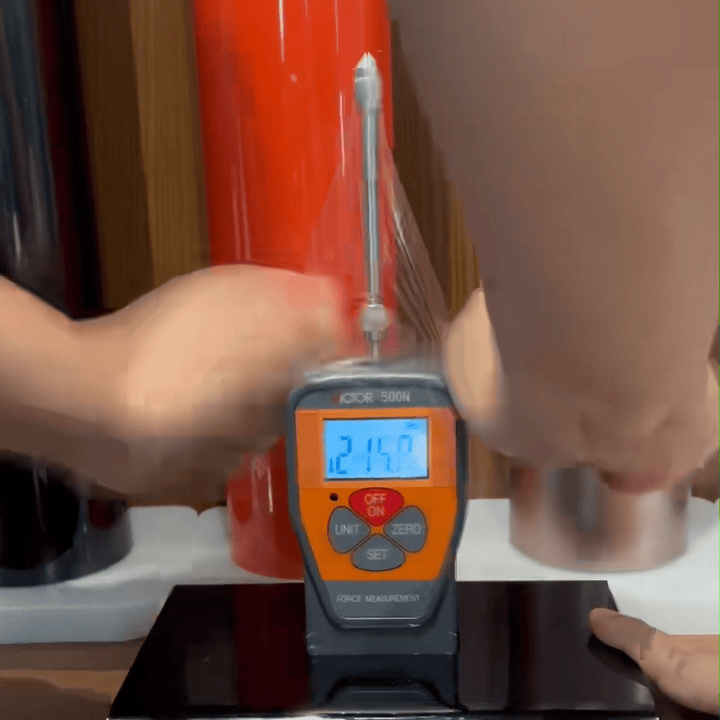
Who should buy PCU: If your target customers own vehicles worth $60,000+, if you sell to detailers who work on Porsches and Range Rovers, if your market includes the Middle East, North America, Western Europe, or Australia — PCU is your film. The margin per roll is higher, the installation is more forgiving (higher tensile and tear strength), and the customer satisfaction rate is near-perfect. The downside: inventory cost. You need deeper pockets to stock this tier.
What to watch for: Some factories claim PCU but use standard TPU with a different label. Ask for the hydrolysis resistance test report. Real PCU shows 3× the resistance of standard TPU. If they cannot provide the test data, they are not selling PCU.
Tier 2: TPU Hydrophobic — The Industry Workhorse
Product page: Premium TPU Paint Protection Film
This is the film that built the PPF industry. Cast-grade polycaprolactone TPU with a hydrophobic top coating. It is not as extreme as PCU, but it delivers 90% of the performance at roughly half the price. For most private label brands, this is the sweet spot.
| Spec | GS75 | GS85 | GS95 | What It Actually Means |
|---|---|---|---|---|
| Thickness | 7.5mil | 8.5mil | 9.5mil | Same thickness range as PCU. The difference is in the substrate, not the thickness. |
| Gloss Level | ≥106GU | ≥112GU | ≥109GU | Still above factory paint gloss. Noticeably glossy, but not the mirror-like finish of PCU. |
| Elongation at Break | 313% | 365% | 415% | Lower than PCU. Still perfectly adequate for standard body panels. Might need more heat on complex curves. |
| Tensile Strength | 19.7MPa | 21.7MPa | 23.7MPa | Comparable to PCU. Installation forgiveness is excellent. |
| Tear Strength | ≥95KN/m | ≥119KN/m | ≥121KN/m | GS85 and above match PCU tear resistance. GS75 is slightly lower — fine for highway driving, not for gravel roads. |
| Anti-fouling | ≥92% | ≥95% | ≥97% | Hydrophobic coating works. Not as extreme as PCU, but water still beads and dirt still slides off. |
| Yellowing (5yr) | ≤10% | 10% yellowing is visible on white cars after 5 years. On darker colors, it is imperceptible. | ||
| Warranty | 7yr | 8yr | 9yr | Strong warranty coverage. Close to the 10-year gold standard. |
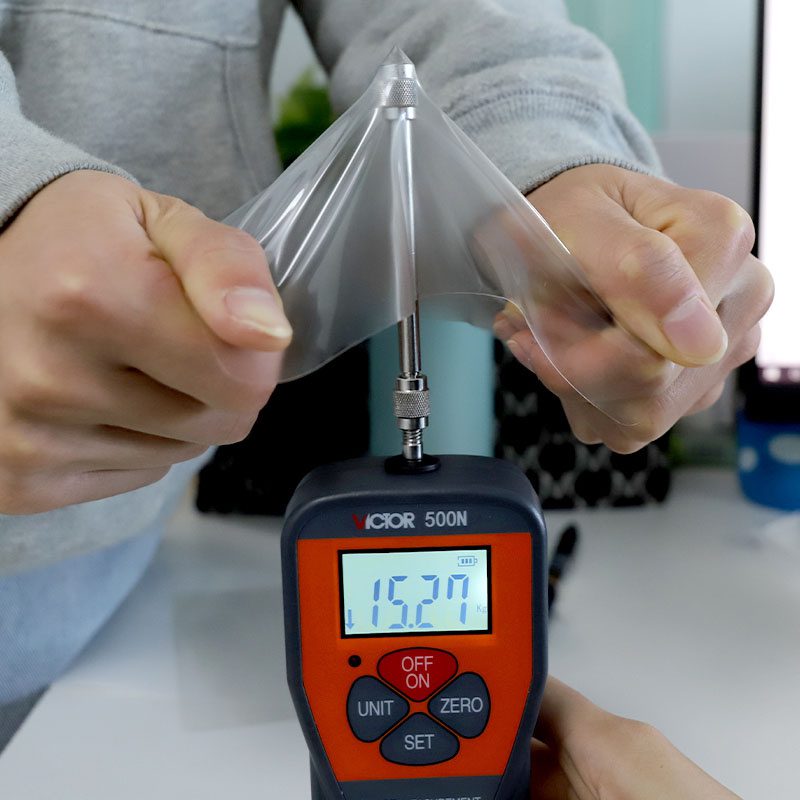
Who should buy Premium TPU: If your market includes mid-to-high-end vehicles (BMW 3 Series, Mercedes C-Class, Tesla Model 3 and above), if your customers want hydrophobic performance but are price-sensitive, if you are building a brand that competes on value rather than absolute premium positioning — this is your film. The margin is healthy, the inventory cost is manageable, and the product is proven across millions of installations worldwide.
What to watch for: The term "TPU" is abused in this industry. Some factories sell PVC with a TPU label. Some sell TPU that is actually aromatic TPU (cheaper, yellows faster) instead of aliphatic TPU (the good stuff). Ask for the raw material supplier name. If they cannot or will not tell you, walk away. At SHIELD SPIRIT, our TPU comes from Lubrizol and BASF — the same aerospace-grade suppliers used by the top global brands.
Tier 3: TPU Hydrophilic — The Volume Play
Product page: Standard TPU PPF — Economical Paint Protection Film
This is the most misunderstood tier in the industry. Hydrophilic means the coating absorbs water rather than repelling it. Water spreads flat on the surface. No beading effect. No self-cleaning. This sounds like a disadvantage — and in terms of coating performance, it is. But here is what most buyers miss: for a huge segment of the global market, the coating does not matter. What matters is that the car is protected from stone chips, scratches, and UV damage at the lowest possible price.
| Spec | MH-75 | MH-85 | MH-95 | What It Actually Means |
|---|---|---|---|---|
| Thickness | 7.5mil | 8.5mil | 9.5mil | Same base TPU thickness. Protection is physically there. The coating is the difference. |
| Gloss Level | ≥90GU | Factory paint level gloss. Does not enhance. Does not degrade. Looks like a well-maintained original finish. | ||
| Elongation at Break | ≥240% | ≥250% | ≥260% | Lower than hydrophobic tiers. Installers need more skill. The film is less forgiving on complex curves. |
| Scratch Repair | 93% | 95% | 97% | Self-healing is functional but not perfect. Deep scratches may remain visible. Heat helps. |
| Anti-fouling | ≥92% | ≥95% | ≥97% | Hydrophilic means stains may require more effort to clean. Not a dealbreaker, but set expectations. |
| Yellowing (3yr) | ≤10% | Note: 3-year rating, not 5-year. The film will yellow faster than hydrophobic tiers. Best on darker colors. | ||
| Warranty | 3yr | 4yr | 5yr | Shorter warranty. Acceptable for price-sensitive markets where the film is a 3–5 year purchase. |
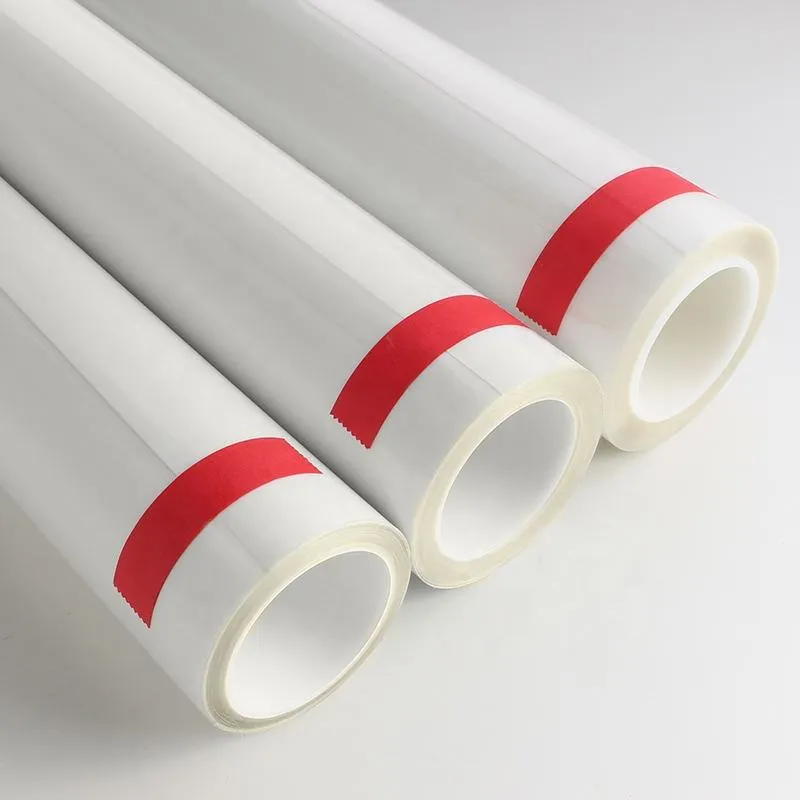
Who should buy Standard TPU: If your market is price-sensitive — Southeast Asia, South Asia, Africa, Latin America, Eastern Europe — this is your entry point. If your customers drive Toyota Corollas, Honda Civics, Hyundai Elantras, BYD Qin Plus, or similar vehicles, they do not need a $300 roll of PCU. They need basic protection at a price that makes sense relative to the vehicle value. The math is simple: you cannot sell a $1,500 PPF package on a $15,000 car. Standard TPU lets you offer a $400–600 package that protects the car and makes you a healthy margin.
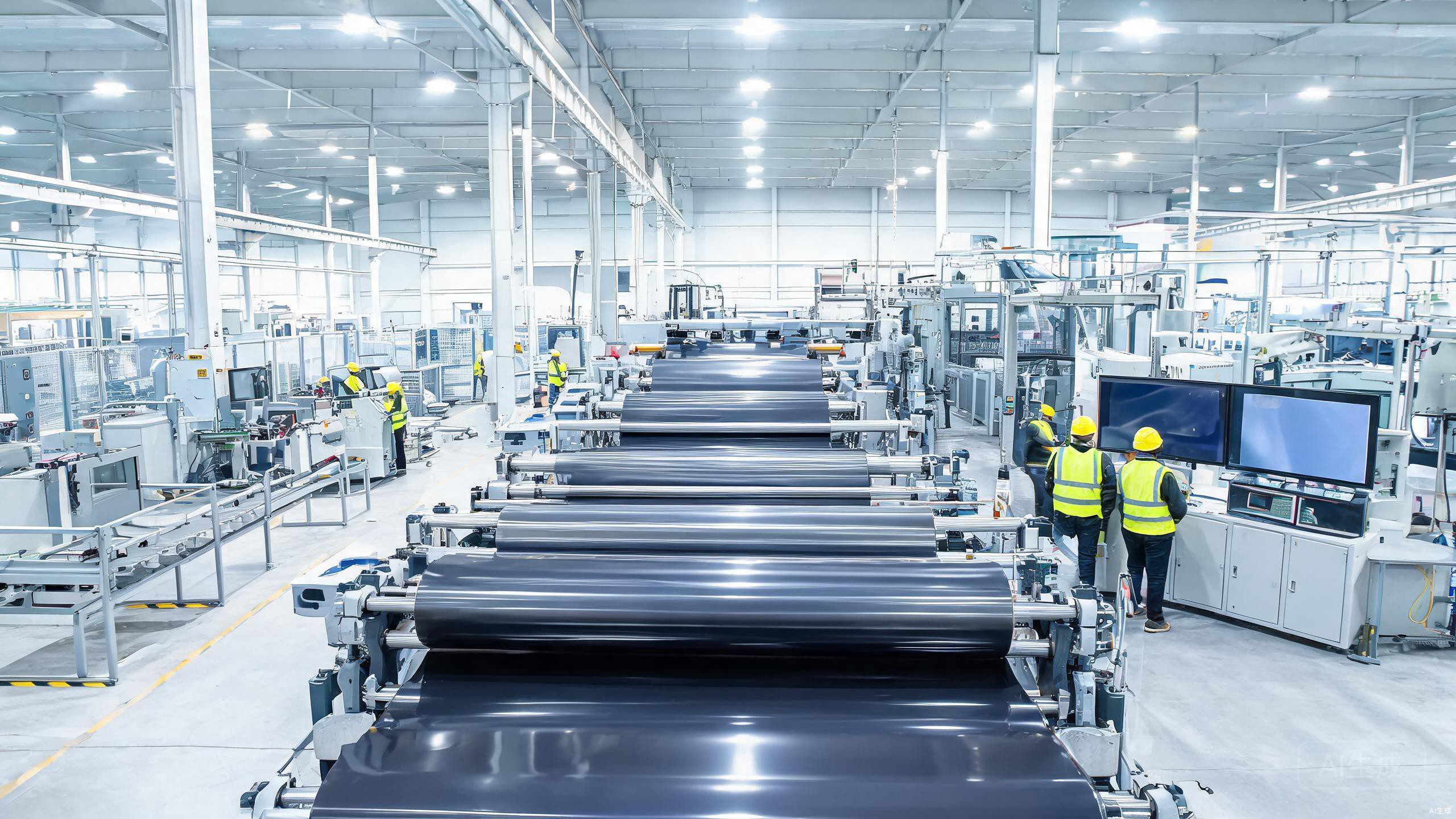
What to watch for: The biggest risk in this tier is inconsistent batch quality. Some factories cut corners on the TPU layer thickness, use lower-grade adhesive, or skip quality control steps to hit a price point. Ask for batch-level test reports. Ask for the adhesive peel strength test. Ask for the QUV accelerated aging test. A good factory will provide these without hesitation. If they hesitate, they are hiding something.
The Selection Framework: How to Choose in 3 Steps
After 7 years of manufacturing PPF and supplying private label brands across 60+ countries, here is the decision framework that works:
Step 1: Define your customer, not your budget. Most buyers start with "I have $X per roll." Wrong approach. Start with "My customer drives a [vehicle type] and cares about [primary concern]." If your customer drives a luxury SUV and cares about appearance, PCU is the answer. If your customer drives a family sedan and cares about price, Standard TPU is the answer. The budget follows the customer, not the other way around.
Step 2: Match the warranty to the market expectation. In developed markets, a 10-year warranty is expected. In emerging markets, 5 years is competitive. Do not over-warranty a product for a market that does not value it. The warranty is a cost you build into the price. If your market does not need a 10-year warranty, do not pay for one.
Step 3: Test the coating, not just the spec sheet. Hydrophobic vs. hydrophilic is not a spec sheet decision. It is a user experience decision. Order samples of both. Spray water on them. Rub dirt on them. Leave them in the sun for a week. The spec sheet tells you numbers. Your hands tell you the truth.
Three Sourcing Traps That Cost Private Label Buyers Thousands
Trap 1: The "Same Spec, Lower Price" Trap. A factory quotes you a film with identical specs to our PCU at 40% less. You think you have found a deal. What you have actually found is a factory that either does not test their film properly, or is lying about the specs. Genuine polycarbonate TPU raw material costs what it costs. There is no secret supplier selling it for half price. If the price is too good to be true, the film is not what the spec sheet says.
Trap 2: The "We Can Do Everything" Trap. A factory tells you they can produce all three tiers at any volume. But when you visit, you see one production line and one type of raw material. A factory that makes all three tiers genuinely needs separate raw material inventories, separate coating stations, and separate quality control protocols. If they are running everything on one line, you are getting the same film with different packaging.
Trap 3: The "Sample Is Perfect, Production Is Different" Trap. You order samples. They are flawless. You place a container order. The film arrives, and it is not the same. This is the most common complaint in private label PPF sourcing. The fix: always order a pre-production sample from the actual production batch before the full container ships. Yes, it adds 2 weeks. It also saves you from a container of unsellable film.

How SHIELD SPIRIT Structures Private Label Partnerships
We operate differently from most factories. Here is what you get when you source from us:
- Three genuine tiers, three separate production protocols. We do not mix raw materials. We do not swap coatings between tiers. What you order is what you get, verified by batch-level testing.
- Full documentation package. Every shipment includes tensile strength, elongation, peel strength, anti-fouling, QUV aging, and yellowing test reports. Not just the spec sheet — the actual test data from your production batch.
- Flexible MOQ. Trial orders start small. Container orders get the best pricing. We grow with you.
- 70,000 sqm factory, 300+ staff, 2 dedicated production workshops. We have the capacity to scale with your brand.
- FOB and DDP worldwide. We handle the logistics. You focus on selling.
If you are serious about building a private label PPF brand — whether you are targeting the premium PCU market, the mid-range TPU market, or the volume economy market — we have the film, the documentation, and the production capacity to make it happen.
Five Questions to Ask Yourself Before You Order
- What is the average vehicle value in my target market? If it is under $20,000, am I sure I need PCU?
- Do my customers care about water beading? If they have never heard of hydrophobic coating, why am I paying for it?
- Have I tested samples from all three tiers with my own hands, or am I choosing based on a spec sheet?
- Can my supplier provide batch-level test reports, or do they only show me the marketing brochure?
- If my first container sells out in 3 months, can my supplier scale to 5 containers without quality dropping?
Answer these honestly, and your tier selection will be obvious. Ignore them, and you will learn the hard way — like every buyer who came before you.
Contact our team to discuss your private label requirements. We will help you pick the right tier, send samples, and structure a partnership that works for your market.