













PPF Topcoat Explained: Why the Surface Matters More Than a Fast Scratch Demo
PPF Topcoat Explained: Why the Surface Matters More Than a Fast Scratch Demo
A dramatic scratch-repair demo can make any PPF look impressive for ten seconds. The harder question is whether the surface will still clean up well after months of sun, road film, bird droppings and repeated washing.
Think of paint protection film as a three-part outfit. The base film is the body that absorbs impact and follows the vehicle shape. The adhesive keeps the system attached. The topcoat is the outer jacket: it meets everything the road throws at the car first.
The top layer is the car’s daily contact point
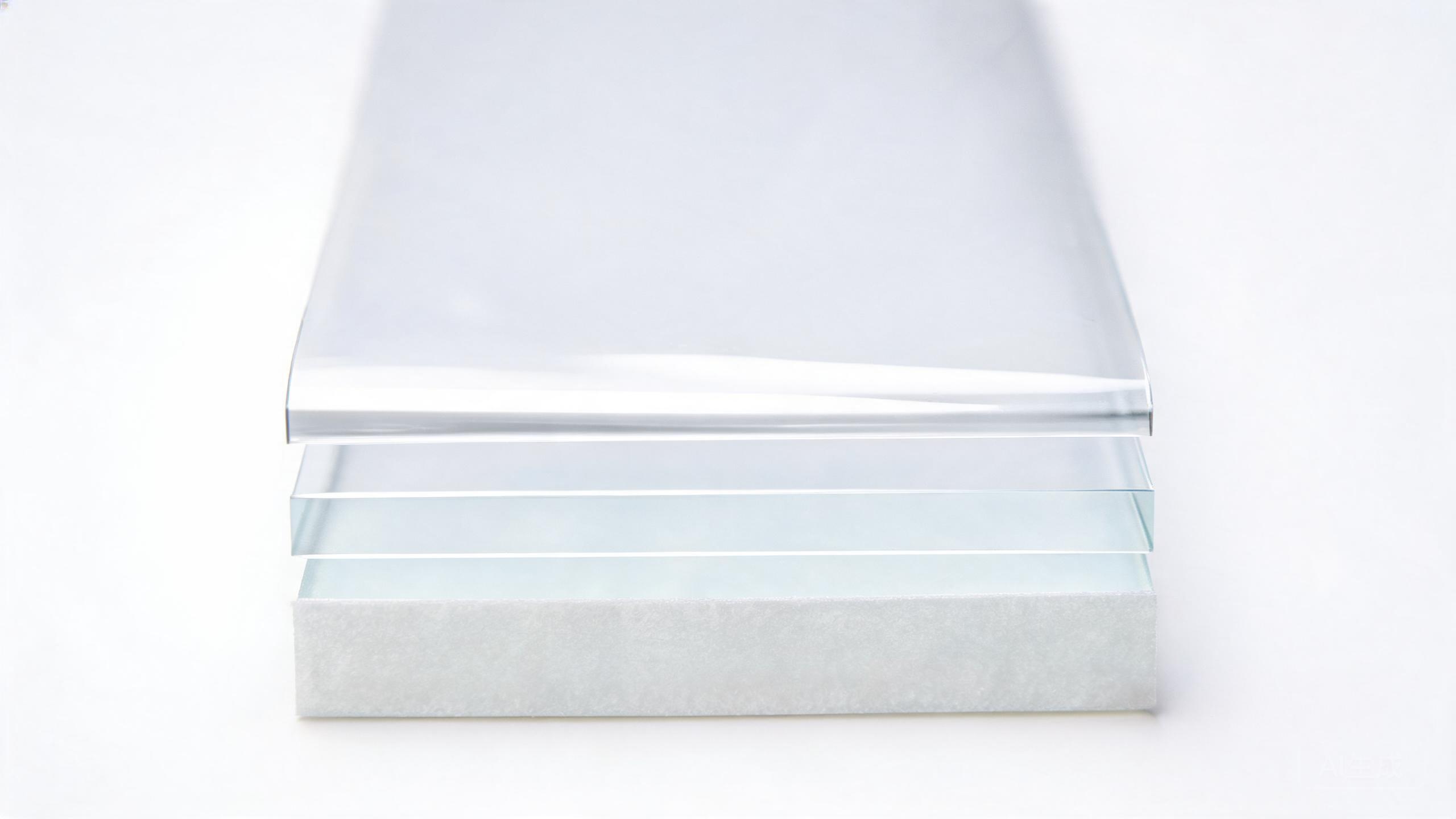
A bare TPU surface is not designed to be the whole weather-facing story. Like skin, it can pick up contamination and gradually look tired when dirt, water marks, oily residue and wash abrasion keep working on it. A functional topcoat creates the first barrier between the outside world and the film below.
That is why a film can look glossy on installation day yet become harder to wash later. Gloss is easy to see. Surface chemistry is harder to see, but it influences whether road grime releases easily, whether stains cling, and how the film looks after routine care.
PPF is a system, not a single layer
A paint protection film works as a complete three-layer system. The topcoat handles stain release, surface feel, gloss and scratch recovery. A softer surface recovers quicker from light marks but usually offers less contamination resistance. A more resistant surface creates a stronger barrier, though recovery may need more time or heat. The base film provides impact absorption, optical clarity, stretch and aging behaviour. The adhesive controls positioning, edge hold and long-term removal. No single number or layer tells the whole story.
Why fast self-healing is not the whole answer
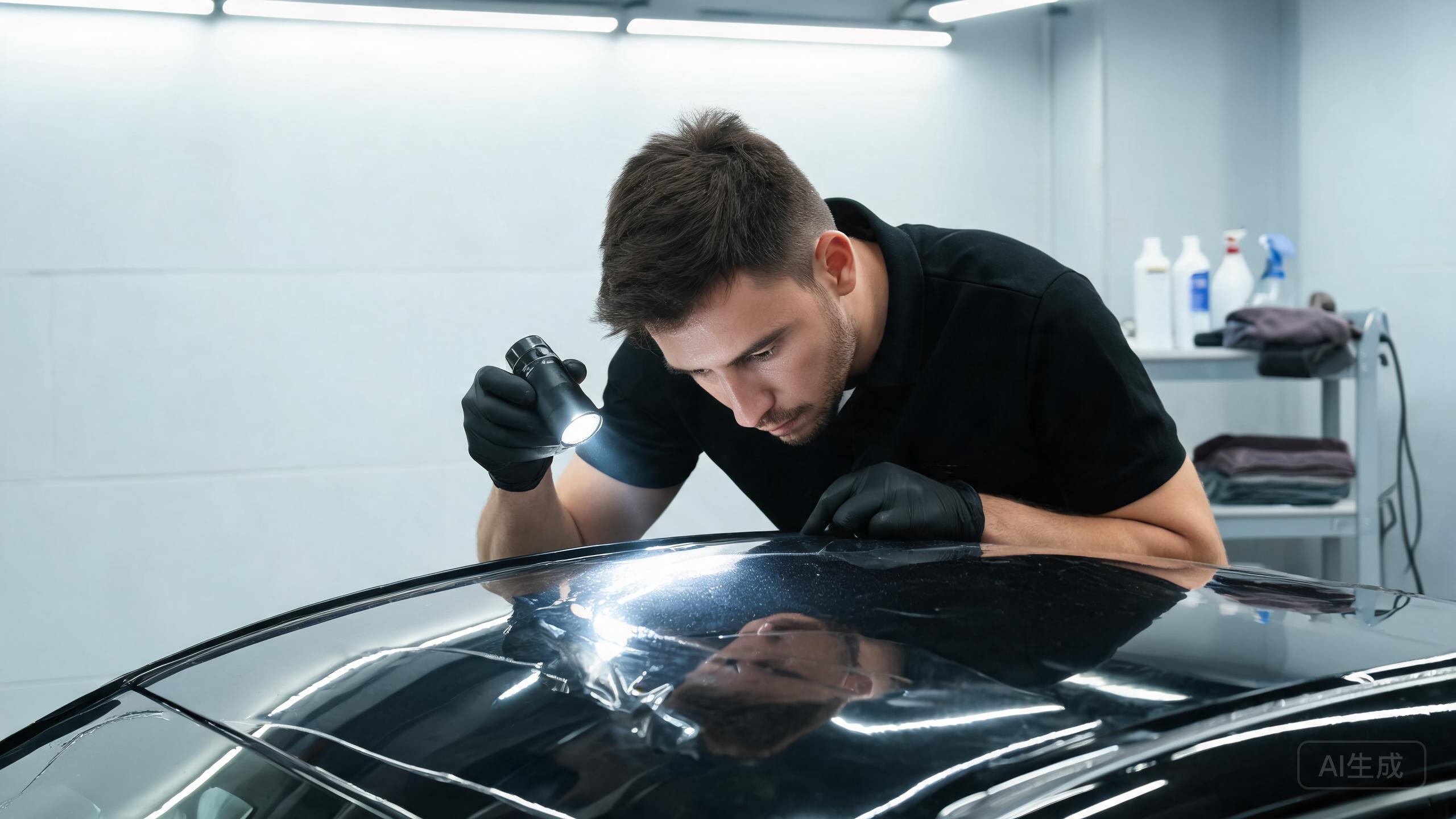
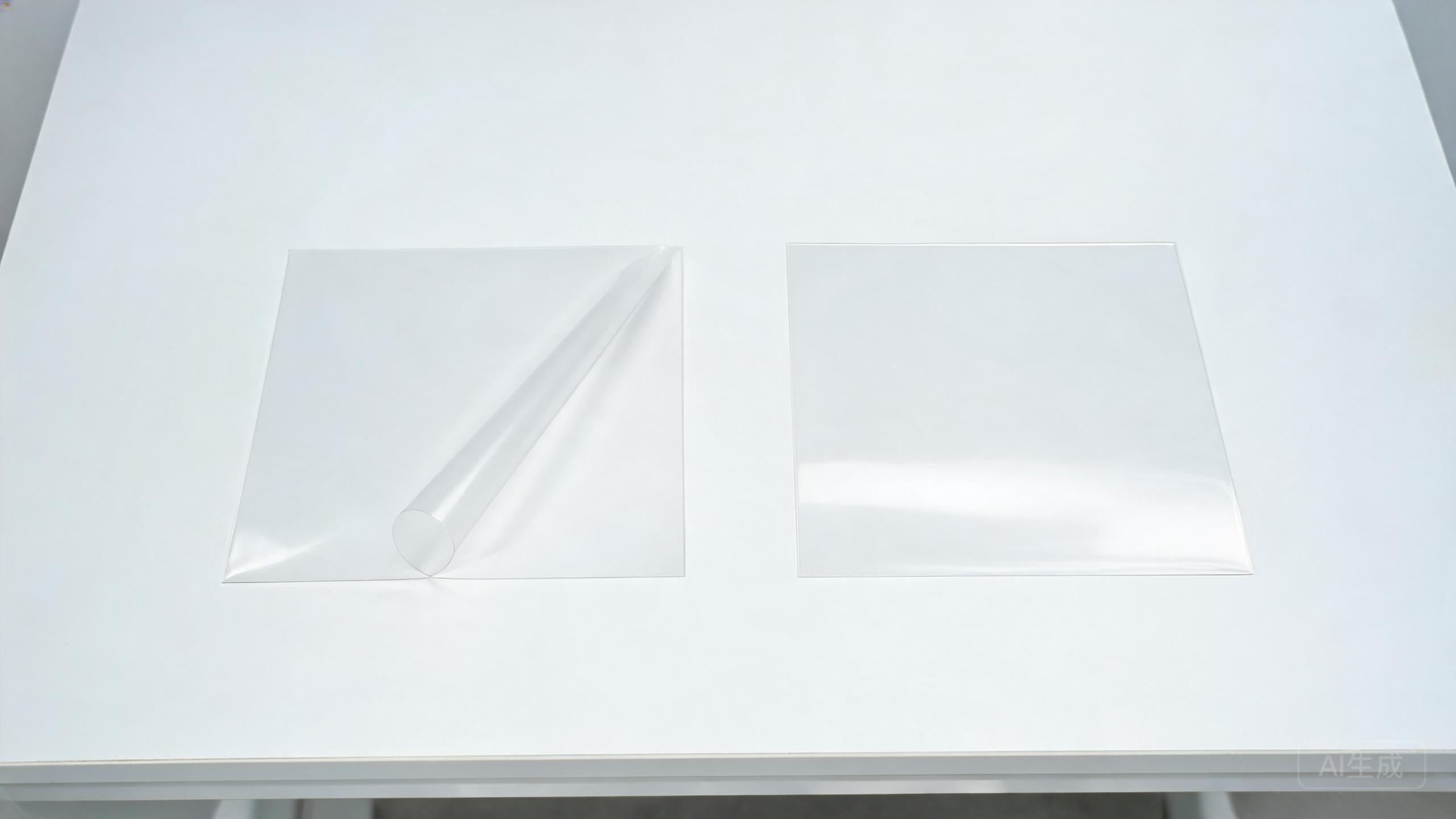
Self-healing is useful. Fine wash marks may become less visible when a heat-responsive surface relaxes under suitable heat. But the fastest possible recovery can come with a trade-off. A very soft surface can move easily, much like a soft sponge. That may help a scratch visually relax, while also making it easier for contamination to settle into the surface over time.
A more resistant surface behaves more like a tightly woven rain jacket. It may not perform a theatrical instant-repair trick, and recovery should be judged under stated conditions. In return, it can be designed to give dirt, insects, rain residue and common road contamination less to hold onto.
For a car that lives outside, the second benefit may matter more. Nobody buys PPF mainly to watch a heat-gun demonstration. They buy it because they want the vehicle to remain easier to clean and more presentable through real ownership.
Thickness is part of the value
A topcoat is consumed gradually by exposure and normal cleaning. It is not sensible to judge it by a single surface gloss reading. If the functional layer is too thin for its intended service life, repeated washing can bring the surface closer to the underlying film and the finish may start to look dull sooner.
Thickness alone is not a quality certificate either. Coating chemistry, bonding to the base film, wash method, climate and contamination all affect the result. Ask for product-specific construction information and care guidance rather than treating a marketing label as proof.
Three everyday examples
The airport commuter
Airport parking combines sun, dust, water spotting and infrequent washing. This owner benefits from a surface designed for practical stain release more than an extreme scratch-recovery show.
The weekend detailer
This owner notices every wash mark and enjoys careful maintenance. A heat-responsive coating can be appealing, but they should still ask how the surface is expected to resist chemicals and contamination over time.
The installer’s test panel
A test panel can be warmed and scratched repeatedly in a controlled room. A vehicle hood sees UV, traffic film, temperature cycles and washing. The panel is a useful clue, not a complete lifetime prediction.
How to compare coatings honestly

| Question | Why it matters |
|---|---|
| What contamination is the topcoat designed to resist? | Stain resistance is more useful when the test condition is named. |
| How is scratch recovery demonstrated? | Heat, time, scratch type and surface condition change the result. |
| What is the full film construction? | The coating only works as part of the topcoat, base film and adhesive system. |
| What care and warranty terms apply? | Coverage should match the climate, washing habits and expected ownership period. |
Where the other layers fit
A good topcoat cannot rescue an unsuitable base film or an unstable adhesive. The PPF construction should be evaluated as one layered system. Read our guides to PPF base film oraz PPF adhesive before comparing price quotes.
FAQ
Does a hydrophobic surface automatically mean a better PPF?
No. Water behaviour is one surface characteristic. Long-term value also depends on the base film, adhesive, coating durability, installation and documented warranty conditions.
Can every scratch heal?
No. Fine surface marks may respond under suitable conditions. Deep cuts that pass through the coating or film should not be presented as self-healing.
Why can two glossy films have very different prices?
Two films can look similar under showroom lights while using different coating chemistry, coating build, base film grade, adhesive and process control. The difference often appears later in cleaning, aging and removal.
Image brief: 7 future visuals
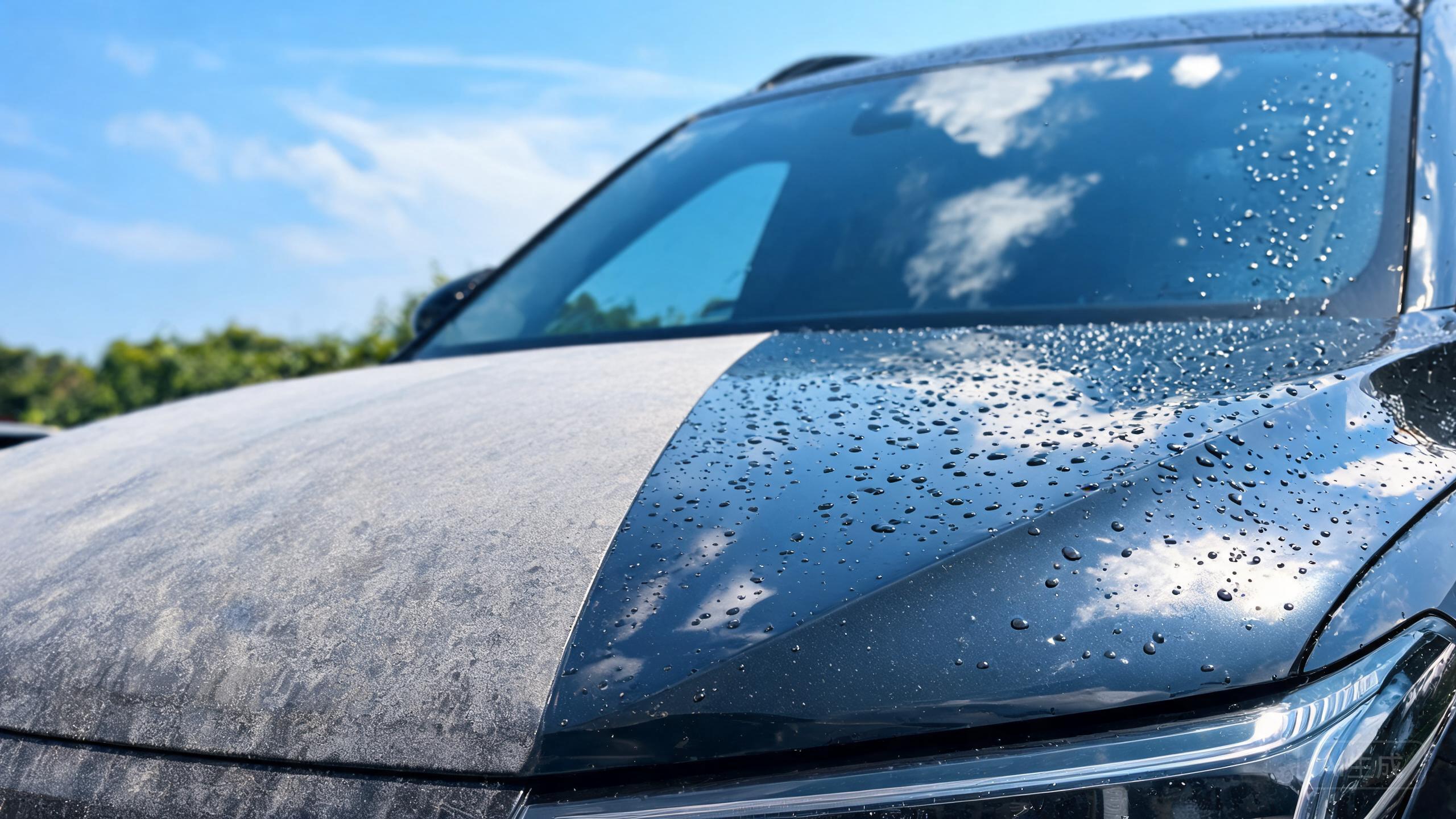
- Hero: Close three-quarter view of a dark luxury SUV hood after rain, clean water beading beside a small area of road dust, natural late-afternoon light, no logos or text. Alt: PPF-coated SUV hood showing clean water beading and road dust contrast.
- Surface barrier: Macro cutaway of a transparent PPF sample with a thin top layer shielding the clear base layer from dust and water droplets, realistic laboratory photography, no labels. Alt: Macro PPF sample showing a protective top surface over clear film.
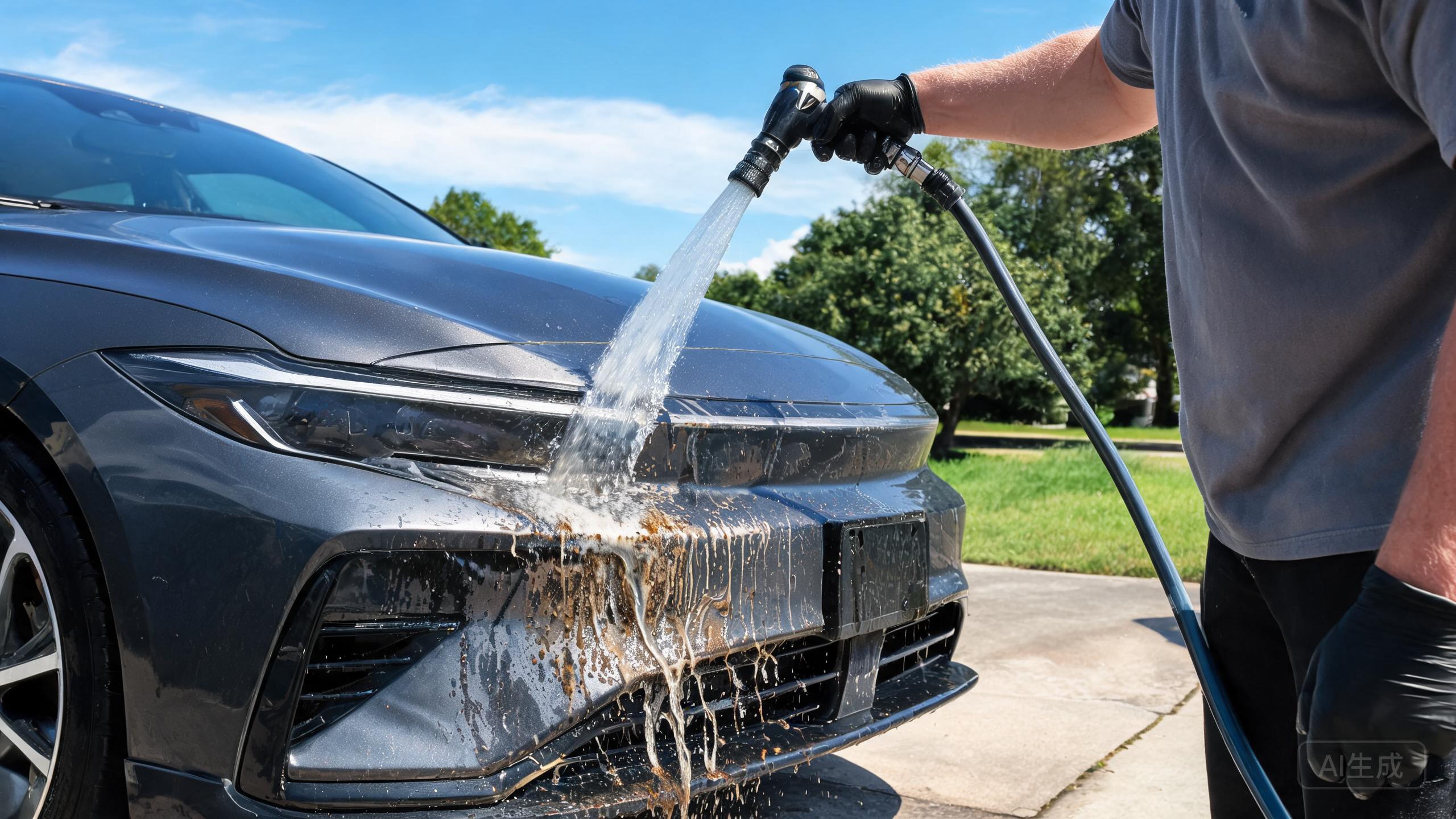
- Real contamination: White car front bumper with insect residue and road film being rinsed during a hand wash, documentary workshop lighting. Alt: Vehicle bumper being washed to show practical PPF stain-release performance.
- Self-healing context: Detailer gently warming a clear PPF panel with a heat source while inspecting fine wash marks, close technical composition. Alt: Detailer inspecting fine wash marks on heat-responsive PPF.
- Trade-off: Side-by-side material samples on a neutral table, one soft flexible sample and one denser-looking clear sample, tactile hands only, no text. Alt: Two clear PPF samples representing surface softness and resistance trade-offs.
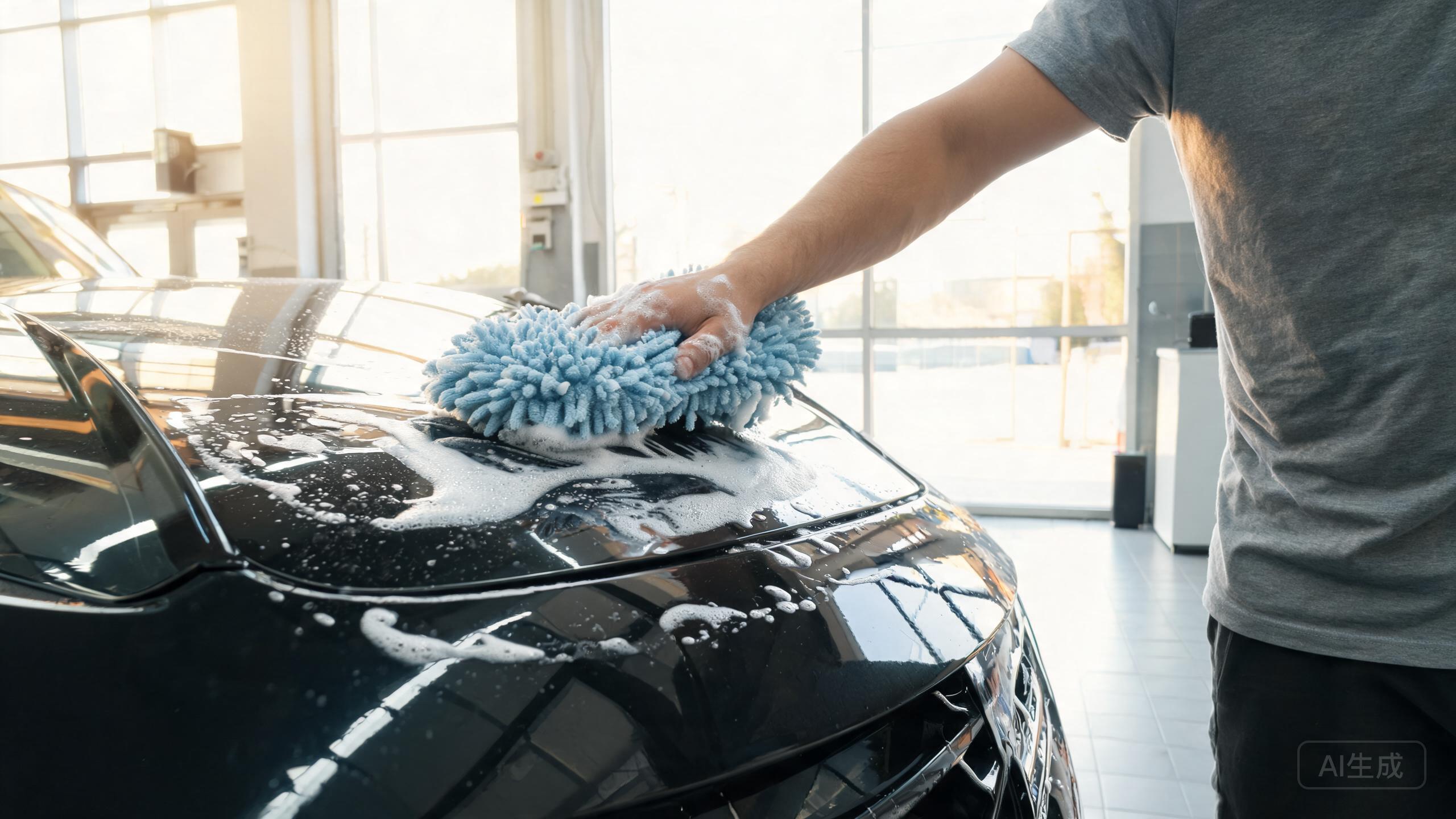
- Wash abrasion: Soft wash mitt moving across a glossy protected hood with foam and reflected workshop lights, cinematic close-up. Alt: Gentle hand washing of a glossy PPF-protected vehicle hood.
- Buyer discussion: Installer and vehicle owner comparing clean transparent film samples near a parked car, daylight, realistic conversation. Alt: Installer and car owner comparing transparent PPF film samples.