









Hoe SHIELD SPIRIT elke OEM-PPF-bestelling beheert
A private label PPF buyer should not trust a factory because the sample looks good. A sample proves that one roll can be made. A controlled order process proves that the same specification can be repeated, inspected, packed and delivered when your brand begins to scale.
That distinction matters. Many sourcing failures do not begin on the coating line. They begin earlier: an unclear specification, an unrealistic delivery promise, an unapproved material substitution, a missing inspection record or a warehouse shipment that cannot be traced back to the correct batch.
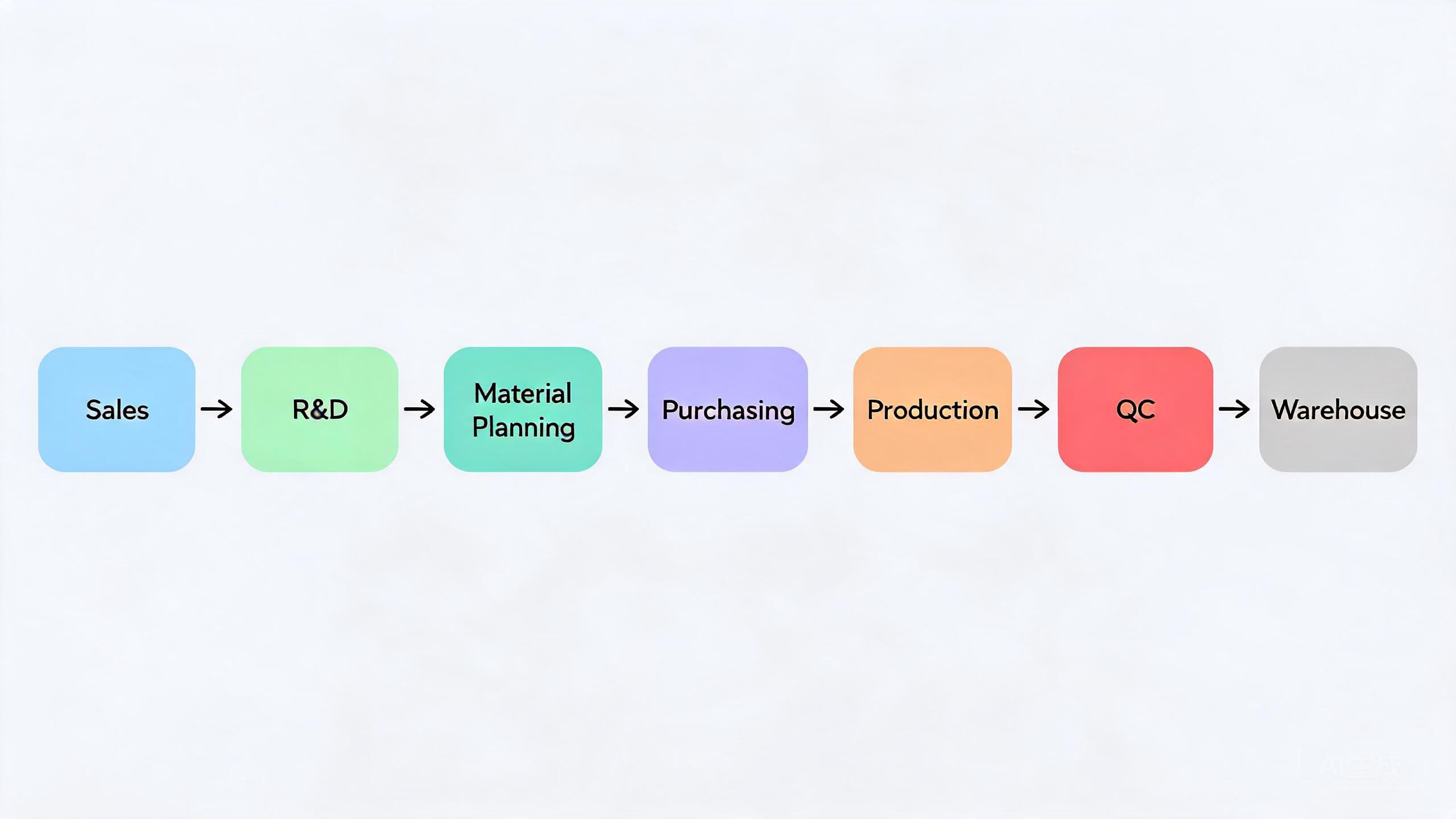
At SHIELD SPIRIT, an OEM order moves through seven accountable departments: Sales, R&D, PMC, Purchasing, Warehouse, Quality Control and Production. The factory covers 70,000 sqm, operates two workshops and employs more than 300 people, but scale alone is not the reason global private label customers can rely on us. The reason is control. Here is how the order moves from purchase order to archived record.
Why Seven Departments Matter
A reliable OEM manufacturer separates commercial promises, technical decisions, material planning, purchasing, storage, inspection and production execution. This prevents one person from quietly changing the product, schedule or acceptance standard. It also creates checkpoints where a risk can be found before it becomes an expensive international claim.
| Department | Primary Responsibility | Risk Controlled for the Buyer |
|---|---|---|
| Sales | Order intake, delivery communication, document archiving | Commercial details are not lost between inquiry and shipment |
| R&D | Sampling, specification confirmation, technical review | The approved sample becomes a controlled production standard |
| PMC | Order review, delivery breakdown, material and capacity planning | Delivery dates are based on resources rather than guesswork |
| Purchasing | Purchasing plan, material ordering, supplier follow-up | Approved inputs arrive before they can delay production |
| Warehouse | Receiving, finished goods storage, outbound control | Materials and finished rolls remain identifiable and traceable |
| Quality Control | Incoming, in-process and final inspection | Defects are caught at multiple gates, not only before shipment |
| Production | Coating, laminating, aging, winding and precision cutting | Process discipline supports repeatable film performance |
1. Sales: One Accountable Interface
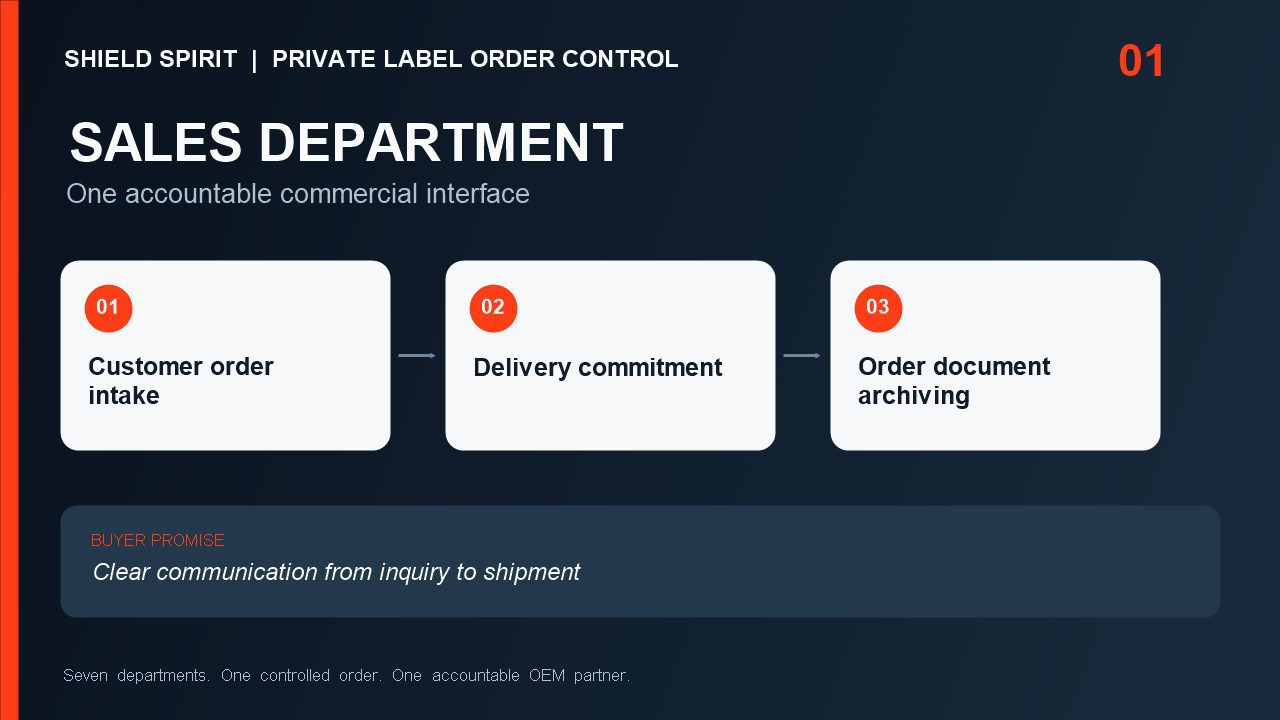
The Sales Department receives the customer order, confirms the commercial scope, coordinates the delivery reply and archives the final order file. For a private label customer, this means the agreed product series, thickness, roll size, packaging, label artwork, quantity, destination and trade terms have one controlled commercial record.
Sales does not unilaterally promise a date and push the problem downstream. The proposed timeline must pass through technical review and planning. That is a basic discipline, but it is also where many low-control suppliers fail.

2. R&D: The Sample Becomes the Standard
R&D handles sampling, confirms product information and locks the technical requirements that production will follow. This is especially important when a customer is choosing among next-generation PCU PPF, premium hydrophobic TPU PPF and economical TPU PPF.
The approved sample is not treated as a showroom piece. Its material structure, thickness target, gloss, coating behavior, adhesive requirement and packaging specification become production inputs. If a requirement is not technically feasible, the issue is raised during review, not after a container has been produced.

3. PMC: A Date Built on Capacity
PMC connects demand with materials, equipment and production capacity. The team participates in the order review, breaks the requested delivery date into milestones, prepares the material requirement plan and coordinates the production schedule.
This is what converts "we can deliver" into a plan that can be checked. A trustworthy OEM should be able to explain what must happen before coating starts, when materials are due, where inspection occurs and which production window is reserved.

4. Purchasing: Material Risk Is Managed Early
Purchasing converts the material plan into supplier orders and follows each delivery until the approved inputs arrive. The goal is not simply to find material at the lowest price. The goal is to protect the confirmed BOM, maintain continuity and stop a late input from creating a rushed production decision.
For the buyer, this reduces two common risks: undisclosed substitution and schedule slippage. Material purchasing is connected to the approved specification, while incoming materials still need to pass Quality Control before use.
5. Warehouse: Traceability at Every Movement
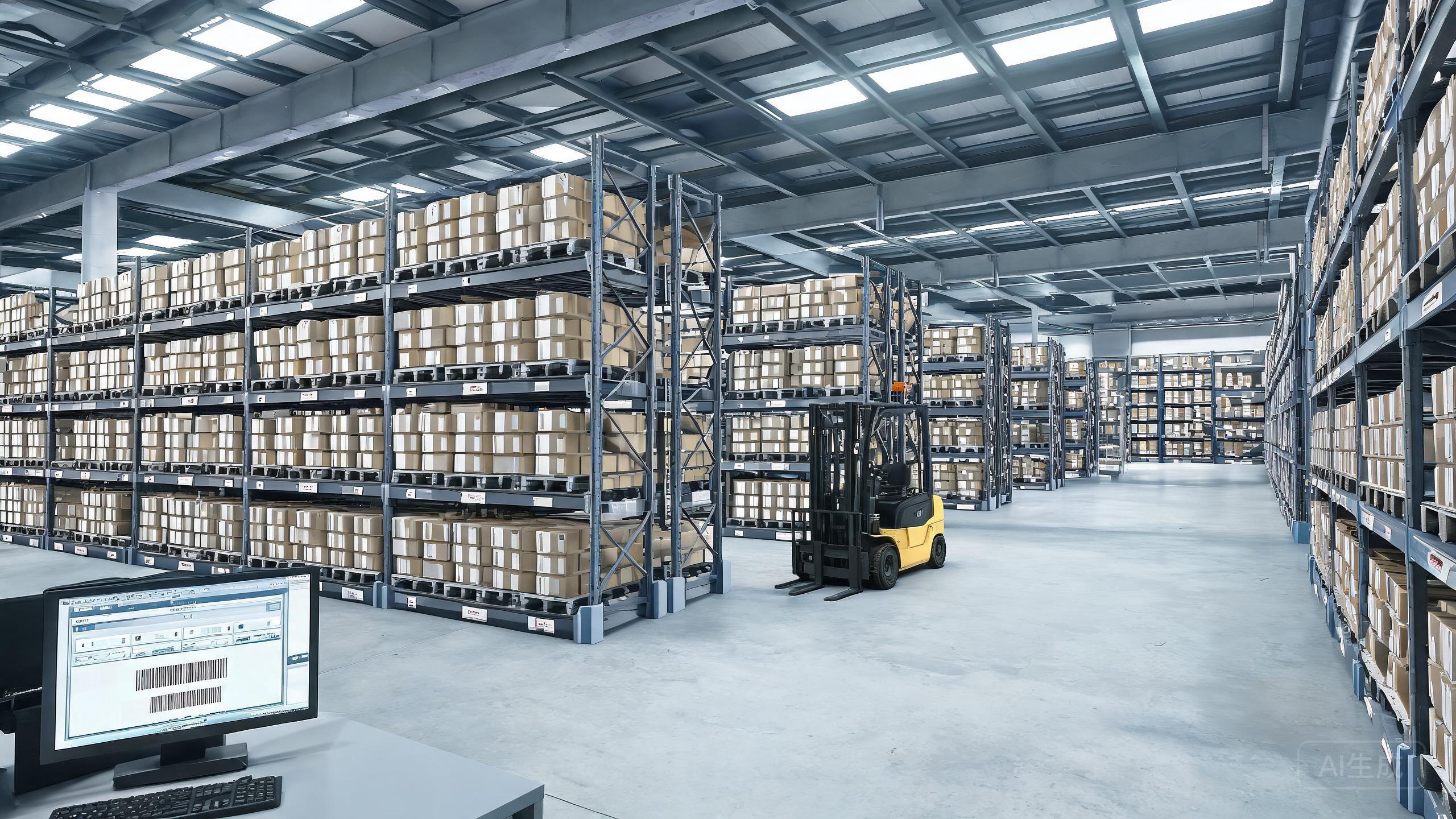
The Warehouse receives incoming materials, records them, supports controlled issue to production, receives finished goods and manages outbound release. Materials do not become acceptable merely because they arrived at the factory. They are held for incoming inspection against the required specification.
After production and final inspection, finished rolls return to controlled storage before shipment. This helps the factory match the right product, batch, label and quantity to the right customer order. For a global private label brand, that traceability is essential when reviewing a complaint, reorder or warranty case.
6. Quality Control: Inspection Is a System
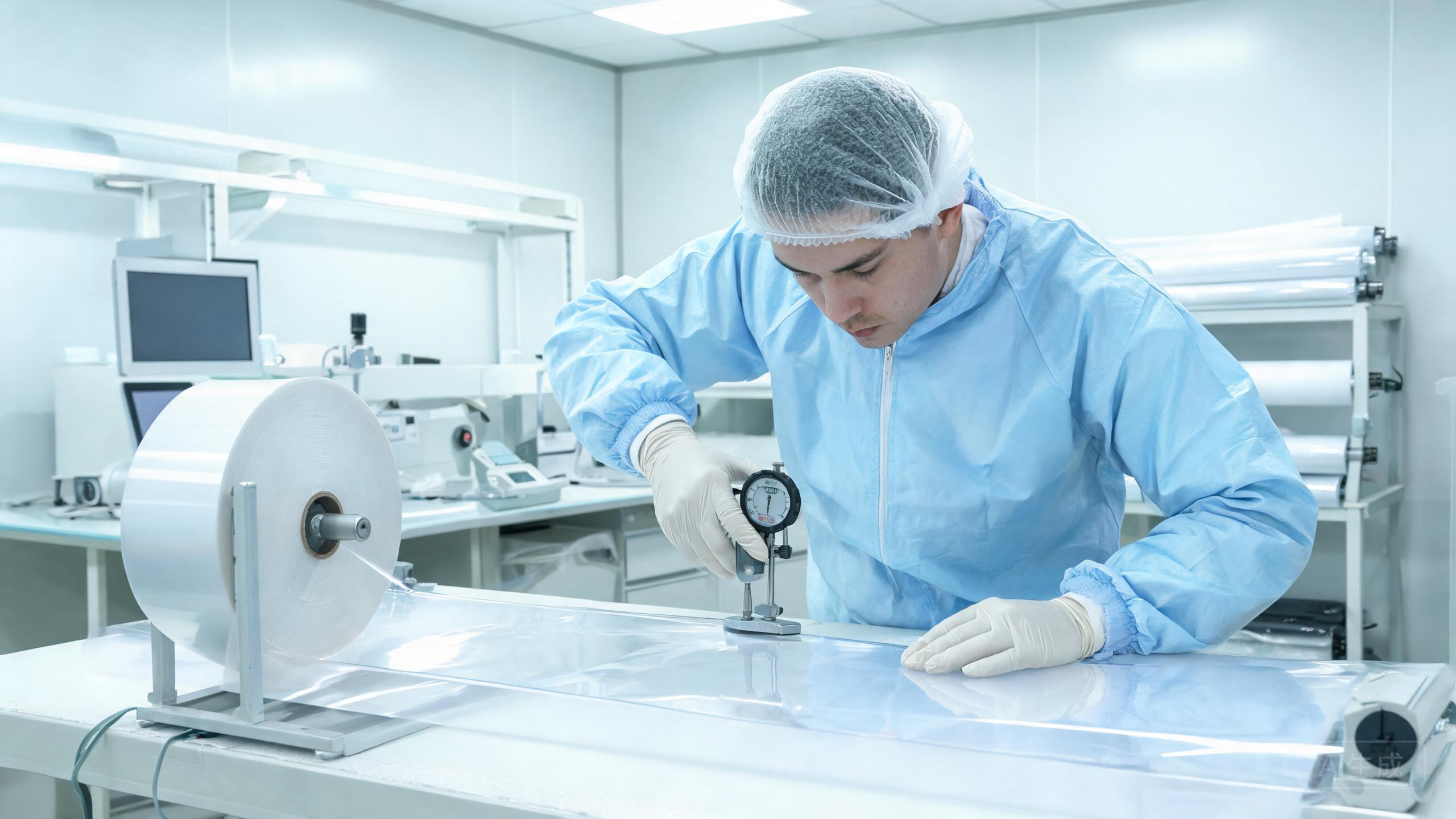
Quality Control appears throughout the order flow. Incoming inspection checks raw materials. In-process inspection monitors manufacturing. Precision cutting and final inspection protect roll dimensions and visible quality. Packaging and classification are also controlled before finished goods are released.
This structure is stronger than a single final check. A final inspector cannot undo an incorrect raw material or unstable coating process. Multiple quality gates make it possible to identify the problem closer to its source and protect the rest of the batch.
7. Production: Controlled Execution
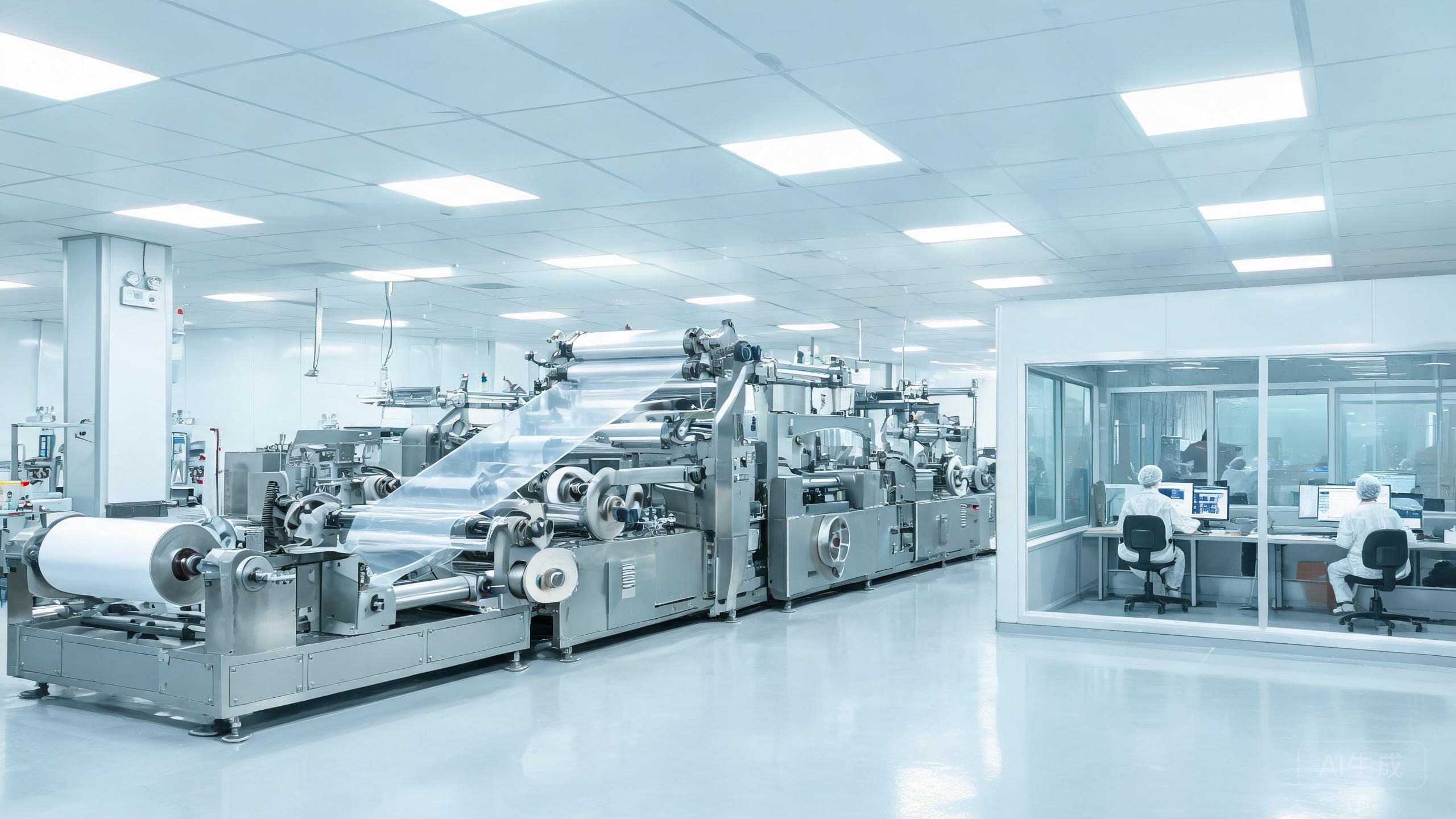
Production turns the locked formula and plan into finished automotive protection film. The detailed sequence includes solution preparation, coating, plan verification, safety checks, barrel mixing, glue filtration, glue aging, TPU release handling, lamination and drying, high-temperature composite processing, accumulation and winding, low-temperature aging, precision cutting and inspection.
Each stage affects what the installer and vehicle owner eventually experience: optical clarity, coating uniformity, adhesive stability, stretch behavior, edge performance and long-term appearance. That is why production is not treated as an isolated machine operation. It is fed by confirmed specifications, approved materials, a scheduled plan and active inspection.
What the Complete Flow Looks Like
- Sales receives the customer order.
- R&D prepares and confirms the sample and product specification.
- Sales, R&D, PMC, Purchasing, Production and QC review feasibility.
- PMC and Purchasing break down delivery, material and production requirements.
- Warehouse receives materials and QC performs incoming inspection.
- Production executes the controlled manufacturing sequence while QC performs in-process inspection.
- Finished film is precision cut, inspected, classified and packed.
- Warehouse receives finished goods and releases the correct order for shipment.
- Sales archives the order record for future traceability and repeat business.
If finished goods are already in stock, the route can be shortened, but stock status does not remove outbound control. The correct batch, packaging and quantity still need to match the customer order.
How Buyers Should Audit an OEM Factory
Do not ask only for a price list and a glossy sample. Ask the supplier to show how an order moves across departments. A serious factory should be able to answer these questions clearly:
- Who owns the final approved specification?
- Which departments participate in order review?
- How are raw materials received, inspected and released?
- Where are in-process inspection results recorded?
- How is a finished roll linked to its order and batch?
- Who authorizes outbound shipment?
- How are order files preserved for reorders and claims?
If every answer is "the salesperson handles it," you are not looking at a controlled OEM system. You are looking at a single point of failure.
Why Global Private Label Buyers Trust SHIELD SPIRIT
SHIELD SPIRIT combines manufacturing capacity with a cross-functional order-control process. We support OEM and ODM programs, flexible trial orders, in-stock options, custom labels and packaging, and FOB or DDP shipment to global markets. More importantly, the same seven-department framework supports the buyer before, during and after production.
Trust in private label manufacturing is not a slogan. It is the ability to repeat the approved product, communicate realistic dates, document inspections, protect traceability and respond with evidence when a customer asks a difficult question. That is the system we have built.
If you are evaluating an OEM partner for paint protection film, color film or automotive window film, request a quote from SHIELD SPIRIT. Tell us your market, product tier, target quantity and packaging requirements. Our team will help you move from sample to scalable supply with a controlled order process behind every roll.
Five Questions Before You Place an Order
- Can your supplier show a cross-functional order process, or only a production line?
- Does the approved sample have a controlled specification and BOM?
- Are delivery promises reviewed against material and production capacity?
- Can the supplier trace a shipped roll back to inspection and order records?
- If your volume grows fivefold, will the process remain controlled?