













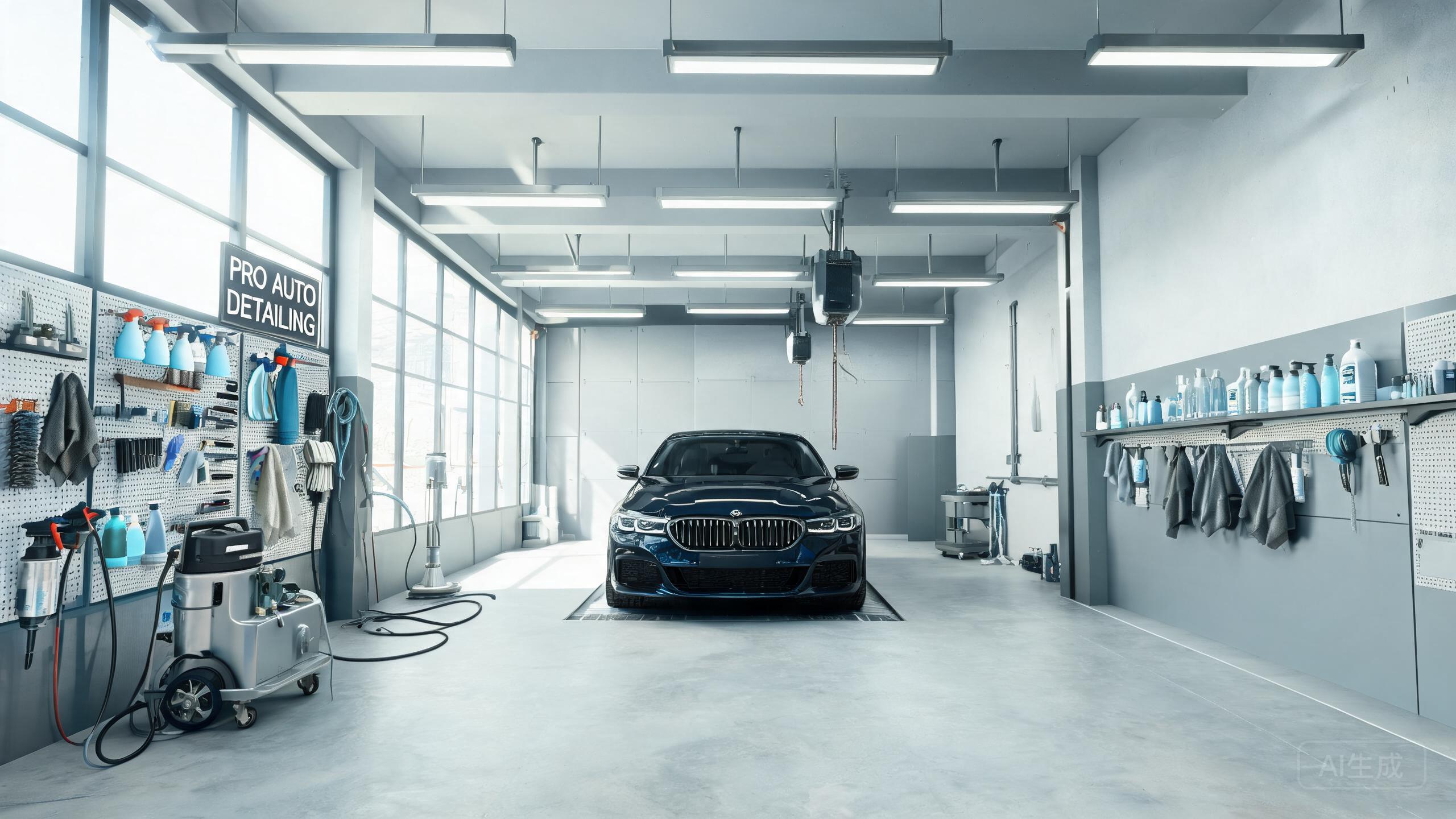
Car Care Is Not Just Washing: Why Paint Protection Should Come First
Learn why professional washing, detailing and PPF should work together to protect premium vehicle paint and reduce repeated correction work.
A clean car is not necessarily a protected car. Many owners spend steadily on washes, waxes, polishing, interior detailing and seasonal treatments, yet leave the most exposed surface of the vehicle, its paintwork, without a durable first line of defence.
That is not an argument against professional car care. It is an argument for putting the investments in the right order. A disciplined maintenance routine preserves appearance; paint protection film can reduce the amount of correction that appearance will require in the first place. For owners of premium vehicles, that difference is not cosmetic. It affects labour, downtime, resale confidence and the long-term condition of the original factory paint.
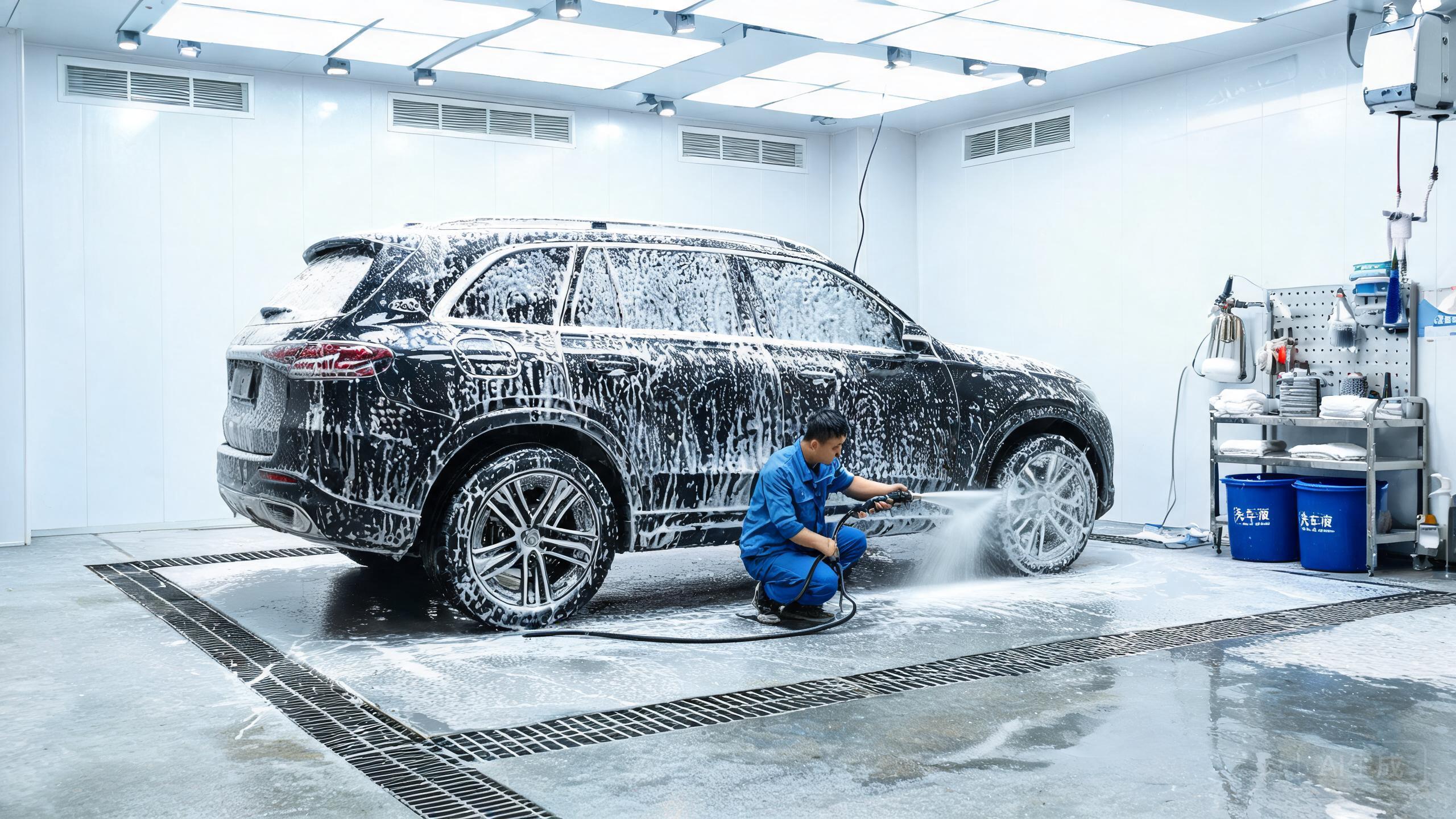
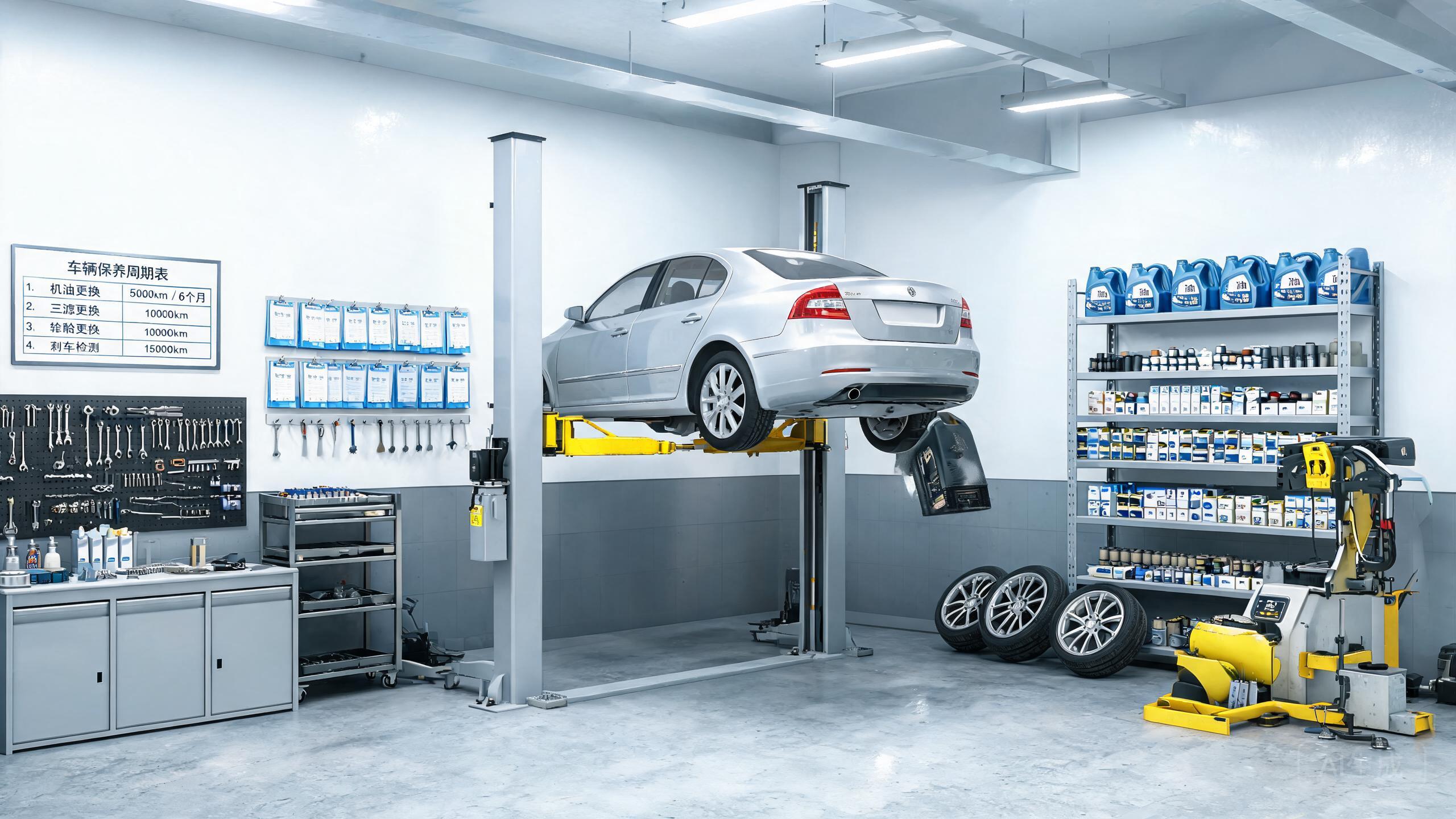
A well-run car-care centre makes this point clearly. The service environment shown in the photographs includes structured wash bays, interior-cleaning services, engine-bay cleaning, wax and glaze packages, glass coating, ozone disinfection, tyre repair, lubricant maintenance and scheduled servicing advice. These are useful services
because a car is not damaged in only one way. Dirt, brake dust, road film, water spots, UV exposure, acidic contamination, interior wear and mechanical neglect all accumulate through ordinary use.
However, the paintwork sits at the centre of the ownership experience. It is the surface people see first, the surface that reflects light most visibly, and the surface that becomes expensive when defects move beyond routine cleaning.
A Clean Finish Is Not the Same as a Protected Finish
Professional washing is necessary because contamination should not be allowed to remain on the paint. A proper process usually starts with vehicle inspection and wheel cleaning, then moves through pre-wash, body washing, edge cleaning, glass care, drying and final inspection. The sixteen-step workflow displayed in the wash-bay photographs reflects an important principle: consistency matters.
Yet a wash process, even a careful one, cannot undo every form of physical damage. Fine scratches, stone-chip marks, scuffs around door edges, stains from neglected contamination and wear on high-contact surfaces do not disappear simply because the car has been cleaned.
This is where the distinction becomes practical. Washing removes what is on the surface. Paint correction improves what has already happened to the surface. PPF is designed to help prevent some of that damage from reaching the paint in the first place.
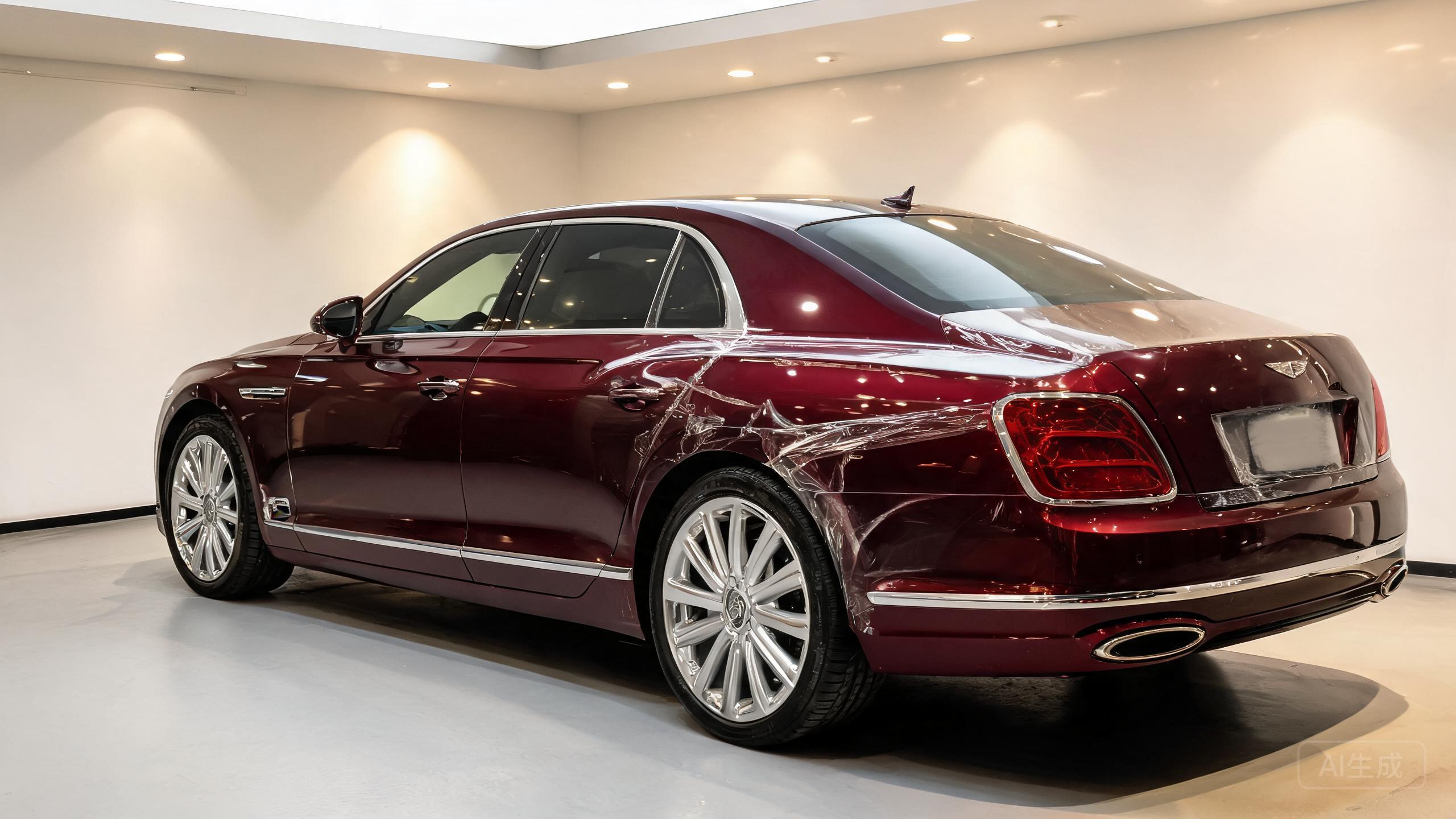
For example, a high-value SUV may be washed every week and still collect road debris on the bonnet, bumper, mirrors and lower doors. The owner may later pay for polishing to restore gloss. However, polishing works by refining the paint surface; it is not a substitute for preserving original paint thickness. A properly selected and professionally installed
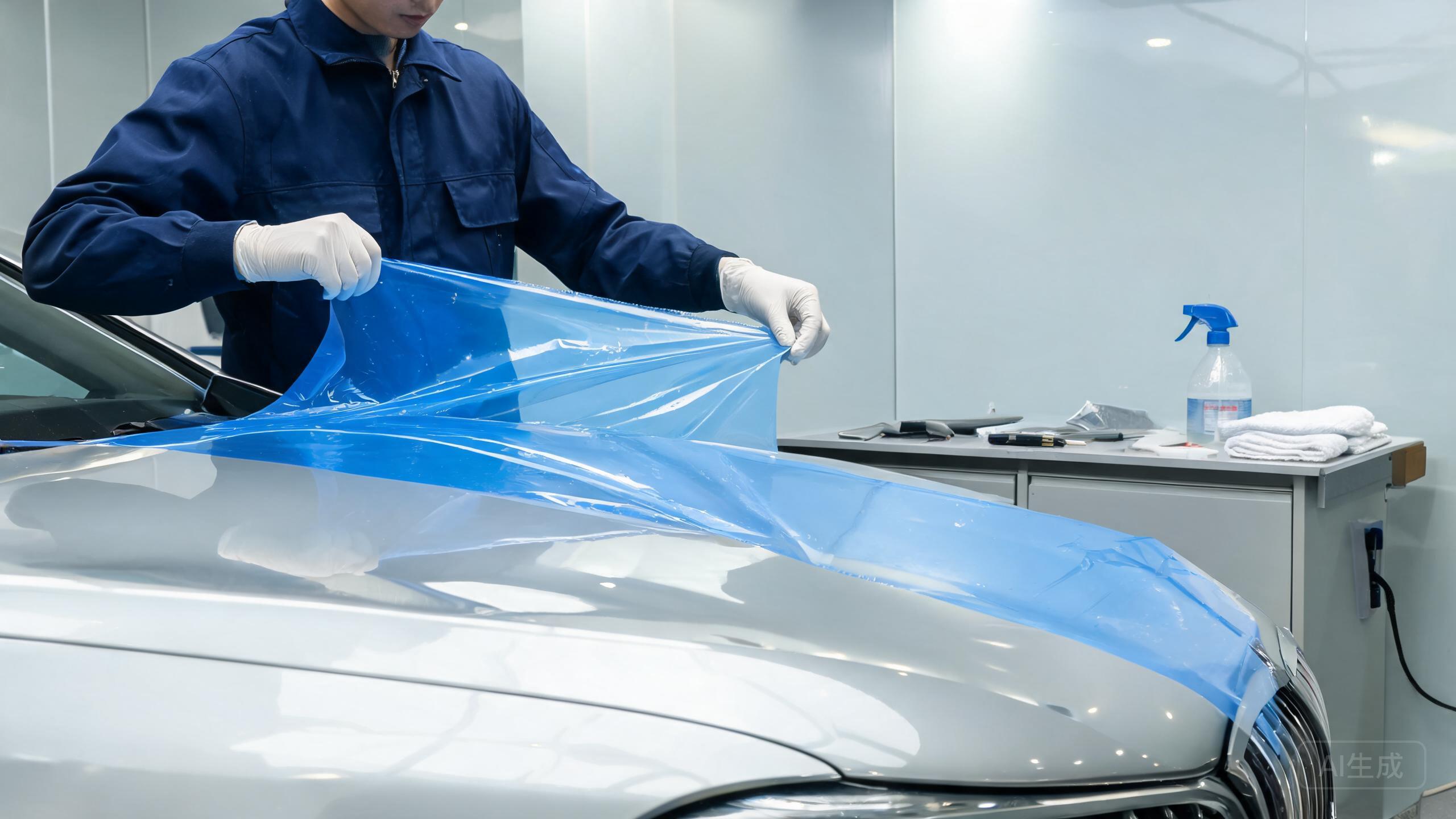
The Expensive Part of Car Beauty Is Repetition
The price boards in the service-centre photographs show the familiar structure of the car-beauty market: basic washing, detailed washing, wax treatments, glaze treatments, glass coating, paint care, interior deep cleaning and crystal-coating packages. None of these is unnecessary. The problem begins when owners treat every service as a separate repair for a surface that could have been protected earlier.
In other words, the cost is rarely one treatment. It is the repeated cycle of washing, correcting, restoring and recoating.
Consider a dark-coloured luxury vehicle. Dark paint makes swirls, water marks and shallow scratches more visible because it reflects light sharply. Regular washing is essential, but imperfect washing tools, trapped grit and repeated wiping can gradually make the finish look tired. The owner may then choose a polish, a glaze or a coating package. These can improve appearance, but they do not make the paint immune to future abrasion.
A more strategic approach is to combine maintenance with protection:
- Wash the vehicle correctly and regularly.
- Remove contamination before it bonds to the surface.
- Protect high-impact paint areas with PPF.
- Use ceramic or maintenance products as complementary care, not as a replacement for physical film protection.
- Inspect edges, seams and vulnerable zones at every service visit.
This sequence changes car beauty from reactive restoration to planned preservation.
Why PPF Deserves a Place in a Maintenance Plan
PPF is sometimes treated as a luxury add-on, placed in the same mental category as a premium wash or a cosmetic upgrade. That misses its practical role.
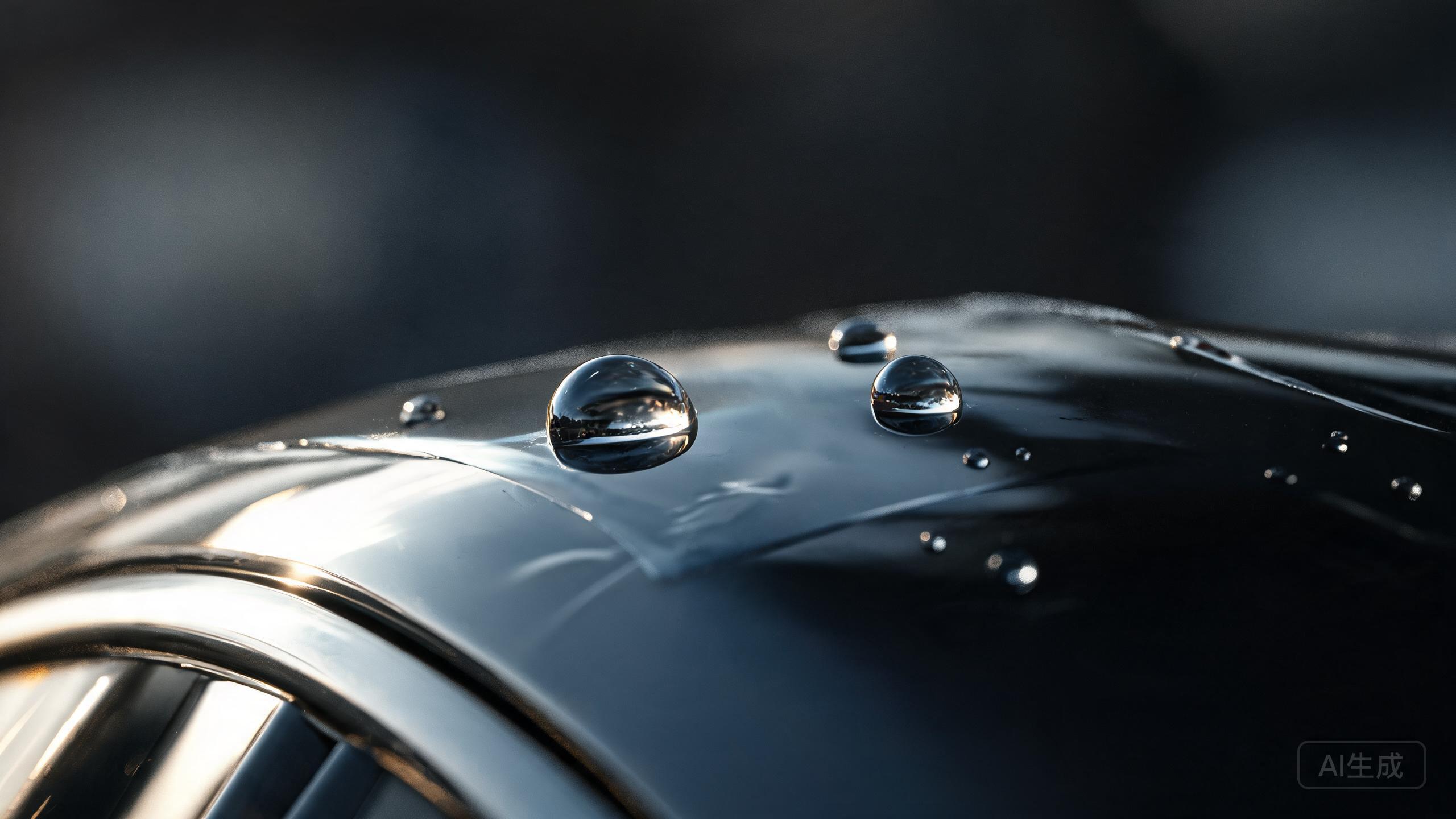
The bridge to good maintenance is simple: the easier a painted surface is to keep intact, the less aggressive the later care needs to be.
For a daily-driven premium saloon or SUV, the front bumper, bonnet leading edge, mirrors, rocker panels, door cups and luggage-loading area take repeated punishment. A maintenance centre can wash and refine these areas, but it cannot prevent the next motorway stone, shopping-bag scuff or careless door opening. PPF is relevant because it addresses the risk before the correction stage.
At SHIELD SPIRIT, we approach PPF from a manufacturing perspective rather than treating it as a decorative accessory. Finished-film performance depends on the complete system: base film, topcoat, adhesive, stabilisers, release liner and installation conditions.
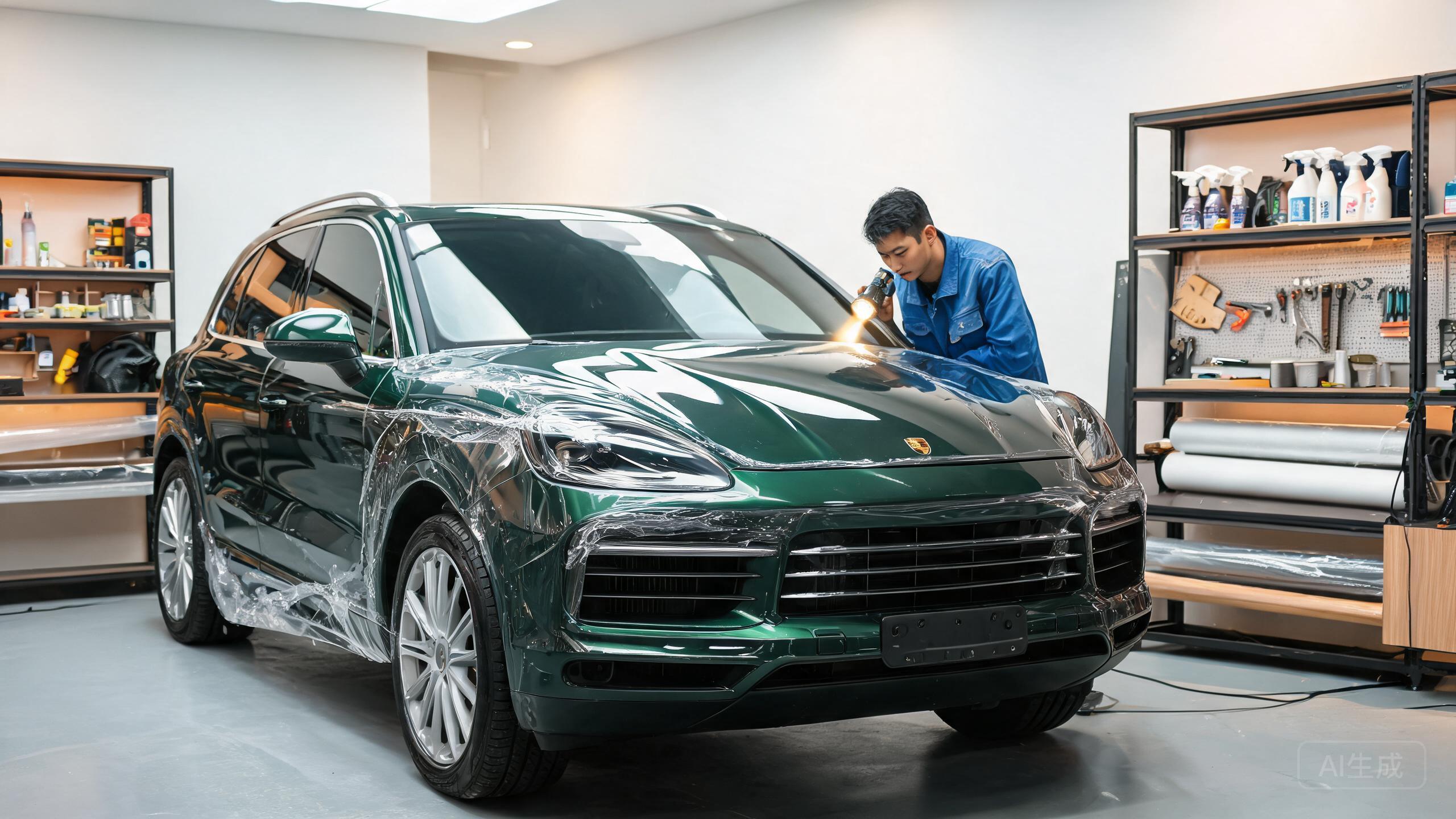
For owners seeking a premium protection direction, our PCT series uses a PCU PPF platform, meaning polycarbonate-based TPU within a complete finished-film system. The purpose is not to promise that any film is indestructible. It is to give owners and installers a higher-grade option that can be assessed through documented product construction, warranty terms, installation guidance and application-specific performance.
PPF, Coating and Wax Are Not Competitors
One common buying mistake is to ask which single product is “best”: wax, glaze, coating or PPF. The better question is what each product is designed to do.
Wax can improve appearance and water behaviour for a limited period. Glaze can enhance gloss and visually mask minor imperfections. Ceramic coating can provide a durable, easy-clean surface when correctly applied and maintained. PPF adds a physical layer intended to help absorb or resist selected forms of mechanical surface damage.
The services shown in the photographs demonstrate why this distinction matters. Glass coatings, interior treatments, engine-bay cleaning, air-conditioning hygiene and tyre services each solve different problems. No sensible owner expects engine oil to protect a leather seat, or a tyre repair to restore paint gloss.
| Vehicle area | Primary concern | Practical care priority |
|---|---|---|
| Front bumper and bonnet | Stone chips and road debris | PPF first, then routine washing |
| Mirrors and door edges | Scuffs and contact damage | Targeted PPF |
| Side skirts and lower doors | Road film and abrasion | PPF or enhanced cleaning schedule |
| Windscreen and side glass | Visibility and water behaviour | Glass treatment and careful cleaning |
| Cabin and leather | Soil, odour and wear | Regular interior cleaning and conditioning |
| Wheels and tyres | Brake dust, damage and safety | Scheduled cleaning, inspection and repair |
The value of this plan lies in separation of purpose. PPF protects paint; washing maintains it; coatings can improve cleanability; mechanical servicing keeps the vehicle safe and reliable. Buyers comparing film grades can review our premium TPU PPF range alongside a vehicle’s use, budget and expected service conditions.
The Factory Advantage: Protection Must Be Verifiable
Car-care shops are where customers see the finished result, but the quality of that result begins much earlier. It begins with the film’s construction, production control and the ability to trace what the installer is putting onto the vehicle.
This is where a factory-backed PPF supplier can add practical value. SHIELD SPIRIT does not ask buyers to rely on a vague promise that one resin name solves every problem. We encourage distributors, installers and vehicle owners to compare the finished product: film construction, thickness, coating behaviour, adhesive performance, test conditions, warranty scope and installation instructions.
For example, our PCU PPF range is positioned for owners who value a premium, long-term paint-protection option. The PCT-75, PCT-85, PCT-95 and PCT-120 series are offered with a 10-year warranty framework, with published five-year yellowing limits that vary by model. Those details matter more than generic claims because different vehicle owners drive in different climates, wash in different ways and expose their cars to different risks.
The case is therefore straightforward. A professional maintenance centre can keep a vehicle looking excellent. A factory-developed PPF system can help preserve the paint that the maintenance centre is working to protect. When the two are planned together, the owner does not have to choose between beauty and protection.
How to Build a Better Car-Care Routine
The service interval board in the photographs is another useful reminder: maintenance is most effective when it follows a schedule. Oil, filters, tyres, fluids and other mechanical items each have their own inspection needs. Paint should be treated with similar discipline.
- Inspect before buying services. Identify where the vehicle is already exposed: bumper, bonnet, mirrors, sills, door edges and loading areas.
- Choose prevention before correction. Install PPF on vulnerable painted zones before repeated stone chips and scuffs require cosmetic repair.
- Wash with a process. Use a service provider that separates wheel, body, glass and interior work rather than treating the car as one quick wash.
- Avoid unnecessary abrasion. Ask about wash media, drying towels, chemical dilution and how contamination is removed.
- Maintain the film and paint together. PPF still needs correct washing, periodic inspection and care around edges.
- Keep records. Retain installation details, warranty information and maintenance documentation, especially for premium vehicles.
Conclusion: Preserve First, Beautify Second
The best car-care strategy is not to spend less on maintenance. It is to spend more deliberately. Regular washing, interior care, tyre attention, fluid servicing and seasonal detailing remain essential. But for a premium vehicle, leaving the paint unprotected can turn those services into a repeating attempt to correct avoidable damage.
PPF should therefore be viewed as part of a maintenance plan, not as an optional decoration. It can reduce the frequency and severity of paint correction, help preserve original paintwork and allow wash and detailing services to focus on upkeep rather than recovery.
For owners who want to protect a valuable car for the long term, the practical order is clear: protect the surface first, then maintain it well. For value-focused owners, our standard PPF option can also be evaluated according to vehicle age, driving conditions and maintenance goals.
Frequently Asked Questions
Is car washing enough to protect paint?
No. Correct washing removes contamination and reduces avoidable abrasion, but it cannot prevent every stone chip, scuff or contact mark. PPF can add a physical protective layer to selected painted areas.
Should I choose PPF or ceramic coating?
They serve different purposes. PPF is a physical film for selected impact and abrasion risks, while ceramic coating mainly supports surface cleanability, water behaviour and appearance. They can be used as complementary treatments when the product systems and installation guidance are compatible.
Why is PCU PPF relevant to premium vehicles?
PCU is a polycarbonate-based TPU platform used within a complete PPF system. It is relevant to premium applications because buyers can assess the full construction, documented performance, warranty and installation requirements rather than relying on appearance alone.
How often should a protected vehicle be maintained?
Maintenance should reflect climate, mileage, parking conditions, wash habits and the film manufacturer’s guidance. Regular gentle washing and periodic inspection are more useful than waiting until contamination or edge problems become visible.